Meeting point: about 7 km from the old town.
Hiking distance: about 3 km, with about 200+ m of elevation gain.
The route overlaps with the Four Seasons Foraging route, so please do not book both. The difference between the two activities: Four Seasons Foraging makes a journal and does not include a meal. This activity does not include a journal but does include a meal.
Suitable for: people who want an easy walk in the forest, look at plants, and learn about mushrooms when we come across them. (No mushrooms from November to May.)
Same price for adults and children; no discount for larger groups.
Because of Cangshan management restrictions, it is already not easy to find a light hiking route not far from the old town, outside the scenic area, with few people and quiet surroundings. So when we found this place, we felt the excitement of finding a treasure map.
We will pass through a short stretch of farmland and see seasonal crops grown by villagers. Sometimes it is corn, sometimes peas, sometimes taro. Along the way we will also encounter different wild vegetables; the women in our foraging team know about the wild vegetables, and if you are interested, we can share about them one by one.
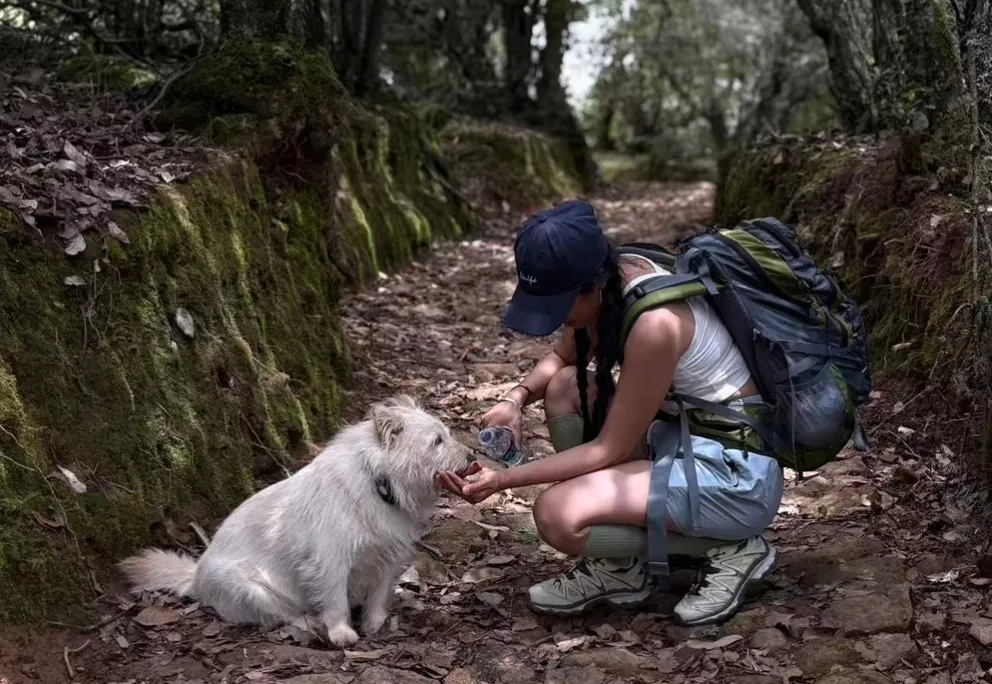
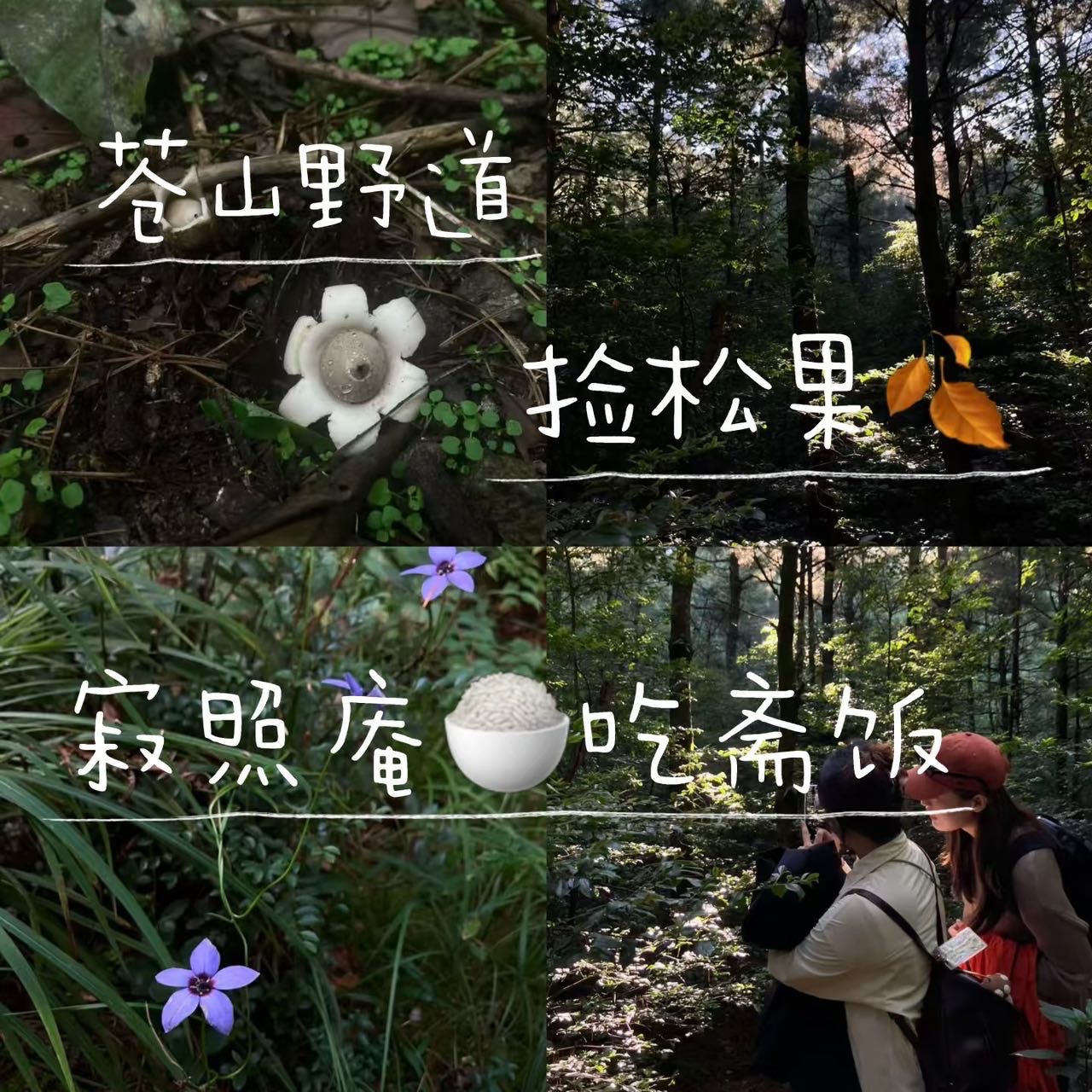
After that we enter a grove of Nepalese alder and happy trees, with moss covering the trunks and the path. Walking here in the sunlight is very pleasant, and occasionally small mushrooms can be seen.
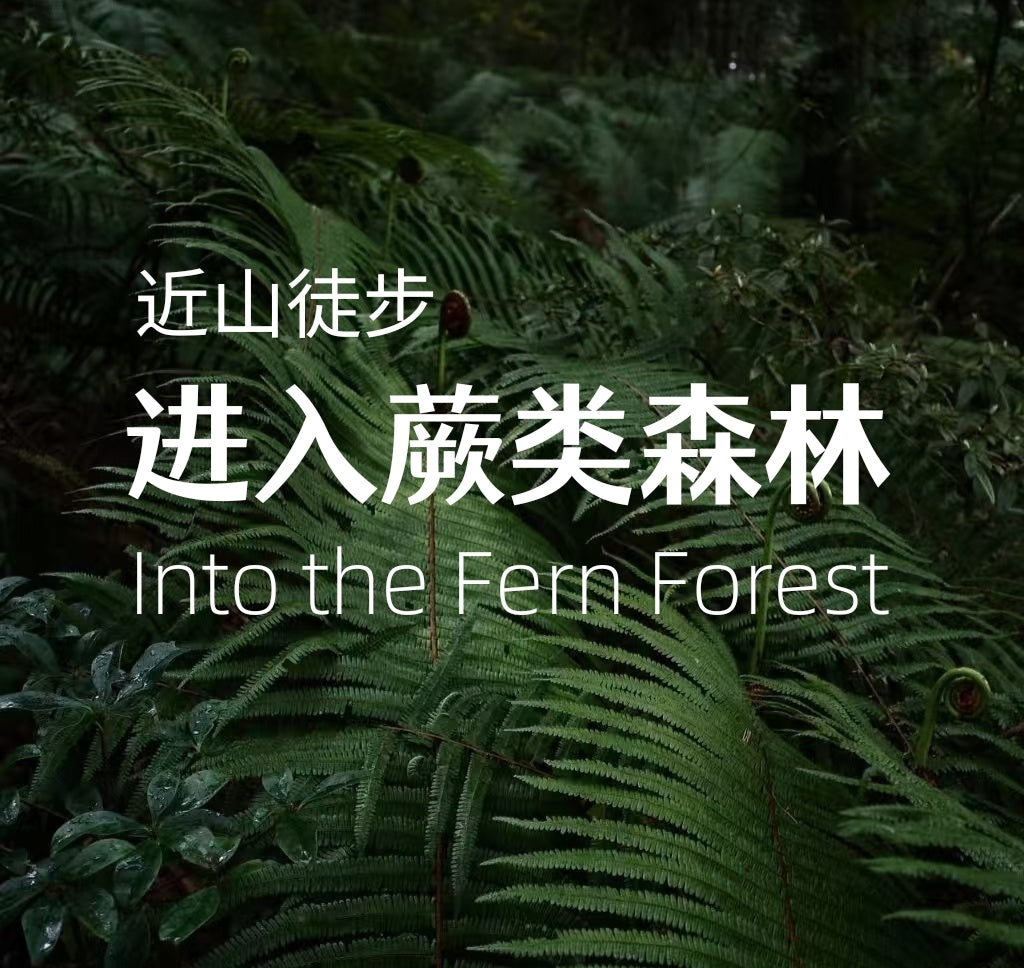
If you have good stamina, continue upward and you will pass a tea garden with a nice view. Then you enter the real forest. I guess if you come here for a walk in spring, you can easily gather a meal of fiddlehead ferns. In summer, if you have a good eye, look carefully under the pine needles and you may find some wild mushrooms that villagers missed in the morning. If we find them, we will introduce them one by one. Further up, in the depths of the forest, large patches of Diplopterygium glaucum ferns appear. We will prepare hot tea and fruit and have a tea break together in the mountains.
After descending, we will eat together at a Bai family home in a nearby village.
About the Bai family we eat with:
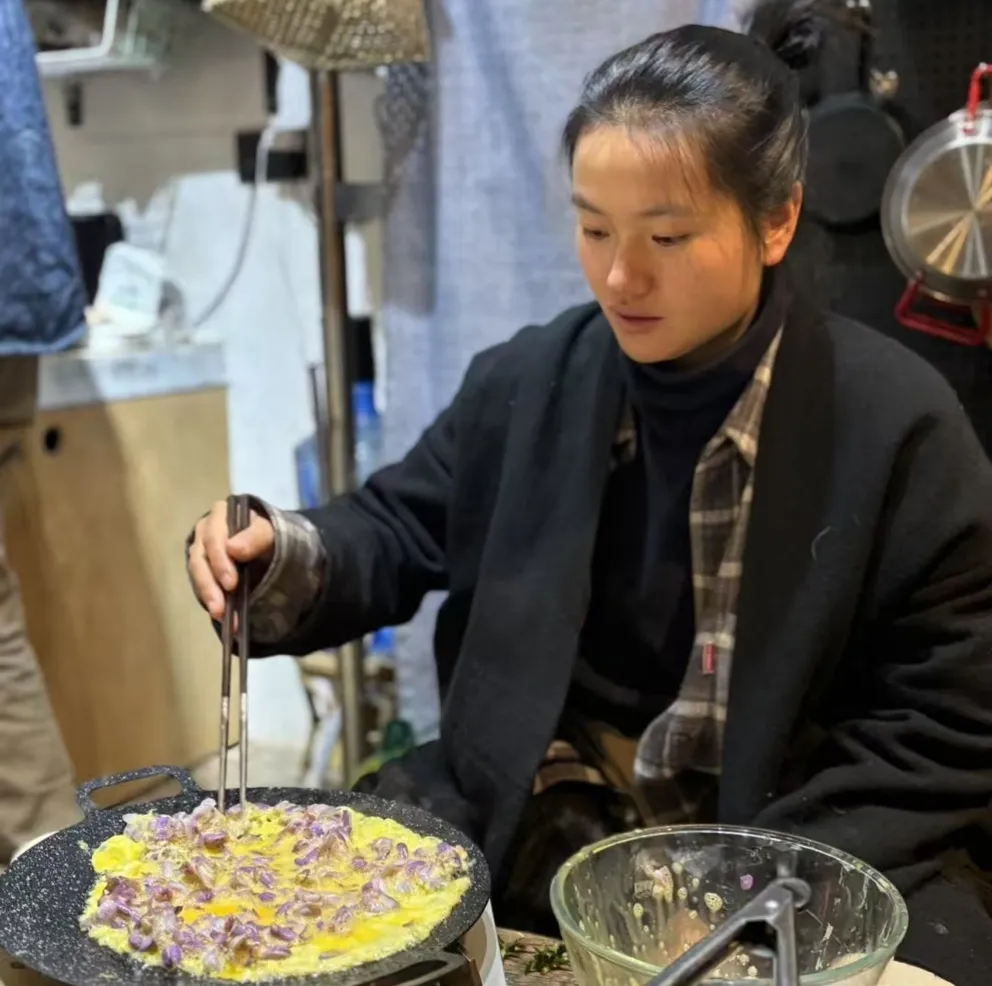
Six years ago, while foraging for mushrooms in Cangshan, we happened to meet Sister Songmei. Every day she and her sisters would come back with full baskets. At that time I knew nothing about mushrooms; she was my first teacher and told me which kinds they had eaten since childhood and which they did not eat. We gradually became familiar with each other. Later, as our mushroom-finding skills improved and we learned more theory, the mushroom-foraging experience also developed better and better. We no longer had the energy to cook at home while leading trips, and as more and more people liked mushroom foraging, we could not find enough tasty mushrooms within a limited route. When I was worrying about this, one spring, Sister Songmei invited me to pick wild tea in Cangshan. After descending, we went to eat in her courtyard. Her family still keeps the tradition of cooking on a firewood stove, and that day she also stir-fried jianshouqing mushrooms dried the previous year. Sister Songmei's cooking is different from traditional Bai restaurants (which tend to be heavy on oil and salt). Probably because of different habits, her cooking is very home-style and does not feel like a restaurant. That is also why our guests later liked it very much.
The meal generally includes:
1. Mushroom chicken soup 2. Stir-fried mushrooms 3. Dali farmhouse crispy pork 4. Stir-fried corn 5. Shredded potato 6. Seasonal vegetables. Six people per table (shared table).
The mushroom chicken soup is mainly made with white onion jianshouqing, and the stir-fried mushrooms are mainly porcini and other mixed mushrooms, such as milk-cap mushrooms. All the mushrooms are gathered that day on the mountain by Sister Songmei's mother and two sisters. To gather enough mushrooms to eat in Cangshan, they need to start up the mountain before dawn, on paths that ordinary tourists cannot easily reach.