包百吉
Oct 2, 2026
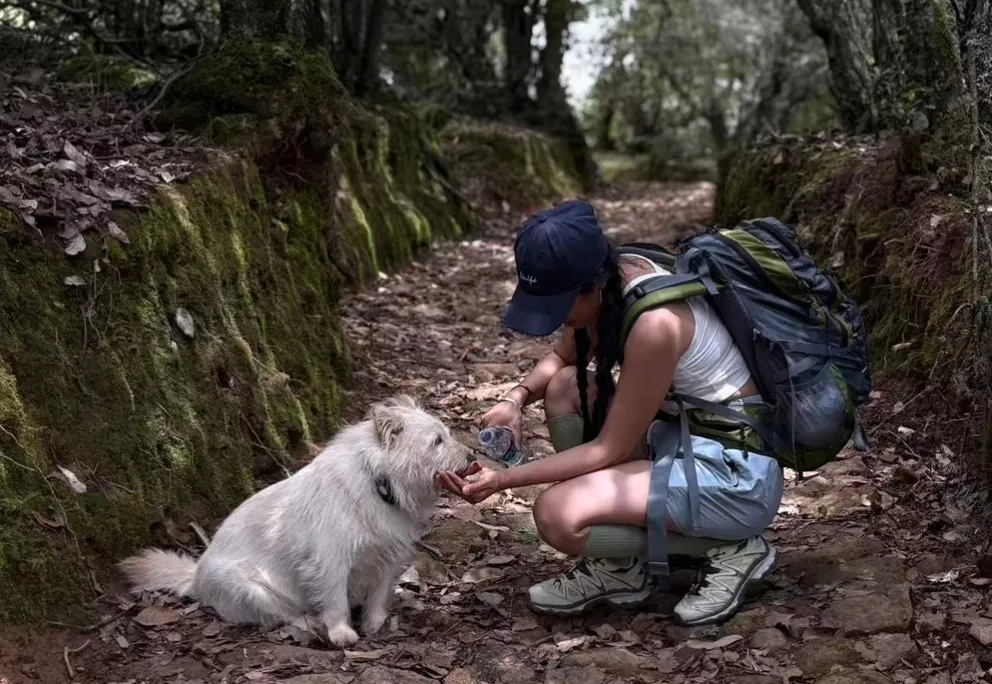
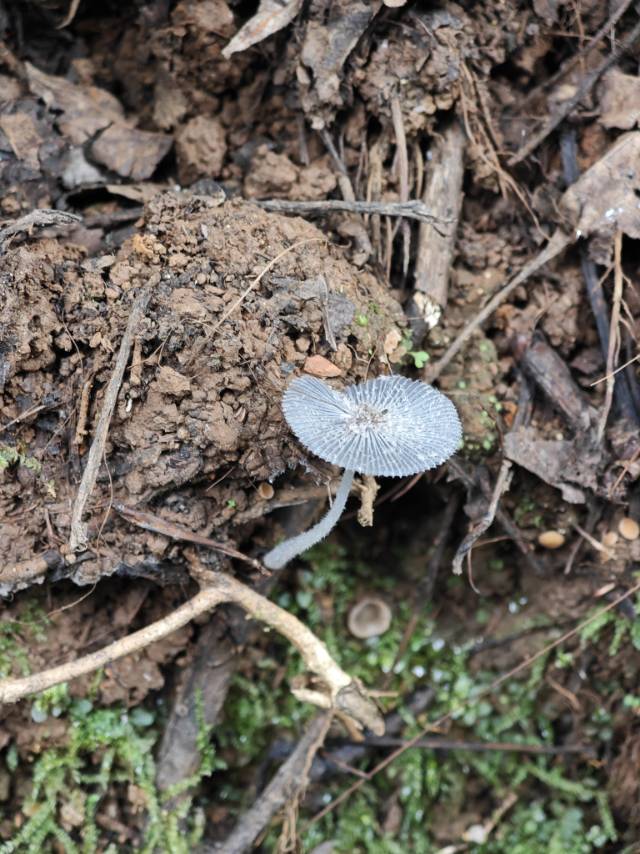
We saw many wild mushrooms, and the children also made their own little plant booklet. Teacher Wanwan was very patient and helped take care of the children the whole way.
包百吉
Oct 2, 2026
We saw many wild mushrooms, and the children also made their own little plant booklet. Teacher Wanwan was very patient and helped take care of the children the whole way.
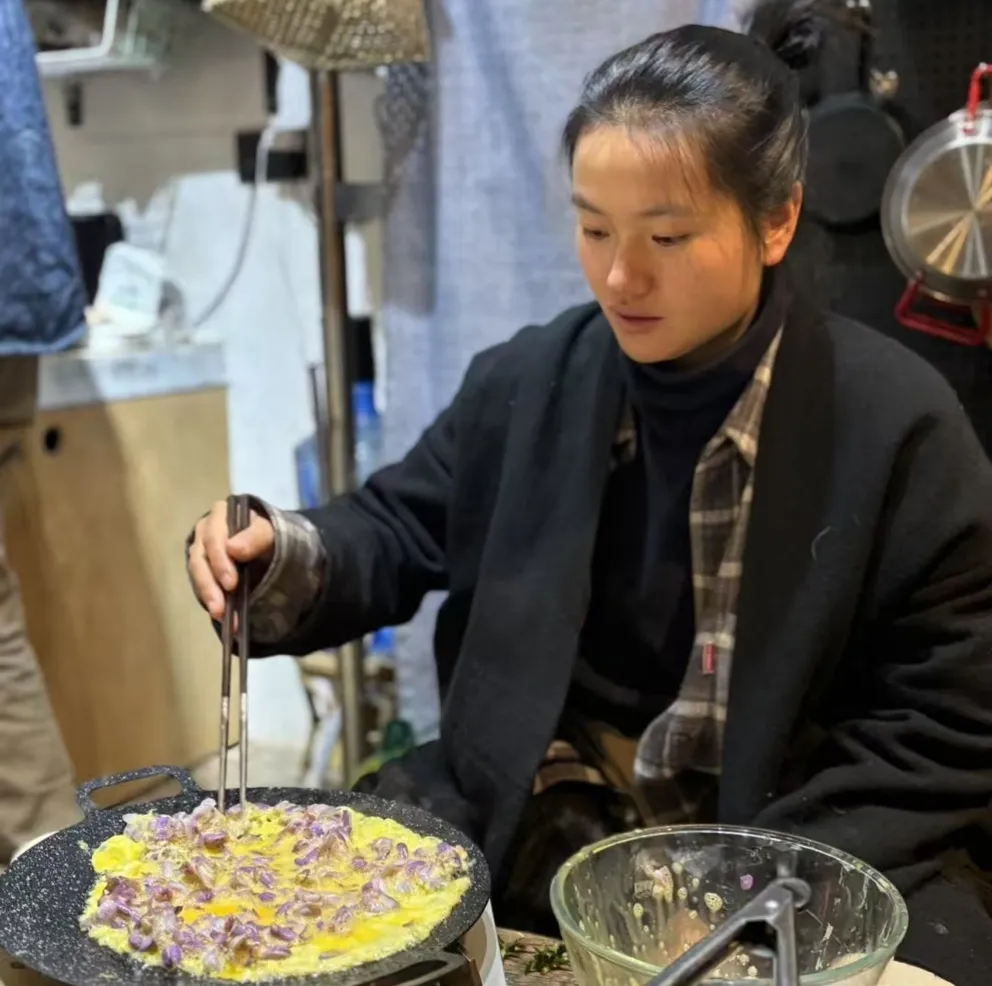
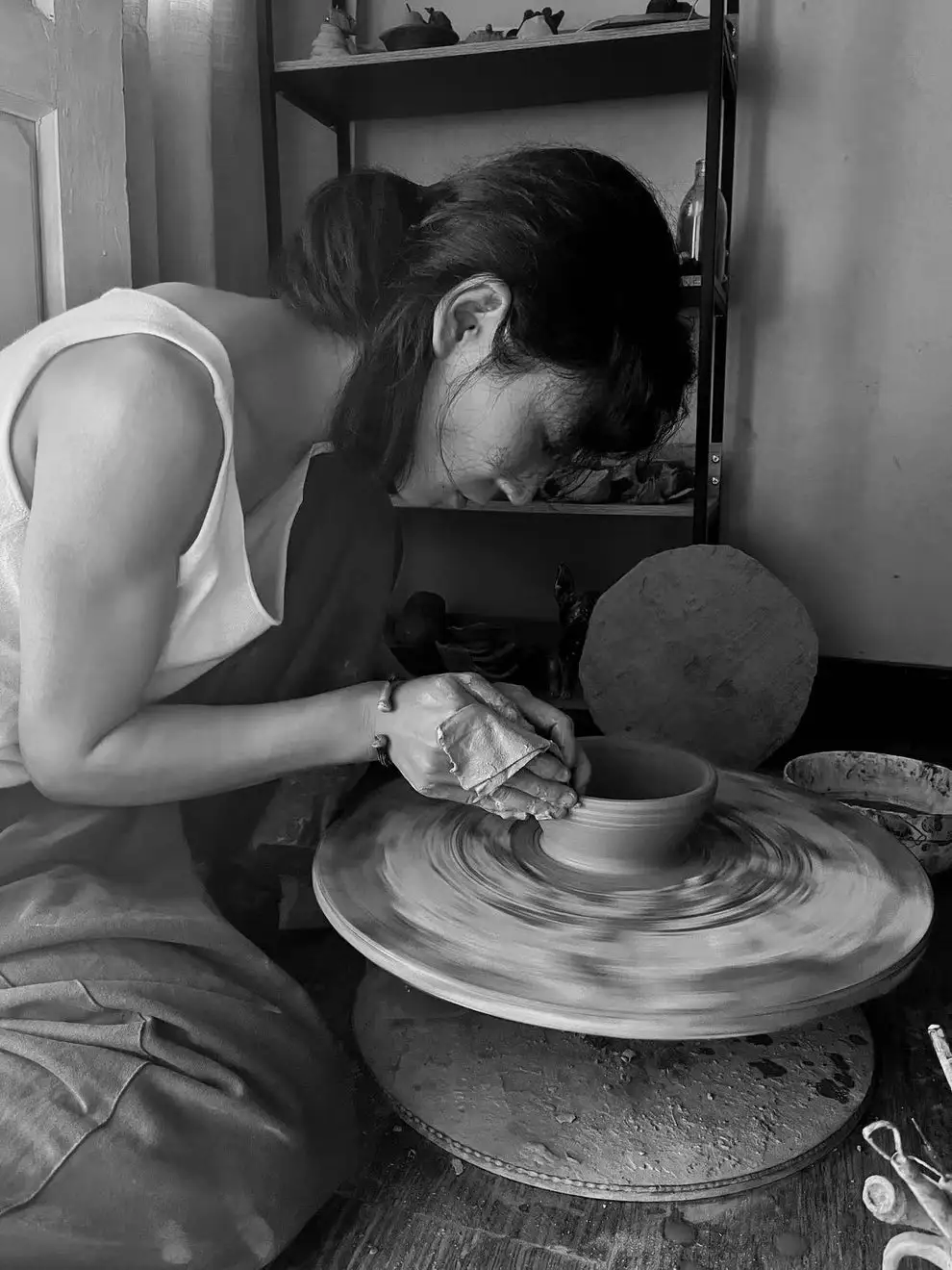
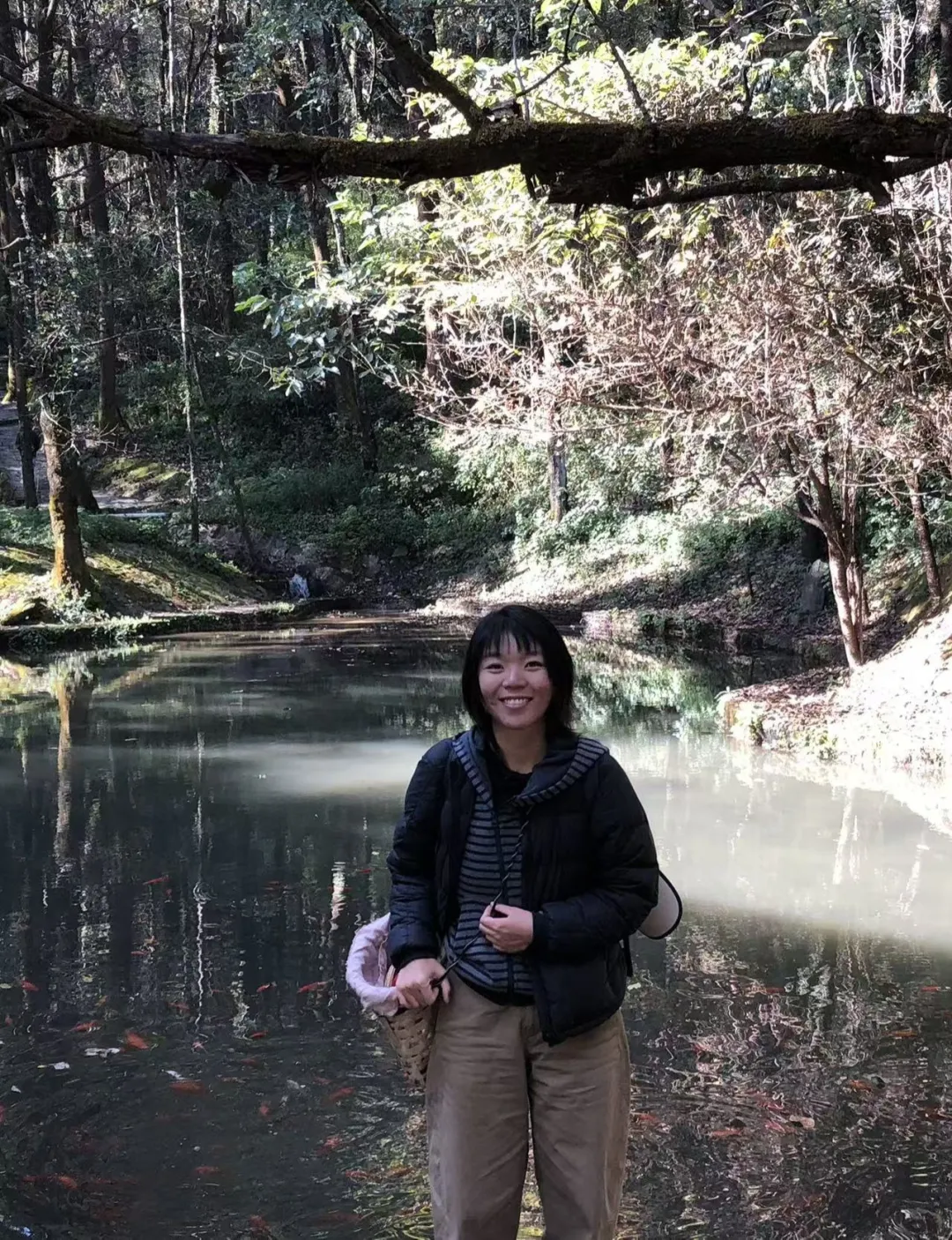
"I'm Xiaojing, and our favorite place is the forest. Throughout the year, the mountains hold different treasures: mushrooms in the rainy season, and pinecones, pine nuts, and ferns in autumn and winter. Each season has its own flowers and plants. The girls in our foraging group always go up the mountain, and no matter the season, we can find something new.
Hiking distance: a total of 3 kilometers of mountain trails, with an elevation gain of about 200-350 meters (there will be steep slopes).
If you love the mountains and wilderness, you are welcome to join the girls in our foraging group to go up the mountain and seek treasures.
Trip duration: about 3 hours. There are two routes, and we will adjust according to the guests' physical strength.
If you enjoy strolling in the forest and looking for seasonal treasures, then this is suitable for you.
Xiaojing: Over the past 5 years, I have spent more than half of my time in Cangshan. The mountain has a pleasant scent, and the plants change with time. Newly blooming wildflowers often surprise me; a few days ago they were still hidden by leaves.
Having experienced these changes, I feel closer to Cangshan, and sometimes I even feel like I have become a part of Cangshan.
This is a light hiking route focused on foraging.
We will prepare a unique small journal, and you can put the plants you like that you collect along the way into the journal and take them home. We have chosen lightweight and absorbent handmade paper, which is also convenient to carry during travel. We hope it will be a natural gift from Cangshan.
Plants you may encounter along the way include: aromatic white珠, fleabane, Chinese sumac, dwarf lilyturf, horsetail,头花蓼, golden buckwheat, ferns, different varieties of rhododendrons, Urena lobata, Elaeagnus,石海椒, Dicranopteris, Gnaphalium, shepherd's purse, wild vetch, Japanese teasel, firethorn, sandalwood, lemongrass, Ageratina adenophora, verbena, and so on. (They appear in different seasons.)
Spring (April-May, pick some wild raspberries along the way):
The entire route has an elevation gain of about 200-350 meters, which is not particularly easy, but everyone's physical strength is different, and the definition of easy is also different, so please judge for yourself. The youngest age on record for this route is 3 years old, but she is very strong and not delicate.
This route will show you fields and the crops that villagers plant at different times (sometimes the route changes and goes into the forest).
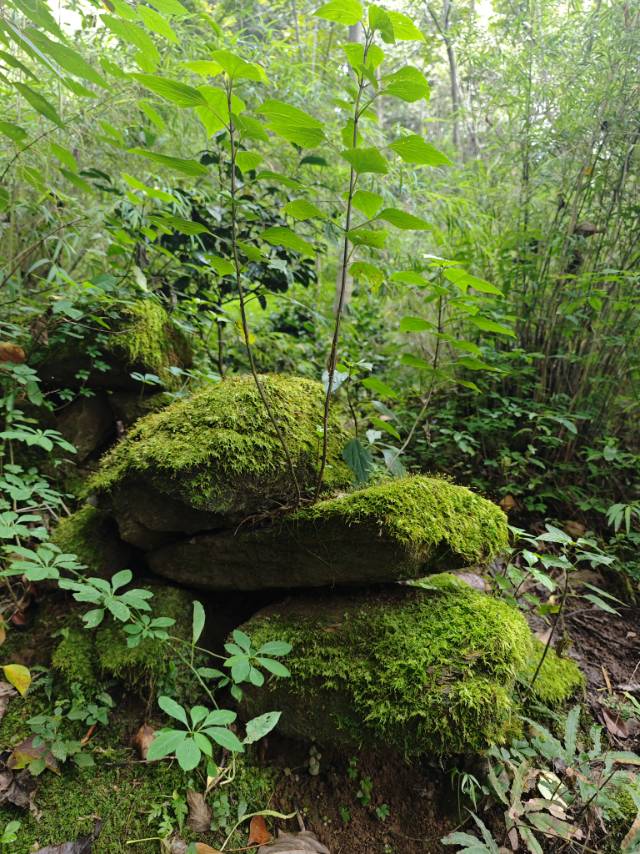
After crossing the fields, you reach the hillside, where you can get an overview of the farmland, village, and Erhai Lake. Going further up, you enter the real forest.
Passing by unattended wild tea, lush large ferns, and if you have good stamina, you can find pinecones and plump pine nuts fallen in the pine needle carpet. Smell the aromatic plants in the mountains that can be used to make essential oils.
In spring, rhododendrons of several colors will gradually bloom one after another. In May, wild berries will gradually ripen, and you can occasionally pick and eat them when passing through the fields. Pinecones can be picked all year round.
Rainy season (June-October) occasionally encounter mushrooms:
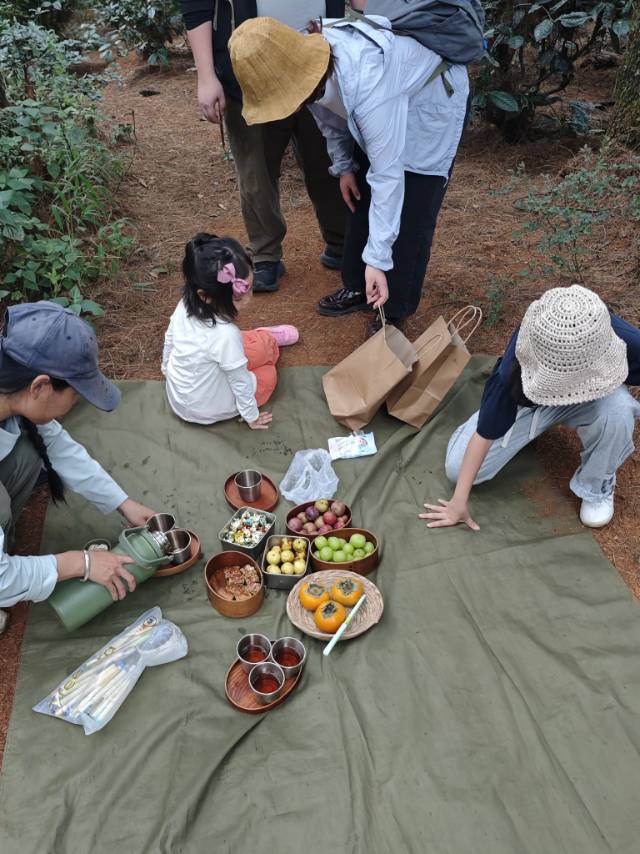
We will prepare tea breaks and enjoy them together with everyone while resting in the mountains.
Some mountain entry records:
Photos
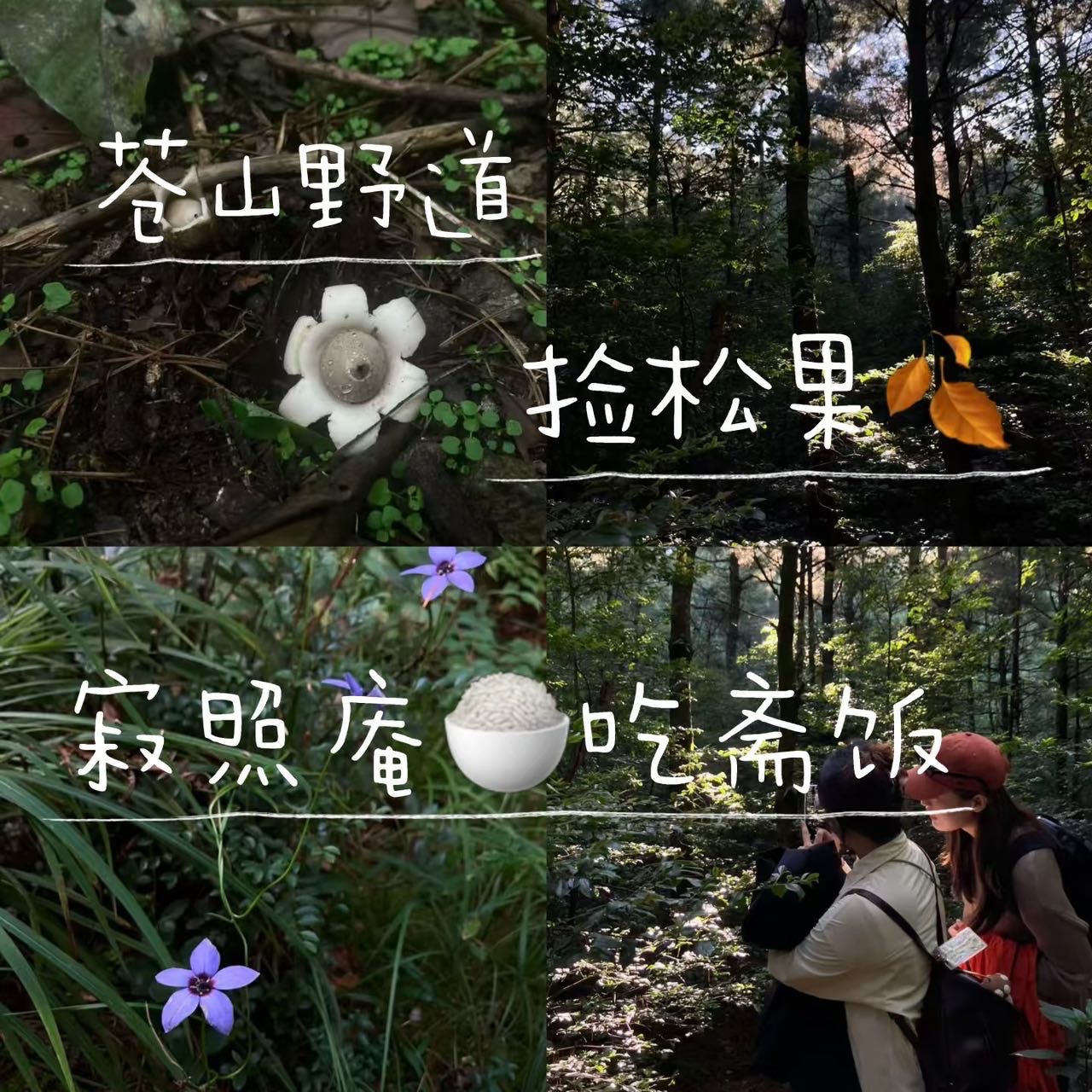
A half-day forest trip on the wild trails of Cangshan near the ancient town, departing in the afternoon. The total distance is about 4 kilometers with an elevation gain of 350 meters. In the rainy season you can look for mushrooms, and in autumn and winter you can collect pinecones. After descending, you can go to Jizhao Nunnery for a vegetarian meal.
4 hours
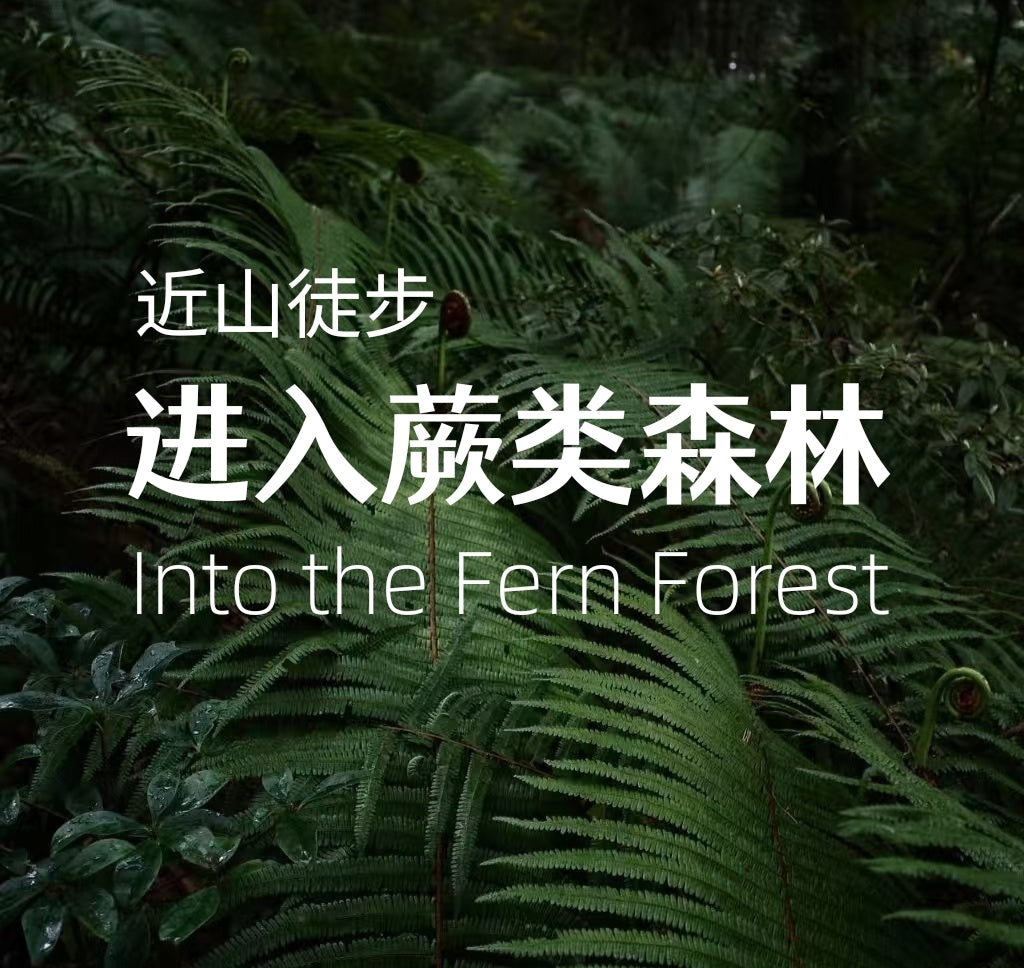
Meet about 5 kilometers north of the old town and set off. The total route is about 4 kilometers. Walk slowly through a forest where ferns grow as lushly as waterfalls, and learn about ferns of various forms, spores, and habits. The intensity is moderate, suitable for travelers who want to experience Cangshan nature without getting too tired.
4 hours
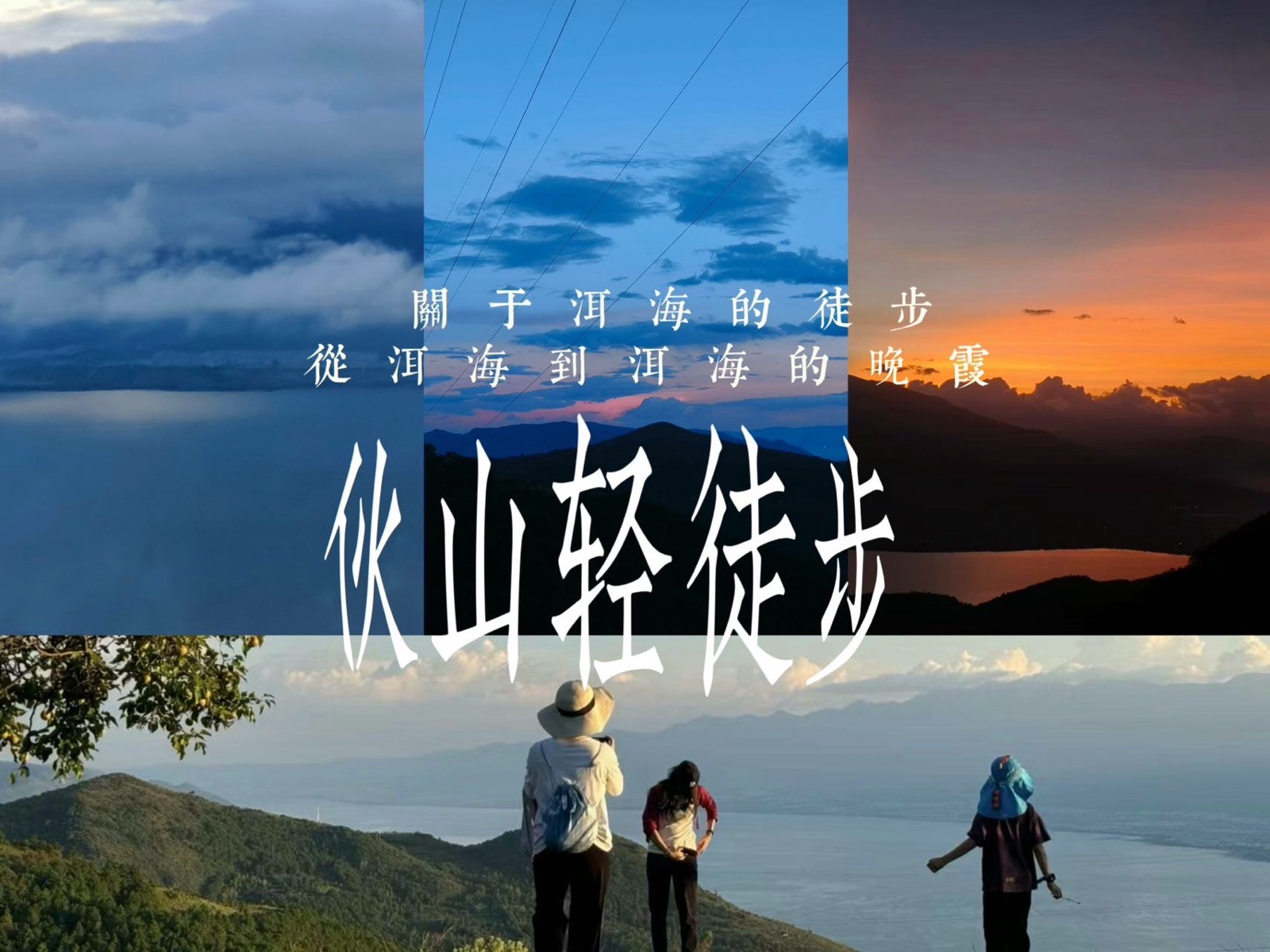
Huoshan is near Shuanglang, about 55 kilometers from the ancient city, a 1.5-hour drive. Depart in the afternoon, drive half way around Erhai Lake to reach the trailhead. Hike an easy 2.5 kilometers to watch the sunset glow over Cangshan and Erhai (picnic on the hilltop), then return to the ancient city in the evening.
5.5 hours
A wild foraging route near the ancient city, about 3 hours, roughly 3 kilometers in total. Join the foraging group to learn about seasonal plants; in the rainy season you can look for mushrooms (no mushrooms from November to June). In autumn and winter, collect pinecones and fruits. Suitable for families with children aged 4 and up for an easy uphill walk.