Activity details
"Going to Nuodeng is a journey deep into this thousand-year-old village: entering through a hidden entrance, staying with local families, exploring the cultural relics left by their ancestors in the back mountains, witnessing the lives of the salt well households, and tasting the ham they produce. We will make this trip touch the imagination of this land's history. On the second day, we drive over the Dachong Mountains, deeper into the forests and valleys of Yunlong, strolling through highland meadows and pine forests. On the other side of the ridge, there lies a valley utterly different from Nuodeng..."
Itinerary:
Day 1: depart at 13:00; Day 2: return to Dali around 20:30.
Distance from Dali to Nuodeng: 150 km (2-hour drive).
Cost includes: round-trip transportation, travel insurance, one night's accommodation, and three meals (Dinner on Day 1, Breakfast on Day 2, and lunch on the road and dinner on Day 2) – meaning no other expenses.
Accommodation: default is two people per room; if you need a single room, an additional 75 yuan per room is required.
Due to the long distance, a minimum of 2 participants is required for this trip.
If the available date does not suit your schedule, please consult me (WeChat at the beginning of the article).
-------------------------------------------
A few days ago, I went to Nuodeng with 8 leaders from different groups to confirm that this route is truly wonderful, because both those who had been there before and those who hadn't discovered a richness of beauty they had never seen before. For me, it was my fourth visit to Nuodeng (previously, for non-work reasons, I had visited this once hard-to-reach mountain village three times, which shows its appeal). This season coincides with the fiery red lacquer trees scattered on the hillsides behind the ancient village and in the nearby valleys. With the evening sunset and the backdrop of ancient architecture, all of us were amazed.
Here's an overall view (photo by He Chen).
Part 1
Part 2
Starting over a thousand years ago, this village hidden in the valley was an important town on the Salt Horse Ancient Road. In the Song Dynasty, it was one of the seven salt industry promotion offices in the country. The salt produced here was transported to various parts of the southwest, to the borders of Sichuan and Yunnan, and also reached Tibet, serving as an important supplement to the Tea Horse Road commercial network. Because of its historical prosperity, it left behind rich historical architecture and cultural heritage. However, the advent of modern sea salt caused Nuodeng to rapidly decline economically, but on the other hand, it also preserved the traditional architecture and lifestyle. The village along the hillside is not accessible by vehicles, and goods are still carried by mules and horses along the thousand-year-old stone paths that wind through the village to every household.
Not only has the architectural complex been preserved, but because of its history as a salt-producing area, the tradition of curing "Nuodeng ham" formed over time has also become the main livelihood for the villagers of Nuodeng today, aside from tourism. Whether it's boiling local salt or every household using Nuodeng salt to cure ham, salt continues to nourish the descendants of Nuodeng village.
Let’s talk about what makes our route choices different and why someone would want to join.
Day 1
How we enter Nuodeng:
Although an average person can also get there by entering through the visitor center and strolling around the main attractions, the experience is relatively limited. Our itinerary avoids the tourist area, instead winding up the mountain from the other side, passing through natural villages, overlooking the majestic valleys and distant mountains, and reaching Nuodeng via uninhabited mountain paths. Different ways of entering bring completely different experiences.
Companions on the way up the mountain
The scene upon arrival: the first glimpse of Nuodeng
Exploring the depths of Nuodeng:
We stay in the village, so when we hike to the ancient building complex on the back mountain, we naturally pass through the village’s winding paths and households along different routes, and take leisurely walks to explore fields and slopes that ordinary visitors don’t reach.
We arrive at the most beautiful and unoccupied times, and learn about the history and evolution behind these ancient buildings (Yuhuang Pavilion, Confucian Temple, Martial Temple). The heritage sites have their own silent beauty, but the imagination brought by understanding the past is the soul:
Living the daily life of Nuodeng people:
Compared to trendy hotels, we stay in an ordinary local home. The host, Sister Fang, is a local with a cheerful personality. The first time I stayed there, she shared some chicken with us for dinner, saying, "Today we happened to have some; otherwise they fly up into the trees and can't be caught that day." The house is divided into three levels. At the highest is a small shop; the entrance faces the street leading to the big banyan tree. Down a steep staircase is the family's courtyard and kitchen, which still uses a traditional wood-burning stove. Outside the door is an alley shared with neighbors. Passing through the alley and continuing down is the guest area. There is a small platform with tables and chairs. This is a very typical Nuodeng architectural layout, like terraced fields on a hillside—each level independent yet progressing downward. Our dinner was also at her home. The kitchen's earthen stove was lit with firewood, and she cut some ham, cooked a few vegetables—simple but delicious.
Although it's an ordinary home, the guest room is clean and tidy with a good view. What you see from the room window:
Day 2
After breakfast, we venture deeper into the mountains of Yunlong County, crossing the watershed between the Bi River and the Lancang River to reach Jiuzhou. The winding mountain roads lead us to the uninhabited pine forest of Dalangba. Dalangba is located in a high-altitude, cold mountain area with cool alpine meadows, surrounded by tall Yunnan pines. Strolling through the clearings and paths among the pine forest, people and people, trees and trees, all leave space between one another.
Leaving Dàlàngbà, our car crossed the rugged ridgeline at the summit of Dàchóngshān and entered Jiùzhōu in Yúnlóng. Dàchóngshān is an important part of the Bìluó Xuěshān mountain range of the Yúnlǐng mountain system, running from north to south, drawing a magical dividing line between Nuòdèng and Jiùzhōu. We crossed the pass, bidding farewell to the cool, dry air of the Nuòdèng mountain area, and welcomed the warm, humid air of the deeply cut Láncāng Jiāng valley on the west side of the ridge. Two places, yet winds of two different flavors.
At this moment, I suddenly thought that the Nuòdèng activity, which was launched last year, has finally found its best way of presentation. Looking from above at the valley brimming with spring, I realized this is the Yúnlóng I want to bring everyone to.
Near-Mountain Hiking
Photos
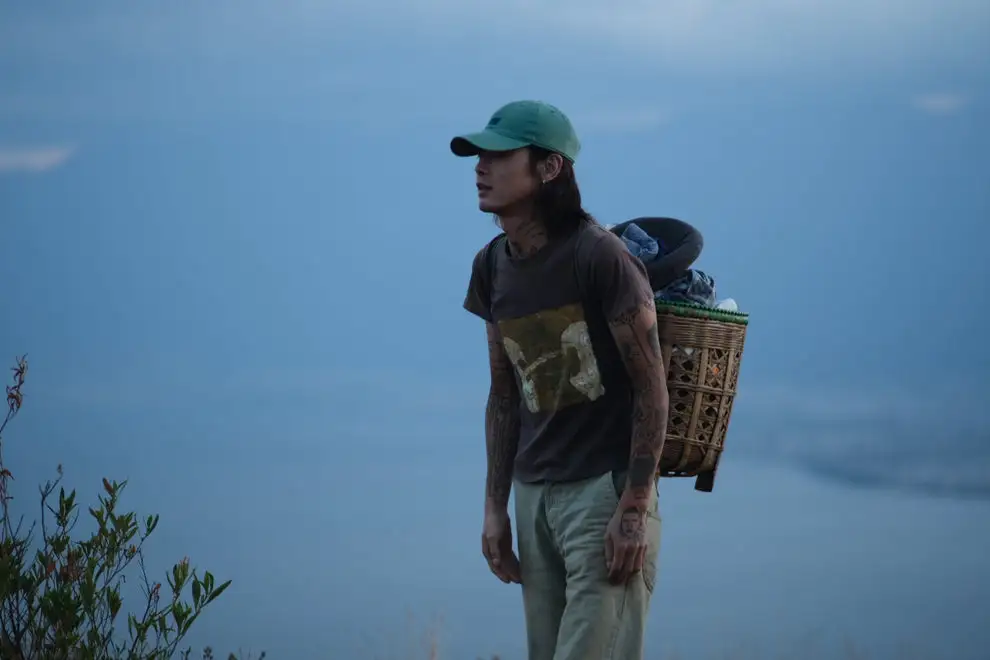
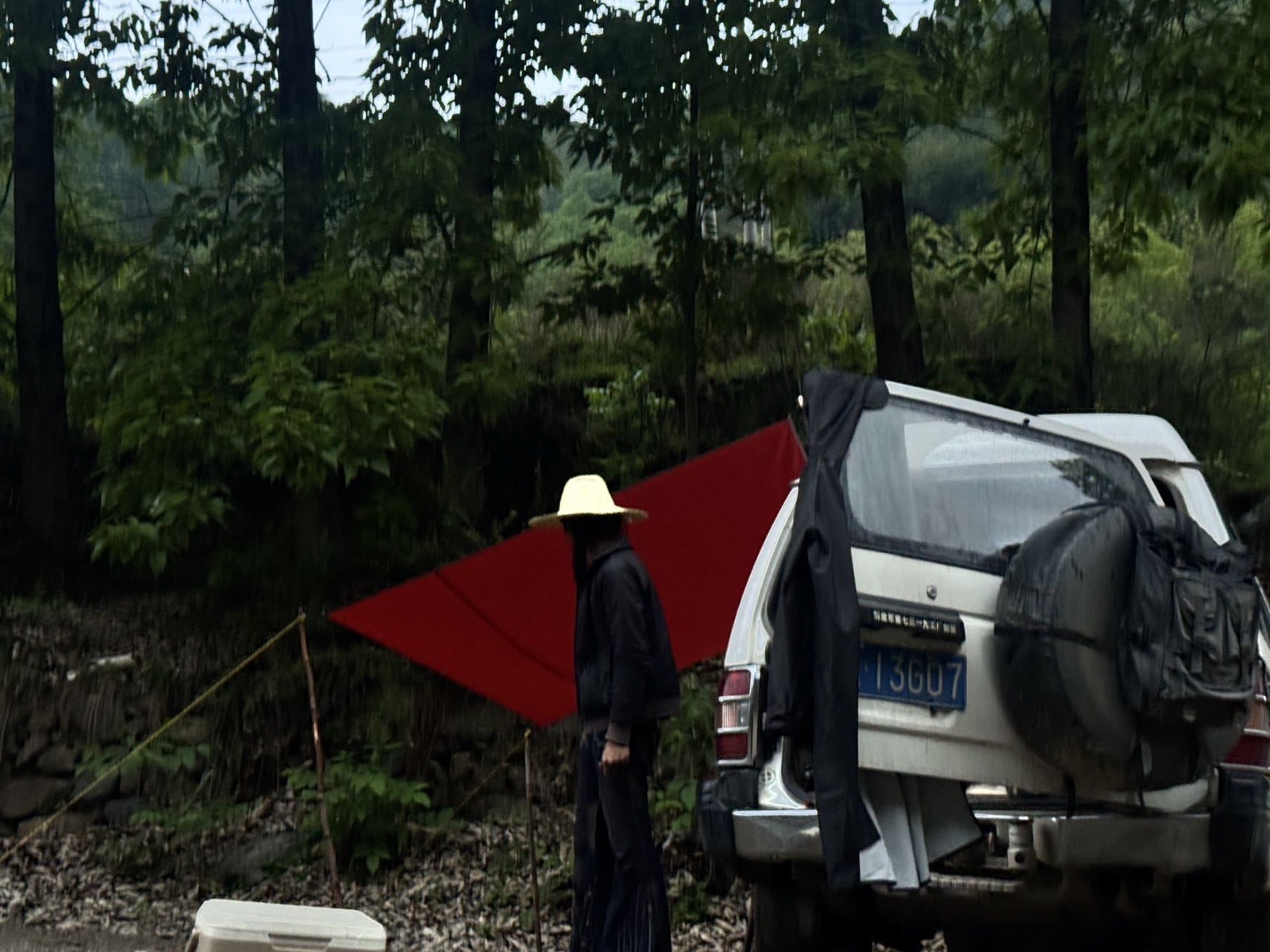
Your guides
People who booked this also liked
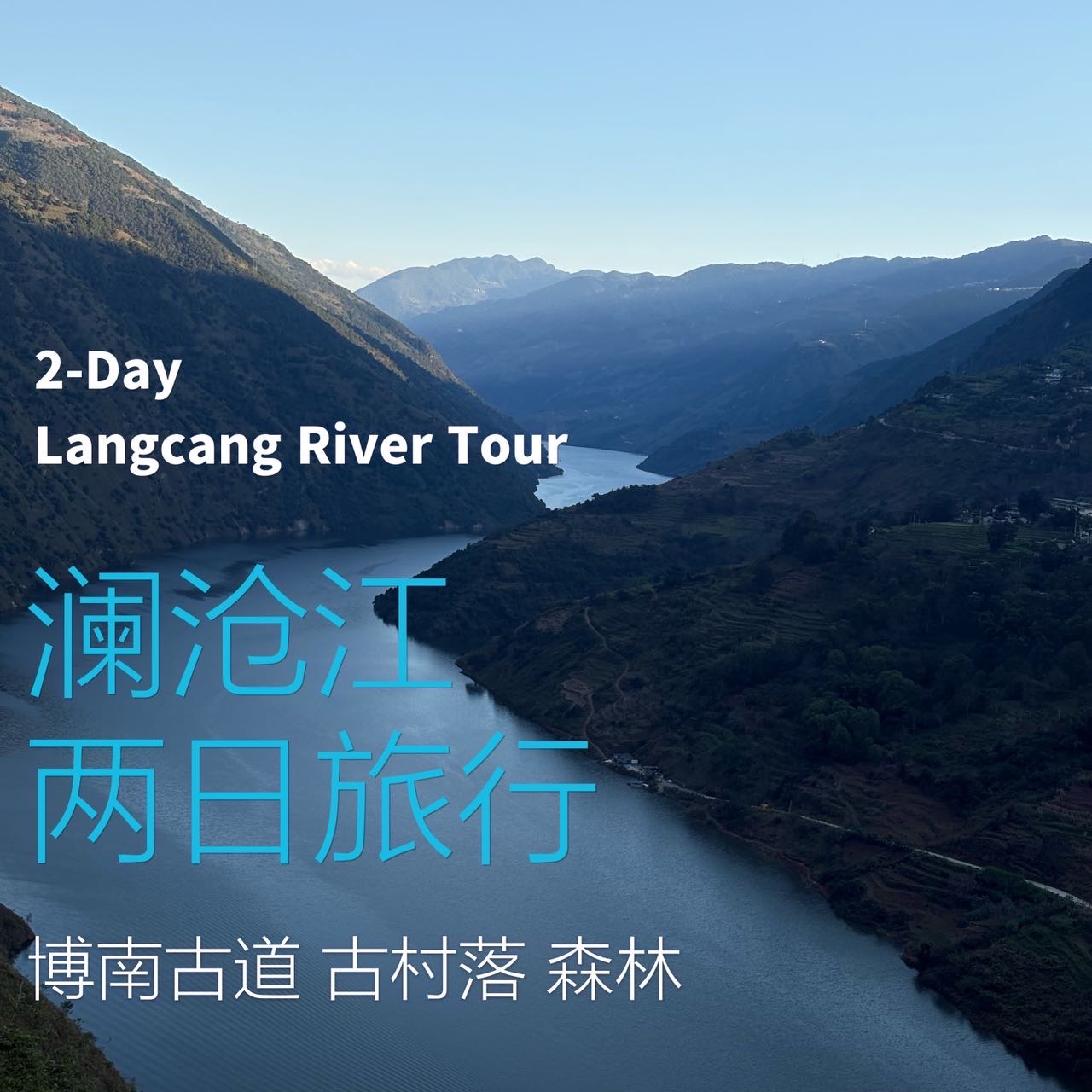
A two-day trip along the Lancang River | The great river, ancient roads, villages, and forests
Meet near the ancient city, then drive about 2 hours and 40 minutes to the Lancang River. The two-day itinerary connects the big river, the Bonan Ancient Road, villages, and forests, including accommodation, transportation, and local exploration, suitable for those who want to see a deeper Yunnan.
7 hours
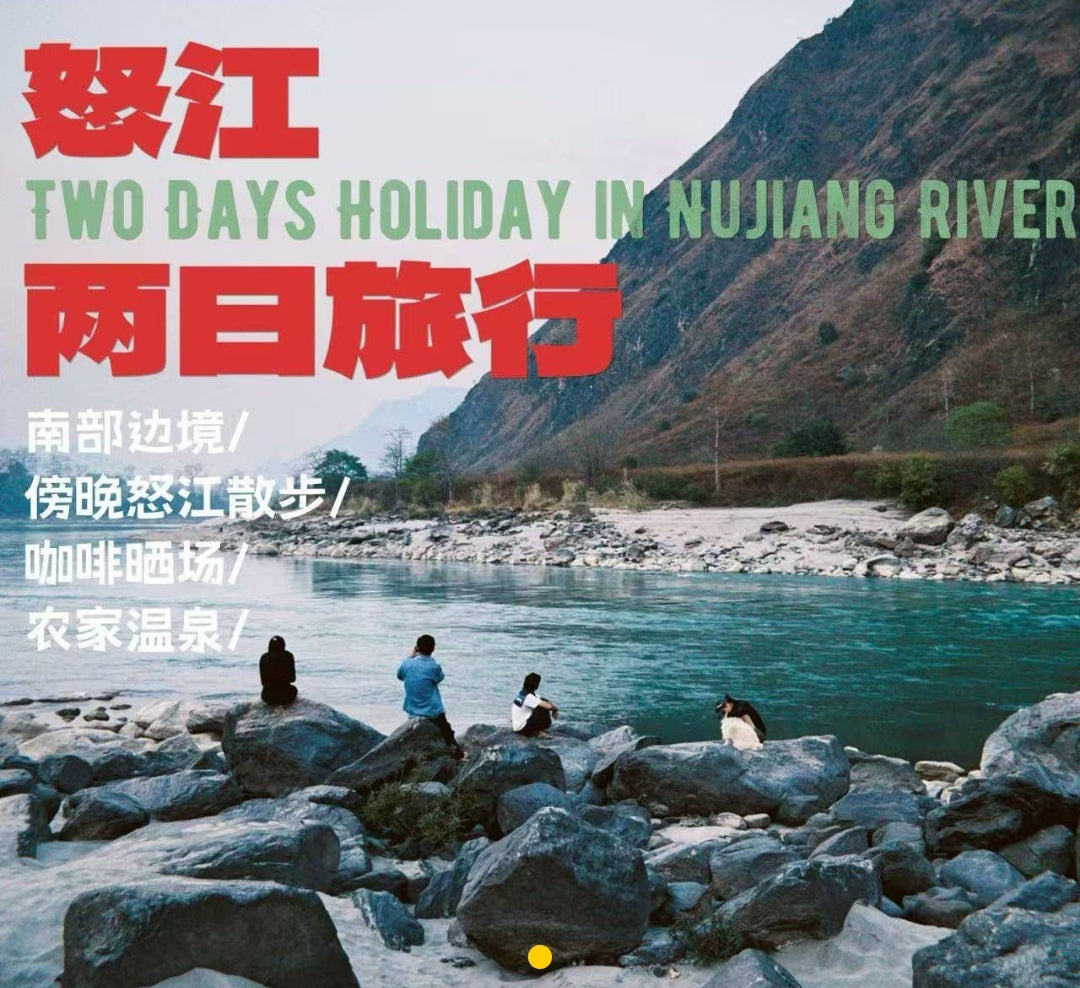
Nujiang 2-Day Trip | Coffee Drying Yard, Southern Border, Hot Springs
Starting from Dali, this two-day trip goes deep into the Nujiang area with a long drive. The itinerary passes through a coffee drying yard, Mangkuan vegetable market, Nujiang river beach, border scenery, and hot springs. It is suitable for those who want to leave the old town and see the life of southern Yunnan.
9.3 hours
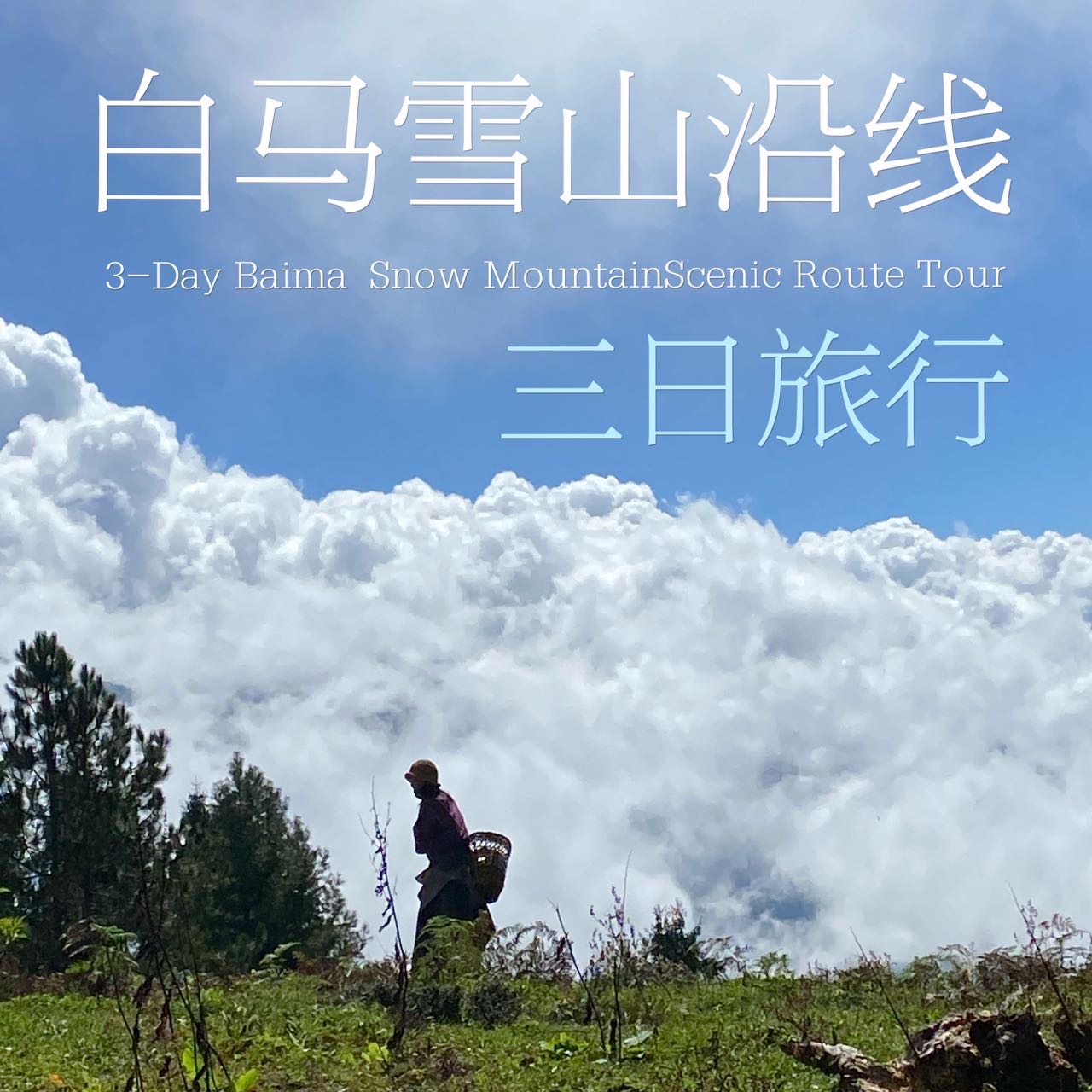
Baima Snow Mountain Route (3-Day Trip)
Traveling along the Baima Snow Mountain route is a landscape we have long wanted to present to you, and we have been planning it for a while. There, you can not only visit century-old temples and exotic churches, but also experience the simple life of Tibetan families, stroll through primeval forests, gaze at the continuous snow peaks from afar, and encounter diverse and blended cultural customs. With magnificent scenery and rich experiences, it will be an unforgettable journey in the Tibetan region.
11 hours
The Journey of 'Nuodeng Yunlong' | Into the Deep Mountains of Yunlong
Ask the guideWeChat:GunYhh,Tap to ask directly...Nuodeng is about 150 kilometers from Dali, roughly a 2-hour drive. This two-day trip into the ancient Salt Horse village includes staying with local families, walking hidden trails, and exploring the old village, salt wells, and mountain life. Ideal for fans of historical villages.
- Meeting point
- Simple Stone Bakery Open in Google Maps