Jin
Jul 24, 2026
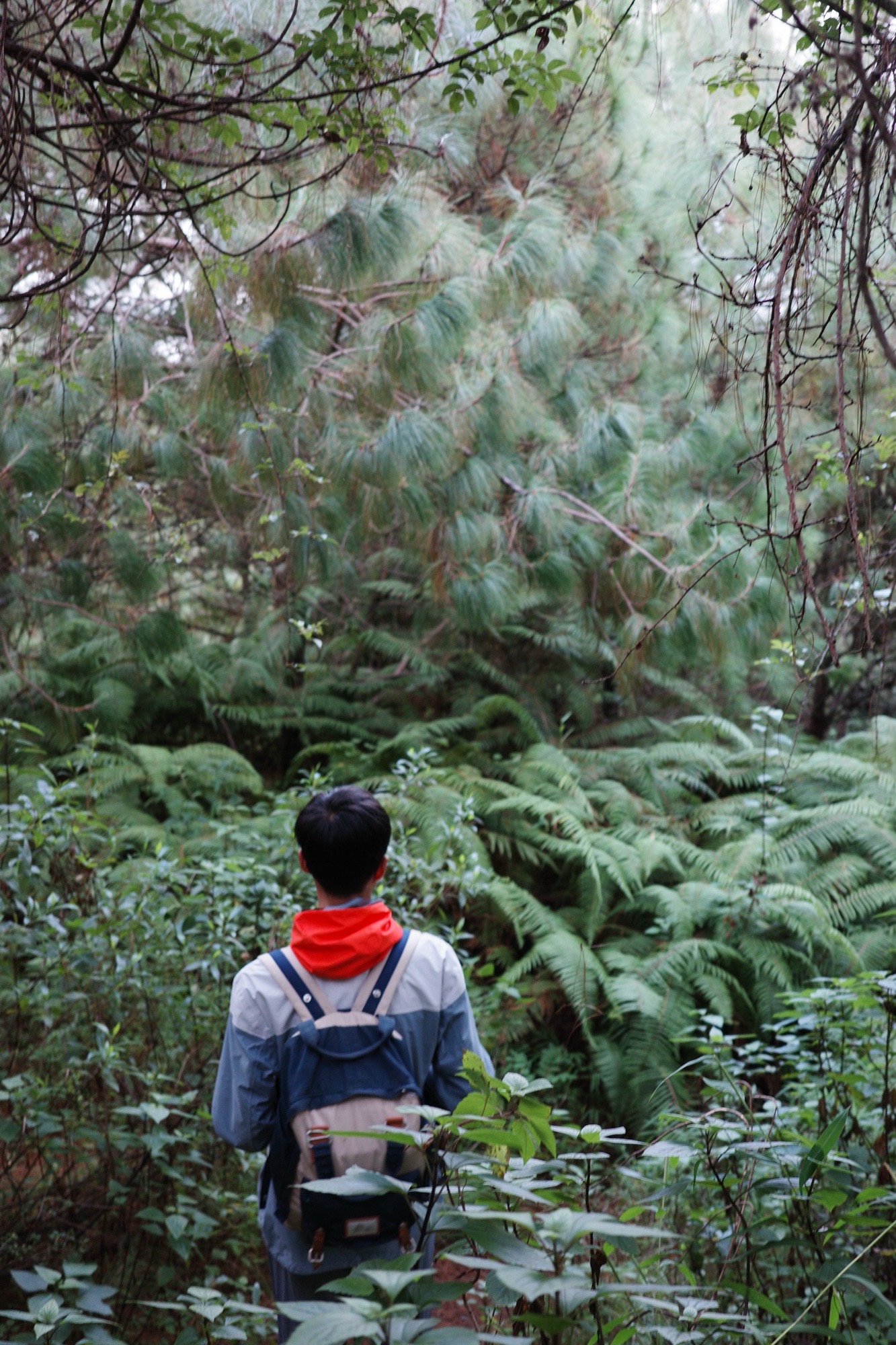
This is a combination of culture and hiking. The Ming Dynasty ancient building complex is fascinating. Fengyu is a great place. Besides cultural strolling, it also requires a bit of physical effort.
Jin
Jul 24, 2026
This is a combination of culture and hiking. The Ming Dynasty ancient building complex is fascinating. Fengyu is a great place. Besides cultural strolling, it also requires a bit of physical effort.
After visiting Fengyu twice in a row, we were captivated by its simple rural beauty. This is a spontaneous countryside trip, and we hope to share the beauty of its streets, forests, fields, and ancient architecture with everyone, and we hope it will become a special Dali memory for you.
Activity Arrangement:
The activity requires a minimum of two people.
The light hike is of low intensity, suitable for adults and children over 4 years old.
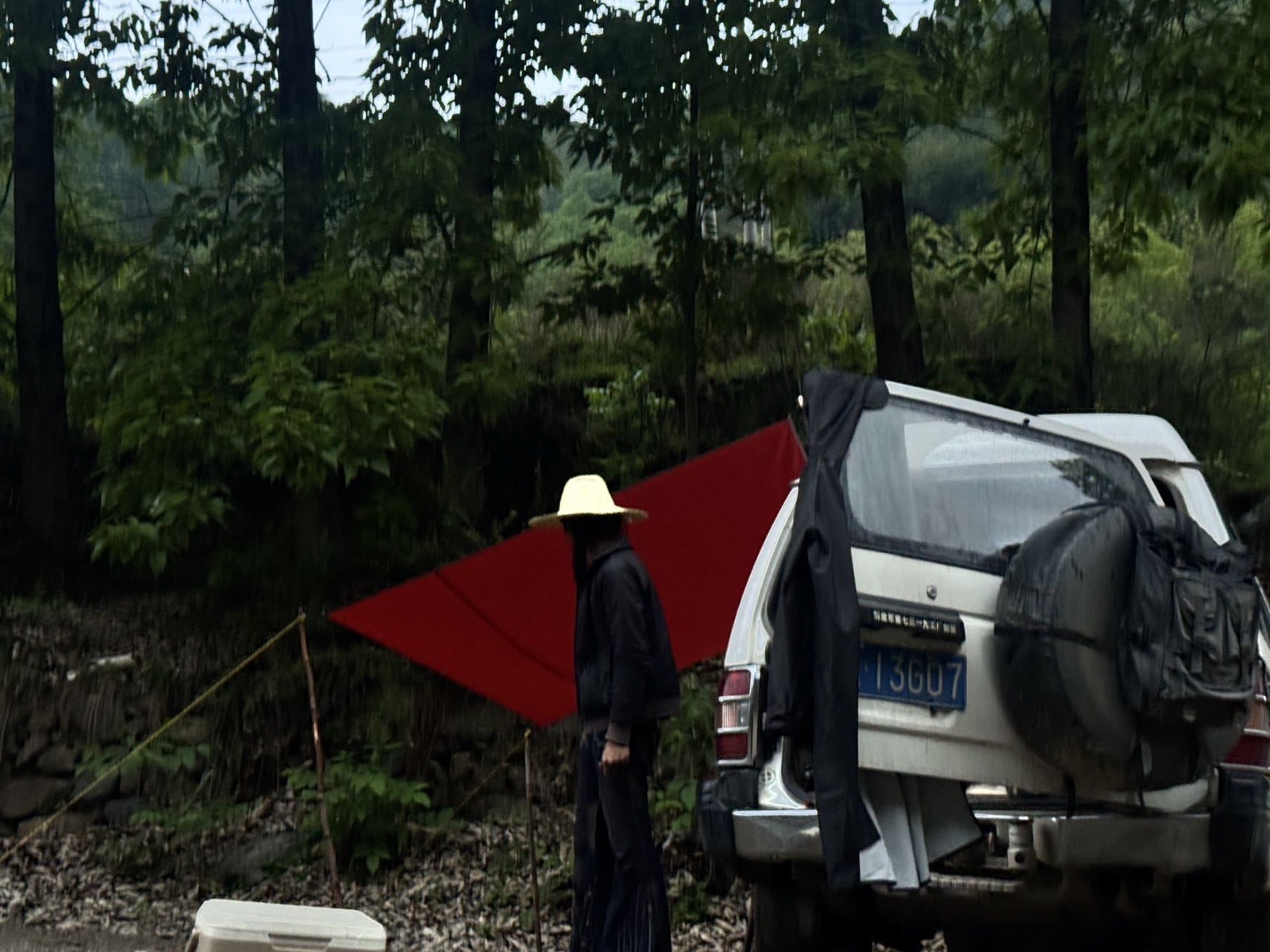
Departure time: 10:00 AM, about 1 hour and 30 minutes by car to Fengyu, where you will have a simple meal with the guide in the town. During the hike, the guide will prepare tea, snacks, and fruit.
Return time: 6:00 PM.
At noon, we will have local stir-fried dishes at a local restaurant in the town (included in the activity fee).
The fee is per person, same price for adults and children, no group discount.
Record of Fengyu Countryside Trip on July 5, 2026:
The record has been added to the activity.
The record has been added to the activity.
In March, bypassing Cangshan, driving into the Fengyu Basin, on the hillside of Qifeng Village, looking from afar, the village aunties are bending over to harvest rapeseed, the bean trellises by the road are starting to climb with vines, and the rice fields have been planted with seedlings. Before our eyes, Fengyu, deeply dependent on the land, displays the spring plowing scene year after year, season after season.
Every season we come to Fengyu, its fields are indeed like a scroll painting that changes with the solar terms, each season has its own main color and vitality.
During spring plowing, golden rapeseed fields spread around the village, interspersed among the greening broad bean fields, mules and horses begin plowing, and the flooded rice paddies, viewed from the mountain top, look like mirrors.
In midsummer, rice and corn grow wildly on the Fengyu Basin, a rich green.
And around the autumn harvest when Xiaoqi, Yangmi, and I first visited, the aunties and threshing machines were busy in the fields, the sky was deep blue, my van drove through the yellow-green fields, passing sheep, passing the bare tobacco stalks after picking and the aunties busy harvesting corn.
The first time we came to Qifeng Village was in September last year, when patches of white thatch grass grew around the village. We stood on the road by the fields, looking from afar, the white thatch grass swayed like layers of glowing mist in the afterglow of the sunset. At that time, we drove towards the village without any resistance.
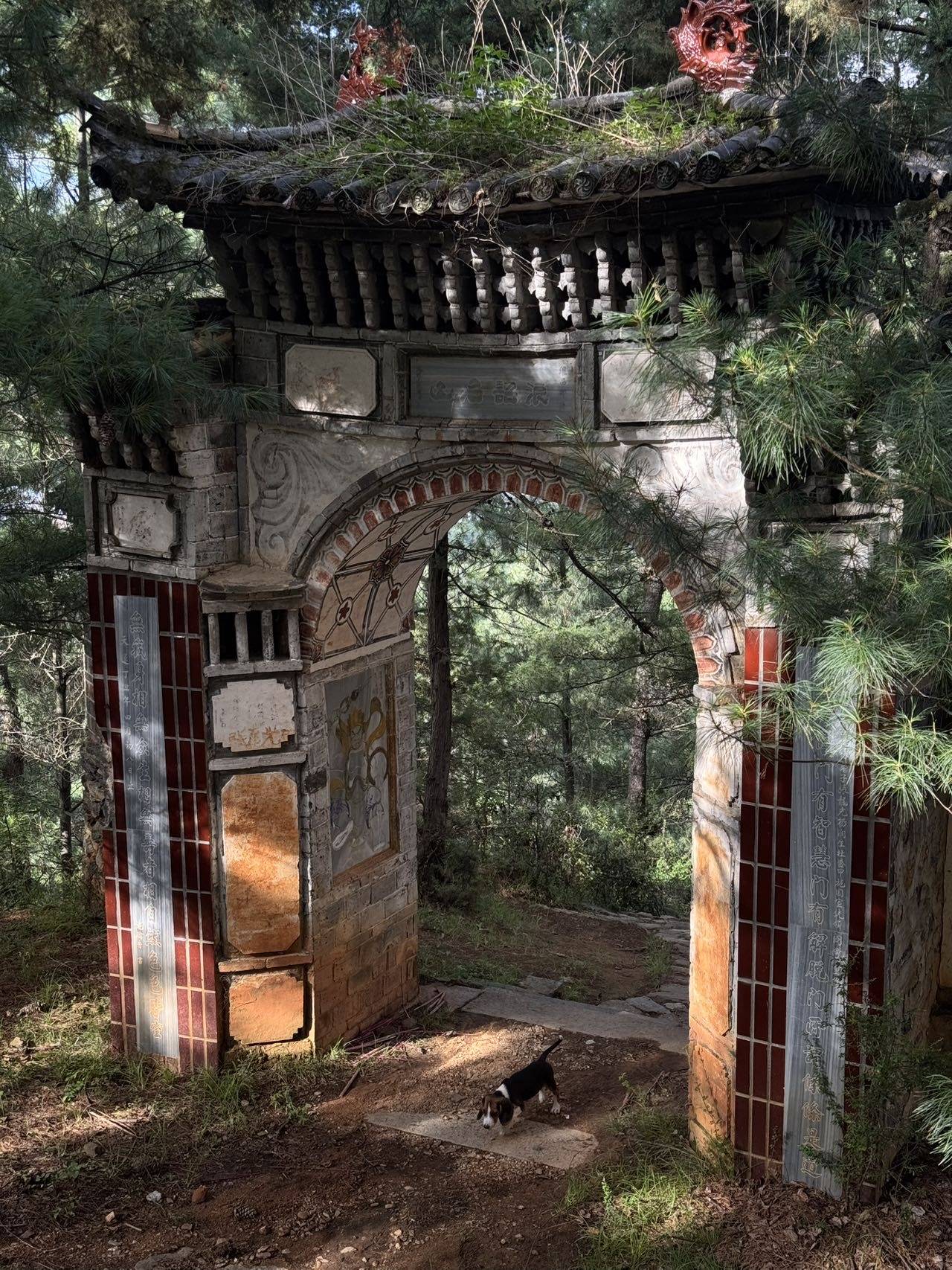
This time, we specially visited Lingjiu Temple in the village, an ancient temple first built in the Ming Dynasty. After repairs, the temple still retains the "Lingjiu Temple Stele" erected in the fourth year of Hongzhi of the Ming Dynasty. The inscription records the history of the villagers rebuilding the temple more than 700 years ago.
When we arrived, the village uncles were chopping wood in the courtyard. When asked why, they said it was preparation for an upcoming Dharma assembly, which is both tradition and daily life.
Entering here in this way gives the illusion of coming to a paradise, but calling it a paradise is not an exaggeration.
After lunch at the restaurant in the town, we went to the forest to visit an ancient temple complex.
On the pasture meadow halfway up the mountain, a passing cowherd pointed to the tallest tree in the distant forest and told us there is a path leading to a mountain temple. This is an ancient temple complex located in the forest. All temple doors are closed, but through the narrow door cracks, we can glimpse the Buddha statues with lowered brows and smiling faces. There is a forgotten humility here, a bit deserted, but very special.
It is already the master here.
Xiaoqi kept praising the couplets and inscriptions here, feeling that their words are concise but with profound artistic conception. They are hidden in various corners. When you come here, you can also look for them and try to appreciate them.
This is a route discovered by chance, allowing us the opportunity to leave Cangshan and visit this "paradise" composed of fields, forests, and ancient temples.
In the evening, along the winding mountain road, we crossed Cangshan and returned to Dali, even the scenery on the road was intoxicating.
Photos
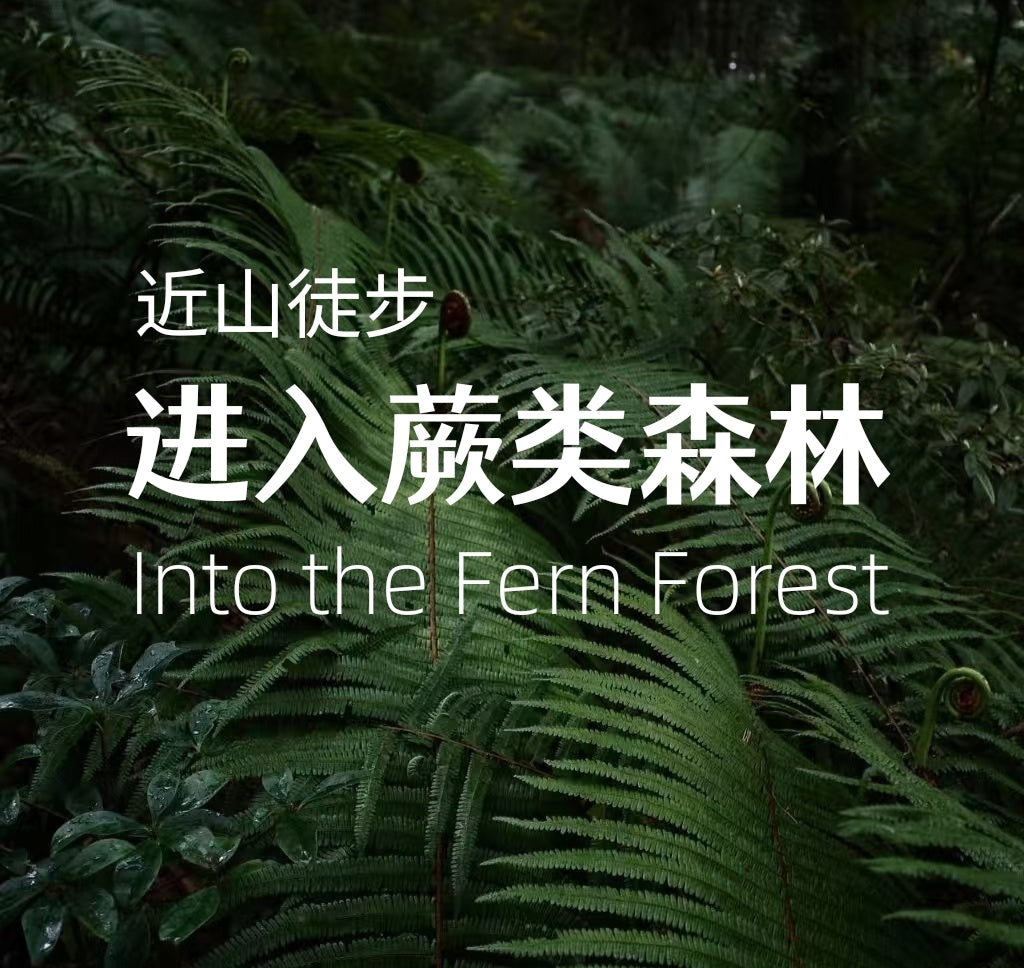
Meet about 5 kilometers north of the old town and set off. The total route is about 4 kilometers. Walk slowly through a forest where ferns grow as lushly as waterfalls, and learn about ferns of various forms, spores, and habits. The intensity is moderate, suitable for travelers who want to experience Cangshan nature without getting too tired.
4 hours
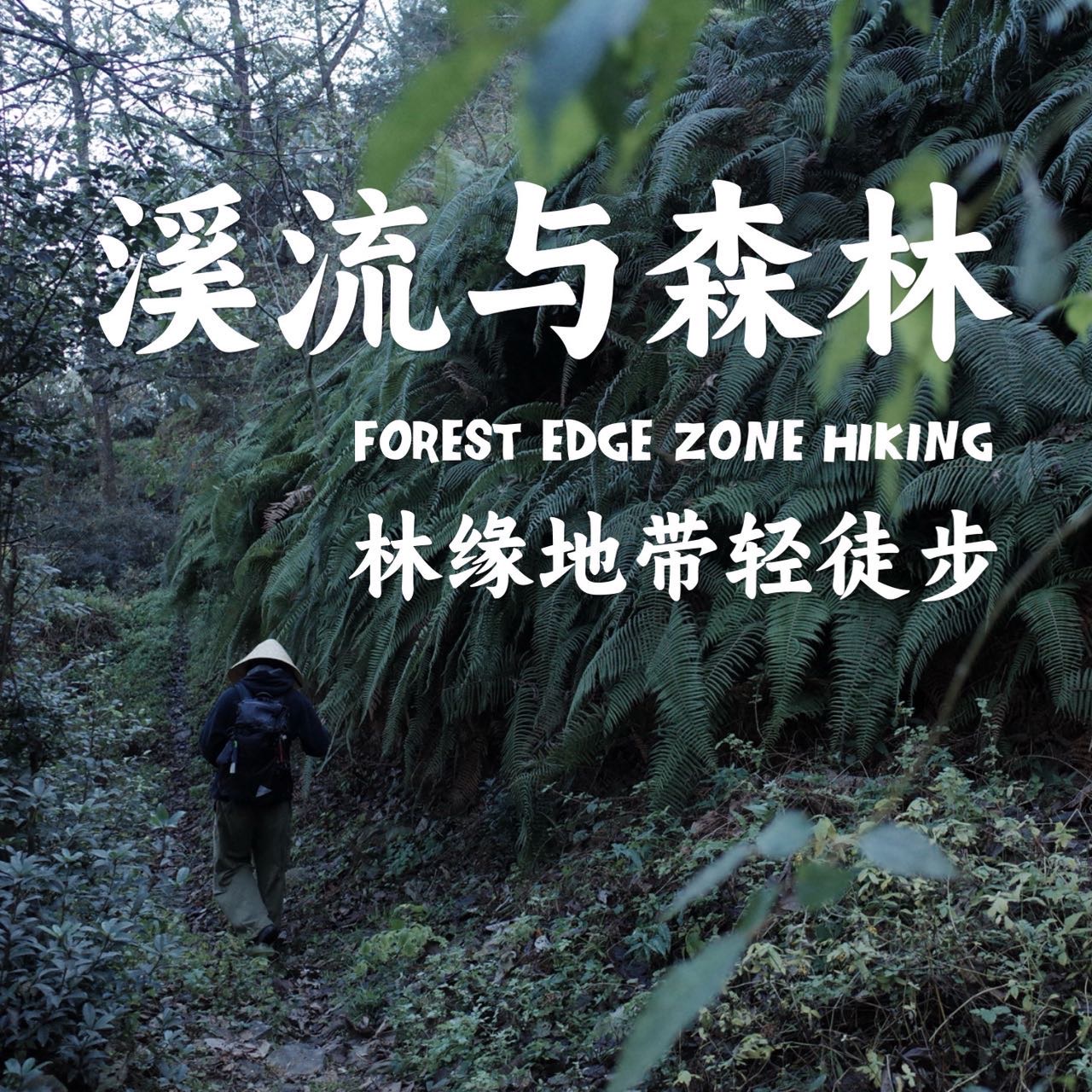
Kuosongping Light Hiking starts from the village fields, crosses streams, white stone beaches, and the edge of the forest. Along the way, there are large ferns and some plants that only grow at forest edges. You may also be accompanied by small dogs. It is a half-day trip with light intensity, very suitable for families or guests who want a relaxed hike while enjoying a rich variety of scenery.
3.5 hours
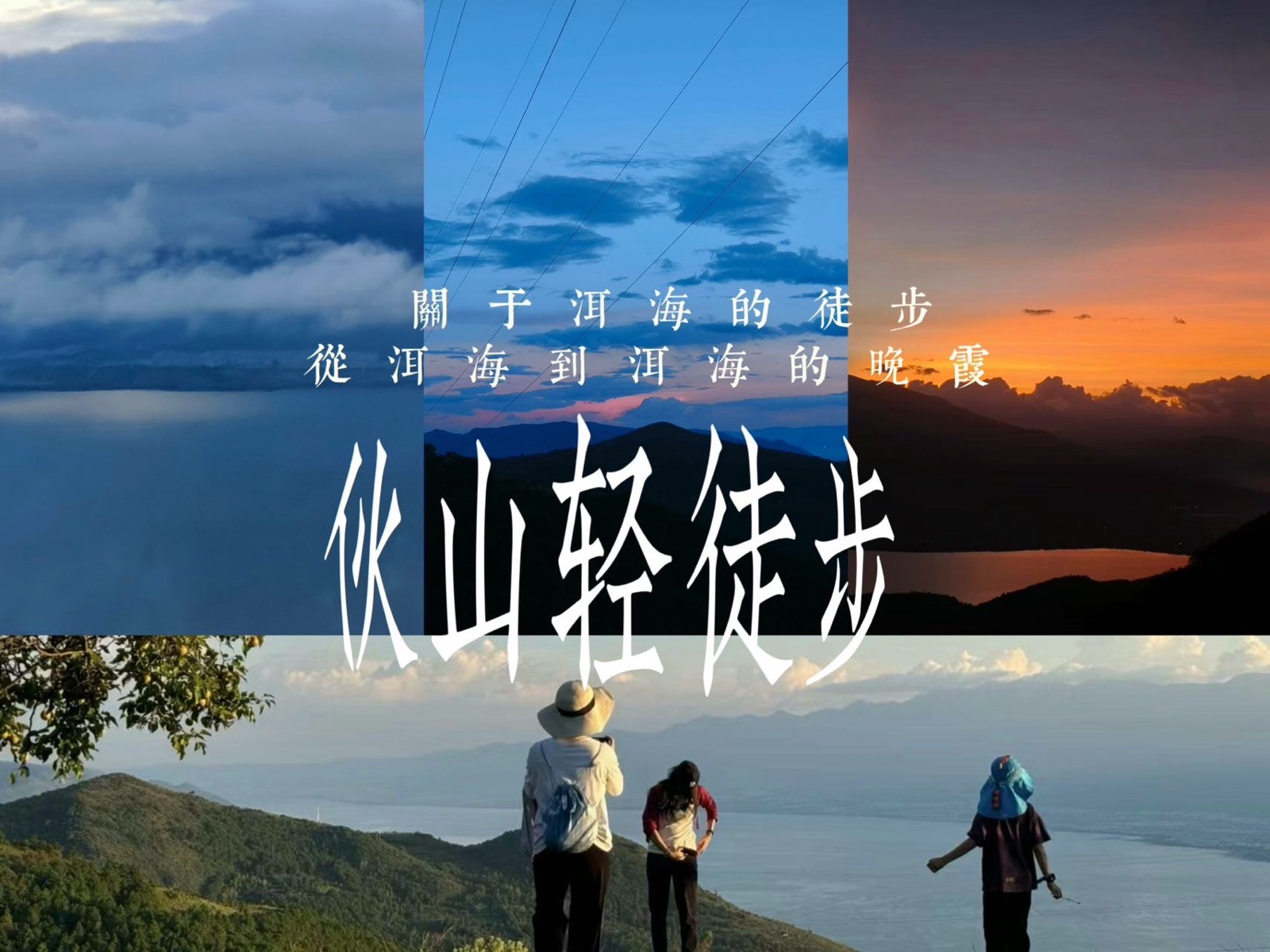
Huoshan is near Shuanglang, about 55 kilometers from the ancient city, a 1.5-hour drive. Depart in the afternoon, drive half way around Erhai Lake to reach the trailhead. Hike an easy 2.5 kilometers to watch the sunset glow over Cangshan and Erhai (picnic on the hilltop), then return to the ancient city in the evening.
5.5 hours
Wander into the streets, forests, fields, and ancient buildings of Fengyu, and experience a simple and quiet corner of Dali.