Life in Dali
Scripts, Songs, and Wine in the Valleys: The Spread of Christianity in Yunnan's Borderlands
Sep 12, 2026
A Street Encounter in Tengchong
In the early 20th century, a young British man named James O. Fraser, who had just arrived in Yunnan, was studying Chinese in Tengyue—present-day Tengchong. The direction of his later life gradually unfolded from a street encounter here.
According to Chapter 4 of Fraser's biography *Behind the Ranges*, Fraser lived in a town on a trade route, where on market days he often met people from different ethnic groups who came down from the mountains. A young Lisu man became acquainted with him, accompanied him to the mission residence, and promised to return on his next trip to town. This initial contact led Fraser to pay attention to Lisu villages beyond the town.
What is noteworthy is not that a single encounter changed everything, but that he later chose to repeatedly approach these people: leaving the familiar town, learning their language, and traveling along mountain paths into villages. The "ethnic minorities" he met on the street gradually became people with names, relatives, their own language, and lives. This was an important turning point in Fraser's personal missionary experience, not the sole beginning of Christianity's spread in Yunnan.
The historical review by the mission agency OMF records that he studied Chinese in Tengyue and later collaborated with Karen evangelist Sara Ba Thaw and others to develop a script for recording the Lisu language. Encounter, interaction, language learning, and script work were gradually unfolding processes. Today, looking back at the alphabet, scriptures, and songs of the Nujiang, this experience in Tengchong can serve as a door to understanding them.
This street encounter comes from a missionary biography and carries the author's religious perspective; here we retain verifiable experiences and do not fabricate dialogue or psychological activities of that time.
References: *Behind the Ranges*, Chapter 4 "Mountain Men"; OMF: God’s Mission to the Lisu.
From Tengchong to Yunnan's Borderlands
When traveling in Yunnan, people sometimes encounter churches in very remote valleys.
In Lisu villages along the Nujiang, multi-part hymns sung in the ethnic language can be heard; in the Tibetan village of Cizhong in Deqin, grapes grow beside the Catholic church, and many families still keep the habit of making their own wine. In some places, the scriptures used by the church even preserve a set of ethnic scripts based on the Latin alphabet.
These cultural landscapes did not appear suddenly. They come from a history of spread lasting over a century, crossing the borders of Yunnan, Myanmar, Tibet, and Southeast Asia.
More Than One Route into Yunnan
"Christianity" is a general term. In modern Yunnan, the spread routes of Catholicism and Protestantism were not entirely the same.
Catholicism entered Yunnan earlier from the directions of Sichuan, Tibet, and Vietnam. In the mid-to-late 19th century, missionaries of the French Paris Foreign Missions Society began activities in the Lancang River basin of northwestern Yunnan and attempted to enter Tibetan areas using the Sichuan-Yunnan-Tibet border region as a base.
Protestantism mainly entered Yunnan from the late 19th to early 20th century. Early spread was mostly concentrated in Kunming, Zhaotong, and other places; after the 1910s, as missionaries from Myanmar, Guizhou, and inland Yunnan entered the borderlands, the scope gradually expanded to the ethnic minority areas of Nujiang, Dehong, Lincang, and northeastern Yunnan. Historical materials from the Yunnan Provincial Ethnic and Religious Affairs Commission record that after 1913, churches such as the China Inland Mission and the Baptist Church began more sustained activities in the Lisu and Nu areas of Nujiang. History of Christianity in Yunnan
Therefore, the spread of Christianity in Yunnan was not simply a diffusion from the provincial capital to the mountains. Border regions like Nujiang actually had long-term exchanges with Lisu and Kachin communities in northern Myanmar; people, languages, and beliefs often flowed across borders along mountain paths and river valleys.
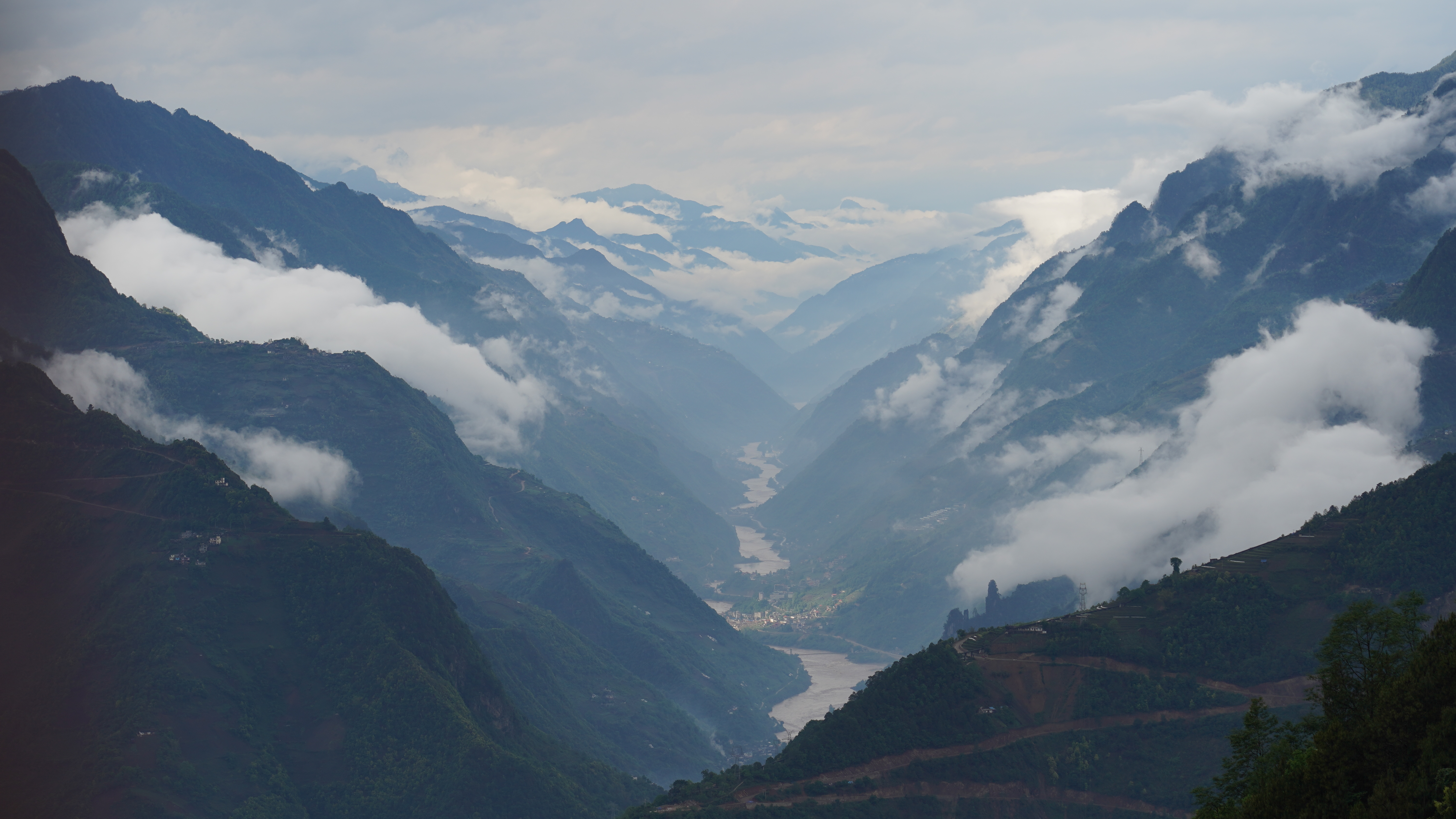
Nujiang Grand Canyon, photographed in Laomudeng Village, Fugong County, 2019. This is an environmental illustration of the region, not the site of Fraser's first encounter. Photo/Graphic: Chentaocui.
Why It Had a Profound Impact in Nujiang
The Nujiang Grand Canyon was long difficult to access, and different villages even had their own language differences. If early missionaries used only Chinese or English, it was difficult to truly enter local society.
Therefore, they began to learn Lisu, Nu, and other ethnic languages, train local evangelists, and establish connections through medical treatment, literacy education, and Bible translation. Research on the history of disease in the Nujiang region also mentions that some churches combined the spread of scripts with medical assistance, thereby gradually gaining local trust. Related research on the Chinese Social Sciences Network
But this was not a one-way "civilizing of locals by outsiders."
What truly enabled the faith to cross mountains and enter village after village was often the local Lisu and Nu evangelists. They were familiar with village kinship relations, could explain doctrines in their mother tongue, and would adapt hymns into singing styles familiar to local people. After Christianity entered Nujiang, it gradually transformed from foreign missionary activity into village religious life maintained by local believers.
Resistance, conflict, and failure also existed in the process of spread. Different villages, families, and ethnic groups did not accept the new faith to the same degree, and traditional sacrifices, Tibetan Buddhism, Catholicism, and Protestantism might coexist in the same area for a long time. The cultural landscape seen today is the result of over a century of continuous choices, negotiations, and localization.
"Latin Script" Is Actually an Alphabet for Ethnic Languages
Travelers often say that some Yunnan ethnic minorities "use Latin script." A more accurate statement is:
They use a phonetic script based on the Latin alphabet, specifically designed to record their own ethnic language, rather than using Latin as their own language.
The Old Lisu script is one of the most representative examples. It uses uppercase Latin letters and their rotated and modified symbols to record the Lisu language, so at first glance it looks both like English and completely different from English.
This script was not created by a single foreign missionary alone. Materials cited by Unicode when incorporating the Old Lisu script indicate that it was initially related to the scheme of Karen evangelist Sara Ba Thaw from Myanmar, and was later revised, improved, and promoted by British missionary James O. Fraser and Lisu church members. Therefore, calling it the "Old Lisu script" today better reflects its co-creation process than simply calling it "Fraser's alphabet." Unicode proposal for Old Lisu
Scriptures, catechisms, and hymns became the most important early carriers of this script. For many villages that originally relied mainly on oral tradition to transmit history and knowledge, religious translation also brought new ways of literacy.
Later, Chinese researchers of ethnic languages created or standardized various ethnic scripts based on the Latin alphabet. Therefore, the alphabetic scripts used by Yunnan ethnic minorities today do not all come from missionary activities, nor can all scripts be lumped together as "missionary scripts." Overview of Ethnic Minority Languages in China
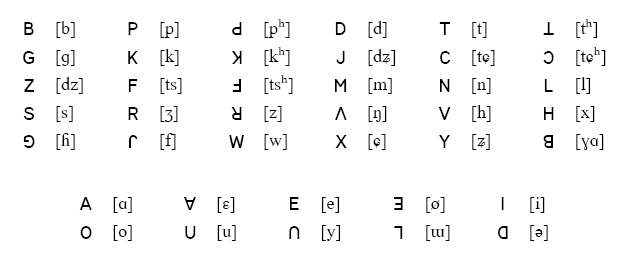
Example of Old Lisu letters: using Latin letters and rotated symbols to record the Lisu language, not Latin. Photo/Graphic: Kwamikagami.
Songs Left in the Valleys
In Nujiang, another prominent cultural heritage left by Christianity is music.
Because early scriptures were limited in number and not everyone could read proficiently, hymns became an important way to spread and remember the faith. After the lyrics were translated into Lisu, people incorporated them into their familiar vocal parts, rhythms, and collective singing traditions.
Thus, a religious song originally from European or Anglo-American churches, after being sung for generations, may have a completely different sound. It is no longer just "foreign music," but part of weddings, festivals, worship, and village public life.
Here we can also see the most interesting aspect of cultural transmission: what remains is not a faithful copy of foreign culture, but a new tradition after local reinterpretation and use.
Churches, Schools, and Medical Care
Church activities also brought schools, literacy classes, clinics, and new architectural forms.
Some churches adopt Western arches, bell towers, and facades, but their interior spaces, wooden structures, and decorations absorb Tibetan, Bai, Naxi, and Han architectural features. They are different from both European churches and traditional Yunnan temples; they are buildings formed after various crafts met in the borderlands.
The impact of education and medical care is likewise complex. On the one hand, they gave some remote villages earlier access to literacy education and modern medicine; on the other hand, missionary activities always occurred against the background of modern powers entering China and drastic changes in border order, and cannot be understood apart from the political relations of the time.
Therefore, this history should neither be romanticized as a pure cultural gift nor summarized simply as "foreign cultural invasion." Local society was not a passive recipient; local people have always been deciding which elements to accept, adapt, or reject.
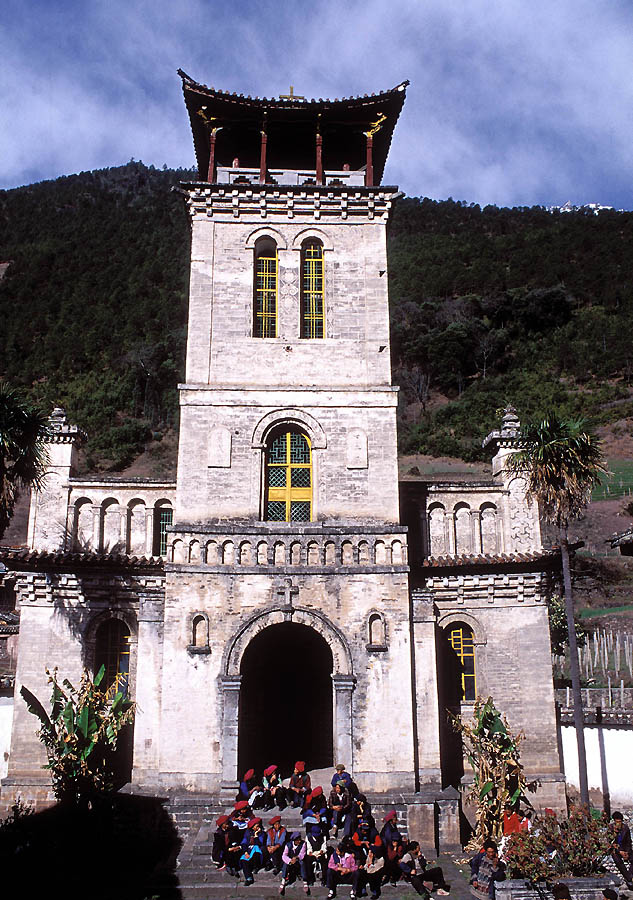
Cizhong Catholic Church, 2003. Used for the chapter on Catholicism and life in Cizhong; it does not represent a Protestant church in Nujiang. Photo/Graphic: Jialiang Gao.
From Sacramental Wine to Cizhong's Household Wine
An unexpected legacy of Christianity in Yunnan is grapes and wine.
This story mainly belongs to the history of Catholic spread in northwestern Yunnan, and is a neighboring but different historical line from the Protestant tradition in the Lisu areas of Nujiang.
In Catholic liturgy, wine is of great significance. In the 19th century, when French Catholic missionaries entered the Deqin area, they also brought grape varieties and winemaking methods into the Lancang River canyon. A study by Yunnan Agricultural University records that while spreading Catholicism, missionaries brought grapes and brewing techniques, which later gradually formed a grape-growing tradition with local characteristics in Deqin. Related research by Yunnan Agricultural University
Cizhong is the most representative place in this history.
The vineyard preserved beside the church was initially related to wine for Mass, and later the planting and brewing methods entered local households. Tibetan, Naxi, and other villagers continuously adjusted winemaking methods using their own containers, experience, and tastes, and wine gradually changed from a religious ritual item into part of hospitality, personal consumption, and household production.
Today, walking into Cizhong, one may see the church, cross, and grape trellises on one side, and mani stones and Tibetan houses on the other. Villagers sing hymns in Tibetan or Naxi and also grow grapes and make wine according to local ways of life. This juxtaposition is not just a tourism label of "Chinese-Western fusion," but the real daily life left after different faiths and life traditions have coexisted for over a hundred years. Report on Cizhong Church and wine
Foreign Faith, Local Culture
When Christianity entered Yunnan, it brought the Bible, church systems, and European religious music; but after it truly took root, it used Lisu, Nu, Tibetan, and other local languages, and relied on local evangelists, village relationships, and ethnic communities.
The Old Lisu script initially served Bible translation and later became a tool for recording the ethnic language; hymns originated from the church but gradually integrated into Nujiang's collective singing tradition; grapes were initially grown for religious rituals and eventually became a daily drink made by many families in Cizhong.
Religion can change a place, and a place can change religion.
To understand Christianity in Yunnan's borderlands, the most important thing may not be to judge whether it is "foreign" or "local," but to observe how a faith that came across national borders was retranslated in high mountains and valleys and ultimately became local people's own scripts, sounds, architecture, and life memories.
Image Credits and Usage Notes
Chentaocui: nujiang.jpg, CC BY 4.0. Original image unmodified, displayed scaled proportionally on the page.
Jialiang Gao: cizhong.jpg, CC BY-SA 3.0. Original image unmodified, displayed scaled proportionally on the page.
Kwamikagami: lisu-alphabet.png, Public domain. Original image unmodified, displayed scaled proportionally on the page.
Keep exploring Dali
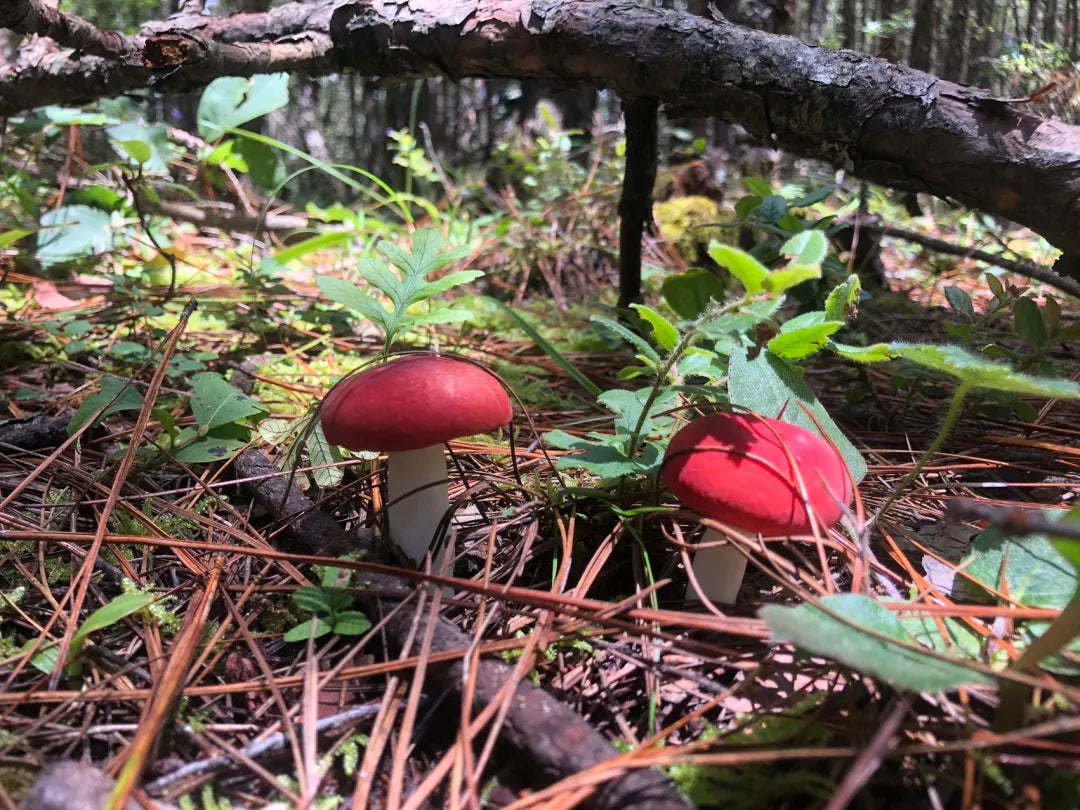 Dali Wild Mushrooms: Mushroom Season, Table Recipes, and Two Thousand Years of Mushroom-Eating HistoryEvery June, when the rainy season arrives in Yunnan, mushrooms start to pop up. Yunnan has 2,753 known wild mushroom species, accounting for more than half of China's total. This article covers the dried beef mushroom (ganba jun), termite mushroom (jizong), green-headed mushroom (qingtou jun), matsutake, and jianshouqing on Dali people's tables, how locals stir-fry them and preserve them in oil until next year, and also records from Zhuangzi, Bencao Gangmu, and Xu Xiake of Yunnan people eating mushrooms for over two thousand years—as well as the safety bottom line that must be upheld when foraging and eating mushrooms.→
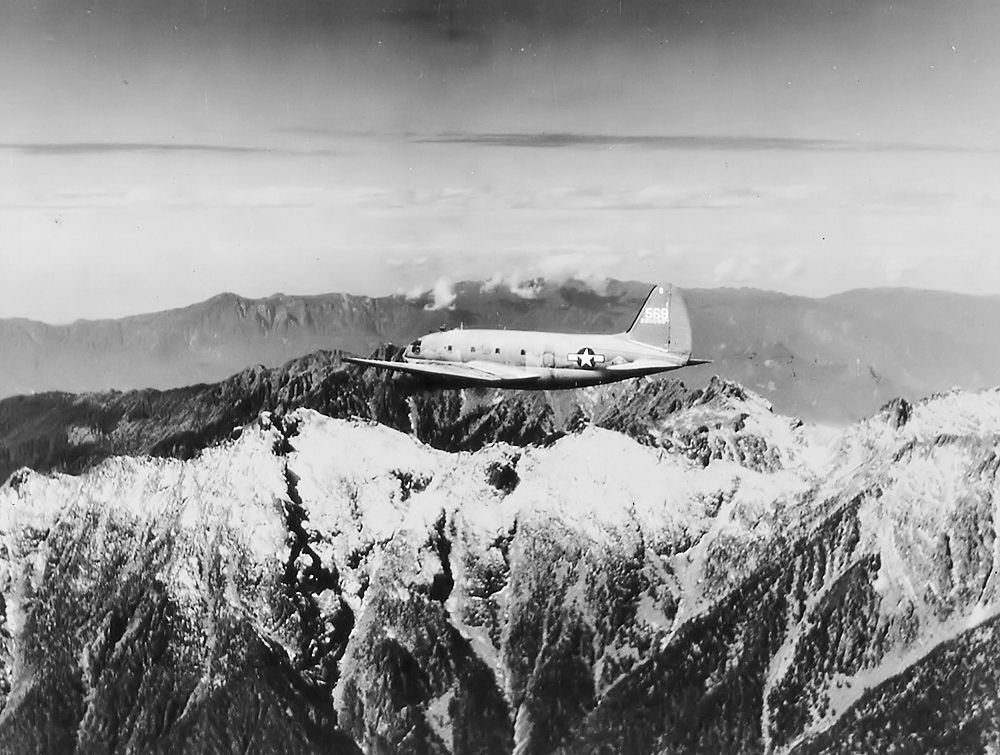 The Hump Route and the Burma Road: Two Lifelines of the War of Resistance Through YunnanOne leads through the mountains west of Xiaguan to Myanmar, the other flies over the mountains from Yunnanyi in Xiangyun. How did the Burma Road and the Hump Route maintain China's connection with the world during the most difficult phase of the War of Resistance? Why did Dali become an important node on both lifelines simultaneously?→
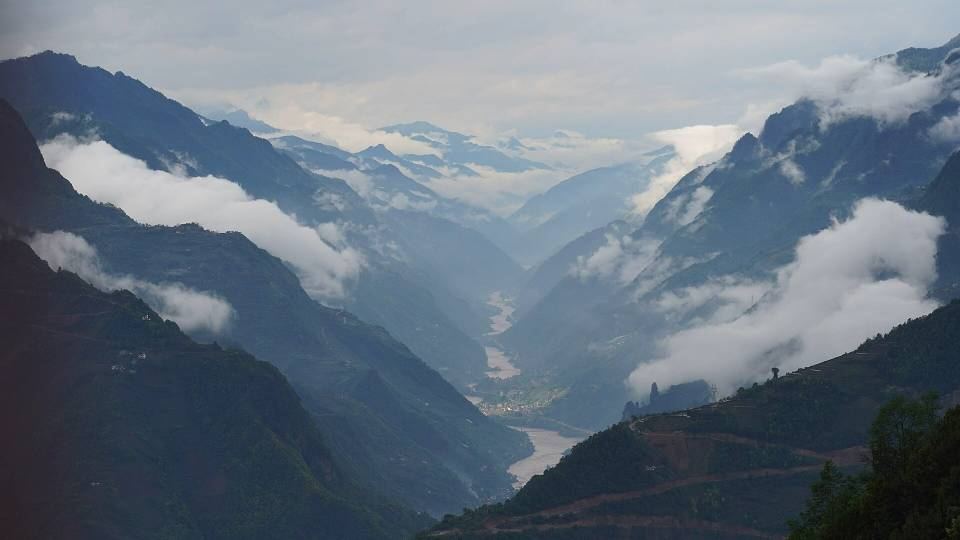 The Nujiang, Lancang, and Jinsha Rivers: the unique nature and culture of the Three Parallel RiversStarting from Dali and heading north, crossing over the Cangshan Mountains, you will enter a massive fold split open by three great rivers. The Nujiang (Salween), Lancang (Mekong), and Jinsha (Yangtze) rivers—three great rivers originating from the Qinghai-Tibet Plateau—cut through the land of northwestern Yunnan from north to south like three parallel knives. They run so close together—at their nearest point, the straight-line distance is less than seventy kilometers; and they flow side by side for over one hundred seventy kilometers before each turns and heads toward a different destination. This is the "Three Parallel Rivers," inscribed as a UNESCO World Natural Heritage site in 2003, and it is also a key to understanding Yunnan. Many people think the beauty of Yunnan is simply the wind, flowers, snow, and moon by Erhai Lake→
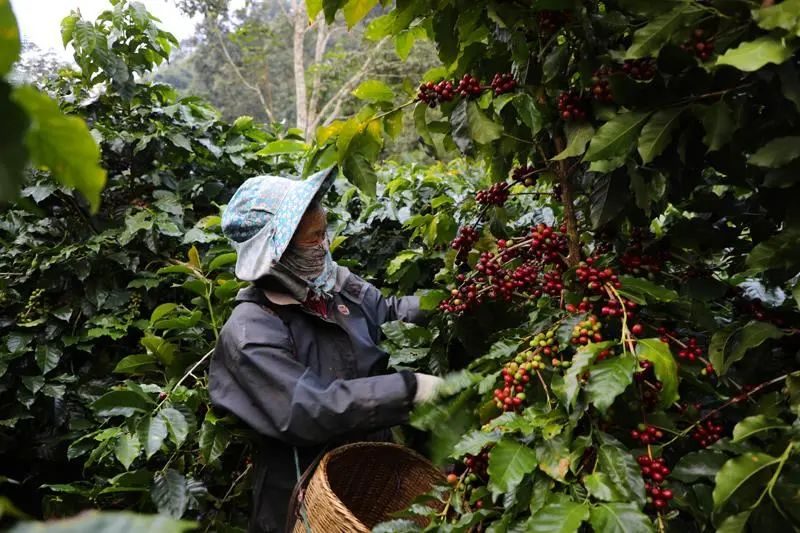 The history of Yunnan coffee: from Zhukula (a village in Yunnan) to a cup at the foot of Cangshan (a mountain in Yunnan)If you walk into the ancient town of Dali today, sit down at any café, and order a latte made with Yunnan beans, chances are you won't find it anything special. Coffee is far too common here—on Renmin Road there's one every few steps, the aroma of roasting drifts from the courtyards on Yeyu Road, and the terraces of the Chuangdancang Art District are full of people with their laptops. You might not realize that this ordinary cup of coffee is actually the end of a history spanning more than a century: its source lies in the mountains not far from the ancient town of Dali; its story begins with a French missionary and a small village almost completely cut off from the world. The story of Yunnan coffee is almost→
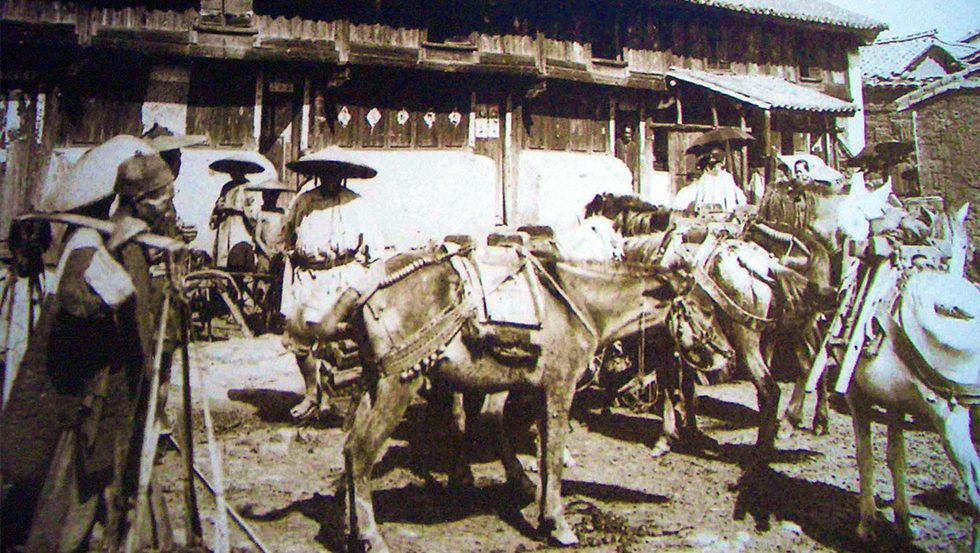 Dali, Yunnan and the Ancient Tea Horse Road (Chama Gudao): A Thousand Years of One RoadIf you had to describe the Tea Horse Ancient Road (Chama Gudao) in just one word, many people would blurt out "road." But those who have truly walked this route will tell you: it was never a single road. It is a network—a web spread across the folds of the Hengduan Mountains (Hengduan Shannmai), linking the basins of Yunnan, the Sichuan Basin (Sichuan Pendi), the highlands of the Tibetan region, and the river valleys of Myanmar. For centuries, horse caravans (mabang) carried tea, salt, medicinal herbs, cloth, and silver back and forth across this web, with the sound of bells ringing all the way from Dali to Lhasa, and from Xiaguan all the way to Bhamo in Myanmar. The Tea Horse Ancient Road is different from the Silk Road. The Silk Road had clear starting and ending points, with caravans flowing like water along fixed→
Related activities
Related activities
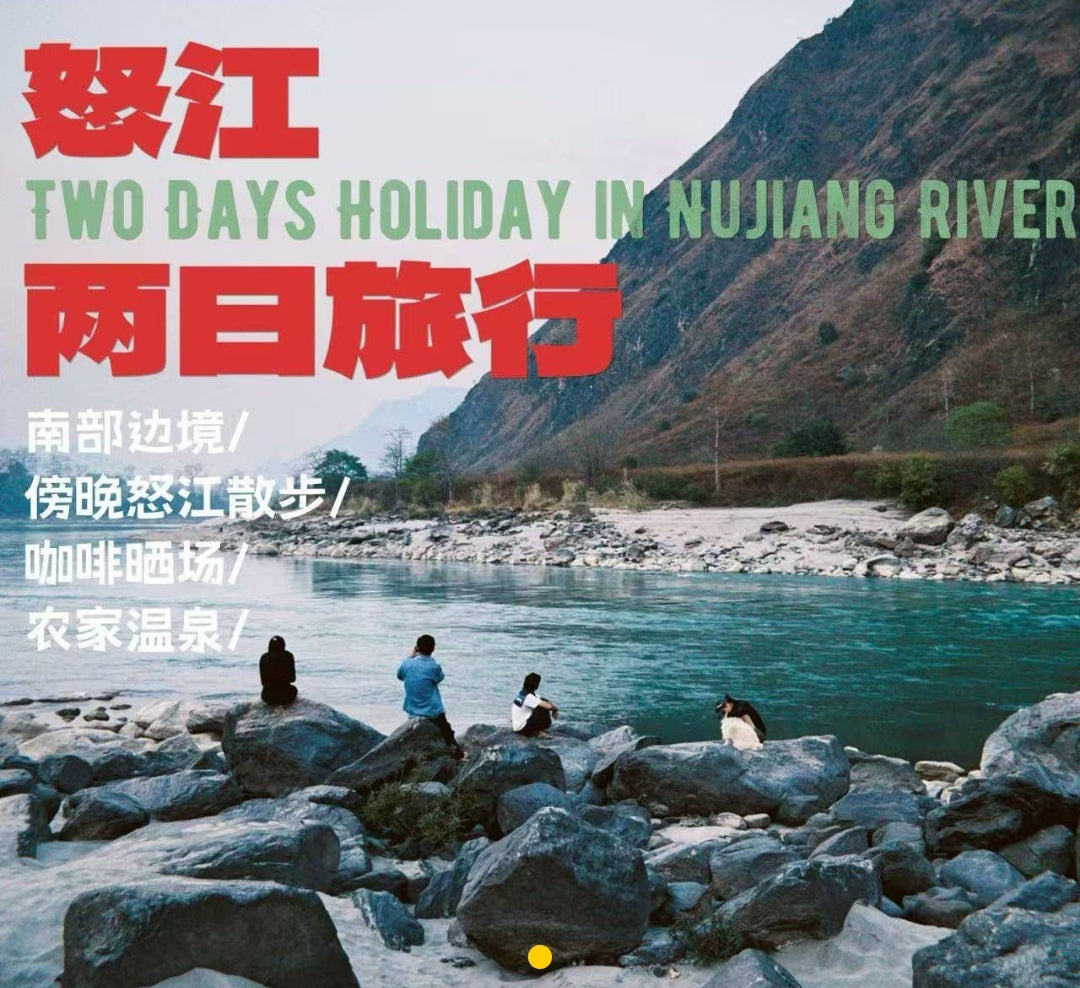
Nujiang 2-Day Trip | Coffee Drying Yard, Southern Border, Hot Springs
Depart from Dali and go deep into Nujiang for two days; the drive is fairly long. The itinerary passes coffee drying yards, Mangkuan market, Nujiang beaches, border scenery, and hot springs. Suitable for people who want to leave the old town and see life in southern Yunnan.
9.3 hours
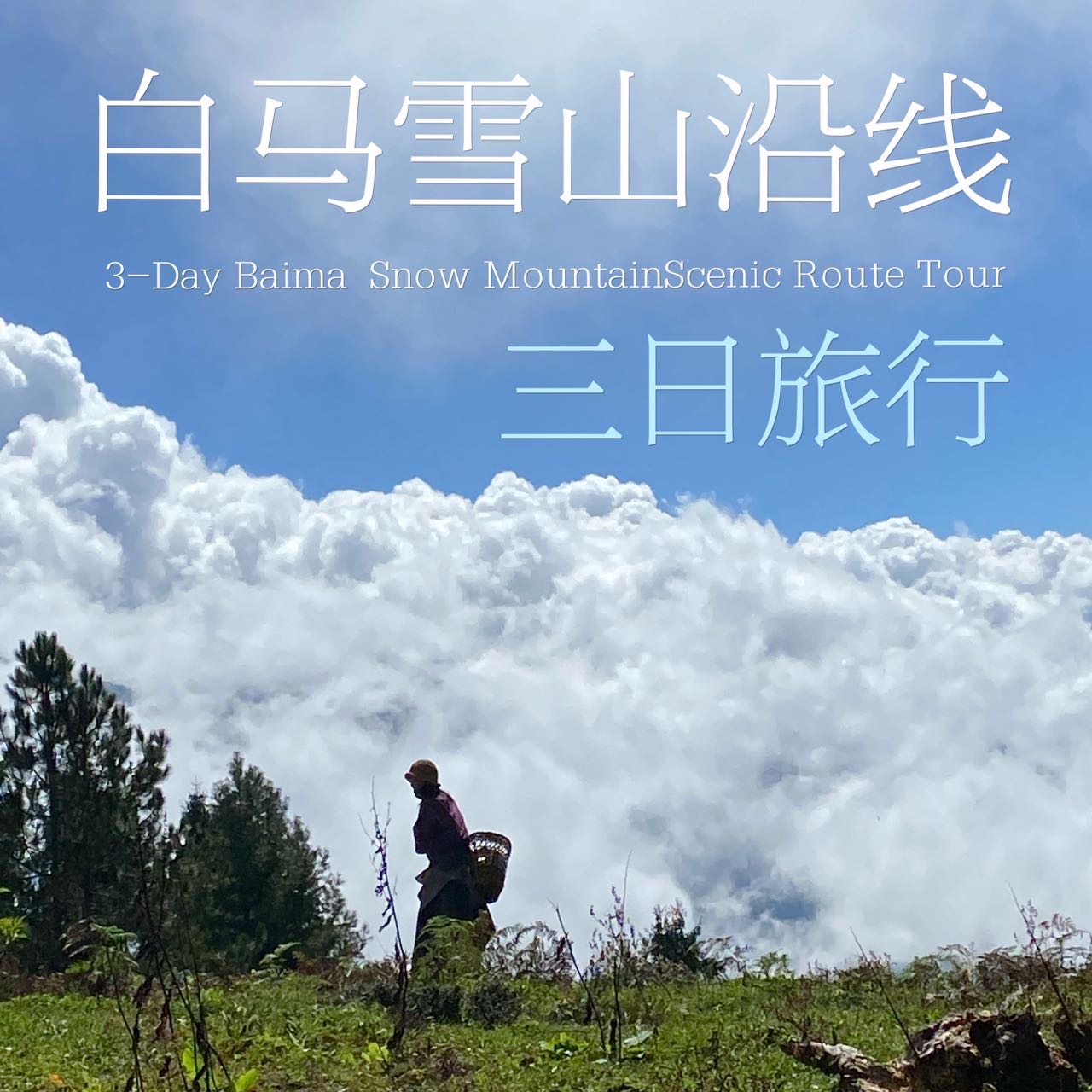
Along the Baima Snow Mountain Route (3-Day Trip)
Traveling along the Baima Snow Mountain route is a landscape we have long wanted to present to everyone and have been preparing for a long time. There, you can not only visit century-old ancient temples and exotic churches, but also experience simple Tibetan family life, stroll through primeval forests, gaze at continuous snow peaks, and encounter diverse and blended cultural customs. The magnificent scenery and rich experiences will make for an unforgettable Tibetan journey.
11 hours
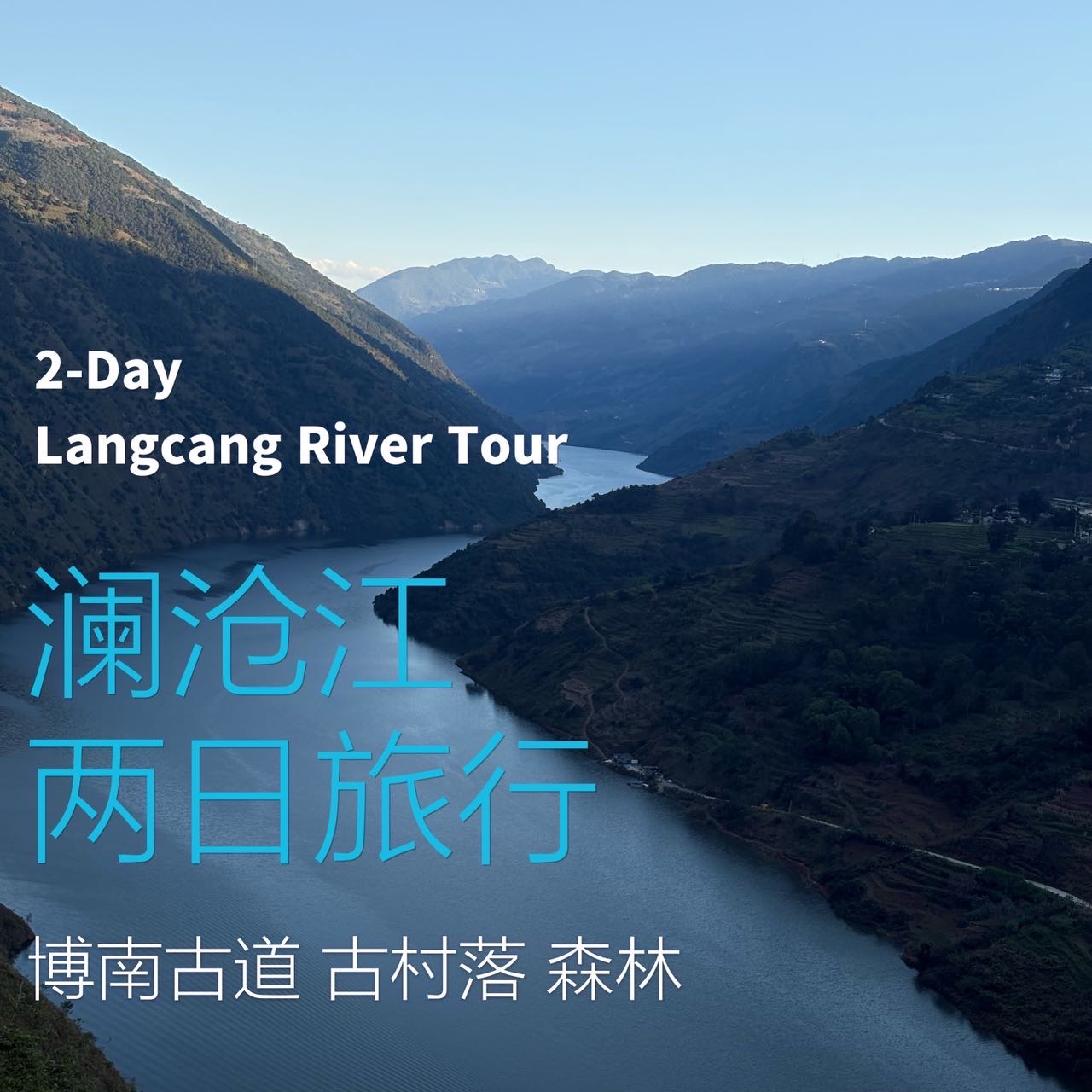
Two-Day Journey Along the Lancang River | Great River, Ancient Road, Villages and Forest
Meet near the old town, then a drive of about 2 hours 40 minutes to the banks of the Lancang River. This two-day itinerary links the great river, the Bonan Ancient Road, villages and forest, and includes accommodation, transport and local visits. It suits travelers who want to see a deeper side of Yunnan.
7 hours
Comments
Comments
…