Life in Dali
Dali and Yunnan: Books and Movies Worth Taking Away
Aug 15, 2026
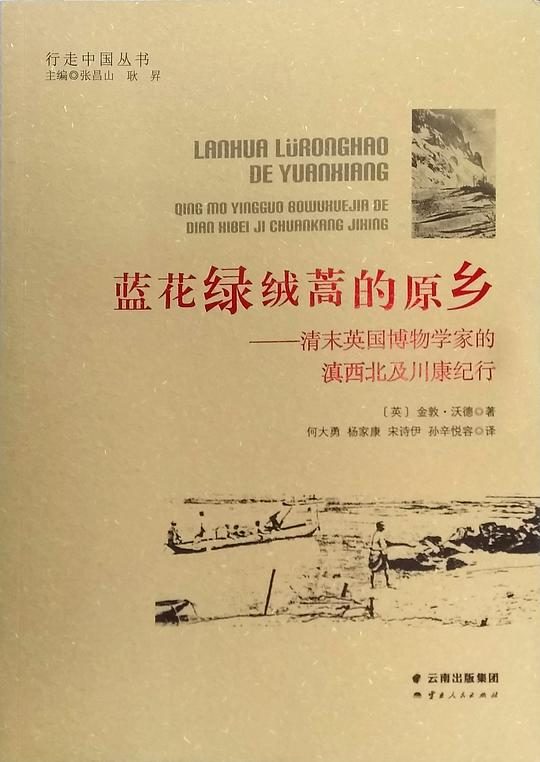
Half of what makes Dali wonderful is under your feet, and half is in books and on screen. Many travelers, after staying in Dali for a week, begin to wonder: why is this city the way it is? Its Bai language, its Benzhu temples, the Third Month Fair, its nineteen peaks of Cangshan and the wind off Erhai Lake—none of these grew out of thin air. To answer this question, wandering around Dali Ancient Town alone is not enough—you have to look further, to all of Yunnan.
Put another way, more bluntly: the history of Dali is the history of Yunnan. Between Cangshan and Erhai stood the capitals of the Nanzhao and Dali kingdoms, where the Duan clan ruled as emperors for over three hundred years; to the north, the Mu chieftains of Lijiang, Jade Dragon Snow Mountain and Meili Snow Mountain belong to the same Yunnan; further west, the Nujiang Grand Canyon and the Tea Horse Road lead to Tibet; and Zhongdian's renaming as Shangri-La turned the whole of northwestern Yunnan into a legend. Dali was never an isolated ancient town—it is a key piece on the chessboard of Yunnan.
Most of the books and films below are not only about Dali—they are about Yunnan, and Dali is part of Yunnan. After reading and watching them, when you walk through the ancient town again, you will see different things. This list is divided into five categories: anthropology and sociology, nature observation and natural history, local Dali, literature and legend, and film and documentary. Each entry first explains what it is and what story it tells, then what it has to do with Yunnan. Pick one or two to take on the road, and Dali will turn from "scenery" into "story."
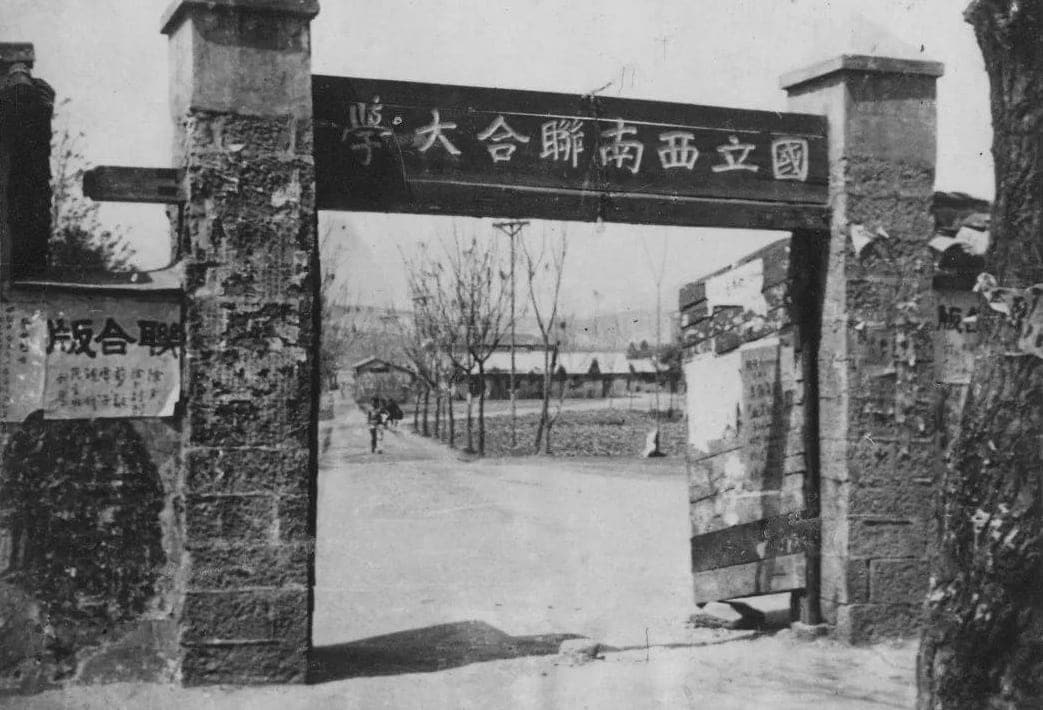
The gate of National Southwestern Associated University, 1938. Image: National Southwestern Associated University / Wikimedia Commons, public domain
Anthropology and Sociology: Understanding the Mountains and People Here
The Book of Snow Mountains (by Guo Jing, Yunnan People's Publishing House, 2012)
Guo Jing is a Yunnan-born anthropologist. Starting in the 1990s, he repeatedly went into Deqin in northwestern Yunnan, following Tibetans on the kora pilgrimage around Meili Snow Mountain, and turned the sights, interviews and reflections along the way into this book. Kora is a Tibetan practice of faith: circling the sacred Kawagebo peak, an outer circuit of roughly two hundred-plus kilometers of mountain trails, seven or eight days on foot, crossing one pass after another, passing glaciers, meadows and Tibetan villages; in Tibetan sheep years, pilgrims are especially numerous, and on the road you often meet pilgrims who have come from Sichuan, Tibet and Qinghai. Kora is divided into "inner" and "outer" circuits; the outer circuit is longer, crossing passes at four to five thousand meters, where prayer flags snap in the wind and pilgrims burn juniper and scatter wind horses, offering blessings to the sacred mountain. The book describes why pilgrims set out, what they eat and where they stay on the road, what they do when they meet wind and snow, and also how the sacred mountain holds people's life and death. Guo Jing himself walked the kora, traveling alongside pilgrims, recording their songs and stories along the way. One reviewer said Guo Jing wrote a "Tristes Tropiques" for Meili Snow Mountain—beneath the calm prose lies deep feeling for the mountain and its people.
As background, the book cannot avoid the 1991 mountain disaster: Kawagebo, at about 6,740 meters, is the highest peak in Yunnan and a sacred mountain of Tibetan Buddhism, called the "God of Snow Mountains" by believers. In 1991, a Sino-Japanese joint mountaineering team was caught in an avalanche while climbing Kawagebo, and all 17 members died; afterward the local government passed legislation banning further climbing of this sacred mountain.
Why it's worth reading: Guo Jing writes about mountains not as scenery but as the relationship between people and mountains—in the Tibetan world the mountain is a god, not a summit to conquer. After reading, you will understand why the people of Deqin opposed the mountaineering team, and why pilgrims would rather measure the distance on foot. When you stand at Feilai Temple looking at Meili Snow Mountain, or look up at the mountains at the foot of Cangshan in Dali, you will feel an extra layer of awe. By the way, the county town of Deqin and the Feilai Temple area are now the best viewpoints for Meili Snow Mountain, and many of the villages mentioned in the book can be reached by car.
The Forgotten Kingdom: Lijiang 1941–1949 (by Peter Goullart, English original published 1955, translated by Li Maochun)
Goullart was a Russian who worked in southwestern China in the 1940s. He came to Lijiang in 1941 and, as a staff member of an international China-aid organization (the Chinese Industrial Cooperatives), stayed for eight years, until he left in 1949. He recorded Lijiang through a foreigner's eyes: the market at Sifang Street starts at dawn, Naxi women come with goods on their backs to sell, caravans carry tea and salt in and out of Tibetan areas, and the sound of copper bells rings along the stone-paved road—this trade route from Pu'er through Dali and Lijiang into Tibet and on to India is what people later called the Tea Horse Road; he attended Naxi weddings and funerals, watched Dongba priests perform rituals, dealt with the descendants of the Mu chieftains, and also wrote about merchants, craftsmen, beggars and clergy in the marketplace. The "forgotten kingdom" in the title refers to the last days of old Lijiang before the change of dynasties—after he left, the town life described in the book could never return.
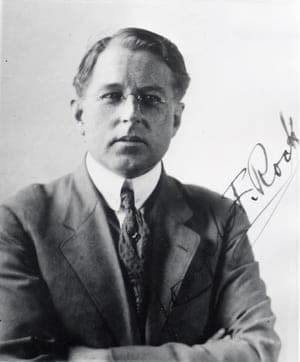
Portrait of Joseph Rock. Image: unknown author / Wikimedia Commons, public domain
Why it's worth reading: when a foreigner writes about Yunnan's borderlands, he is often more perceptive than a local—he can see the things "locals take for granted." The caravans, markets and Naxi life in Goullart's writing are the key to understanding the town traditions of the whole of western Yunnan (including Dali). The bustle you see today at Sifang Street in Lijiang or at the Third Month Fair in Dali can all find distant echoes in this book. It is about Lijiang, but that "feel of life in the southwestern borderlands" is something any Dali person understands at once. This book is also one of the classic English works about Lijiang, and after the Chinese translation was published it circulated widely among Chinese readers.
The Ancient Na-khi Kingdom of Southwest China (by Joseph Rock, English original published 1947 by Harvard University Press, translated by Liu Zongyue et al.)
Rock was an Austrian-American whose profession was botany; after coming to Yunnan in 1922, he stayed in northwestern Yunnan for more than twenty years. Based in Lijiang, he settled in Yuhu Village at the foot of Jade Dragon Snow Mountain, crossed Jade Dragon Snow Mountain and Haba Snow Mountain, entered Tibetan areas to explore, and his footprints extended to Gongga Mountain, Muli and Daocheng in western Sichuan; he collected plant specimens, took a large number of photographs, and at the same time collected, copied and studied the Naxi Dongba scriptures. Dongba script is often called one of the few pictographic writing systems still in use today; Rock had Dongba priests recite scriptures for him and recorded ritual after ritual, and the Dongba scriptures he collected are now scattered among libraries and museums in Europe and America. This book, The Ancient Na-khi Kingdom of Southwest China, is the culmination of his explorations, covering everything from geography and ethnicity to religion and family genealogies, thick enough to use as a pillow; the photographs he took for National Geographic are the most precious visual records of northwestern Yunnan in the 1920s–30s.
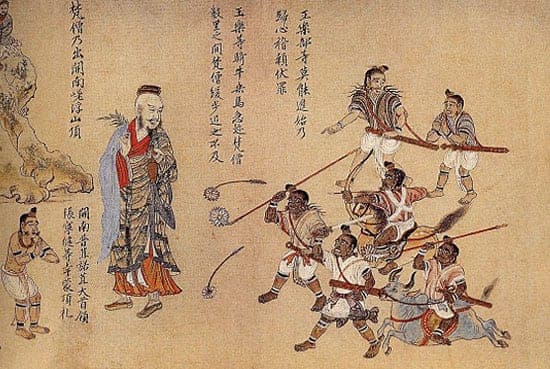
Detail of the Nanzhao Scroll. Image: Wikimedia Commons, public domain
Why it's worth reading: Rock recorded a culture that was disappearing. When he wrote this book, the Dongba scriptures were still being recited alive in the villages; today, much of the Bai and Naxi tradition you see in Xizhou and Zhoucheng around Dali, or in the museums of Lijiang, can only be reconstructed through records like these. The routes he traveled in northwestern Yunnan later became what hikers call the "Rock Line"—today's popular hiking route from Muli to Daocheng Yading follows the mountain paths he explored. Some say that when Hilton wrote Lost Horizon, he referred to articles published by Rock—this claim is not settled, but northwestern Yunnan did indeed begin to be "written" to the world through Rock.
Nature Observation and Natural History: Following the Plant Hunters
The two authors in this section, one a plant hunter and one a geographer, three hundred years apart, both measured Yunnan with their own feet—one for flowers, one for roads.
The Mystery Rivers of Tibet (by [UK] Frank Kingdon-Ward, translated by Li Taohong and Qiu Tian, Yunnan Fine Arts Publishing House, 2026)
Frank Kingdon-Ward was a British plant hunter. In the early twentieth century, European horticulture was madly chasing the alpine flowers of southwestern China, and he was among the most persistent. In 1911 he first went deep into the border zone between northwestern Yunnan and southeastern Tibet, and over the following nearly fifty years made more than twenty expeditions. This book is his travel account: following caravans over snow mountain passes in the rainy season, camping in remote river valleys, collecting seeds of rhododendrons, primulas, gentians and meconopsis. Meconopsis is the "blue flower"—a poppy-family plant, many species of which grow in high-altitude meadows, scrub or scree, with petals so blue they are almost transparent, the discovery plant hunters dreamed of, and southwestern China is their stronghold. The book has his highlight moments when he found meconopsis, and more of the plain hardships: mud, fleas, running out of food and getting lost. The seeds he collected were sent back to Europe and cultivated into new garden varieties, and made him one of the most famous plant collectors of his time. His collecting stories are more exciting than novels.
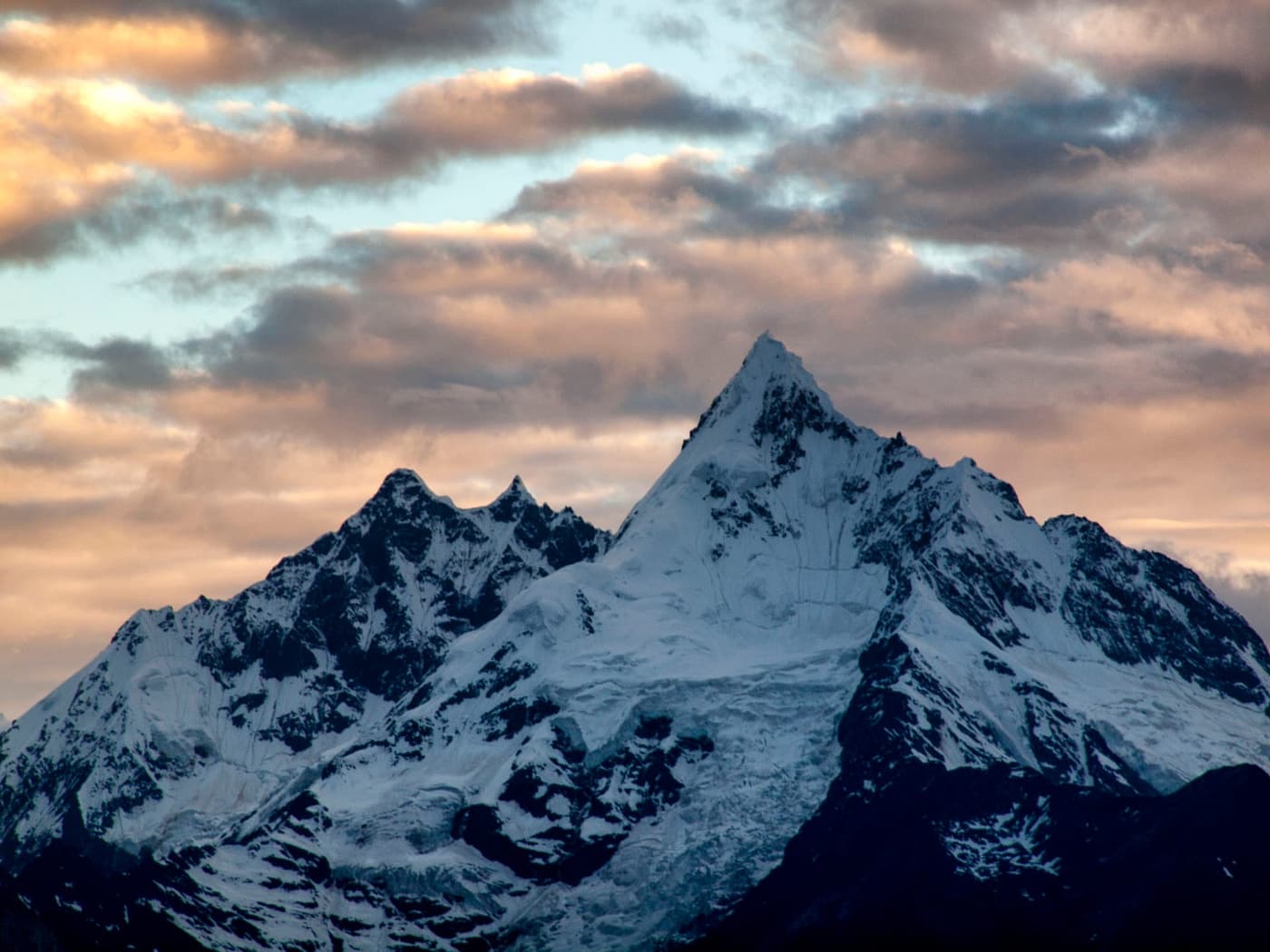
Meili Snow Mountain and the alpine environment of northwestern Yunnan. Image: Kevin Poh / Wikimedia Commons, CC BY 2.0
Why it's worth reading: many of the alpine flowers you see today on Cangshan or at the foot of the snow mountains in Lijiang were "discovered" and taken back to Europe by people like Frank Kingdon-Ward—a considerable portion of the rhododendrons in Western gardens come from Yunnan. This book turns "plant hunter" into a concrete, warm-blooded journey rather than a term in a textbook. It is not only about Dali but about the whole natural-history world of northwestern Yunnan. Next time you go up Cangshan, or go to Lijiang to see the snow mountains, pay attention to the inconspicuous little flowers at your feet—they may well be the names that once drove European gardens crazy.
The Travels of Xu Xiake: Dianyou Diary (by Xu Hongzu, Ming dynasty)
Xu Xiake was a native of Jiangyin in the late Ming. When young he said, "A man should face the blue sea in the morning and Cangwu at dusk," and in his life he never sat the imperial examinations, loving only travel, spending more than thirty years on the road. In the eleventh year of Chongzhen (1638) he entered Yunnan from Guizhou, and in the thirteenth year of Chongzhen (1640) he returned east due to illness; he spent more than two years in Yunnan and traveled through most of it. His diary-style travelogue is very "concrete": traveling west from Kunming to Dali, he visited Gantong Temple and Chongsheng Temple, saw the Three Pagodas and the nineteen peaks of Cangshan, surveying and recording peaks and streams one by one; afterward he went north to Lijiang, climbed Jizu Mountain twice, and at the request of the Mu chieftains of Lijiang even compiled a mountain gazetteer for Jizu Mountain. He recorded the direction of mountains and rivers, the branching and joining of streams, villages and markets, and also people and events, in a style like today's geographical survey reports yet with the warmth of a traveler. The Qing scholar Qian Qianyi called him a "rare man of all time" and his travelogue a "rare book of all time"—by today's standards, his records are closer to the scene than many official histories of his era. He once expressed a wish to be buried at Jizu Mountain; in his later years, gravely ill, he was escorted home by men sent by the Mu family and died the following year—showing how deep his feeling for these mountains was.
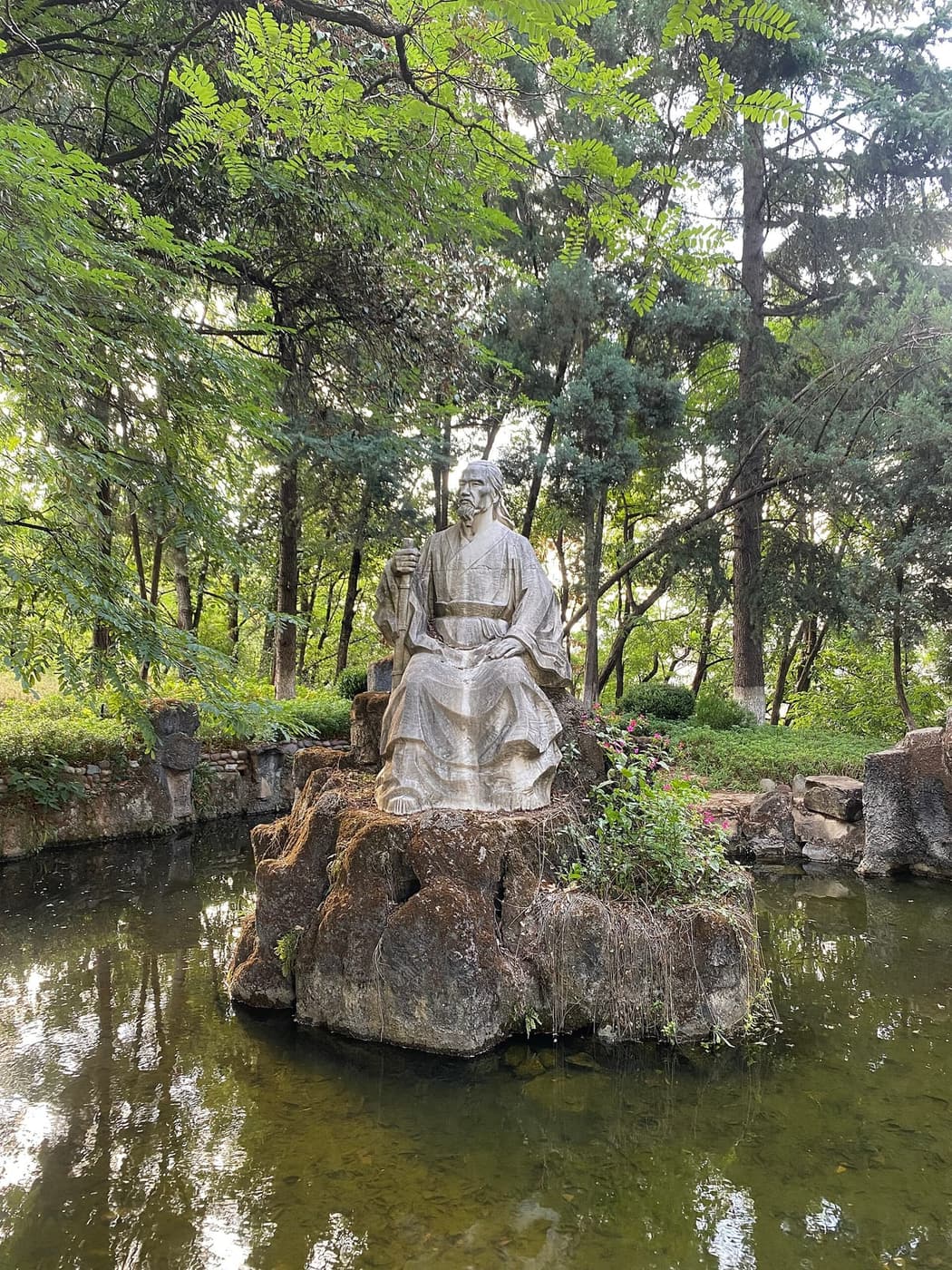
Portrait of Xu Xiake. Image: Ruilijiang de Heshui / Wikimedia Commons, CC BY-SA 4.0
Why it's worth reading: a "blogger" from over three hundred years ago has already walked Dali, Lijiang and Jizu Mountain for you. Many of the roads he walked are still there today; the markets and customs he recorded still continue to some extent. Reading his Dianyou Diary is like bringing along the most conscientious guide. And it is classic, free, and can be opened to any page at any time—the "old book" best suited to carry on the road. If time is limited, you can read only the Dali and Lijiang pieces in the "Dianyou Diary," a day's itinerary matching a day's walk.
Local Dali: A Love Letter to Dali
Dali Waizhuan (by Jason Pym, subtitle "A British Man's Dali Sketchbook," bilingual Chinese-English)
The author is British, with the Chinese name Wan Zhesheng; he married a Dali girl and lived in Dali for many years. With brush and words he made a "Dali folk encyclopedia": from the origins of Benzhu temples—Benzhu are the guardian deities of Bai villages, and almost every village has its own Benzhu temple—to the procession of Raosanling, the cries of the Third Month Fair, to a bunch of greens in the vegetable market, a kind of fish in Erhai Lake, to foods like rubing cheese and Xizhou baba, and Bai wedding and funeral customs, the pronunciation of the Dali dialect, in exhaustive detail, bilingual Chinese-English, with a large number of hand-drawn illustrations. It is not an academic work but observation notes accumulated over years of life by a foreigner, with a cute style and a bit of humor and partiality—the headscarves of Bai women, the Benzhu temple at the village entrance, the fishing boats on Erhai Lake all come alive in his drawings.
Why it's worth reading: if you want to "quickly understand Dali," this is the best introductory book—more detailed than any guide, more alive than any encyclopedia. Many of the local details we mention in our guides have their source in this book. More importantly, it demonstrates an attitude: treat Dali as daily life, not as a sight to tour. When foreign friends come to Dali, this bilingual book can even serve temporarily as a "translation handbook."
Literature and Legend: Another Way to Open Yunnan
The three books in this section represent three ways Yunnan has been "told": fictional legend, wuxia imagination and practical guide—together they have shaped how people today picture Yunnan.
Lost Horizon (by James Hilton, published 1933)
The story takes place in the 1930s. British diplomat Conway and three other Westerners—a missionary, an American businessman and Conway's young colleague—are hijacked during an evacuation by a mysterious plane that flies deep into the Himalayas. After the plane crashes, they are brought to a lamasery hidden in a remote valley—Shangri-La. The climate is mild, produce abundant, the library holds Eastern and Western classics, and the abbot is a Westerner who has lived for hundreds of years. Conway is identified as the successor to the next "living Buddha," but he can never let go of the outside world. In the end he leaves Shangri-La with his companions and the young woman who came with them, setting out on the journey home; the abbot dies as he leaves; and the seemingly young woman ages rapidly once she leaves the valley. The ending is open: Conway wakes in a hospital with fragmented memory, and finally sets out alone again to find that place he can no longer quite describe. The novel won Britain's Hawthornden Prize the following year, and in 1937 Hollywood brought it to the screen.
Why it's worth reading: the word "Shangri-La" spread around the world from this book—it entered English dictionaries, became a byword for a hidden paradise, and is still a favorite name for hotels and resorts worldwide. Interestingly, it is the same dream as the "Peach Blossom Spring" in Chinese hearts: Tao Yuanming wrote The Peach Blossom Spring around 421 AD, inventing an isolated ideal land, and more than fifteen hundred years later Hilton invented another at the foot of the Himalayas—and this time the dream landed in Yunnan and became a place name on the map. In 2001, Zhongdian County in Yunnan was officially renamed Shangri-La County (later upgraded to a city). It is said Hilton himself never went to northwestern Yunnan, and his Shangri-La was a composite of imagination and rumor—which precisely shows how much that land resembles a legend. After reading it, you will understand why Westerners have been so fascinated by Yunnan for centuries: a world "beyond the map" really did exist here.
Demi-Gods and Semi-Devils (by Jin Yong, serialized in Ming Pao from 1963)
In Jin Yong's wuxia novel, one of the protagonists is Duan Yu—son of the Prince of Zhennan of the Dali Kingdom, who does not love martial arts but stumbles into mastering the "Six Meridians Divine Sword" and also knows the family's "One Yang Finger." In the story the Dali Kingdom reveres Buddhism, the Duan imperial clan is closely tied to Tianlong Temple, and Duan Yu is drawn into martial-world grudges and family and national feuds, with the mystery of his parentage running through the whole book. Duan Yu's historical prototype is the Dali emperor Duan Zhengyan (also known as Duan Heyu): historically he did reign for more than thirty years and in old age abdicated to become a monk. Tianlong Temple in the novel is generally thought to be modeled on Dali's Chongsheng Temple. The real Dali Kingdom was indeed a Buddhist realm: founded in 937, destroyed by the Mongols in 1253, lasting more than three hundred years, with many emperors abdicating to become monks, which is why Dali is called the "Land of Wondrous Fragrance and Buddhism." It is worth noting that the Six Meridians Divine Sword and One Yang Finger are Jin Yong's wuxia imagination, but that the Dali Kingdom revered Buddhism and long coexisted peacefully with the Song dynasty is historical fact—it was from this history that Jin Yong grew Duan Yu's story.
Why it's worth reading: wuxia novels made Dali famous in the Chinese-speaking world. Today when you go to the Three Pagodas of Chongsheng Temple, the guide will tell you about Duan Yu; at the Demi-Gods and Semi-Devils film studio, place names from the novel are everywhere. The character Duan Yu made countless readers hear of the Dali Kingdom for the first time—and historically the Dali Kingdom really existed. Through a wuxia novel, you can read Dali's "ancient" side with more flavor.
Lonely Planet Yunnan (Lonely Planet guide series)
Lonely Planet is the world's most classic travel guide series, and the Yunnan volume covers the whole province: Kunming, Dali, Lijiang, Shangri-La, Nujiang, Xishuangbanna… each place has transport, accommodation, dining, sights and background, plus chapters on history, culture and ethnic customs. It suits pre-trip planning and also casual browsing on the road—solid information, clear structure, a "safety net" reference book. In 2022 Lonely Planet announced the closure of its China office and the suspension of its Chinese-language publications, giving this guide an extra layer of commemorative meaning. You can often see it in bookstores in Dali; buy one and take it home, and you take Yunnan's routes home with you.
Film and Documentary: Seeing Dali on Screen
Yunnan was one of the earliest filming locations for Chinese cinema, and Dali's image on screen has kept changing: in the 1950s it was a bright, cheerful borderland of the collectivist era; in the 2000s it was the silent village of Riding Alone for Thousands of Miles; after the 2010s it became a destination for urbanites to "heal" and "restart." The four works below trace exactly this thread.
Five Golden Flowers (Changchun Film Studio, 1959, directed by Wang Jiayi, starring Yang Likun)
Bai young man A Peng meets the girl Jin Hua at the Third Month Fair market, they fall in love at first sight and agree to meet again by Butterfly Spring the following year. The next year A Peng comes as promised, but Jin Hua does not appear. He begins searching all over Dali, causing a series of misunderstandings: this village has a deputy head Jin Hua, that village has a tractor driver Jin Hua, a manure-collecting model Jin Hua… one girl named "Jin Hua" after another, none of them the one he seeks. In the end the misunderstanding is cleared up, and the lovers are reunited by Butterfly Spring. The film was shot entirely on location in Dali, with Cangshan, Erhai, the Third Month Fair and Bai houses appearing in turn, and the song "By Butterfly Spring" composed by Lei Zhenbang is still sung today. The Third Month Fair is the grandest market festival of the Bai people, held around the fifteenth day of the third lunar month every year at the foot of Cangshan, packed with people; as one of the tribute films for the tenth anniversary of National Day, the film is light, bright and overflowing with the optimism of that era. It is worth noting that the later fate of lead actress Yang Likun was not as bright as the film—which adds a layer of sighing to Five Golden Flowers.
Why it's worth watching: a 1959 film that is still moving today. It is many people's first impression of Dali—words like Bai, Butterfly Spring and Third Month Fair first entered public memory through it. It is like a time machine: the scenes of people in Bai dress going to the Third Month Fair can still be seen in Dali today; the real Butterfly Spring is at the foot of Cangshan and is still a famous Dali sight; and "Jin Hua" is still a common way Dali people address girls.
Delamu (documentary film directed by Tian Zhuangzhuang, 2004)
Tian Zhuangzhuang is a "Fifth Generation" director; he made works like The Horse Thief that went deep into Tibetan areas early on, and has always been obsessed with the southwestern borderlands. The Tea Horse Road is a thousand-year trade route between Yunnan and Tibet, with caravans carrying tea, salt, cloth and medicinal herbs over mountains, linking Yunnan with Tibet and India. In Delamu, Tian Zhuangzhuang and his crew follow this old road from around Bingzhongluo deep in the Nujiang Grand Canyon in Yunnan toward Tibet. The camera follows the caravans over mountains, through village after village in the canyon, recording the calls of the mule drivers, the roar of the river and the narrow paths on the cliffs. In the film, families in the canyon speak to the camera about their lives: an old woman tells of her origins, a caravan man tells of his career, a monk and a teacher tell of their choices. There is no narration; the people speak for themselves, and the images are quiet and powerful.
Why it's worth watching: it makes you remember "the figures crossing the mountains"—the people who carried tea, salt and life over the snow mountains. After watching it, walking at the foot of Cangshan, or seeing the bronze statue of a mule driver on a Dali street, you will remember that the Tea Horse Road really existed, and not far from Dali. It is a film about "the road," and Dali is an important post station on that road. Today the highway from Dali to Bingzhongluo is open, but sitting in the car you can still see abandoned plank roads on the cliffs—those were the caravan's roads.
Riding Alone for Thousands of Miles (directed by Zhang Yimou, 2005, starring Ken Takakura)
Japanese old man Takata has been at odds with his son for years; his son is hospitalized with a serious illness, and his last wish is to go to Yunnan to film a performance of a mask opera (nuo opera). Takata comes to Yunnan alone, unable to speak the language, and after many twists finds the filming location—a village in the Lijiang area. Mask opera is an ancient rural opera of Yunnan, tied to local beliefs and festivals, and the performers are often villagers themselves; the mask opera performer he wants to film, Li Jiamin, is in prison for causing injury, and Takata insists on filming in the prison, and finally completes the scene. The most moving moment in the film is when the performer, in prison, sees a photo of his son whom he has not seen for years and breaks down crying on the spot. Filming completed, Takata also receives news of his son's death—he finally reconciles with his son in a foreign land. The title borrows from the Romance of the Three Kingdoms story of Guan Yu "riding alone for thousands of miles"; an old man in a foreign land traveling far alone is the modern version of that allusion.
Why it's worth watching: Zhang Yimou turns his camera on Yunnan's villages, snow mountains and ordinary people's faces. Ken Takakura was a legendary actor of the golden age of Japanese cinema, and his performance is restrained and deep; a foreigner who cannot speak the language forms a bond with locals through silence and goodwill—this is almost a portrait of every traveler newly arrived in Yunnan. The scenery of the Lijiang area filming locations is also worth seeing.
Meet Yourself (TV series, 2023, starring Liu Yifei and Li Xian)
After her best friend dies, urban girl Xu Hongdou quits her job and comes to stay at a guesthouse in Dali called "Youfeng Xiaoyuan" (Windy Courtyard), wanting to stop and catch her breath. There she meets Xie Zhiyao, a young man who returned home to start a business—he left Beijing and came back to his hometown, running a guesthouse and an agricultural products business. The two gradually get to know each other between Cangshan and Erhai, and Xu Hongdou rediscovers the rhythm of life. The series aired in early 2023 and was filmed extensively in Dali: Fengyangyi Village, the shores of Erhai, the fields of Xizhou… Fengyangyi, where "Youfeng Xiaoyuan" is located, saw a surge of tourists after the series aired and became a popular check-in spot, and Dali's "long-stay travel" topic also trended.
Why it's worth watching: it is more like a "Dali tourism promo," the plot is not complicated, but the scenery is genuinely good—Cangshan, Erhai, wheat fields and villages are all filmed clean and bright. For those who have never been to Yunnan, it is a good "preview"; for those who have just arrived in Dali, it helps you recognize the filming locations along the way. It also made "long-stay travel in Dali" a concrete picture: many people, after watching, really booked flights and guesthouses. The slow life in the series is a bit idealized, but Dali really does have the ability to make people slow down.
Breakup Buddies (directed by Ning Hao, 2014, starring Huang Bo and Xu Zheng): a road comedy in which two middle-aged men drive to Dali with their own worries and stir up a string of laughs by Erhai Lake. No need to scrutinize the plot; one point is enough: in the film Dali is a place for "healing and romance"—this impression itself is part of Dali's popular culture; and the words "go to Dali" have since become a joke on many urbanites' lips. By the way: the Dali Ancient Town and Erhai Lake in the film can still be matched to similar scenes today.
Books and films will not see Dali for you, but they will help you see deeper. From the footsteps of pilgrims in The Book of Snow Mountains to the market of the Third Month Fair in Five Golden Flowers, from Xu Xiake's Jizu Mountain to Fengyangyi in Meet Yourself—over more than three hundred years, these stories echo one another within the same Yunnan. Pick one or two to take on the road, flip through them in a courtyard in Xizhou or a café by Erhai; at night find a film to watch, and go out again the next day, and Dali will look different.
Finally, two practical notes: most of these books can be found in bookstores in Dali Ancient Town, and the films can be searched on video platforms—you may chance upon them on the shelves of independent bookstores in the ancient town or cafés by Erhai. The suggested order is—before the trip, watch Five Golden Flowers or Meet Yourself to warm up; on the road, flip through Dali Waizhuan to learn the ropes; after returning, read The Book of Snow Mountains and The Forgotten Kingdom to let memory settle into understanding. If you take only one book, take Dali Waizhuan; if you take only one film, take Five Golden Flowers. Leave the rest for your next trip to Yunnan.
References and Notes
• The Book of Snow Mountains: by Guo Jing, published by Yunnan People's Publishing House, 2012 (Contemporary Chinese Anthropology and Ethnology Library). Covers the kora of Meili Snow Mountain (Kawagebo) and the background of the 1991 Sino-Japanese joint mountaineering disaster.
• The Forgotten Kingdom: Lijiang 1941–1949: by Peter Goullart, English original Forgotten Kingdom published 1955; Chinese translation by Li Maochun, Yunnan People's Publishing House.
• The Ancient Na-khi Kingdom of Southwest China: by Joseph F. Rock, English original The Ancient Na-khi Kingdom of Southwest China published 1947 by Harvard University Press; Chinese translation by Liu Zongyue et al.
• The Mystery Rivers of Tibet: by Frank Kingdon-Ward, translated by Li Taohong and Qiu Tian, published by Yunnan Fine Arts Publishing House, 2026, ISBN 9787548959601; a new translation of the same original work; for related research see Natural History Exploration, Environment and Culture: Frank Kingdon-Ward's Scientific Expeditions in Southwest China and Adjacent Areas.
• The Travels of Xu Xiake: Dianyou Diary: Xu Xiake's Yunnan travels (1638–1640), including the Jizu Mountain diary recording his wish to be buried at Jizu Mountain.
• Dali Waizhuan: by Jason Pym (Chinese name Wan Zhesheng), bilingual Chinese-English.
• Lost Horizon: by James Hilton, published 1933, won the Hawthornden Prize the following year, and a Hollywood film of the same name appeared in 1937; the word "Shangri-La" comes from it, and in 2001 Zhongdian County in Yunnan was renamed Shangri-La County.
• Demi-Gods and Semi-Devils: by Jin Yong, serialized in Ming Pao from 1963; Duan Yu's prototype is the Dali emperor Duan Zhengyan (Duan Heyu).
• Lonely Planet Yunnan: the Yunnan volume of the Lonely Planet series.
• Five Golden Flowers: produced by Changchun Film Studio in 1959, directed by Wang Jiayi, starring Yang Likun, shot on location in Dali.
• Delamu: documentary film directed by Tian Zhuangzhuang, 2004, filmed along the Tea Horse Road.
• Riding Alone for Thousands of Miles: directed by Zhang Yimou, 2005, starring Ken Takakura, filmed in Yunnan.
• Meet Yourself: 2023 TV series, starring Liu Yifei and Li Xian, filmed in Dali.
• Breakup Buddies: directed by Ning Hao, 2014, starring Huang Bo and Xu Zheng, filmed in Dali.
Keep exploring Dali
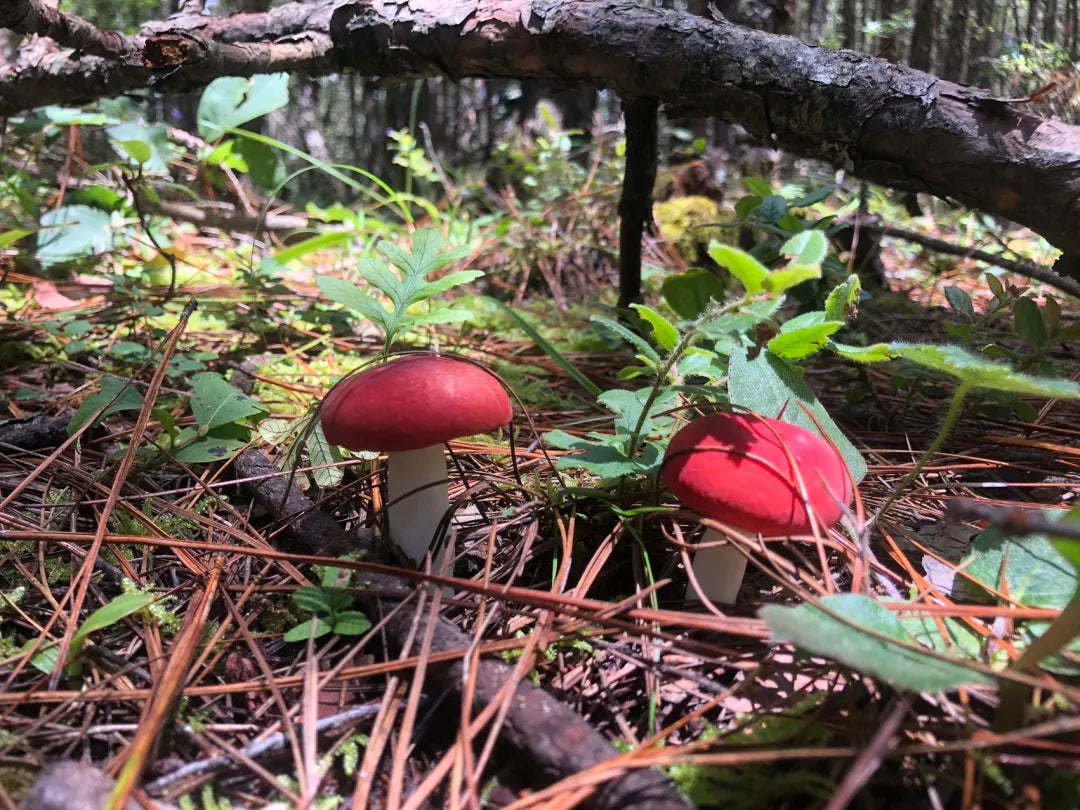 Dali Wild Mushrooms: Mushroom Season, Table Recipes, and Two Thousand Years of Mushroom-Eating HistoryEvery June, when the rainy season arrives in Yunnan, mushrooms start to pop up. Yunnan has 2,753 known wild mushroom species, accounting for more than half of China's total. This article covers the dried beef mushroom (ganba jun), termite mushroom (jizong), green-headed mushroom (qingtou jun), matsutake, and jianshouqing on Dali people's tables, how locals stir-fry them and preserve them in oil until next year, and also records from Zhuangzi, Bencao Gangmu, and Xu Xiake of Yunnan people eating mushrooms for over two thousand years—as well as the safety bottom line that must be upheld when foraging and eating mushrooms.→
 Scripts, Songs, and Wine in the Valleys: The Spread of Christianity in Yunnan's BorderlandsFrom James O. Fraser's early encounters with the Lisu people in Tengchong, explore the scripts, songs, churches, and wine of Yunnan's borderlands.→
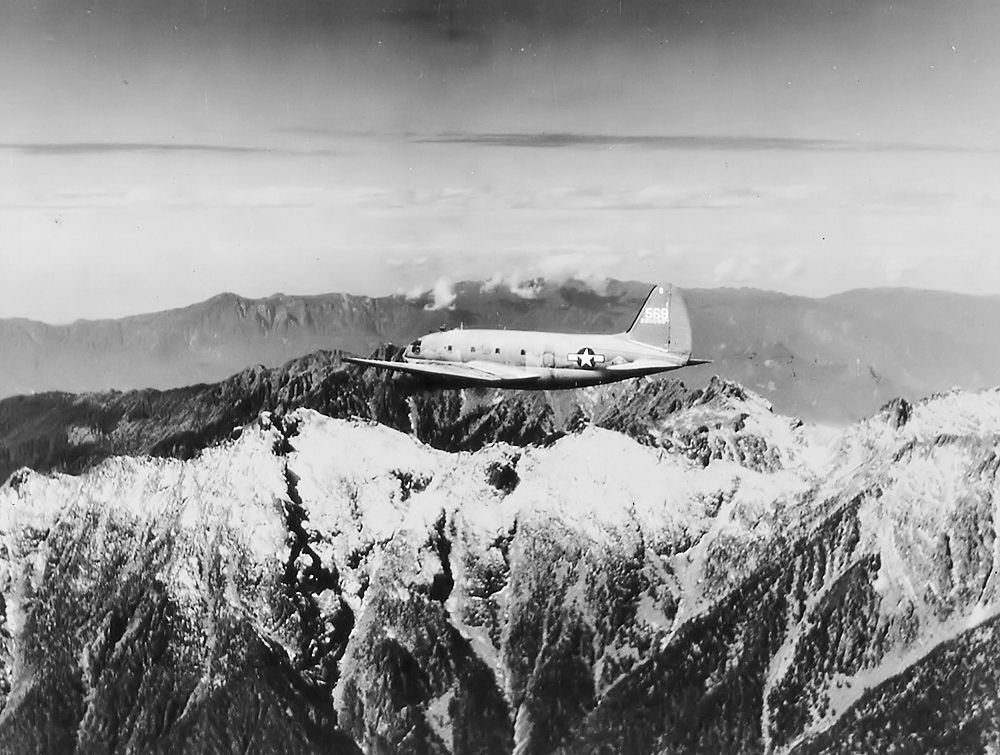 The Hump Route and the Burma Road: Two Lifelines of the War of Resistance Through YunnanOne leads through the mountains west of Xiaguan to Myanmar, the other flies over the mountains from Yunnanyi in Xiangyun. How did the Burma Road and the Hump Route maintain China's connection with the world during the most difficult phase of the War of Resistance? Why did Dali become an important node on both lifelines simultaneously?→
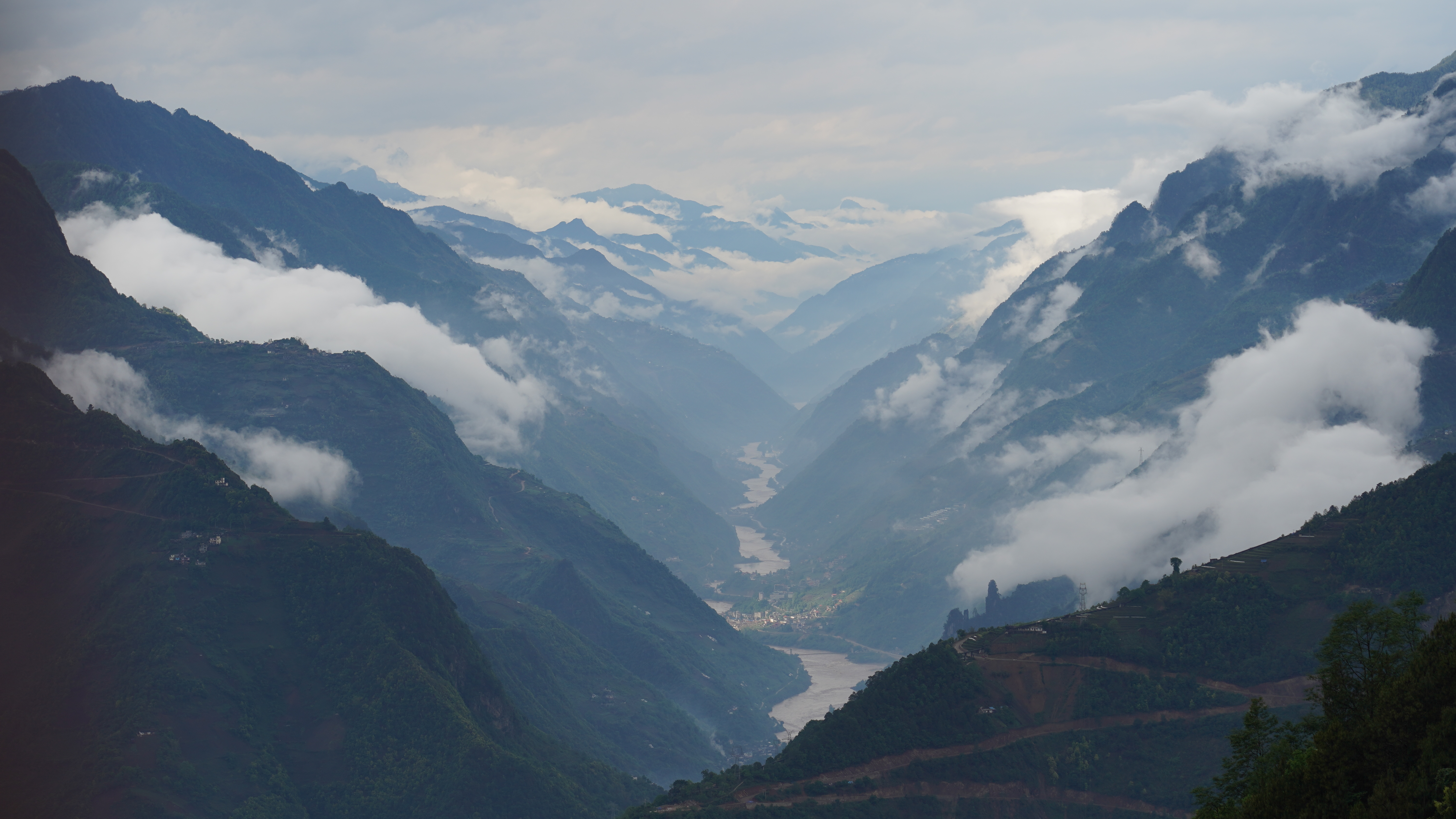
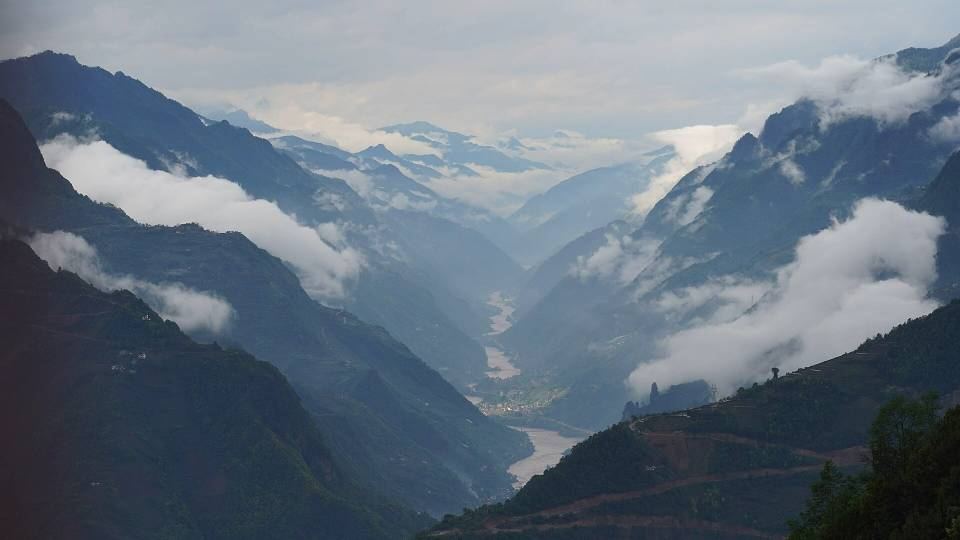 The Nujiang, Lancang, and Jinsha Rivers: the unique nature and culture of the Three Parallel RiversStarting from Dali and heading north, crossing over the Cangshan Mountains, you will enter a massive fold split open by three great rivers. The Nujiang (Salween), Lancang (Mekong), and Jinsha (Yangtze) rivers—three great rivers originating from the Qinghai-Tibet Plateau—cut through the land of northwestern Yunnan from north to south like three parallel knives. They run so close together—at their nearest point, the straight-line distance is less than seventy kilometers; and they flow side by side for over one hundred seventy kilometers before each turns and heads toward a different destination. This is the "Three Parallel Rivers," inscribed as a UNESCO World Natural Heritage site in 2003, and it is also a key to understanding Yunnan. Many people think the beauty of Yunnan is simply the wind, flowers, snow, and moon by Erhai Lake→
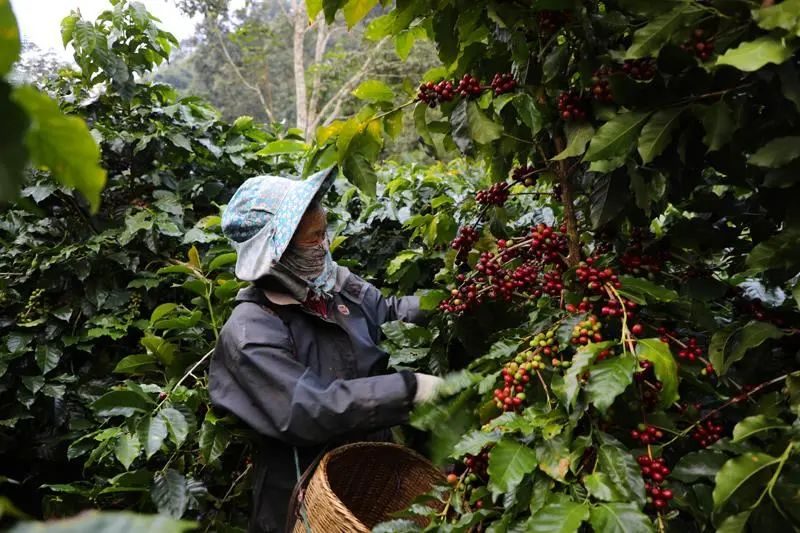 The history of Yunnan coffee: from Zhukula (a village in Yunnan) to a cup at the foot of Cangshan (a mountain in Yunnan)If you walk into the ancient town of Dali today, sit down at any café, and order a latte made with Yunnan beans, chances are you won't find it anything special. Coffee is far too common here—on Renmin Road there's one every few steps, the aroma of roasting drifts from the courtyards on Yeyu Road, and the terraces of the Chuangdancang Art District are full of people with their laptops. You might not realize that this ordinary cup of coffee is actually the end of a history spanning more than a century: its source lies in the mountains not far from the ancient town of Dali; its story begins with a French missionary and a small village almost completely cut off from the world. The story of Yunnan coffee is almost→
Comments
Comments
…