Life in Dali
When to go and what clothes to bring
Aug 15, 2026
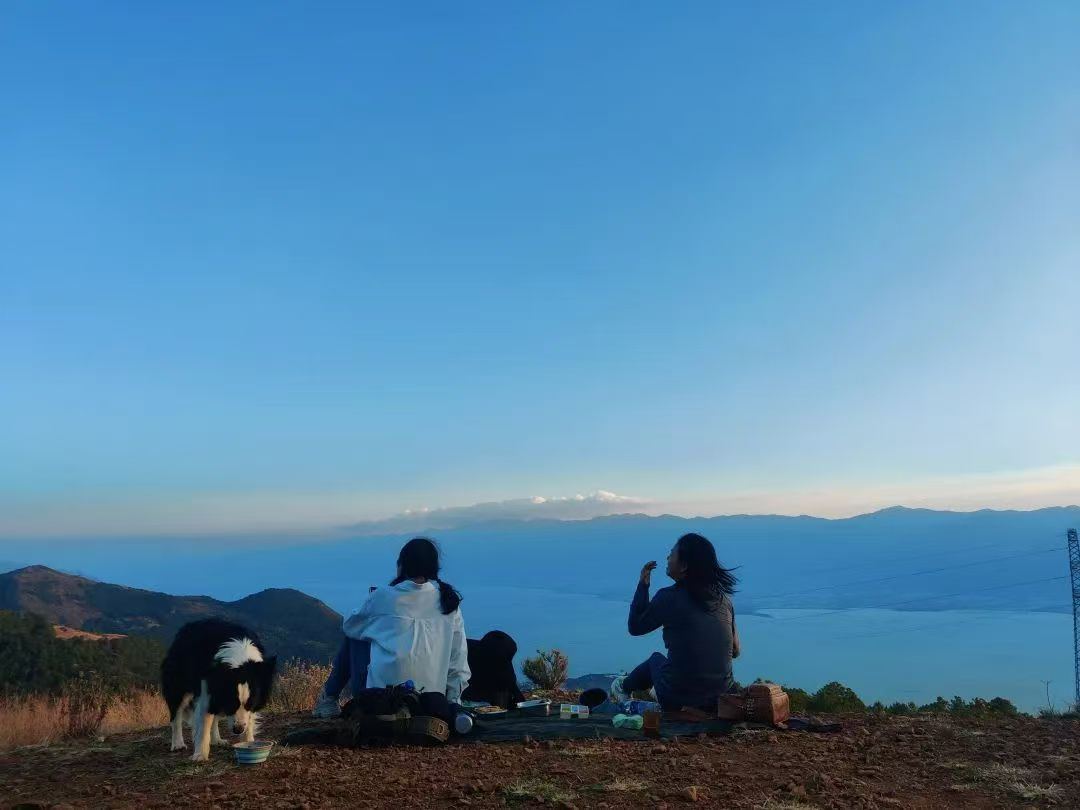
Dali's climate varies greatly across seasons. This guide organizes the weather for each month, clothing suggestions, and travel gear to help you decide when to come and what clothes to bring.
Overall, Dali's year is divided into two seasons: the rainy season and the dry season. The rainy season runs from late May to October, with rain from time to time—sometimes continuous rain for several days, sometimes just a short shower. Weather forecasts during this period are basically very hard to predict. The dry season basically has no rain, especially after November; if it does rain, temperatures drop and it snows on Cangshan (Cangshan Mountain).
Dali's overall climate is pleasant, which is one of the main reasons many people like Dali. Throughout the year, daytime is warm if it is sunny—that is, even in winter you can wear short sleeves during the day. But the temperature difference is large, mornings and evenings are quite cool, and when it rains, even summer can be very cold. Summers are very cool, and you need a blanket to sleep at night. Twice a year people prepare firewood—winter and summer; in winter because nights are cold, in summer because of the continuous rain.
January to March
After January the windy season begins, sometimes the wind is so strong people can't stand steady, until April. From January to April most weather is sunny and bright, and rain is very rare. Daytime is warm, and short sleeves are even possible. Early morning and evening start to get cold, and nights can reach zero, so a down jacket is needed. Once Spring Festival passes, the weather starts to warm up.
Temperature 0-20°C, with a large temperature difference. Winter cherry blossoms are already blooming, though they will fade around Spring Festival. Usually you can encounter them by the roadside, in residential compounds, and on distant hillsides. If you want to walk in the mountains, see cherry blossoms, and gaze at Erhai (Erhai Lake) from afar. Rhododendrons are just beginning to bloom a few early ones this season—not in large numbers but a special delight in the wild mountains.
Clothing suggestions:
For clothing, daytime is sunny and warm; some people wear short sleeves in the sun, but out of the sun or indoors it is cool and you need a jacket. The day-night temperature difference is large, so before going out during the day bring a thick jacket or fleece in case you return late after sunset and it gets cold. Down jackets, long johns, and hats are generally needed to cope with the cold periods. The air is dry and the sun is strong, so sunscreen, lip balm, and skincare moisturizing products are needed.
April to May
Weather and seasonal features: Before the rainy season, from April to early May, unlike other regions, this is Dali's hottest season, so it is also the time of the Dai region's Water Splashing Festival (April 13-15). Temperature is 10-28°C; daytime is hot, mornings and evenings are still slightly cool. The weather is basically sunny with very little rain. Occasional rain is also very brief and does not affect itineraries. In mid-May, it gradually enters the rainy season. It rains every day or every other day, so the downside is: you need to prepare an umbrella/raincoat. The upside is: as the rainy season arrives, mushrooms in the forest gradually emerge in late May, but not many; mushroom-picking activities begin around early June, and the whole mushroom season is June-October. Seasonal sights: rhododendrons, wild tea, ferns. In April and May, Dali's rhododendrons are in full bloom. On all Cangshan leisure hikes and light hiking routes you can see small-flowered rhododendrons and white rhododendrons, a bit like a forest garden. The fiery red alpine rhododendron requires going to the west slope of Cangshan (Cangshan Mountain), or the cloud ridge of Yongping (Yongping).
At the same time, the fern forest is at its most vibrant time of year, unfurling strange seahorse-like curls. In April new tea leaves have just sprouted—it is tea season, and you can go into the mountain forests to pick wild tea leaves. On sunny days before the rainy season arrives, it is also the easiest season to take a boat on the lake at night to stargaze; once the rainy season begins, weather uncertainty increases greatly. The blue Jinsha River (Jinsha Jiang) will gradually turn muddy after the rainy season begins in mid-May; before that, go paddleboarding across the Jinsha River to the opposite bank to pick honey tangerines.
June
In late May, the rainy season soon arrives. It rains every day or every other day, so the downside is: you need to prepare an umbrella/raincoat. The upside is: as the rainy season arrives, mushrooms in the forest gradually emerge in late May, but not many; mushroom-picking activities begin around early June, and the whole mushroom season is June-October; both ends have fewer varieties, and generally July-August has more varieties but also more people. The air in the rainy season is also relatively humid. However, it is not necessarily a dedicated mushroom-picking activity—on many hiking activities you can also see wild mushrooms.
Does the rainy season affect travel and activities? Don't worry too much. Although it often rains and inevitably brings inconvenience, it often rains for a while and then clears up. Therefore you will also often see rainbows, even double rainbows.
Temperature 13-28°C, mornings and evenings still slightly cool.
Clothing suggestions:
For clothing, daytime is hot when sunny; short sleeves and shorts, a T-shirt, are also fine, but a jacket is also needed—out of the sun it is cool. The day-night temperature difference is large, so before going out during the day bring a jacket or fleece. Remember to bring a jacket when going out during the day too, in case you return late and catch cold.
July-August
July enters the rainy season; it rains every day or every other day, so the downside is: you need to prepare an umbrella/raincoat. The upside is: as the rainy season arrives, mushrooms in the forest come out, and the whole mushroom season lasts until mid-June to early October. Learn about: mushroom-picking activities. The air in the rainy season is also relatively humid.
Does the rainy season affect travel and activities? Don't worry too much. Although it often rains and inevitably brings inconvenience, it often rains for a while and then clears up. Therefore you will also often see rainbows, even double rainbows.
Temperature 18-26°C, mornings and evenings still slightly cool.
Clothing suggestions:
For clothing, daytime is hot when sunny; short sleeves and shorts, a T-shirt, are also fine, but a jacket is also needed—out of the sun it is cool. The day-night temperature difference is large, so before going out during the day bring a jacket or fleece. Remember to bring a jacket when going out during the day too, in case you return late and catch cold.
Characteristics of Dali's summer: Dali is hottest in April and May; after the rainy season arrives, if it rains continuously, it is sometimes quite cool. In Dali, the season for preparing firewood for warmth, besides winter, is also summer.
9-11 months
Temperature 4-21°C. The rainy season gradually ends, most weather is sunny, and there is basically no rain. November enters the windy season, sometimes the wind is strong, especially at night, until April of the following year. Daytime is sunny and bright, short sleeves are enough, and the day-night temperature difference is large, so a thin down jacket is needed. Especially when going out in the afternoon, although it is warm, remember to prepare a jacket, otherwise after sunset it will be too cold to bear.
November-January
Starting in November, the rainy season ends and the windy season begins. Dali's windy season is a relatively long special season (November-April of the following year). Sometimes the wind is strong enough that people can't stand steady, blows over some unstable sheds, and blows motorcycles sideways.
Temperature 3-22°C, mornings and evenings cool. It basically no longer rains, and the weather is mostly sunny, but the wind is often strong, especially at night. The mushroom season ends, and large numbers of migratory birds from Siberia gradually arrive—it is a good season for birdwatching, watching migratory birds, and stargazing, taking a boat to stargaze. Winter cherry blossoms also gradually bloom in December.
Clothing suggestions:
For clothing, daytime is hot when sunny; short sleeves, a T-shirt, are also fine, but a jacket is also needed—out of the sun it is cool. The day-night temperature difference is large, so before going out bring a thin down jacket/thick jacket and fleece. You need a relatively thick quilt for sleeping. Remember to bring a jacket when going out during the day too, in case you return late and catch cold.
Altitude:
Dali is at 2,000 meters above sea level, still some distance from the altitude where altitude sickness may occur (2,400 meters). Most people may only experience altitude sickness above 3,000 meters. So Dali's altitude is basically not a problem. A few individuals may feel unwell, but that is the exception.
Fire prevention period: Generally December 1 to June 15 of the following year is the fire prevention period; on most mountain roads you can go up after registering. After March enters the strict control period, most are not accessible.
Hiking shoes: If hiking, bring sports shoes/hiking shoes; they can be used for daily wear and hiking.
River-tracing shoes/sandals: For river tracing you can bring river-tracing shoes, but it is not mandatory; snug sandals are also a feasible choice for ordinary river tracing, reducing the need to buy or carry more items.
Swimsuit: Dali has hot springs, so bring a swimsuit.
← Return to the "Dali Travel Information" overview
Places mentioned · Chinese names
坐船在夜晚的湖上观星 · 划桨板横渡金沙江去对岸采蜜柑 · 采蘑菇 · 徒步
Dali in depth
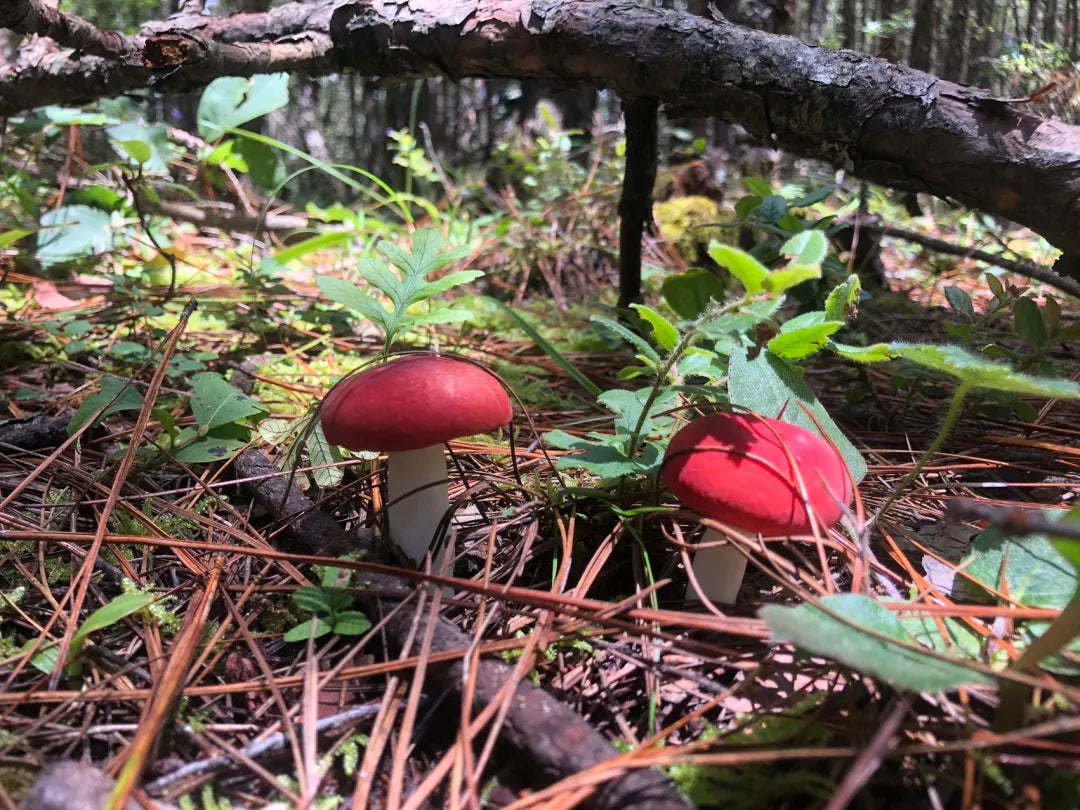 Dali Wild Mushrooms: Mushroom Season, Table Recipes, and Two Thousand Years of Mushroom-Eating HistoryEvery June, when the rainy season arrives in Yunnan, mushrooms start to pop up. Yunnan has 2,753 known wild mushroom species, accounting for more than half of China's total. This article covers the dried beef mushroom (ganba jun), termite mushroom (jizong), green-headed mushroom (qingtou jun), matsutake, and jianshouqing on Dali people's tables, how locals stir-fry them and preserve them in oil until next year, and also records from Zhuangzi, Bencao Gangmu, and Xu Xiake of Yunnan people eating mushrooms for over two thousand years—as well as the safety bottom line that must be upheld when foraging and eating mushrooms.→
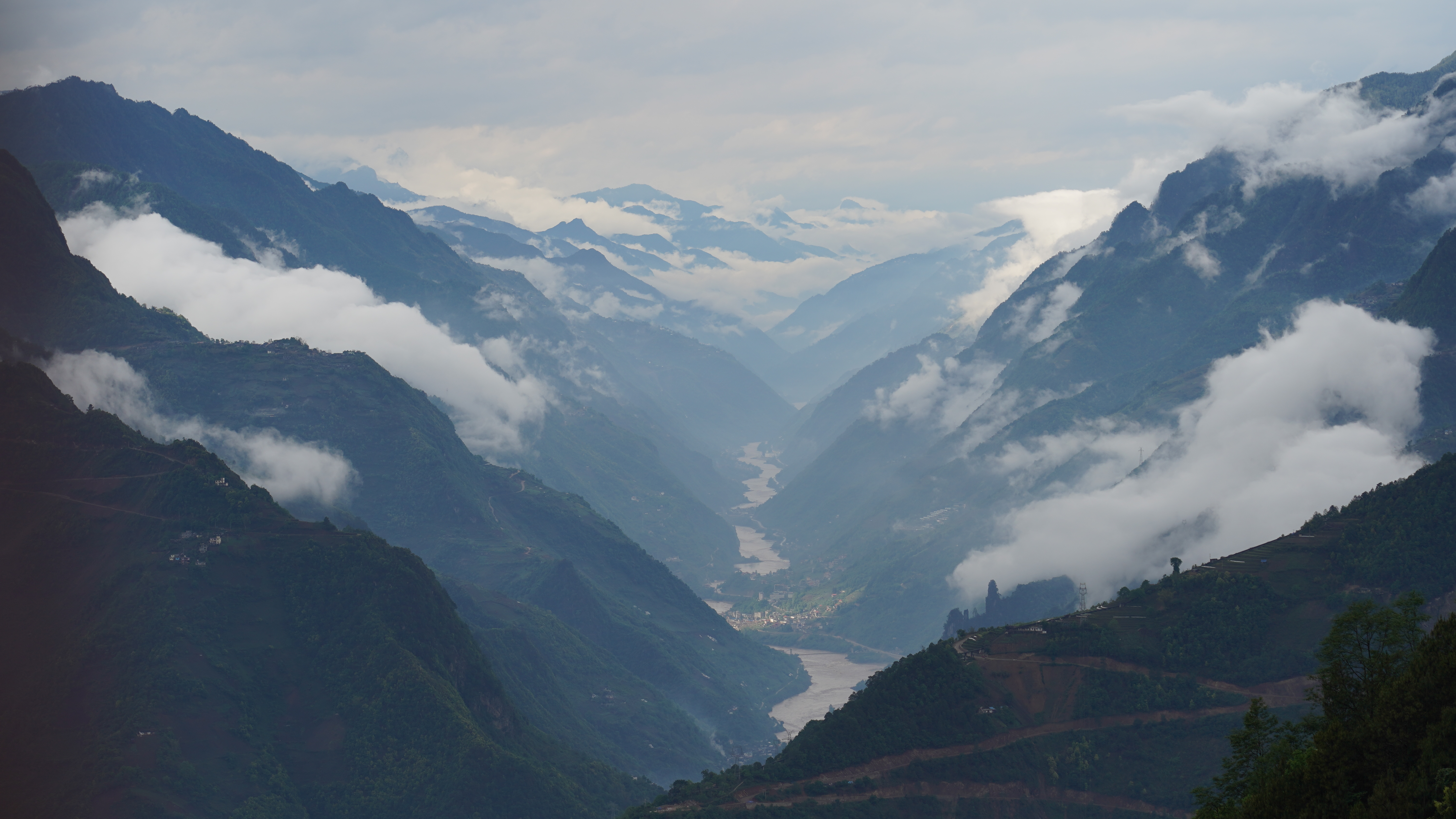 Scripts, Songs, and Wine in the Valleys: The Spread of Christianity in Yunnan's BorderlandsFrom James O. Fraser's early encounters with the Lisu people in Tengchong, explore the scripts, songs, churches, and wine of Yunnan's borderlands.→
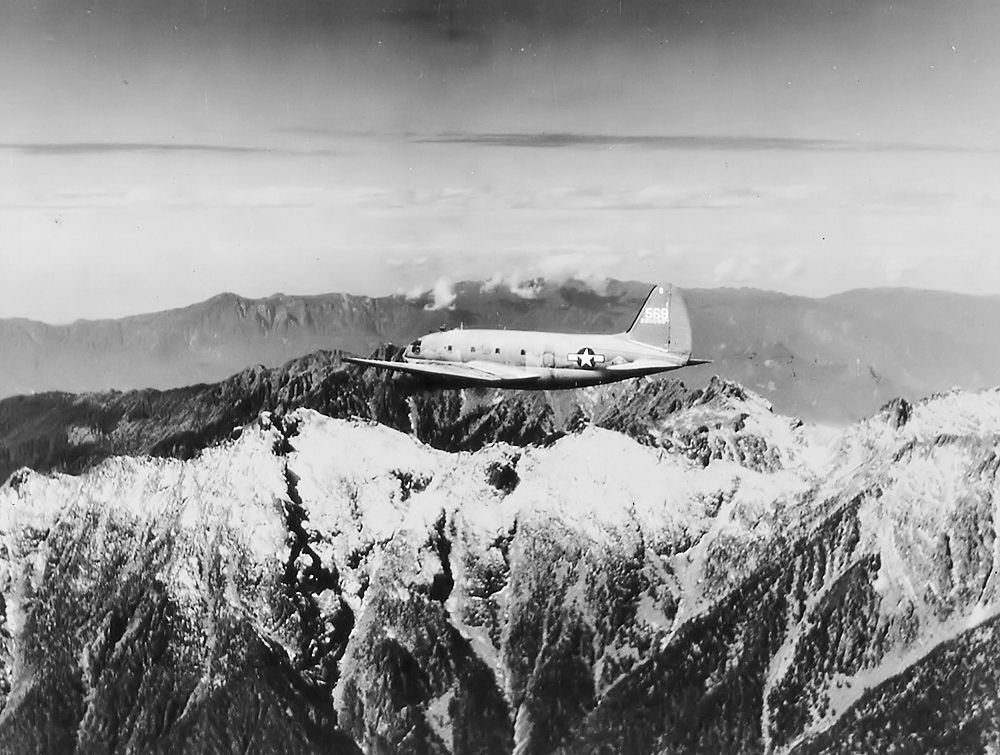 The Hump Route and the Burma Road: Two Lifelines of the War of Resistance Through YunnanOne leads through the mountains west of Xiaguan to Myanmar, the other flies over the mountains from Yunnanyi in Xiangyun. How did the Burma Road and the Hump Route maintain China's connection with the world during the most difficult phase of the War of Resistance? Why did Dali become an important node on both lifelines simultaneously?→
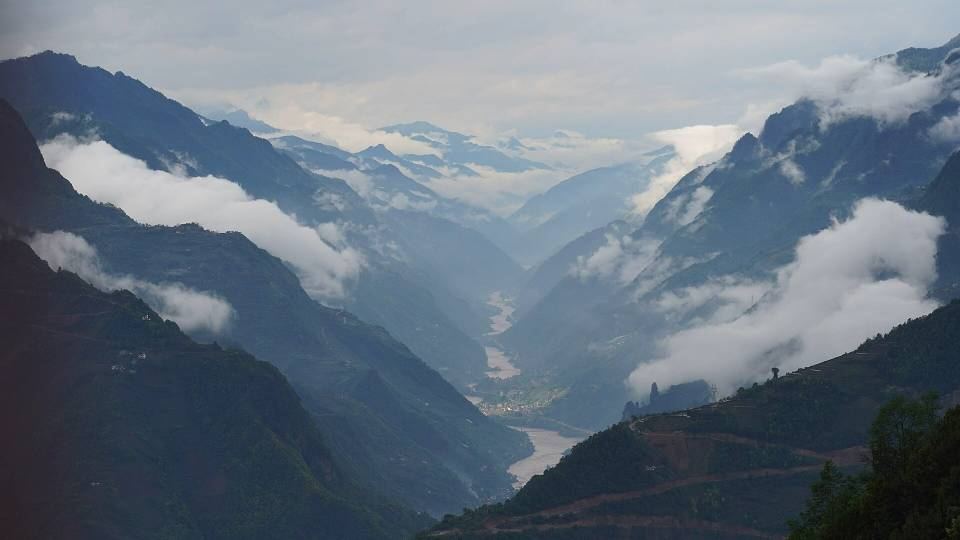 The Nujiang, Lancang, and Jinsha Rivers: the unique nature and culture of the Three Parallel RiversStarting from Dali and heading north, crossing over the Cangshan Mountains, you will enter a massive fold split open by three great rivers. The Nujiang (Salween), Lancang (Mekong), and Jinsha (Yangtze) rivers—three great rivers originating from the Qinghai-Tibet Plateau—cut through the land of northwestern Yunnan from north to south like three parallel knives. They run so close together—at their nearest point, the straight-line distance is less than seventy kilometers; and they flow side by side for over one hundred seventy kilometers before each turns and heads toward a different destination. This is the "Three Parallel Rivers," inscribed as a UNESCO World Natural Heritage site in 2003, and it is also a key to understanding Yunnan. Many people think the beauty of Yunnan is simply the wind, flowers, snow, and moon by Erhai Lake→
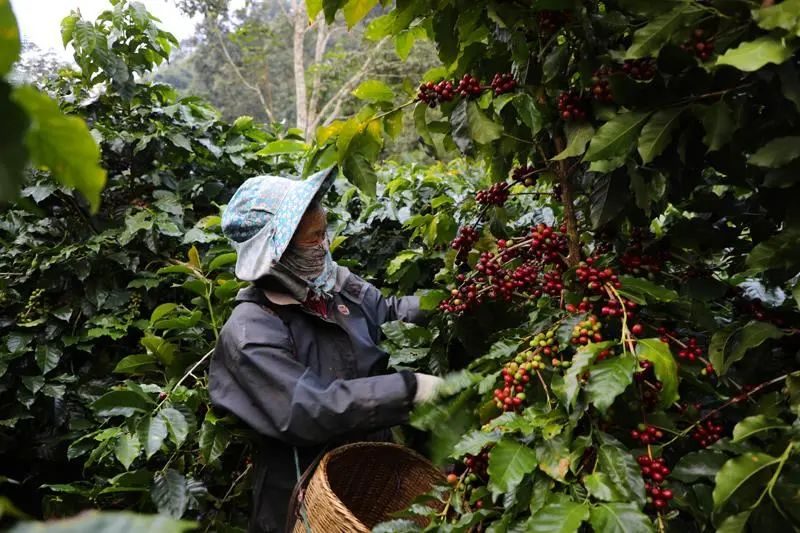 The history of Yunnan coffee: from Zhukula (a village in Yunnan) to a cup at the foot of Cangshan (a mountain in Yunnan)If you walk into the ancient town of Dali today, sit down at any café, and order a latte made with Yunnan beans, chances are you won't find it anything special. Coffee is far too common here—on Renmin Road there's one every few steps, the aroma of roasting drifts from the courtyards on Yeyu Road, and the terraces of the Chuangdancang Art District are full of people with their laptops. You might not realize that this ordinary cup of coffee is actually the end of a history spanning more than a century: its source lies in the mountains not far from the ancient town of Dali; its story begins with a French missionary and a small village almost completely cut off from the world. The story of Yunnan coffee is almost→
Comments
Comments
…