Life in Dali
Exploring on Your Own: How to Get Around Dali
Aug 15, 2026
Free independent exploration: exploring on your own, hiking, and surrounding destinations
Don't want to join a tour group? This guide covers ways to explore Dali independently: maps.me offline maps, Cangshan hiking routes, and destinations around the old town (Fengyangyi, Shaxi, Nuodeng, Xizhou, wild hot springs, etc.).
Books and other resources about Dali
"Dali Waizhuan" (An Unofficial History of Dali) by British author Jason Pym. It records Dali's folk customs and history, as well as local cultural sites, through text and illustrations. It is an excellent comprehensive introductory book for deepening your understanding of Dali.
Outdoor gear shopping:
There are not many local options; buying online in advance is the best choice.
If you need something on short notice, for professional outdoor brands you can go to "Shendu Huwai Qijian Dian" (Deep Outdoor Flagship Store) in Xiaguan, 15 km from the old town. They carry some professional outdoor brands such as Arc'teryx.
For buying outdoor gear online, let me share my purchasing experience:
Weidian (WeChat shop): YEBA Ye. WeChat: yebajia02. Factory direct, very affordable prices, good quality, but don't expect it to match products costing several times more.
What you can buy: hiking shoes, knee pads, hardshell jackets and pants, softshell jackets, socks (not limited to these; many other categories are also available).
Tents: We currently mostly use Naturehike Cloud Up (silicone-coated 20D), lightweight, good rain protection, sufficient for general outdoor use. You can buy from the flagship store; no specific shop recommendation needed, they're all about the same.
Sleeping bags: Xianyu (secondhand marketplace) seller: Wennuan Dadi 666888. Down sleeping bags, G1300 about 340 yuan — the price of a cotton sleeping bag, but can handle winter in most places. If you have the budget, you can choose better sleeping bags, such as Sea to Summit ultralight sleeping bags, Marmot, etc.
Advice for travelers who explore and hike on their own:
One of the best tools for self-exploration is: maps.me (available for iPhone/Android — on Android you can also use OrganicMaps, which I'm using; it's cleaner and more compact). Both are easy to download.
Download offline maps in advance (e.g., Yunnan, just a few dozen MB). The biggest advantage is that all hiking trails in the area are shown, naturally including the 19 peaks of Cangshan. This app uses OpenStreetMap data, so it works worldwide — you can use it for hiking in other countries too, for example I've used it in Thailand and Iran. By comparison, apps like Liangbulu only show single routes that others have walked, which is limited. Also, this app can run in airplane mode and barely uses battery (very important for self-exploration). In addition, bring backup power, clothing, food, and a headlamp as backup. If you are careless, underprepared, or overconfident, you are not a suitable person for exploration.
In Dali, there are multiple hiking routes in the nearby Cangshan Mountains — you can stroll casually or go to the summit. Recommended: Lan Peak/Sanyang Peak — the most beautiful, both passing through alpine lakes such as Heilong Tan (Black Dragon Pool), very natural. The highest peak, Malong Peak (difficult to reach, requires traversing around the peak), or Xiaocen Peak, which most people visit, isn't that great. If you want to traverse several peaks in one go, you need to be extremely cautious — the trails at the summits are hard to identify in the rainy season and dangerous in the windy season; not something ordinary people can do.
The route from Liantai Mountain through Muxiang Ping to the Golden Summit of Jizu Mountain is a classic Buddhist pilgrimage route with clear tracks.
Niaodiao Mountain has nice scenery, just a bit over-hyped online; the tracks are also clear.
Shibao Mountain in Shaxi and Weibao Mountain in Weishan are both good for hiking.
If you go to Baoshan, the wild hot spring hike at Baihualing in the Gaoligong Mountains is also good. Drive to: Hanlong Zhai; tracks are available.
The above tracks: available on maps.me and OrganicMaps.
Places to visit around Dali:
If you find the old town too noisy and don't know where to go in Dali, consider the following places:
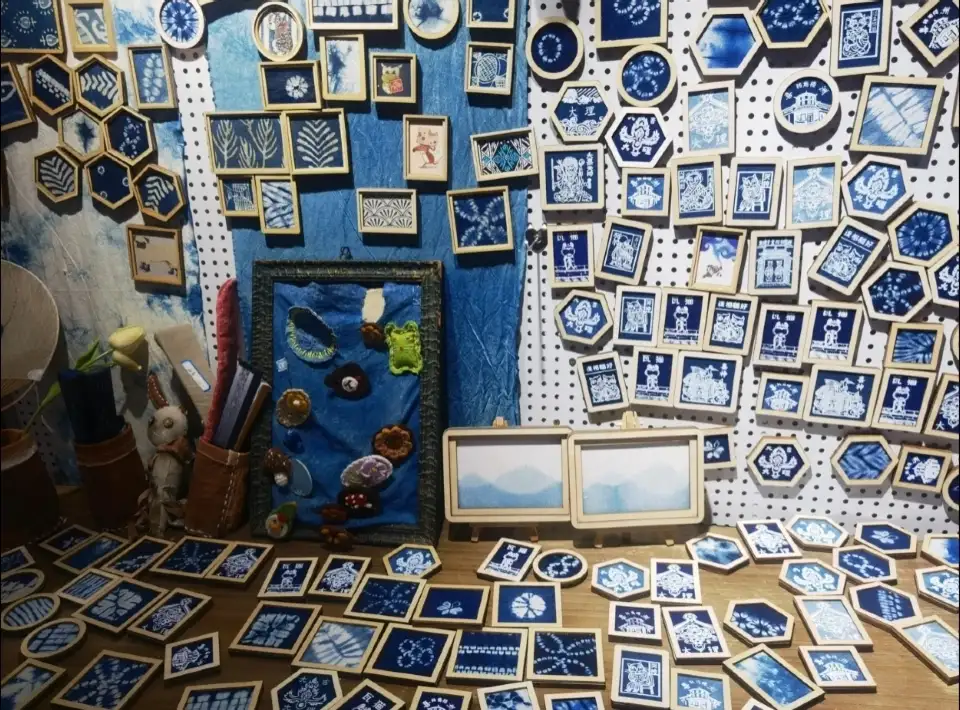
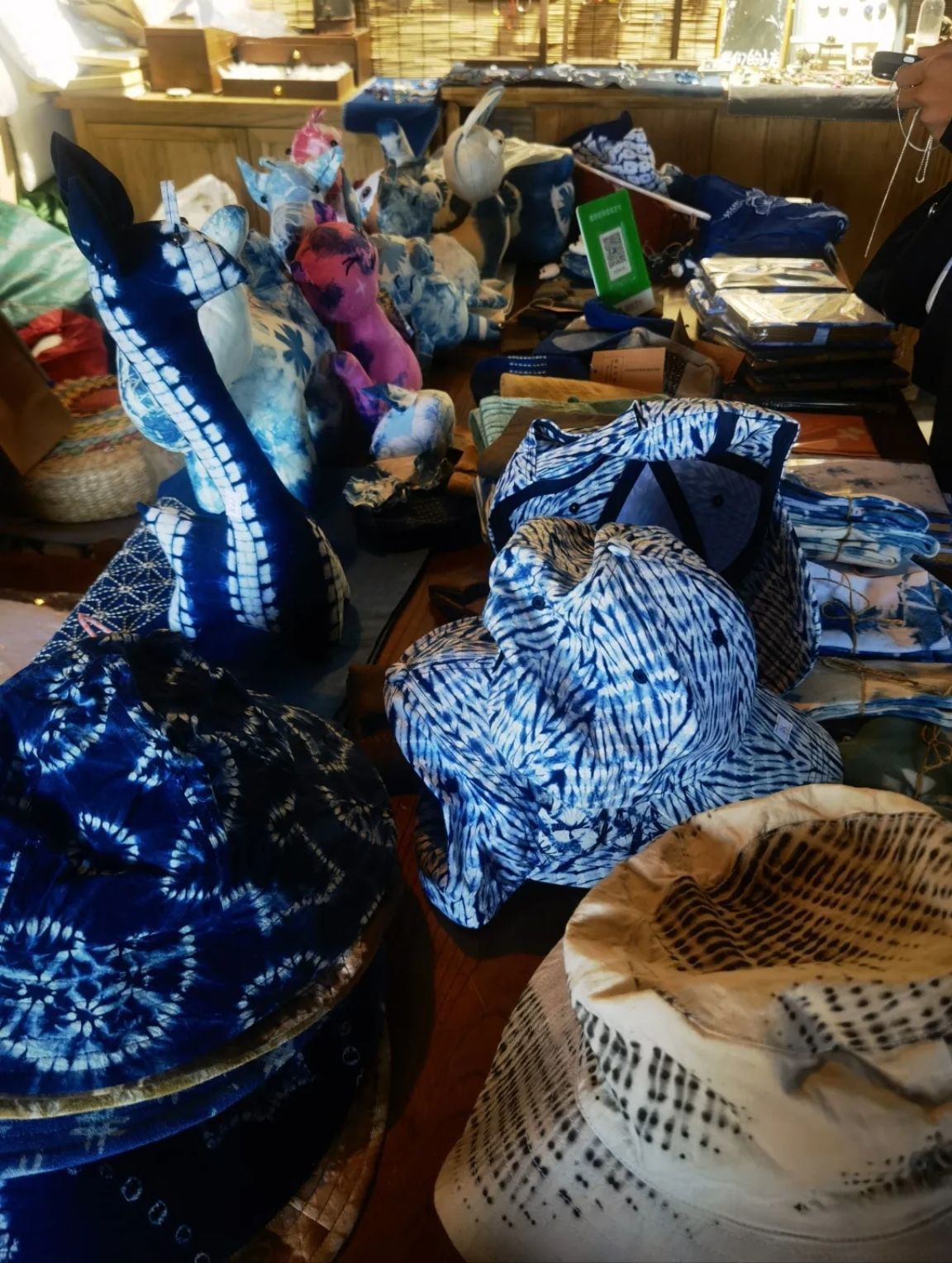
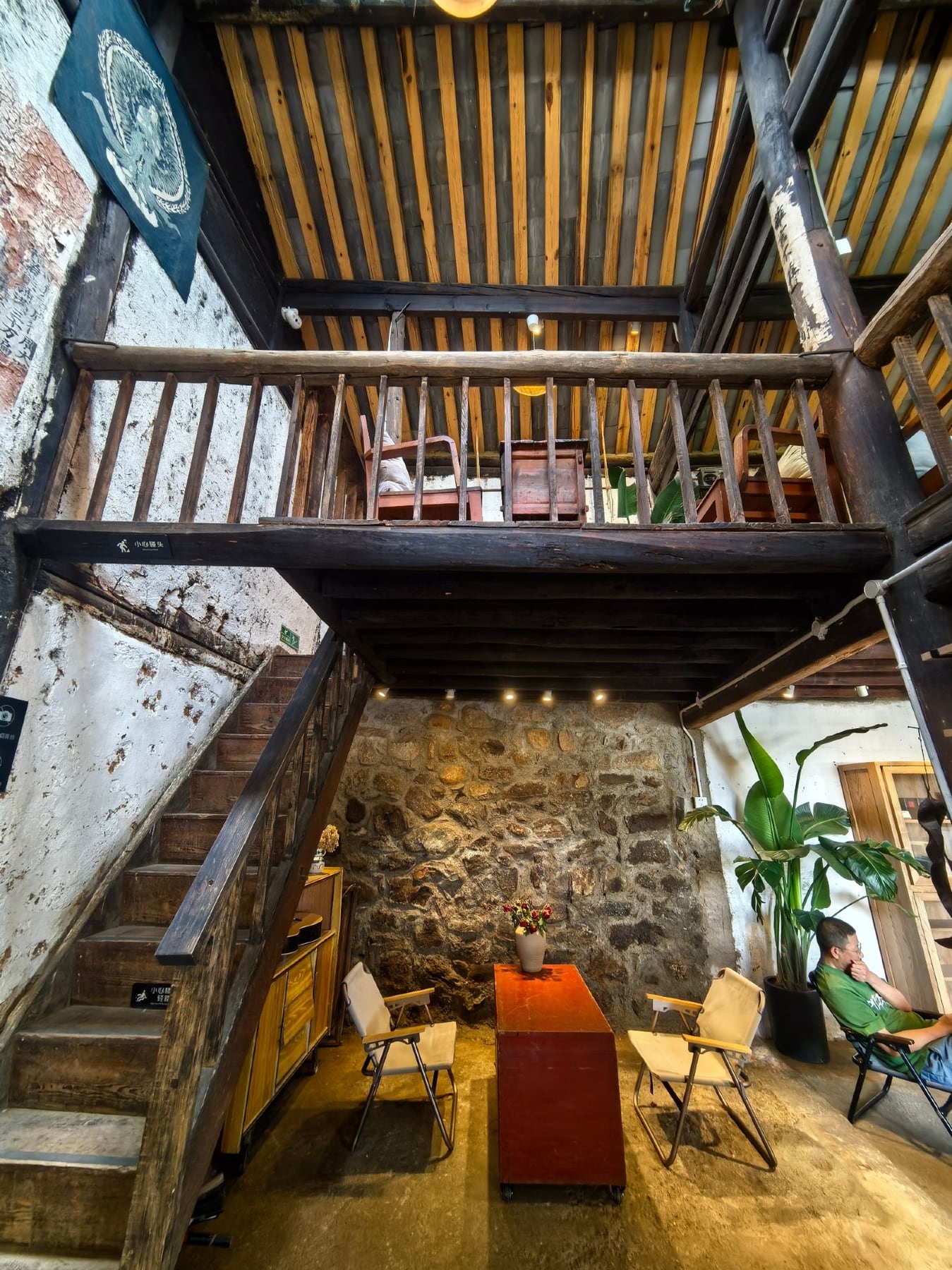
Fengyangyi: 7 km from the old town. It is a Tea Horse Road village nestled at the foot of the mountain. Originally quaint and full of everyday life, with good scenery, very worth taking a walk through — many guests who visited said they loved it. But now, after the TV show "Meet Yourself" aired, it has become a photo-op spot, with stalls lining the once-quiet ancient road. However, there are still some interesting places in the village, such as a courtyard nearby offering indigo dyeing experiences (one called Zhibai — many guests have participated and given good feedback). Our hiking experience passes through this village. There is a courtyard at Xiqi Brewing where you can try craft beer or drink wine. For coffee, choose Qiuyuan Cafe (a wonderful old courtyard, my personal favorite) — coffee, Bingbing's homemade desserts and cakes, the old courtyard is beautiful with great views. Roland's Bianke Zhiran (weaving and dyeing) is also at the village entrance of Fengyangyi.
Wuxiang Temple: 5 km from the old town. A quiet temple (compared to Jizhao Nunnery). Take a taxi to the parking lot below (map landmark: Chenjiabao), then slowly walk up the mountain road (30 minutes) — this is the best way to visit Wuxiang Temple. Going directly to the Wuxiang Temple parking lot is possible, but it greatly reduces the enjoyment. Wuxiang Temple parking lot.
Jizhao Nunnery: This one is quite famous — the succulents and vegetarian meals (lunch at 11:30, dinner at 17:30, 20 yuan buffet) are both good. It's just very crowded (extremely crowded). Jizhao Nunnery.
Walking and cycling by Erhai Lake near the old town: The wetlands along Erhai Lake are now beautifully done, and only walking and cycling are allowed — great for a stroll, and safe with children. There are wild ducks in the lake and some migratory birds passing through. The views of Erhai are wide open, with Cangshan in full view — enough to spend half a day. The lakeside road is very long; you can search for the landmark "Sansheng Dao" (Three Saints Island) — reachable by car or DiDi. The area nearby is one of the best sections. A walk around here is generally enough to appreciate the beauty of Erhai. Of course, if you're staying by the lake, the nearby corridors are all good — it's hard to pick the most beautiful one. The corridor has plenty of shared bikes and e-bikes. Fanju · Dream House (Dali Erhai branch) is not far from Sansheng Dao, with fewer people — even better. Or here: Dali City Dazhuang Wanziao — you can park nearby, or the entrance at Dali Qishan Suhai Seaview Guesthouse in Xiajiyi. Essentially the entire corridor is beautiful, with grasslands, lake shores, and woods.
Stream wading on your own:
Qingbi Stream, next to Dali Hongbaoshi Inn, is suitable for children of any age and adults. There are streams, waterfalls, and even cliff jumping spots. I live nearby and often take my dog there. It meets most people's needs. Easy to reach, the stream isn't deep, many waterfalls, you can walk a long distance, and it's safe.
Cable cars: Three cable cars. 1) Zhonghe Temple cable car to Yudai Road (elevation 2,600 m) — an old-fashioned chairlift type, now rare in China; many people go specifically to try it. Cangshan Zhonghe Cable Car. 2) Ximatan is the big cable car, reaching 3,800 m, the highest. On good days you can overlook Dali; in winter you can see snow — local friends also go to see the snow after snowfall each year. But it stops running when it's windy, and in bad weather you can't see anything. Cangshan Ximatan Cable Car. 3) Gantong Cable Car (near Gantong Temple and Jizhao Nunnery) — also goes to Yudai Road. Cangshan Gantong Cable Car parking lot. Both Gantong and Zhonghe cable cars terminate at Yudai Road, where you can stroll and enjoy the scenery.
Local parks: Yu'er Park — parks are often vivid showcases of local life. Yu'er Park in Dali Old Town is one such place. Yu'er Park - South Gate.
Xizhou Ancient Town:
The area near Linden Centre is usually packed; I suggest continuing outward to the distant fields. Xizhou is fairly touristy, but the Jiangzhiji Folk Art Center is not to be missed — #highly recommended. Although located in Xizhou, it showcases crafts and historical traditions from all of Dali, and also has many fine contemporary works. Highly recommended, even for locals. You can buy quality Dali craftworks of various kinds, and there are professional Jiama (paper horse) printing and handmade paper experiences. Reservation WeChat: bojizai. Jiangzhiji Folk Art Center.
Near Shuanglang: Jiwo Cafe (now closed, but can still be used as a destination — the views along the way are excellent and completely different from the Erhai you see on the usual lakeside loop):
60 km from the old town, including 12 km of mountain road. One of the most beautiful spots to view Erhai, with excellent views from halfway up the mountain. A cafe attached to a farmers' painting collective. Worth a visit; you can stroll nearby. A place worth going out of your way for. Along the way you'll see Erhai — good enough as an Erhai tour. Note: self-driving required. Our light hiking route on this line passes by Jiwo Cafe.
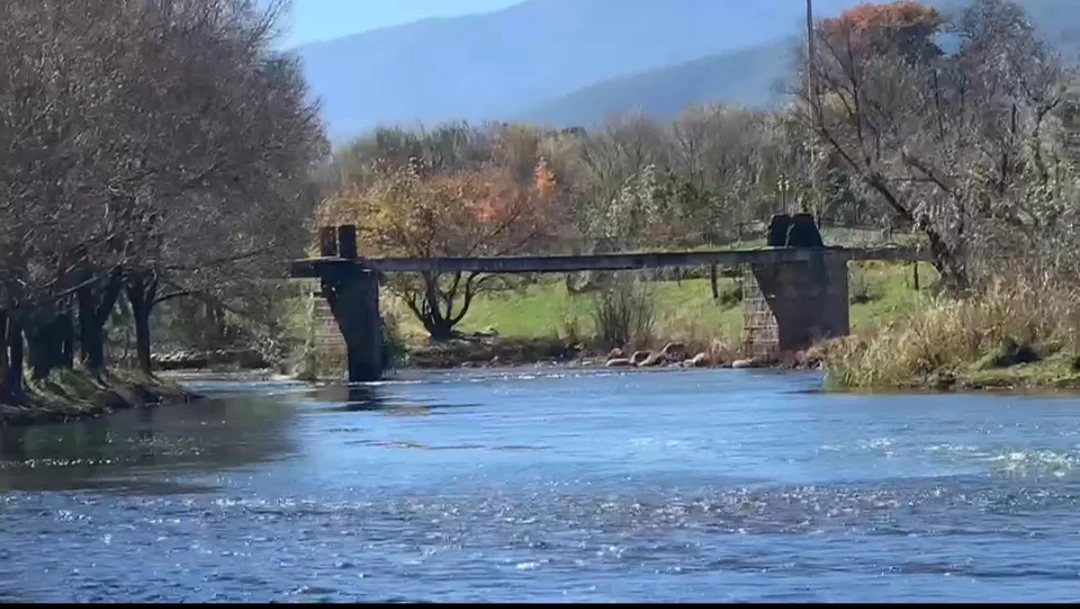
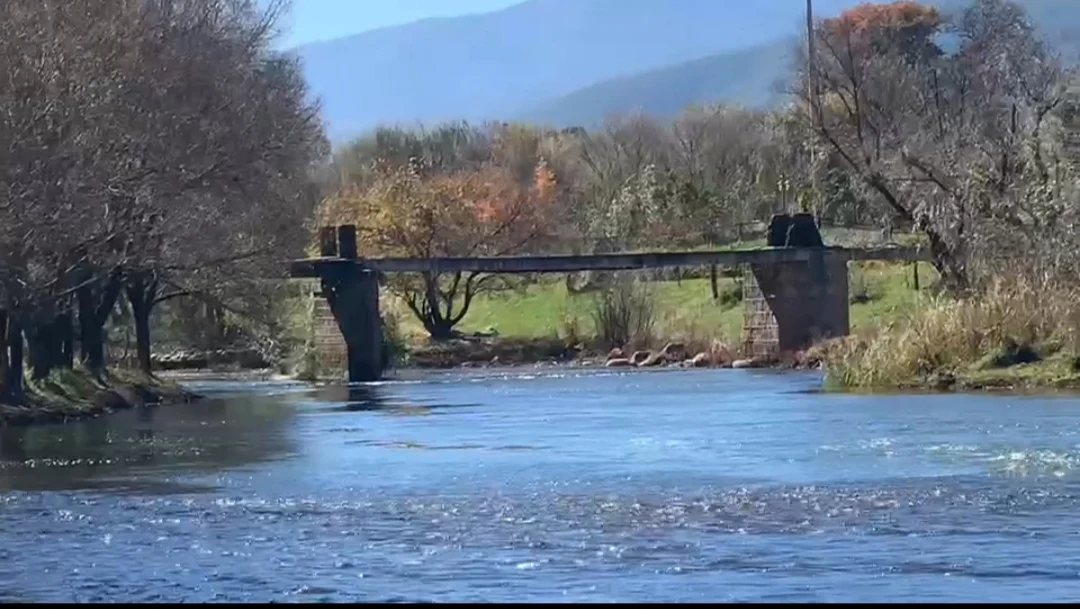
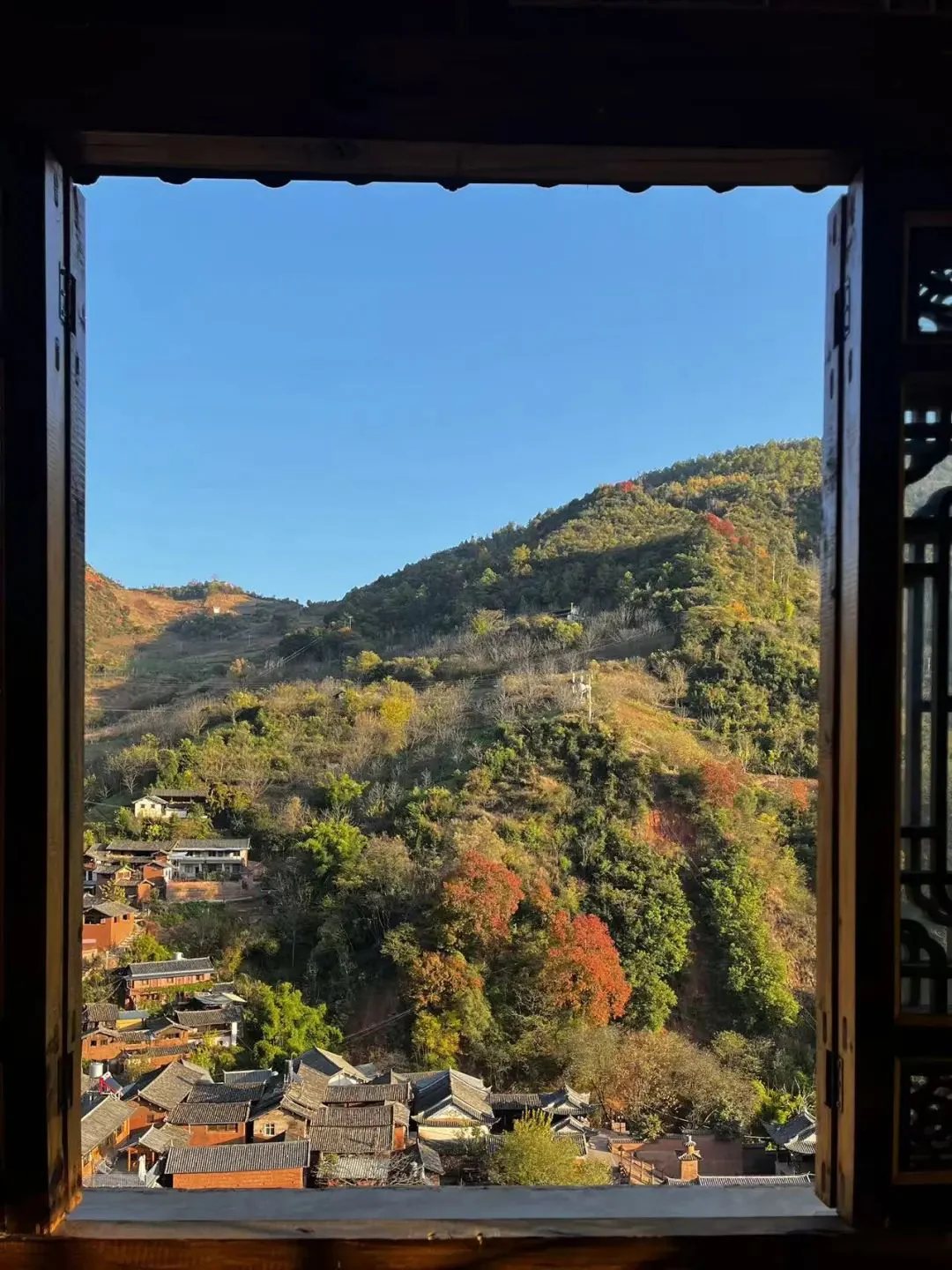
Shaxi: 130 km from the old town. Everyone who goes says they love it — exceeds expectations. It's a Tea Horse Road town; the ancient town is maintained by a Swiss foundation, so it retains its original appearance without haphazard development. A few steps outside town is the Heihui River, where you can stroll along the river, surrounded by fields — truly refreshing. Find a spot called Banshan Cafe (just as a landmark) and walk there to overlook the ancient town and valley. If you have more time, Shibao Mountain nearby is also a nice attraction, with many cliff-carved Buddha statues and hiking routes — search for "Shadengjing Grottoes Area" and there's a hiking route going up (an exploratory route; ordinary visitors should be cautious; use the app maps.me to see the tracks). I've only been to three good local restaurants: Dazhong Fandian (Dazhong Restaurant — fish soup is very good), Lihua Canguan (Lihua Restaurant — beef and local dishes), Longfeng Ruiying Canguan (Longfeng Ruiying Restaurant) — affordable and delicious. Cafes: Duya Coffee and Chicha Qu (desserts). You can rent a car to go (recommended route: Niusha Line — few people and beautiful; turn up the mountain at Niujie; the village road before entering the Niusha Line isn't great and you'll wonder if you're going the wrong way). Alternatively, take the bus to Jianchuan from Cangshan Gate on Route 214 and transfer to a rural bus at Diannan Town. Also, every morning at 9:00, there is a shuttle bus from Lanlinge Hotel on Yu'er Road in the old town to Lanlinge in Shaxi. Call this number in advance to confirm: 18887265969. Or there's a daily Shaxi driver: 17387207019 Xiao Yang, about 80 yuan per person.
Anaguo: 200 km from Dali — actually in Lijiang, but a great hiking destination reachable from Dali. I've been twice; it's truly beautiful — a valley with alpine meadows. Anaguo hiking is managed by the village collectively, providing one-stop hiking, accommodation, and meals, charged per person with prices varying by group size; a group of four is more economical. The service is well done. Inquiry WeChat: wuranyibu1992. Anaguo Reception Station.
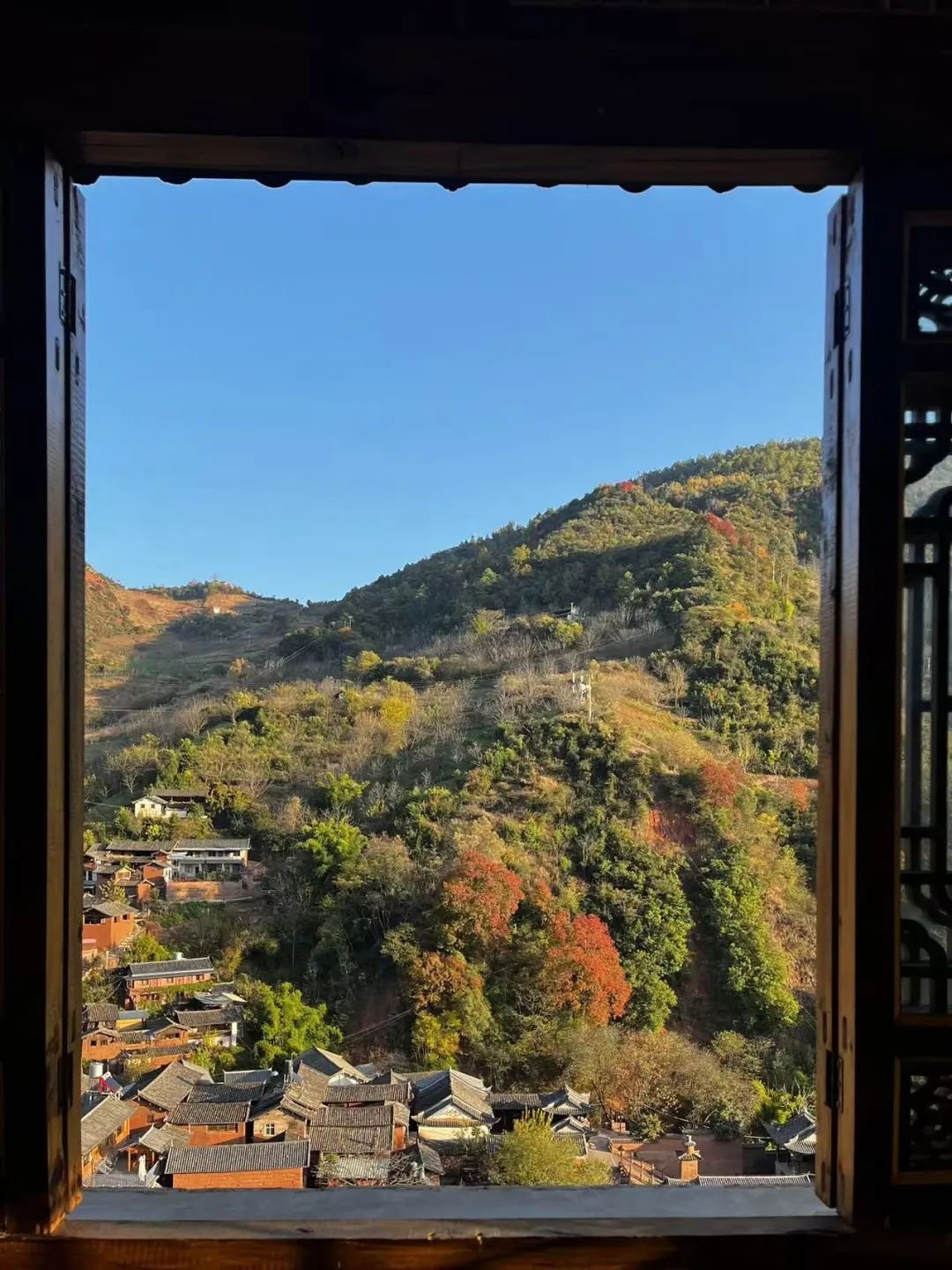
Nuodeng: Famous for Nuodeng ham, 180 km from Dali. An ancient village on a hillside, historically a salt-producing area, economically prosperous, with salt-horse trade routes crisscrossing. Because it's relatively far, tourists are usually not too many. The village is quaint, and the surrounding mountain villages are good for hiking and strolling. Along the way you pass Yangchimì Wild Hot Spring. Now that the highway is open, transport is faster. I recommend a guesthouse I've stayed at: Xinkélái Kèzhàn (Xinkelai Guesthouse), phone 15087295015. Not famous, but affordable, homey, with ham and free-range chicken cooked on a wood stove, and nice people. Nuodeng Xinkelai Guesthouse. Stay at the guesthouse, walk around nearby villages, eat home-cooked meals — very relaxing. If not self-driving, you can use "Dianyue Chuxing" to get to Yunlong, then take a taxi a few kilometers to Nuodeng village.
Qifeng Pear Blossom Village: In Heqing, 120 km from Dali; self-driving required. Around late March each year (if you're there then, you're in luck), pear blossoms are in full bloom. The first time I went, I was stunned. It no longer feels like a village — it's blossoms covering the mountains and fields, thousands upon thousands of acres. The village itself is beautiful.
Yangchimì Wild Hot Spring: 120 km from Dali, in a valley in Yunlong County. Can be combined with Nuodeng Ancient Village (50 km away) to make it worthwhile. A great wild hot spring with clear, bubbling water. WeChat location: Yangchimì Hot Spring (not Yangchimì Village) — the location is accurate. Since cars can drive right up, be prepared for crowds. Best to camp; after 9 PM is the best time to soak — fewer people and good water temperature. Yangchimì Hot Spring.
Hot spring hotels: If you want a comfortable hotel hot spring. Locals usually go to Xiashankou; the most frequented is Putuoquan Hotel — large, with many good pools. Some also choose smaller hot spring hotels with newer facilities and rooms, such as: Xiashankou Qianhe Hot Spring Resort. Xiashankou Qianhe Hot Spring Resort. The hot springs at Xiashankou are good, but actually the fields and Yunnan albizia trees along the nearby Miqie River are the best pastoral scenery — excellent for walking. Twenty kilometers away in Niujie there's Yecaòquan (Wild Grass Spring) and also Xunyun Shanzhuang (Xunyun Mountain Resort), both well reviewed.
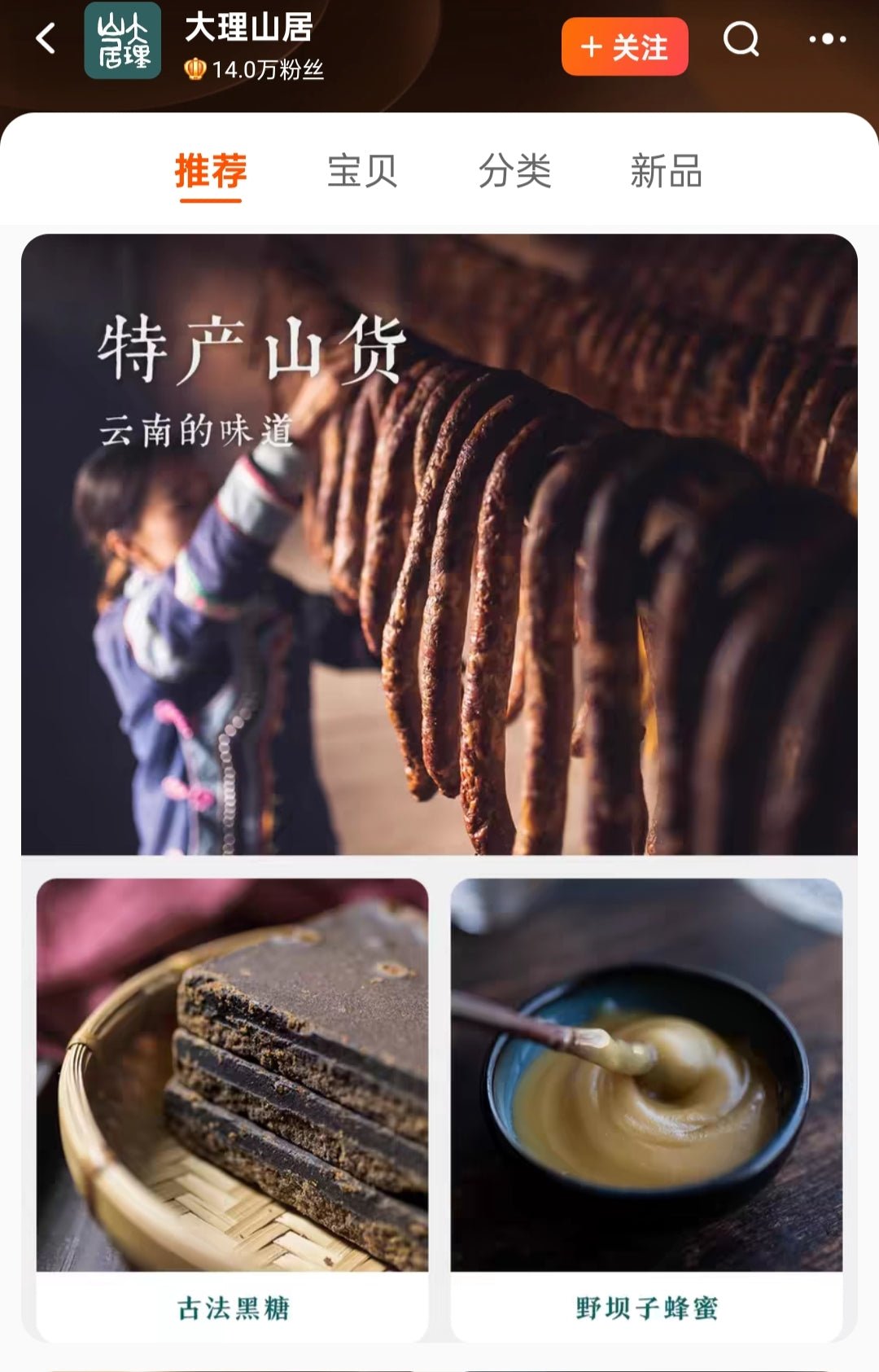
Yunnan specialties and souvenirs: "Dali Shanju" focuses on Yunnan local products — carefully sourced, mostly for families' daily use, reasonably priced, with simple and attractive packaging, so it actually makes a great Yunnan travel souvenir. Black tea, raw pu'er, rubing (cheese), rose flowers, brown sugar, mushroom combinations for chicken soup, rose jam, and plum wine are all excellent choices. To purchase, they have a Taobao shop.
Marble paintings: Marble paintings are made by selecting stones with natural patterns that look like a picture. Introduced by my friend Yilang; typically 200–300 yuan, great value — a rather distinctive gift or personal memento. Not a gift shop, but a roadside processing workshop. Marble Painting Workshop, 13608823938, A Peng.
Coffee roaster Xiao Hua, WeChat: EndlessAzaleas. Many of our friends, both individuals and coffee shop owners, buy beans from him. Reliable, honest, no frills.
← Back to "Dali Travel Information" overview
Places mentioned · Chinese names
凤阳邑 · 沙溪 · 诺邓 · 深度户外旗舰店 · 植白 · 西七制酒 · 楸园cafe · 边客织染 · 无为寺 · 寂照庵 · 三圣岛 · 清碧溪 · 苍山中和索道 · 苍山洗马潭索道 · 苍山感通索道 · 玉洱园 · 匠志集•民艺中心 · 鸡窝咖啡馆 · 半山咖啡 · 大众饭店 · 丽花餐馆 · 龙凤瑞英餐馆 · 渡鸦咖啡 · 吃茶去 · 阿纳果接待站 · 羊吃蜜野温泉 · 诺邓欣客来客栈 · 奇峰梨花村 · 普陀泉酒店 · 下山口仟禾温泉 · 野草泉 · 寻云山庄 · 大理山居 · 大理石画作坊
Places and experiences in this story
沙溪(Shaxi)
诺邓(Nuodeng)
植白扎染·手创蓝染工作室(Zhibai Tie-Dye · Handcrafted Indigo Dyeing Studio)
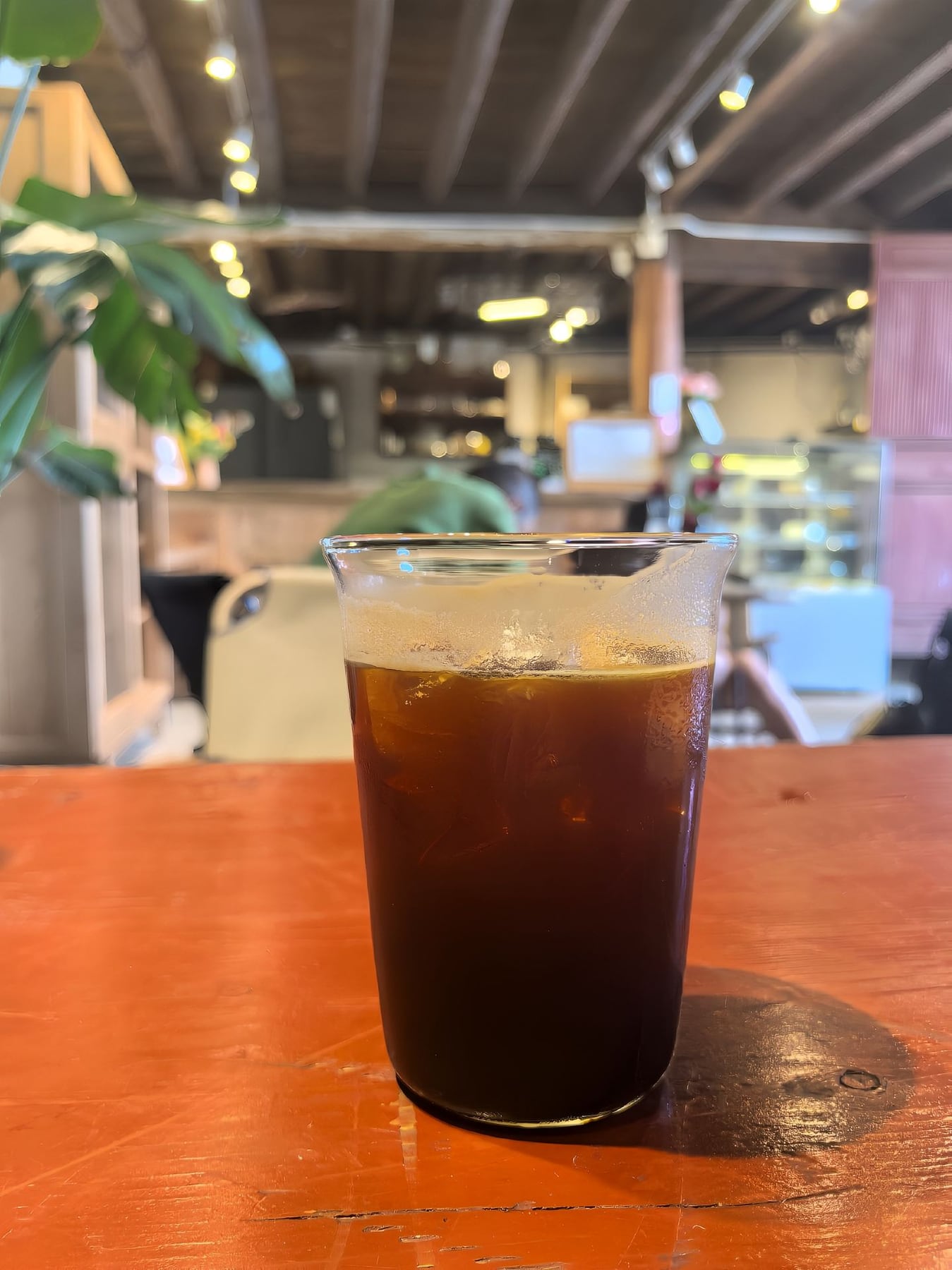
楸园咖啡CAFE(Qiuyuan Coffee CAFE)
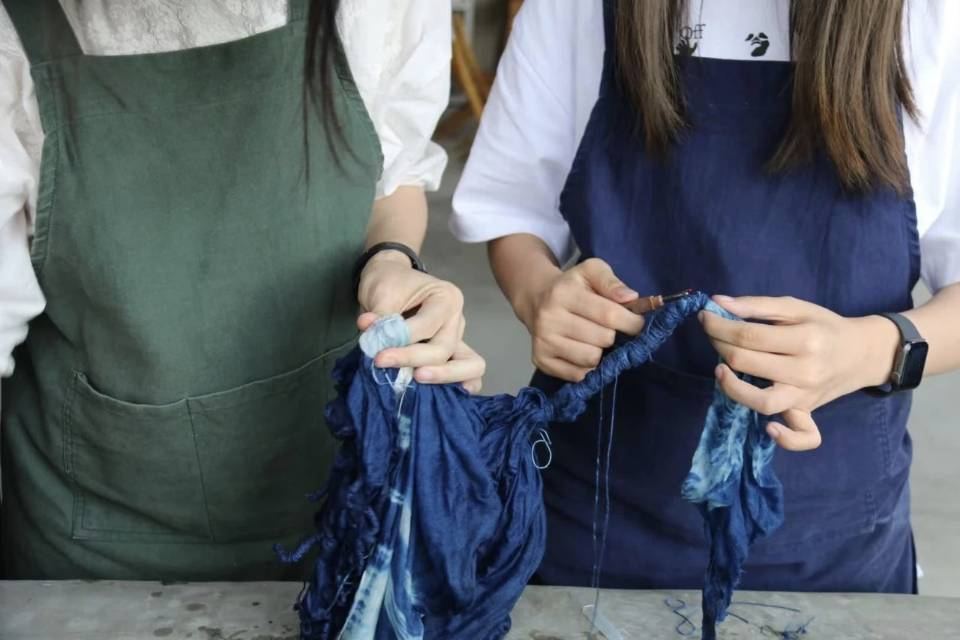

边客织染工作室|罗兰的植物染(Bianke Weaving and Dyeing Studio | Roland's Plant Dyeing)
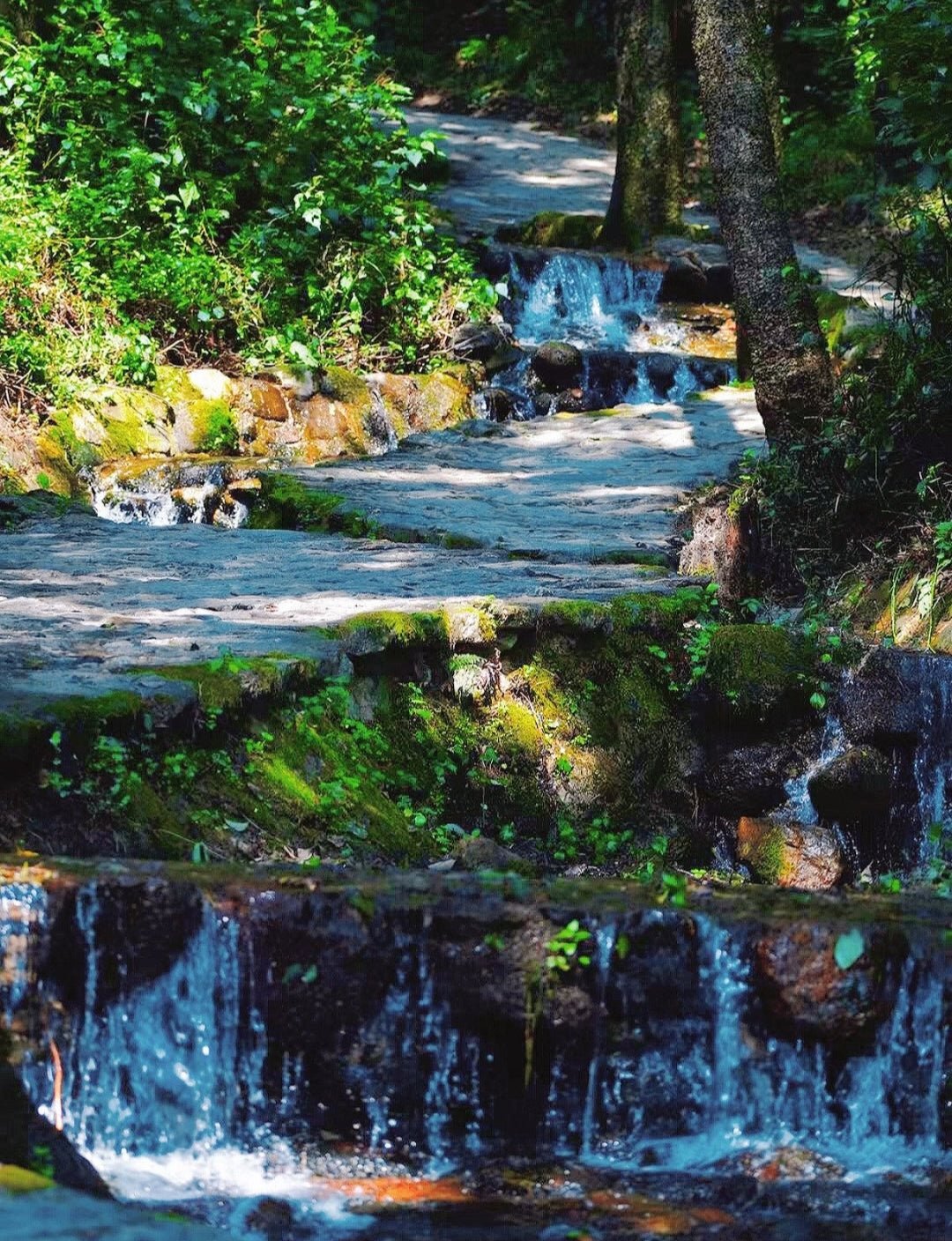
无为寺(山里走走)(Wuwei Temple (A Walk in the Mountains))
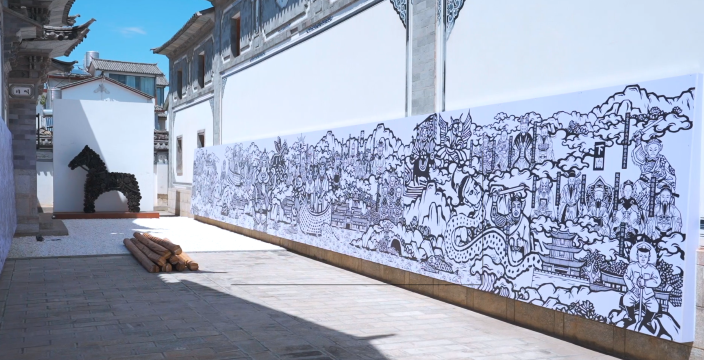
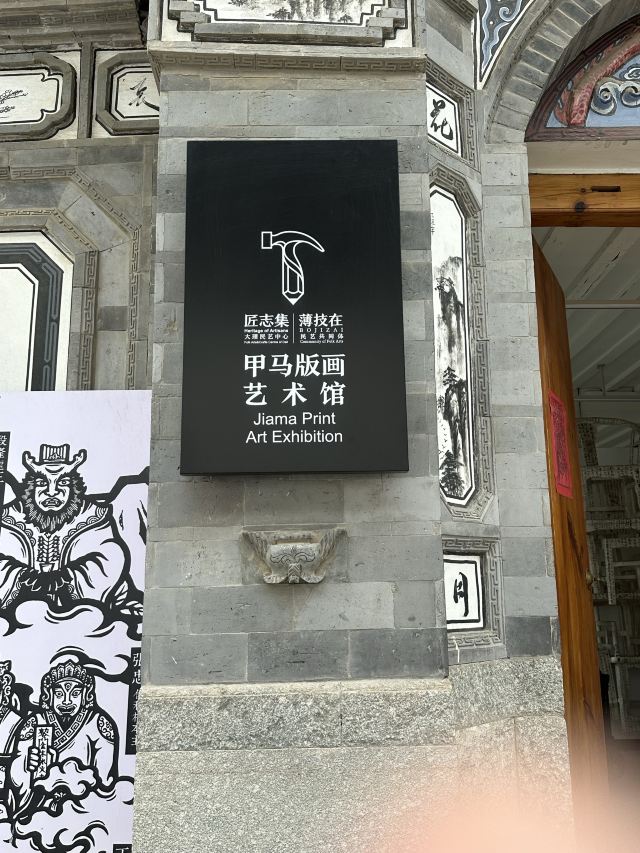
匠志集•民艺中心(Artisan Archive • Folk Art Center)
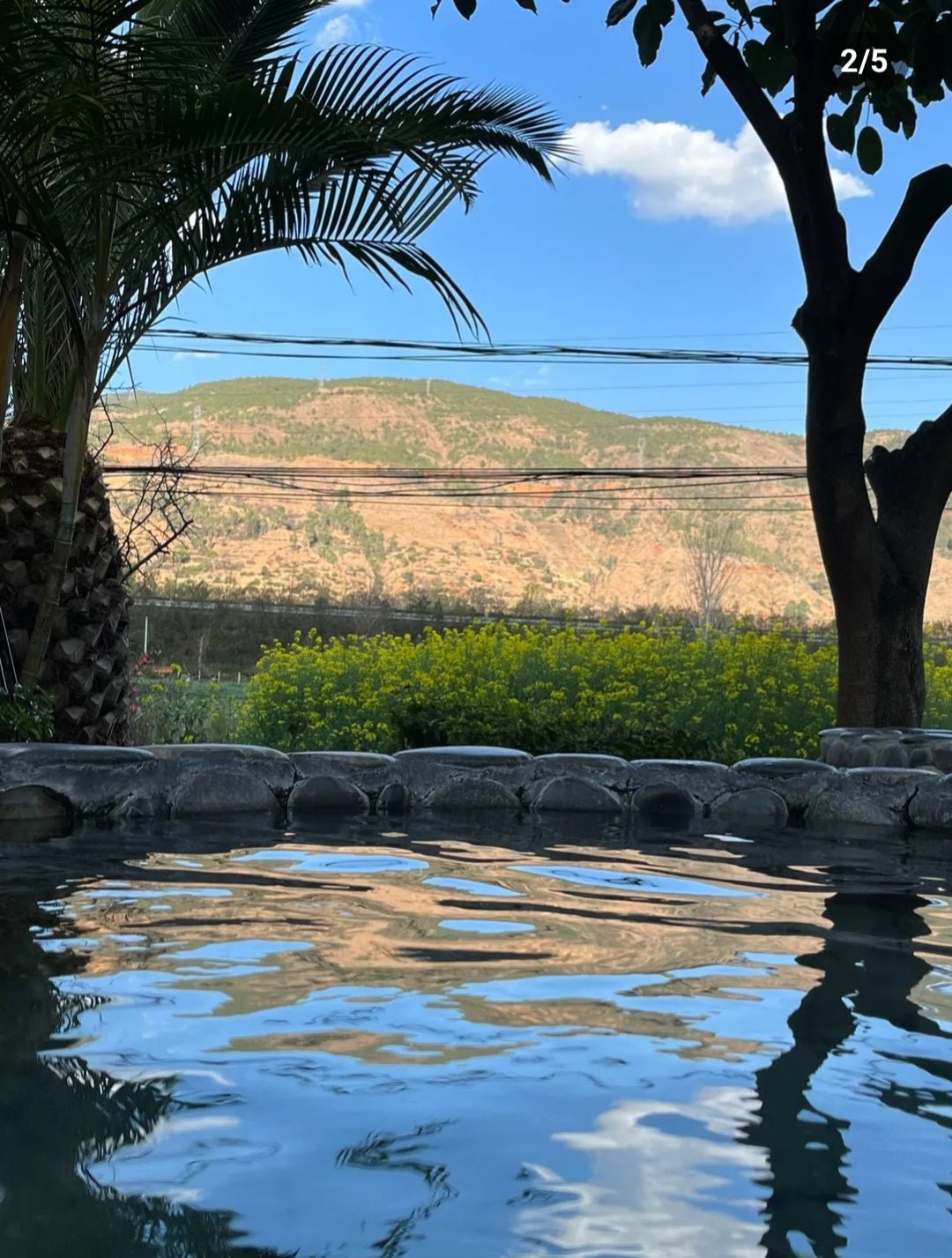
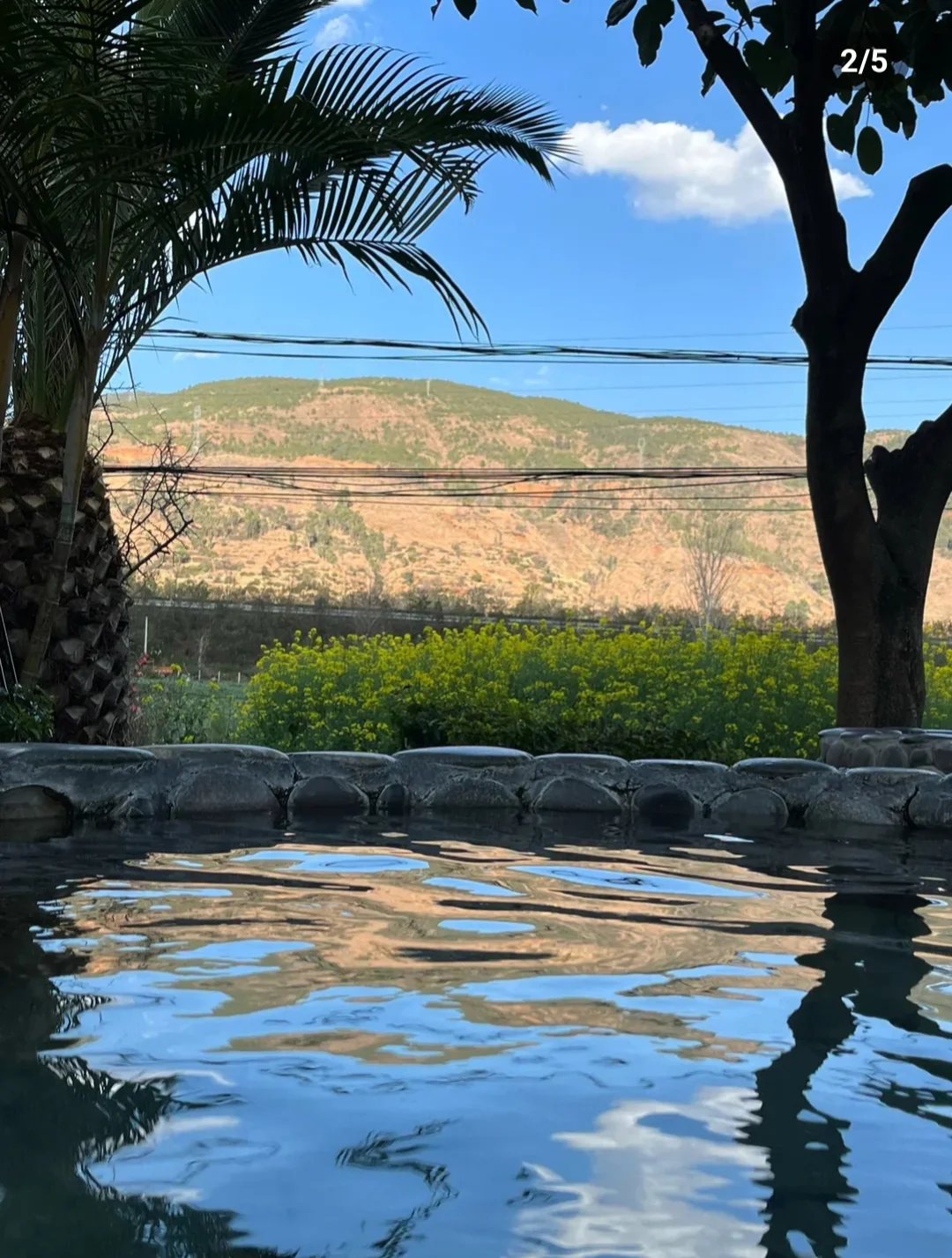
阡禾温泉(下山口)(Qianhe Hot Spring (Xiashankou))
大理山居 | 云南物产(Dali Mountain Residence | Yunnan Products)
Dali CommunityExplore on your own8 places ›Dali in depth
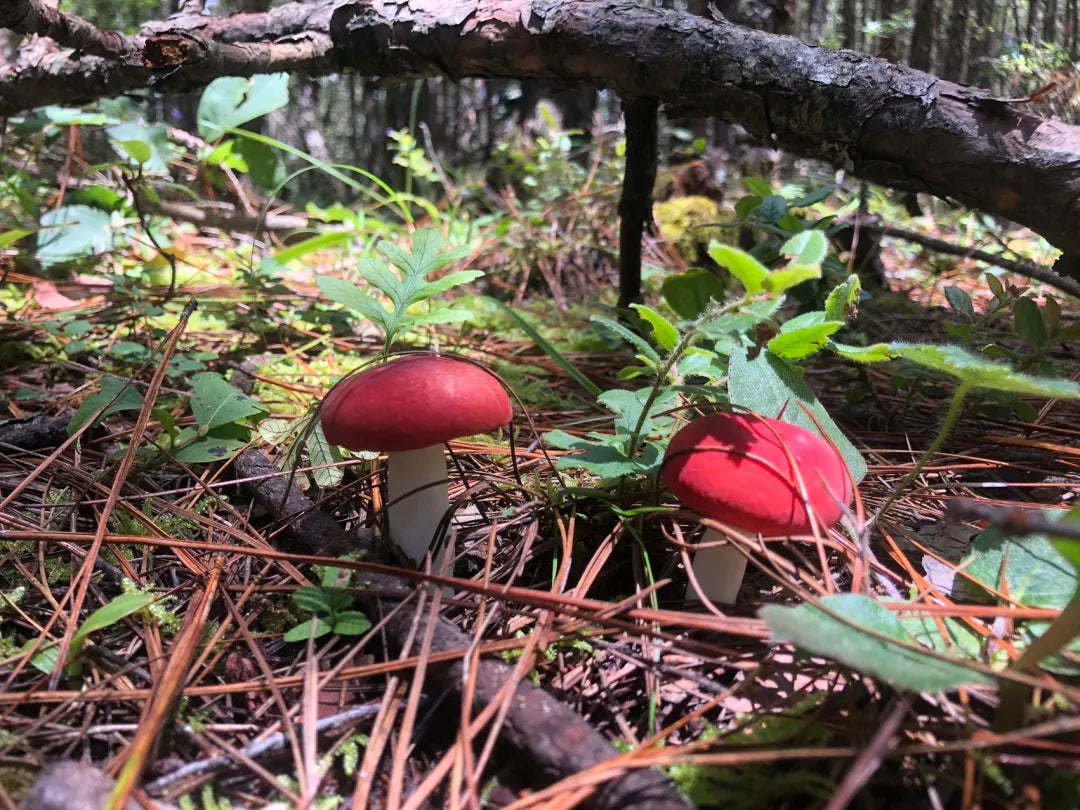 Dali Wild Mushrooms: Mushroom Season, Table Recipes, and Two Thousand Years of Mushroom-Eating HistoryEvery June, when the rainy season arrives in Yunnan, mushrooms start to pop up. Yunnan has 2,753 known wild mushroom species, accounting for more than half of China's total. This article covers the dried beef mushroom (ganba jun), termite mushroom (jizong), green-headed mushroom (qingtou jun), matsutake, and jianshouqing on Dali people's tables, how locals stir-fry them and preserve them in oil until next year, and also records from Zhuangzi, Bencao Gangmu, and Xu Xiake of Yunnan people eating mushrooms for over two thousand years—as well as the safety bottom line that must be upheld when foraging and eating mushrooms.→
 Scripts, Songs, and Wine in the Valleys: The Spread of Christianity in Yunnan's BorderlandsFrom James O. Fraser's early encounters with the Lisu people in Tengchong, explore the scripts, songs, churches, and wine of Yunnan's borderlands.→
 The Hump Route and the Burma Road: Two Lifelines of the War of Resistance Through YunnanOne leads through the mountains west of Xiaguan to Myanmar, the other flies over the mountains from Yunnanyi in Xiangyun. How did the Burma Road and the Hump Route maintain China's connection with the world during the most difficult phase of the War of Resistance? Why did Dali become an important node on both lifelines simultaneously?→
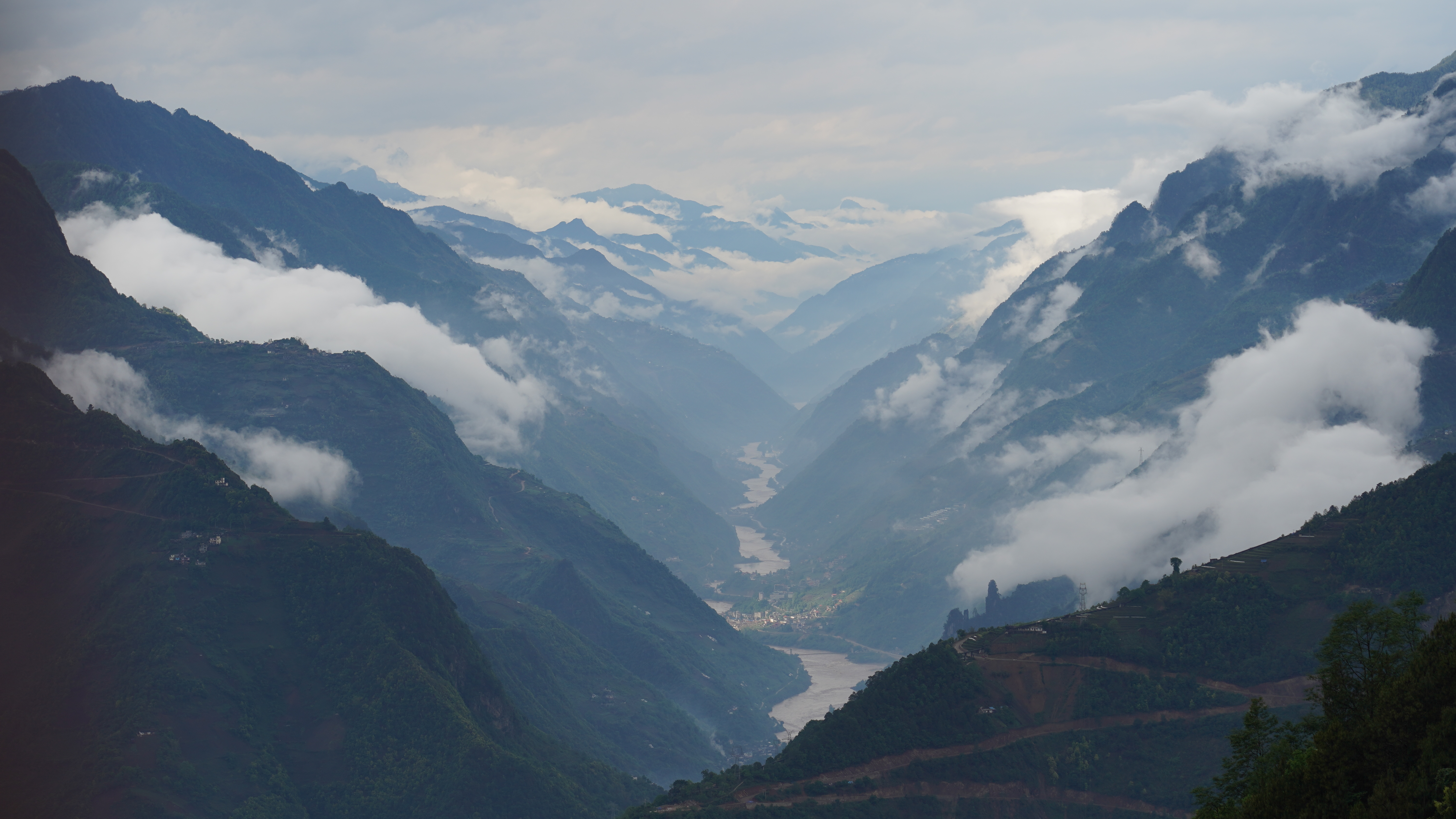
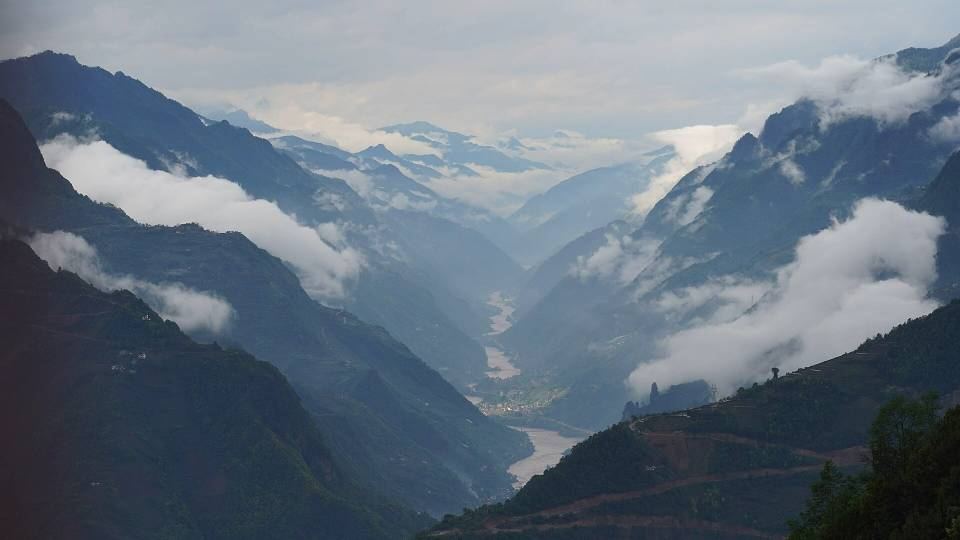 The Nujiang, Lancang, and Jinsha Rivers: the unique nature and culture of the Three Parallel RiversStarting from Dali and heading north, crossing over the Cangshan Mountains, you will enter a massive fold split open by three great rivers. The Nujiang (Salween), Lancang (Mekong), and Jinsha (Yangtze) rivers—three great rivers originating from the Qinghai-Tibet Plateau—cut through the land of northwestern Yunnan from north to south like three parallel knives. They run so close together—at their nearest point, the straight-line distance is less than seventy kilometers; and they flow side by side for over one hundred seventy kilometers before each turns and heads toward a different destination. This is the "Three Parallel Rivers," inscribed as a UNESCO World Natural Heritage site in 2003, and it is also a key to understanding Yunnan. Many people think the beauty of Yunnan is simply the wind, flowers, snow, and moon by Erhai Lake→
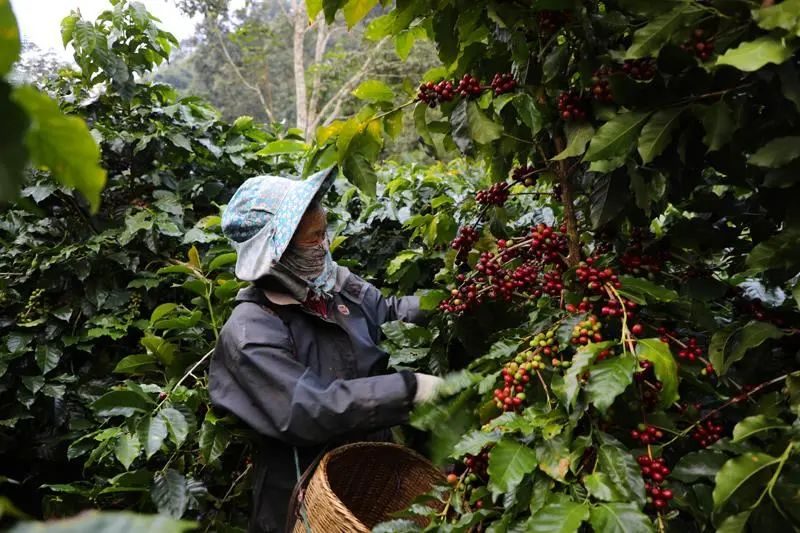 The history of Yunnan coffee: from Zhukula (a village in Yunnan) to a cup at the foot of Cangshan (a mountain in Yunnan)If you walk into the ancient town of Dali today, sit down at any café, and order a latte made with Yunnan beans, chances are you won't find it anything special. Coffee is far too common here—on Renmin Road there's one every few steps, the aroma of roasting drifts from the courtyards on Yeyu Road, and the terraces of the Chuangdancang Art District are full of people with their laptops. You might not realize that this ordinary cup of coffee is actually the end of a history spanning more than a century: its source lies in the mountains not far from the ancient town of Dali; its story begins with a French missionary and a small village almost completely cut off from the world. The story of Yunnan coffee is almost→
Comments
Comments
…