Life in Dali
In Dali, Eat a Few Meals Seriously
Aug 15, 2026
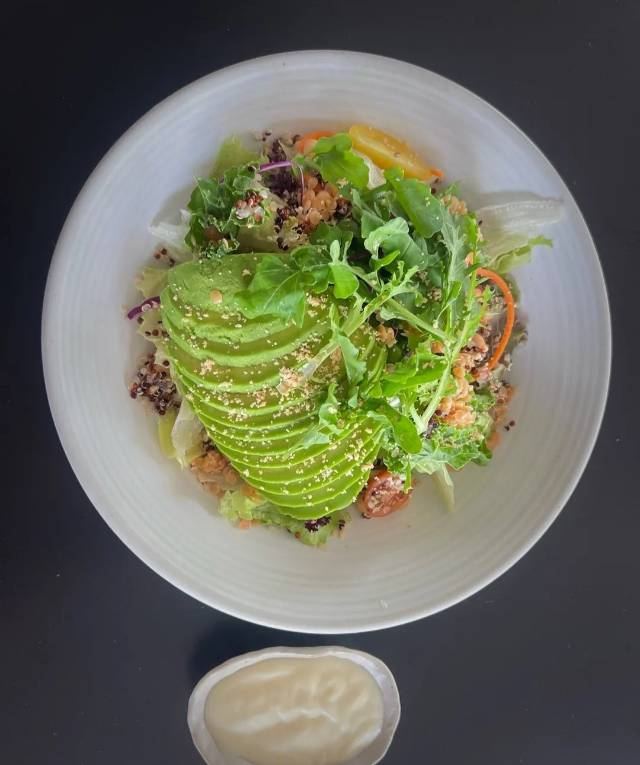
Food Map: Restaurants, Late-Night Snacks, Vegetarian Food, Wet Markets
There is so much good food in Dali. This piece gathers the restaurants we go to in daily life: local cuisine, halal, grilled fish, late-night snacks, private kitchens, vegetarian food, and ways to observe local life in the wet markets.
Restaurants:
Local cuisine:
Qiumuyuan (楸木园): In Yuanyuetang Alley off Yu'er Road in the old town, many locals go, and friends who live in Dali long-term go regularly. They have local infused liquor, high in alcohol. A friend of mine especially likes their "sour papaya fish." A Dali insider, "Yibahuzi" (一把胡子), recommends: qianzhang rou (sliced pork with pressed tofu skin), steamed stinky tofu, silverfish omelette, stir-fried beef, stir-fried shredded zucchini, and pea shoot soup.
A Wang Private Kitchen (阿汪私厨): Deep in Fu'an Alley, not easy to find. Also recommended by "Yibahuzi" (Xiaohongshu: 一把胡子, with more food recommendations for Dali, Kunming, and Pu'er), who crowned it one of his three local-cuisine kings. He recommends: white-cut pork, roast meat, yellow-braised chicken, and sour-spicy fish. Huzi's side comment: "You often run into the owners of famous local restaurants eating there."
Guanyintang Food Street (观音塘餐饮一条街): Shengpi (raw pork skin), local cuisine. The liveliest place, very down-to-earth. For example: Laoguan Pea Jelly (老倌豌豆粉), right at the mouth of the alley where I once lived. The shop sets out rows of low tables and small stools; most people sit under the extended eaves and along the foot of the temple wall across the street, crowded but orderly, each eating their own food amid the lively bustle. Anyone who can survive on this street is good; all the other shops are good too—not necessarily this one—all affordable, tasty, and with local character. There are a few local specialties worth trying: stir-fried stinky tofu with garland chrysanthemum, fried ribs, sour papaya fish, laonai yangyu (mashed potatoes with pickled vegetables), stir-fried shredded pork with pickled vegetables, and sea vegetable taro soup. After eating, walk a few dozen meters north from Zhangjia Garden and there is a small shop for yogurt purple rice dew; try paoluda (a Burmese dessert, 10 yuan), a place I often sit at in Guanyintang. Not far away, Ruifengyuan (瑞丰园) is a slightly nicer restaurant where locals host guests.
Guanyintang now has some new-style shops that blend well with the original local eateries, concentrated in the row of storefronts at the temple entrance: "Dou He Dou de Jia" (豆和豆的家) is a quality vegetarian shop; breakfast youtiao and soy milk, and the lunch set is also very tasty. Sitting by the road is pleasant. Next door is "Yesui" (野穗) bakery, which also has coffee. Next to that is Tihu Cafe (醍醐咖啡馆), with a small courtyard, good views and a nice environment. Together the shops form a pleasant new atmosphere.
Halal clear-soup beef hot pot: Dali has many villages of Islamic faith, so halal beef dishes are highly praised and worth trying.
Zhangjiayuan Tongpiao Beef (张家园铜瓢牛肉) - near the halal food street, a courtyard-style restaurant. Beef, beef tongue, and beef ribs are all good, and you can order half portions if there are few people. If it's full, the nearby places are all good too, such as Niuniu (牛牛), where you can have a hot pot and grill around the pot at the same time, vegetables are sold by weight on open shelves, and you have great flexibility when choosing—a relatively advanced model. This is not to say these are the best, but that I and my friends have been and think they are good. Most halal beef shops in Dali are of a good standard. For clear soup, the ingredients are more of a test, so choose clear soup as much as possible; it is very
Maoduoli Dai-style Hand-Grabbed Rice (茂多哩傣味手抓饭): Worth trying if you haven't had it; sets for two, four, or many people, the shop arranges it well, rich and varied. Comes with grilled fish or grilled chicken; add 40 to get both. Usually under 50 per person. Convenient parking.
Grilled fish: Jinsheng Youyuan Grilled Fish Shop (今生有缘烤鱼店) - at the corner of Guangwu Road and Yu'er Road. Killed and grilled on the spot, served with lots of vegetables. Very fragrant; adding a portion of fish maw is even more delicious. You can ask for less salt (Dali palates are a bit salty). I really, really like this grilled fish. Some friends say there are better grilled fish, but after trying them all they feel none are as good as this one. So much so that whenever I occasionally ask friends to eat, they don't even need to guess which place; when they invite me to eat they also accommodate me and choose this grilled fish shop (they don't love it as much as I do). It's quite popular now; call one hour ahead to reserve, 15912633200, and go over right on time, otherwise the wait on site is too long. Park in the open-air Lanling Pavilion parking lot across the street.
Yu Gua Gua Bullfrog and Pork Intestine Fish (鱼呱呱美蛙肥肠鱼): This is a shop we've been going to often recently, at the mouth of an alley in Santa. Sichuan-Chongqing flavor, tasty and affordable. A small pot for two or three people is just over 120. Convenient parking.
Yu Zhi Lian Wooden Barrel Fish (渔之恋木桶鱼): Right next to Yu Gua Gua, a local fish shop with a lot of character, clear soup with small chili peppers, fresh and fragrant. It comes with cucumber, lettuce, and tomato, colorful and refreshing. We go more and more often; usually ordering suobian fish or sturgeon (with crunchy cartilage) is tastier. On Santa Road, still convenient parking, not crowded.
Cangshan Lu Restaurant (苍山麓餐馆):
Nanwuliqiao, near the halal street. The owner Dahai has been my friend for twenty years. He has traveled far and wide (in the true sense), can farm, do plumbing and electrical work, masonry, welding, photography, birdwatching, mushroom foraging, and paddleboarding. A person with so many abilities combined is the only one I've ever met. So his cooking also blends flavors from all over: fresh seafood, spicy hand-shredded chicken, clear-stewed pork knuckle—each is an extract of his past life. No formulas, not bound by convention, a style of its own. You will like it. And it's good value. The whole restaurant is designed by himself, mostly built by himself, including tables and chairs, plumbing and electrical, and landscaping.
Shared meals (a rich meal even for one person):
When traveling alone, it's often hard to order dishes: too much and you can't finish it, and it costs money. Eating only rice noodles, er si, and rice bowls is too monotonous.
Fandian (饭点, community shared meals)
This private-kitchen canteen in the Dali community has dinner (starts at 6 pm) shared meals every day, 38 per person, Jiangzhe cuisine. Chef Pan Deng (WeChat: pd0302) was once a chef at a famous local private-kitchen restaurant. The customers are all people from the local community; they sign up in the group chat in advance, five or six people to a table, using serving chopsticks. If you're not socially anxious, it's especially good. Add him to join the group. Reservations are on the Kuaituantuan WeChat mini-program; search: 饭点. Posted one day in advance. Besides meals, they also offer desserts, rice wine, mulled wine, fruit wine, and other specialty drinks (purchased separately).
Brunch:
Pushihongbei (朴石烘焙)
You can sit pleasantly on the sidewalk near Dali University; sometimes I just go sit for a while and have a coffee. Americano is 12 yuan, fragrant enough. The bread is baked very well (sourdough, high hydration, natural yeast). A ciabatta sandwich (braised beef) and a coffee make a very good meal; their chicken liver pate sandwich is also good. Pizza and desserts are all good. There is also homemade specialty ice cream, wine, and cocktails, all good. I'm not a particular expert on Western food, but I feel the quality is very good, from the people to the food. Located on Hongsheng Road near Dali University, it's also often our meeting point for activities.
Xiang Yueliang Fei Qu (向月球飞去)
Two shops, one on Guangwu Road in the old town and one on Cangshan Avenue; it's Dali's most popular simple Western brunch shop. Its feature is Chinese-influenced Western food, especially good value, and it's also popular among local residents. Opens early, 8:30; American breakfast with coffee and juice is 32; the French stewed eggs in an iron pan are piping hot, with vegetables, meat, and eggs. The thin-crust pizza is also tasty. It's just crowded; I go in the off-season, and when friends come I also take them. Especially good if you bring children, lots of choices. Note that in peak season you may well queue for more than 30 minutes, and parking is inconvenient. Recently a new shop opened on Cangshan Avenue next to Sannei Croissant (三内可颂), where parking is convenient.
Bings
A refined brunch and dessert shop with gelato. Bings' owner Bingbing is a Le Cordon Bleu pastry chef who previously ran a well-regarded brunch shop and an ice cream shop separately; the newest shop, now on Xinmin Road, combines them. Many customers have been and rate it highly. BING'S
Mushroom hot pot
Well-regarded wild mushroom hot pot restaurants; mushrooms are usually eaten in a chicken broth pot, and the fresh wild mushroom season is between June and October.
Qinghong Private Kitchen (清宏私厨): Wenxian Road. This private-kitchen restaurant's wild mushrooms and food output have a very good reputation; it should also be a good choice for somewhat refined Bai cuisine at ordinary times. Reservation only, phone: 15368999288
If you want to eat a farmer's simple, plain mushroom meal, in the rainy season (June-October) you can try: Mountain Mushroom Picking (上山采蘑菇), farmhouse mushroom meal
Late-night barbecue:
Gold rose: the Gold rose near Wenxian Tower, beloved by local friends. Raw beef is the most distinctive. On the street, sitting down to eat is very pleasant. The barbecue is professional and clean, well organized. The cold edamame snack to go with drinks is tasty. Lots of beer and drink choices.
Xiaoxuan's Nameless Yakitori (小轩的无名烧鸟, Japanese-style): late-night snack, at a stall at Erhai Gate; Xiaoxuan was once part of our Cangshan Lu restaurant team. He has studied Chinese, Western, and Japanese cuisine, and his yakitori stall itself is a favorite spot for many local friends. Next to him is a Cantonese rice noodle shop, also very popular. Now he has opened a new shop, in Yuanyuetang Alley in the old town (Shanque Yakitori Dining House, 山雀烧鸟食屋).
Reservation WeChat: vim8181318
Late Night Diner (深夜食堂): at the corner of Huguo Road and Guangwu Road, open until 4 am, a place to eat something quietly and chat late at night. Whether it's staples like braised pork rice or beef brisket noodles, light bites like Western toast, fermented rice wine balls, or steamed egg custard, or drinks like Thai milk tea and coffee, they have it all. This is the shop we opened before starting "Cangshan Hiking House." It is currently run by our teammate Hanhan. Many of our current guides were former managers there (Xiaochun, Caifeng and He Chen, and also Honghong), and we share many good memories. If you stay in Xiaoyuanzi South District, you can go to Dali Late Night Diner (Xiaoyuanzi South District shop).
Qiqi Restaurant (奇奇饭店): 165 Renmin Road, Qiqi Restaurant is also open late; its fried rice and ginger duck rice are famous, and Qiqi herself is also very nice. About Qiqi's story: Qiqi Restaurant,
Fusion restaurants
Chinchin Bistro (Chinchin 小酒馆): near Dali University, in a quiet alley off Xuefu Road. Fusion food: squid ink pasta, tom yum soup, Sichuan/Korean small dishes; the owner Joy is from Sichuan, and the overall flavor leans fusion. The shop's environment is pleasant, with many wines at affordable prices. Our guests Charcy and Alu most like her specialty wines that are hard to find elsewhere, so they go often. The customers are basically regulars who live in Dali long-term; every time we go we run into acquaintances. Joy's major when studying in France was wine. Suitable for one person or a few friends. Every day (from every Friday to now every day) there is a community jazz band performance, and the owner Joy is one of the band members. You will feel at ease. Chinchin can be considered the light of the community.
Daji Xitang Restaurant (大吉喜塘餐厅):
When Daji was not yet known to locals, one of our architects, Cynde,偶然 saw it and strongly recommended it after staying there. The attached "Xitang Restaurant" is also a quite good dining choice; the rice fields in front, the rural temple and Cangshan in the distance combine into a very beautiful picture. Now Daji is often a place where Dali friends arrange to meet for dinner. In a short time, two friends called me to go eat there, which shows its real popularity—it can withstand the scrutiny of locals who are often more picky than tourists. The refined rural environment, the care in the dishes, and the friendly service are probably important factors.
Private kitchens (reservation required):
Hunter & Rou 598/person
Hunter was once a five-star hotel chef; he and his wife Rou live in Dali and opened this private kitchen along the way. In Dali, where spending is not high, several local resident friends have eaten there and felt it was worth it. I have been myself and like it very much; I feel it wins on the overall experience: a beautiful traditional rural courtyard, clean and tidy with a lived-in feel, Hunter busy in the courtyard kitchen, the kitchen bright and clean, well organized. There are dogs and cats in the courtyard, and microgreens are grown. If interested, you can chat with the couple. Reservation WeChat: hunterrou
Trout Restaurant (鳟鱼餐厅) about 500/person
Reservation WeChat: the_trout_dali
Long renowned in Dali. I first experienced it in January 2025 because Sun Yu invited me to eat there. My impression: nice environment, near the end of the village, with its own vegetable garden and some chickens, ducks, and sheep; from the high point you look north over the village and Erhai Lake with a good view. The service staff are friendly and attentive, a very young and energetic team. The dishes have their own creativity and are produced seriously, as can be seen from the care and richness of the dipping sauce for even a small dish. Pet-friendly; after cooking, the chef Houzi even played with Zhamao for a while. I'm not someone who often goes to restaurants like this, nor an expert in refined cuisine, but at the time I thought I should introduce it to my friends and guests—such a restaurant is worth recommending.
Vegetarian
I myself don't have a refined understanding of vegetarian food, but quite a few friends and guests are vegetarian enthusiasts, and they gave me some recommendations:
Yirantang (一然堂): in Jiulongju in the old town, home-style vegetarian buffet, 5 yuan per person. It is run by a non-profit Buddhist group. The taste is also good.
Sule (素乐): on Santa Road, clean and fresh, very new-style, many friends like it. Dali Sule Restaurant. There are several vegetarian restaurants nearby, all looking good, and also coffee shops.
Sufangzhou (素方舟): vegetarian restaurant and activity space, Sufangzhou Future Space (素方舟未来空间)
Zhaishu (宅菽): the new shop has opened, on Cangshan Avenue. Rich variety, affordable. The broad bean braised rice is very special. The new shop is cleaner and more spacious with more choices; the old shop was more lived-in.
Jizhao Nunnery (寂照庵) (usually quite crowded, long queues in peak season, please be mentally prepared), and Boluo Temple (波罗寺) both offer vegetarian food around 11:30. 20 yuan per person, no reservation needed.
Zhonghe Temple (中和寺): the vegetarian meal is good, the volunteers are gentle and warm, you can take the Zhonghe cable car or hike up (2 hours), reservation needed (mobile: 18725419447), or try your luck.
Organic vegetable and fruit shops:
Jingwu Grain and Oil (静物粮油): an organic and healthy fruit, vegetable, meat, and natural food shop that locals go to for shopping, with also a great many local specialties. Near Dali University. I also sometimes go to buy farm-fresh local milk, vegetables, free-range eggs, etc. The tomatoes Daxiong grows himself taste like childhood, especially fresh and delicious (not a psychological effect); I often go buy a bag to eat. Prices are fair. Jingwu Grain and Oil Shop (静物粮油店)
← Back to the "Dali Travel Information" overview
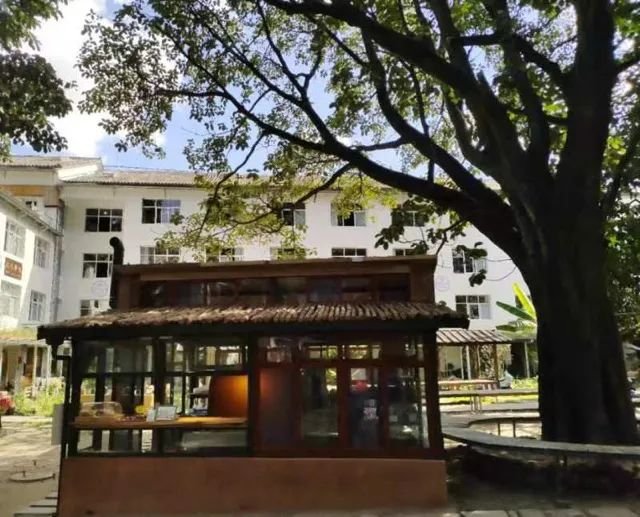 Dali CommunityRestaurants34 places ›
Dali in depth
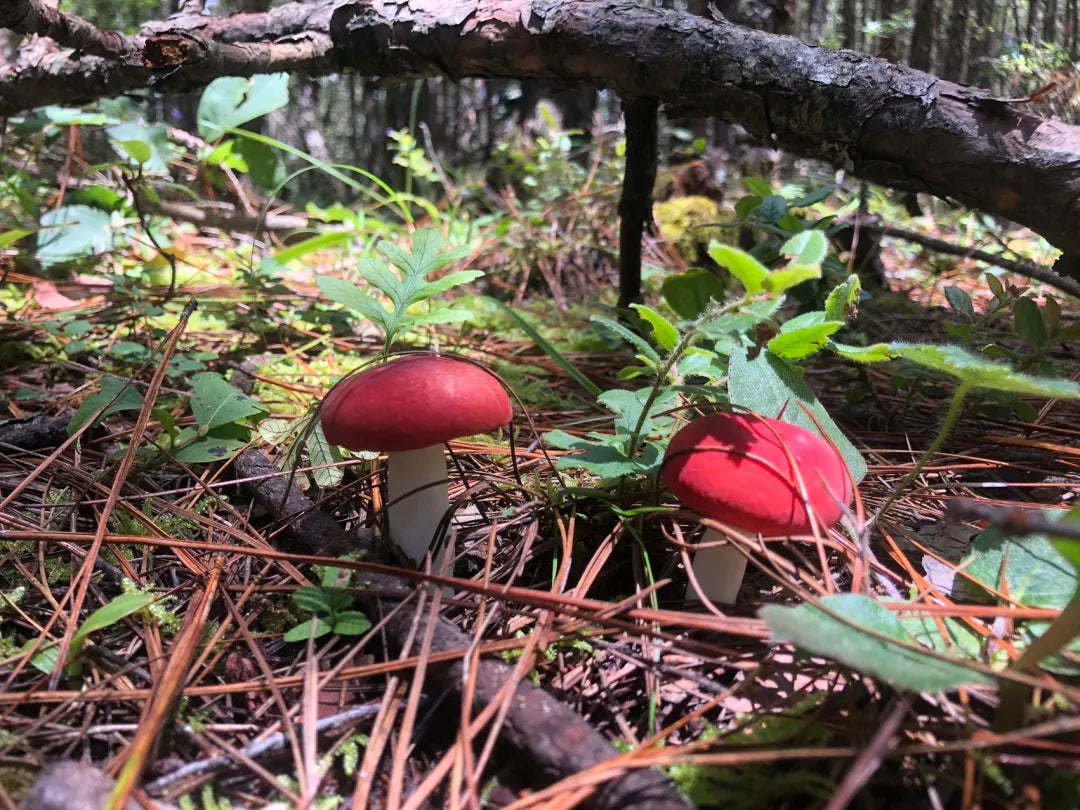 Dali Wild Mushrooms: Mushroom Season, Table Recipes, and Two Thousand Years of Mushroom-Eating HistoryEvery June, when the rainy season arrives in Yunnan, mushrooms start to pop up. Yunnan has 2,753 known wild mushroom species, accounting for more than half of China's total. This article covers the dried beef mushroom (ganba jun), termite mushroom (jizong), green-headed mushroom (qingtou jun), matsutake, and jianshouqing on Dali people's tables, how locals stir-fry them and preserve them in oil until next year, and also records from Zhuangzi, Bencao Gangmu, and Xu Xiake of Yunnan people eating mushrooms for over two thousand years—as well as the safety bottom line that must be upheld when foraging and eating mushrooms.→
 Scripts, Songs, and Wine in the Valleys: The Spread of Christianity in Yunnan's BorderlandsFrom James O. Fraser's early encounters with the Lisu people in Tengchong, explore the scripts, songs, churches, and wine of Yunnan's borderlands.→
 The Hump Route and the Burma Road: Two Lifelines of the War of Resistance Through YunnanOne leads through the mountains west of Xiaguan to Myanmar, the other flies over the mountains from Yunnanyi in Xiangyun. How did the Burma Road and the Hump Route maintain China's connection with the world during the most difficult phase of the War of Resistance? Why did Dali become an important node on both lifelines simultaneously?→
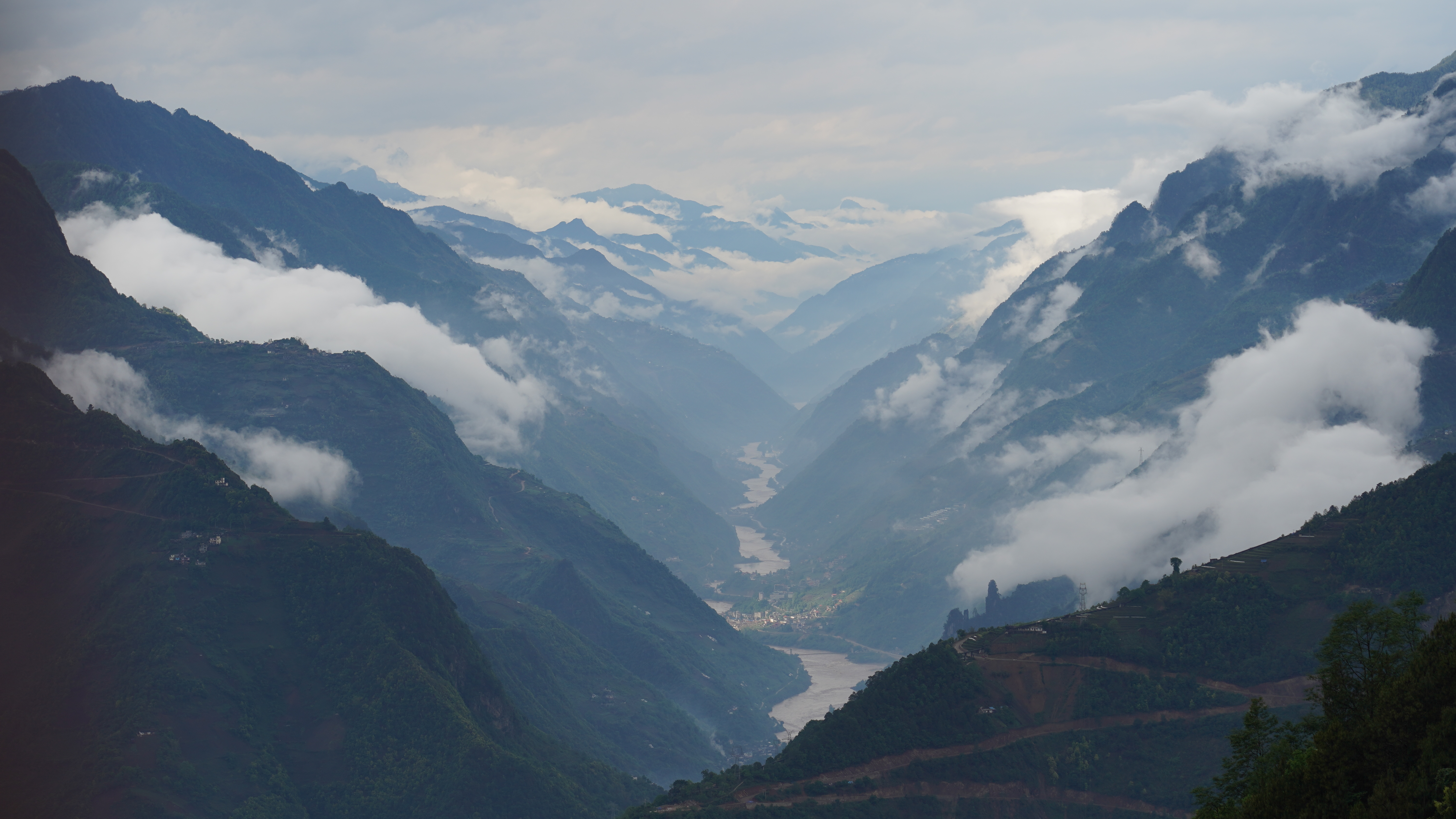
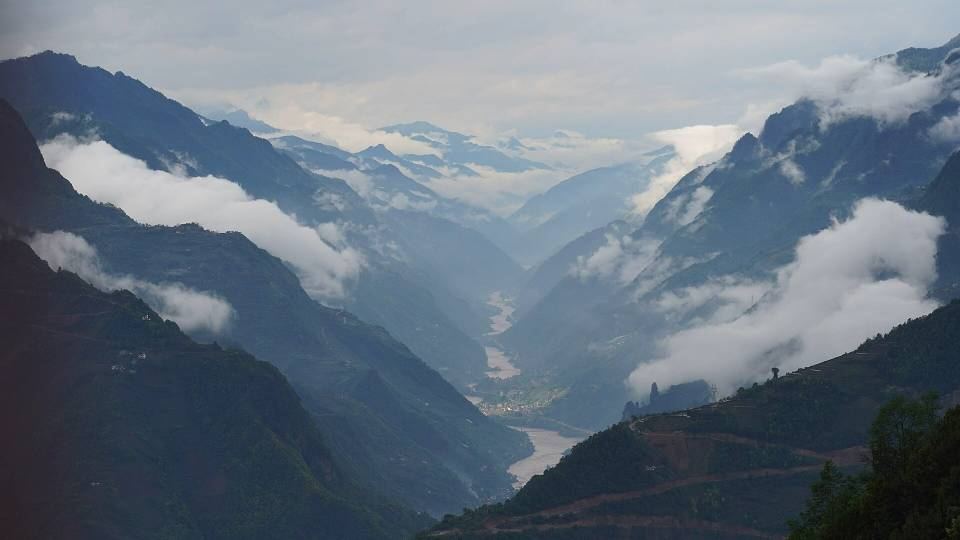 The Nujiang, Lancang, and Jinsha Rivers: the unique nature and culture of the Three Parallel RiversStarting from Dali and heading north, crossing over the Cangshan Mountains, you will enter a massive fold split open by three great rivers. The Nujiang (Salween), Lancang (Mekong), and Jinsha (Yangtze) rivers—three great rivers originating from the Qinghai-Tibet Plateau—cut through the land of northwestern Yunnan from north to south like three parallel knives. They run so close together—at their nearest point, the straight-line distance is less than seventy kilometers; and they flow side by side for over one hundred seventy kilometers before each turns and heads toward a different destination. This is the "Three Parallel Rivers," inscribed as a UNESCO World Natural Heritage site in 2003, and it is also a key to understanding Yunnan. Many people think the beauty of Yunnan is simply the wind, flowers, snow, and moon by Erhai Lake→
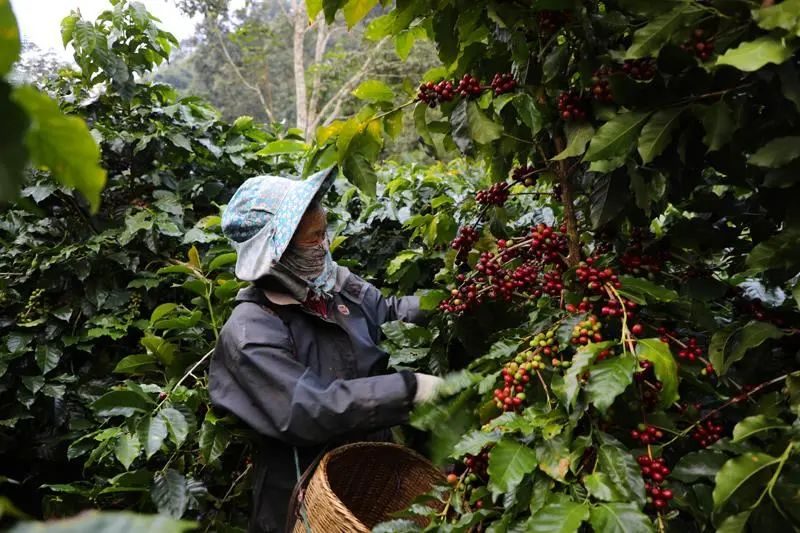 The history of Yunnan coffee: from Zhukula (a village in Yunnan) to a cup at the foot of Cangshan (a mountain in Yunnan)If you walk into the ancient town of Dali today, sit down at any café, and order a latte made with Yunnan beans, chances are you won't find it anything special. Coffee is far too common here—on Renmin Road there's one every few steps, the aroma of roasting drifts from the courtyards on Yeyu Road, and the terraces of the Chuangdancang Art District are full of people with their laptops. You might not realize that this ordinary cup of coffee is actually the end of a history spanning more than a century: its source lies in the mountains not far from the ancient town of Dali; its story begins with a French missionary and a small village almost completely cut off from the world. The story of Yunnan coffee is almost→
Comments
Comments
…