Life in Dali
Go to the market and see local life
Aug 15, 2026
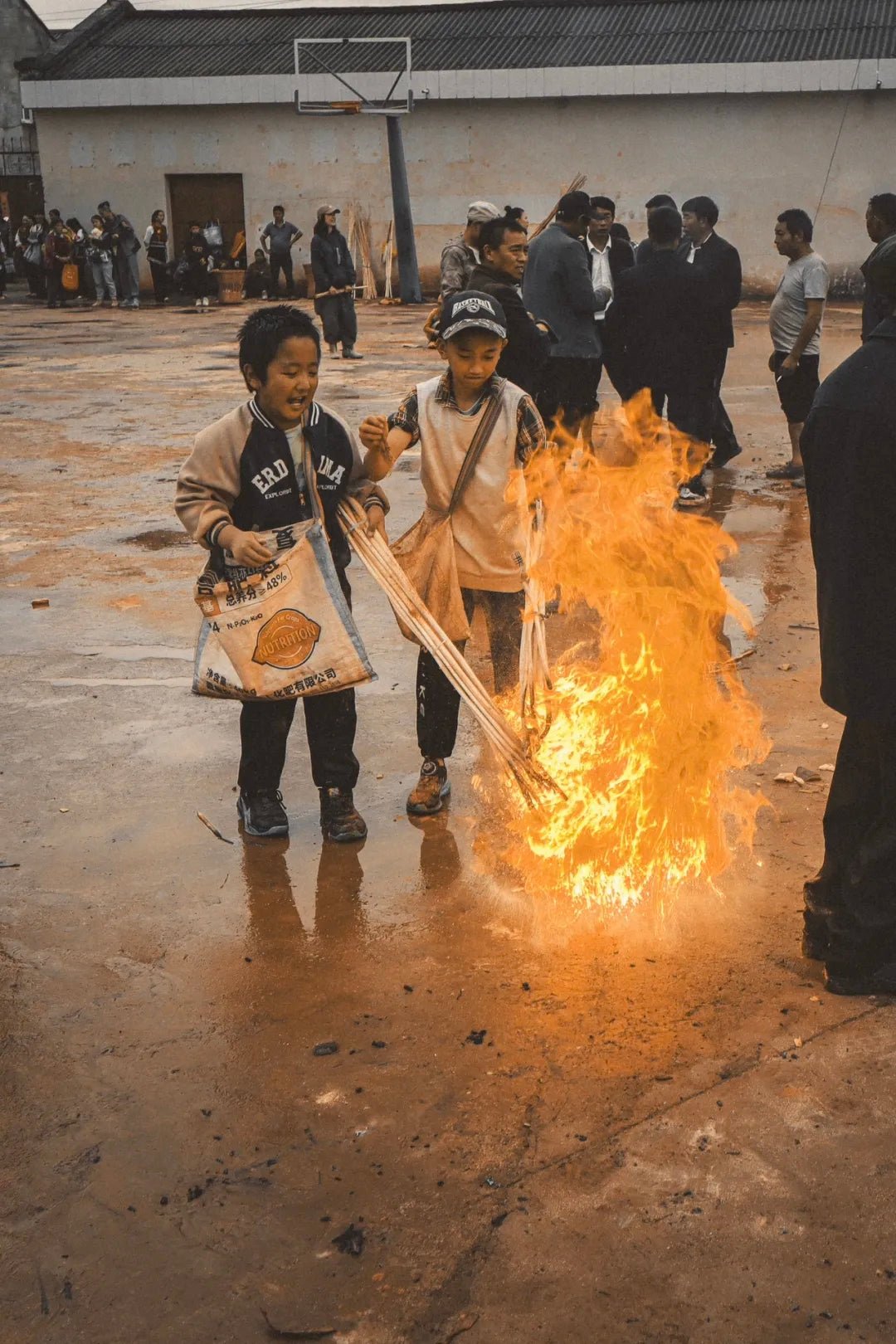
Markets and folk festivals: Market calendar
Going to the market is one of the best ways to experience life in Dali. This piece compiles the market calendars and folk festivals for Sanyue Street, Yinqiao, Wanqiao, Xizhou, Shangguan, Fengyu, and other places.
Dali folk festivals: Please see: Dali's festivals and markets: Understanding the Bai people amid the liveliness
Local markets
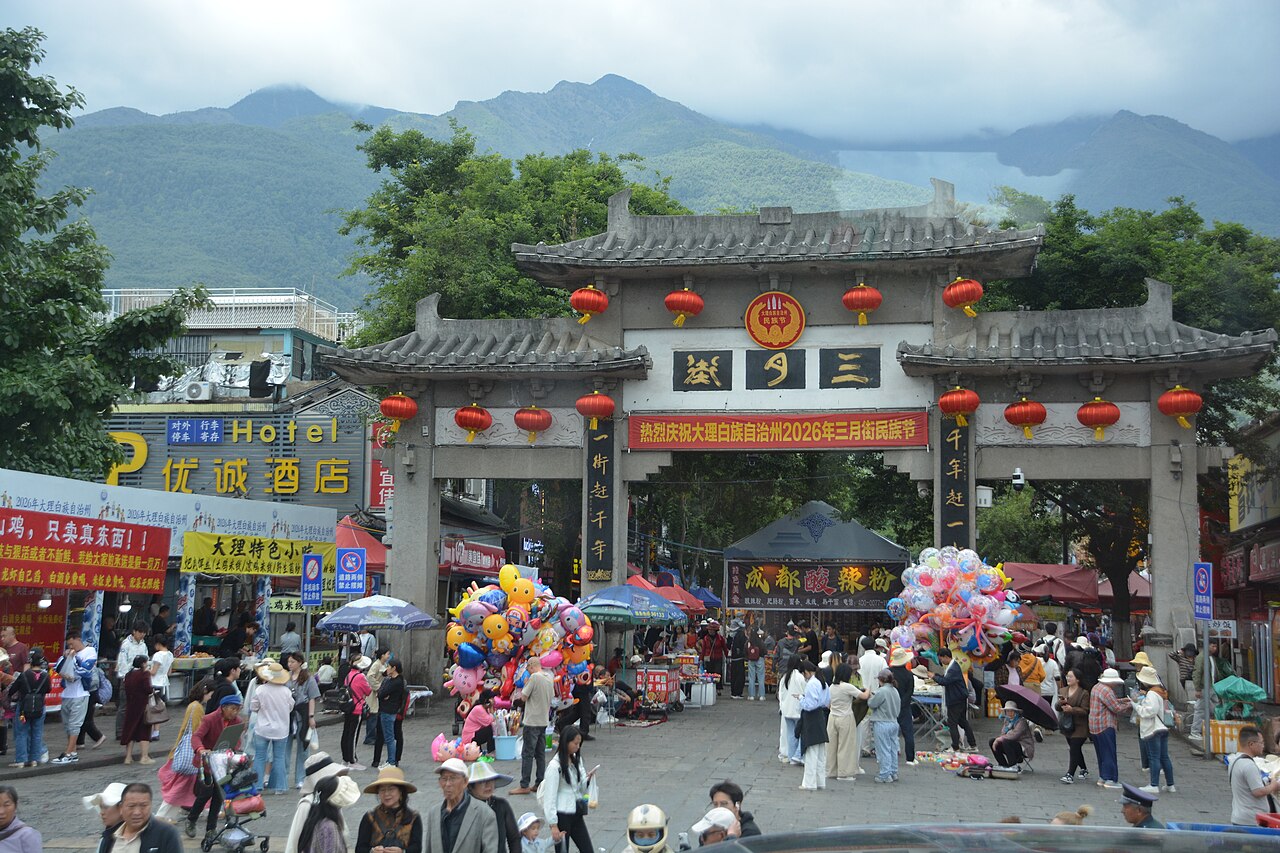
Sanyue Street is the market closest to the old town. It is a bit touristy, but it mainly serves local daily needs.
Yinqiao Town, apart from Sanyue Street, is the closest to the old town (10 km) and is also a local-life-oriented market, making it a recommended choice.
Sanyue Street market (Sanyue Street outside Cangshan Gate of Dali Old Town): Closest to the old town. On the 2nd, 9th, 16th, and 23rd of each lunar month, four times a month. Very lively, with food and drinks, fruit, clay pots, brooms, flowers, birds, fish, and insects. Full of everyday life. Prices are very affordable. Now new migrants also set up stalls there, with coffee, handmade goods, and bread available.
Markets in other nearby towns:
Yinqiao Town (10 km): Toupu Farmers' Market, on the 5th, 13th, 20th, and 28th of the lunar month.
Wanqiao Town (15 km): Wanqiao Farmers' Market, on the 4th, 11th, 18th, and 26th of the lunar month.
Xizhou Town (25 km): Zhennan Vegetable Market (Long Street), on the 2nd, 9th, 16th, and 23rd of the lunar month. Note: Long Street is in Zuoyi, 3.5 km south of Xizhou Old Town.
Shangguan Town (35 km): Jiangwei Farmers' Market every Saturday (on the village-hopping rural cycling activity with Brother Ding, one stop is this market in Jiangwei).
Fengyu Town, Eryuan County (85 km): Fengyu Farmers' Market. If you happen to be going to Fengyu, Tuesday is market day each week; making a special trip is a bit far, about a 2-hour drive. We have a Fengyu market activity that also visits surrounding ancient villages.
Local vegetable markets:
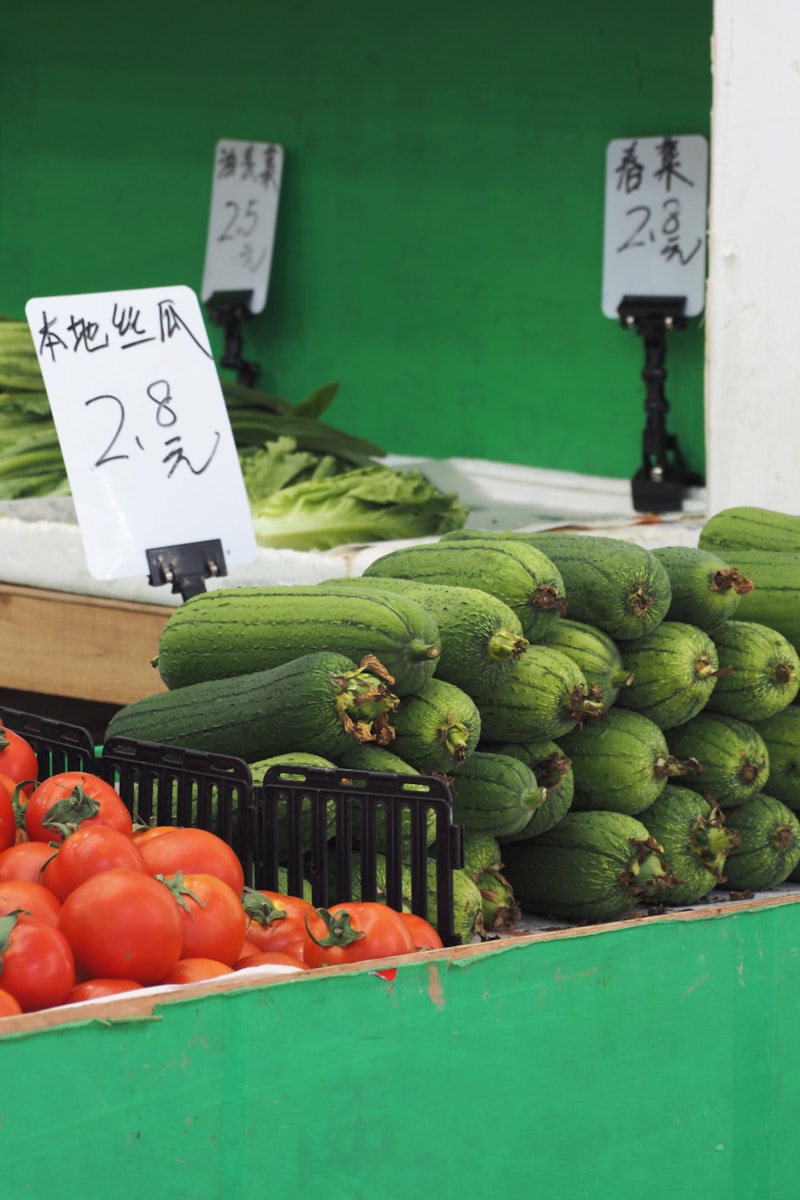
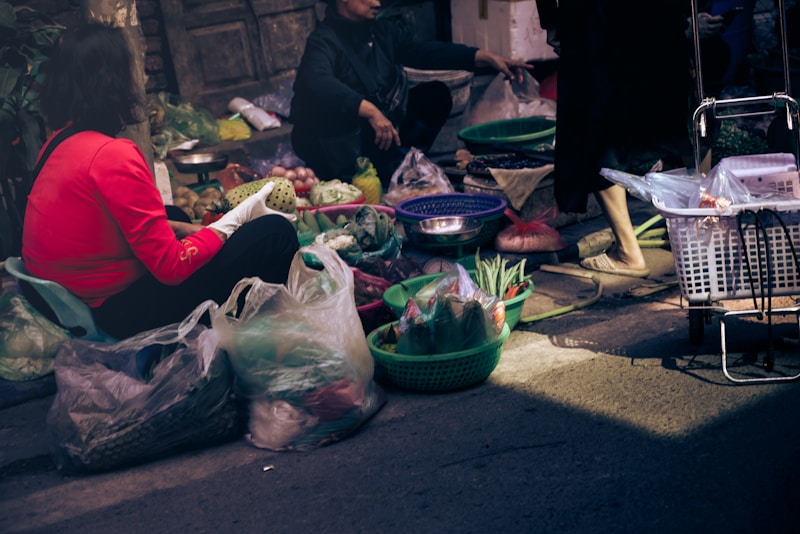
Vegetable markets are a good place to observe local produce and life, and they are also gathering places for local food, often very affordable. The markets in the old town are roughly: North Gate Farmers' Market (the big market), which is the most abundant and has the most varied shops. Most people go there to buy groceries, stoves, and tools, though it is also relatively touristy. I go to South Gate Lvyu Farmers' Market more often; it has abundant vegetables, fruit, and cooked food, and is more oriented toward daily life.
← Return to the "Dali Travel Information" overview
Places mentioned · Chinese names
大理的节日与赶集:在热闹里读懂白族 · 三月街赶集 · 头铺农贸市场 · 湾桥农贸市场 · 镇南菜市场(龙街) · 江尾农贸市场 · 丁大哥 · 凤羽农贸市场 · 凤羽赶集 · 北门农贸市场 · 南门绿玉农贸市场
Places and experiences in this story
 Dali CommunityMarkets & festivals9 places ›
Dali in depth
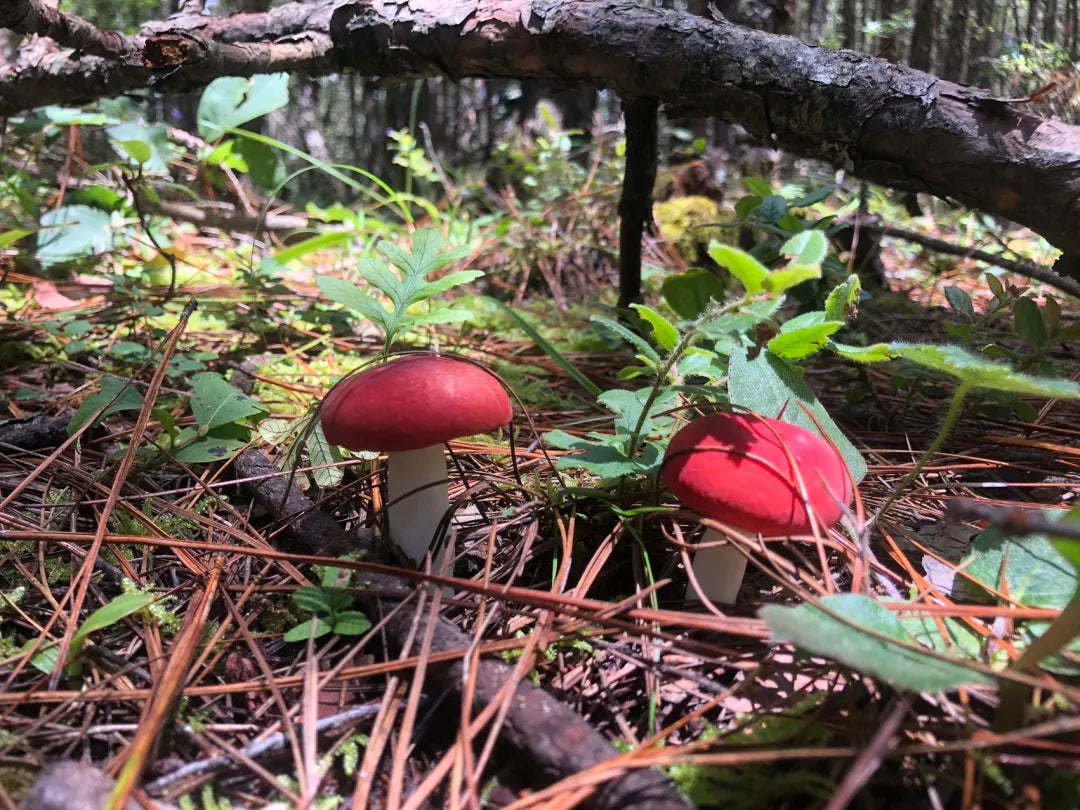 Dali Wild Mushrooms: Mushroom Season, Table Recipes, and Two Thousand Years of Mushroom-Eating HistoryEvery June, when the rainy season arrives in Yunnan, mushrooms start to pop up. Yunnan has 2,753 known wild mushroom species, accounting for more than half of China's total. This article covers the dried beef mushroom (ganba jun), termite mushroom (jizong), green-headed mushroom (qingtou jun), matsutake, and jianshouqing on Dali people's tables, how locals stir-fry them and preserve them in oil until next year, and also records from Zhuangzi, Bencao Gangmu, and Xu Xiake of Yunnan people eating mushrooms for over two thousand years—as well as the safety bottom line that must be upheld when foraging and eating mushrooms.→
 Scripts, Songs, and Wine in the Valleys: The Spread of Christianity in Yunnan's BorderlandsFrom James O. Fraser's early encounters with the Lisu people in Tengchong, explore the scripts, songs, churches, and wine of Yunnan's borderlands.→
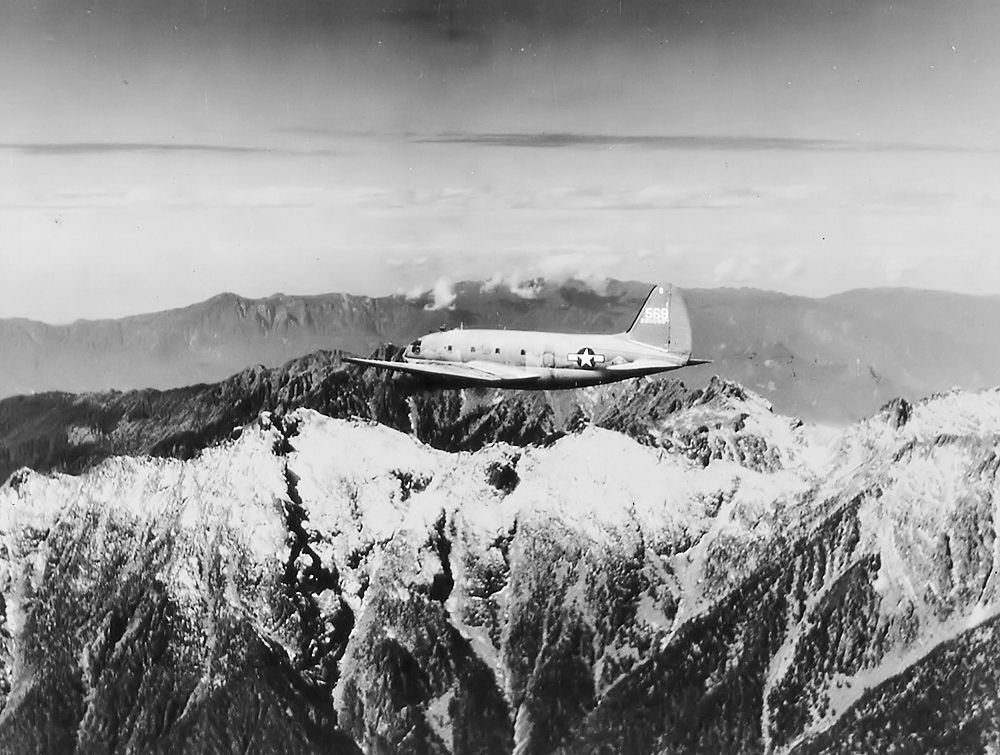 The Hump Route and the Burma Road: Two Lifelines of the War of Resistance Through YunnanOne leads through the mountains west of Xiaguan to Myanmar, the other flies over the mountains from Yunnanyi in Xiangyun. How did the Burma Road and the Hump Route maintain China's connection with the world during the most difficult phase of the War of Resistance? Why did Dali become an important node on both lifelines simultaneously?→
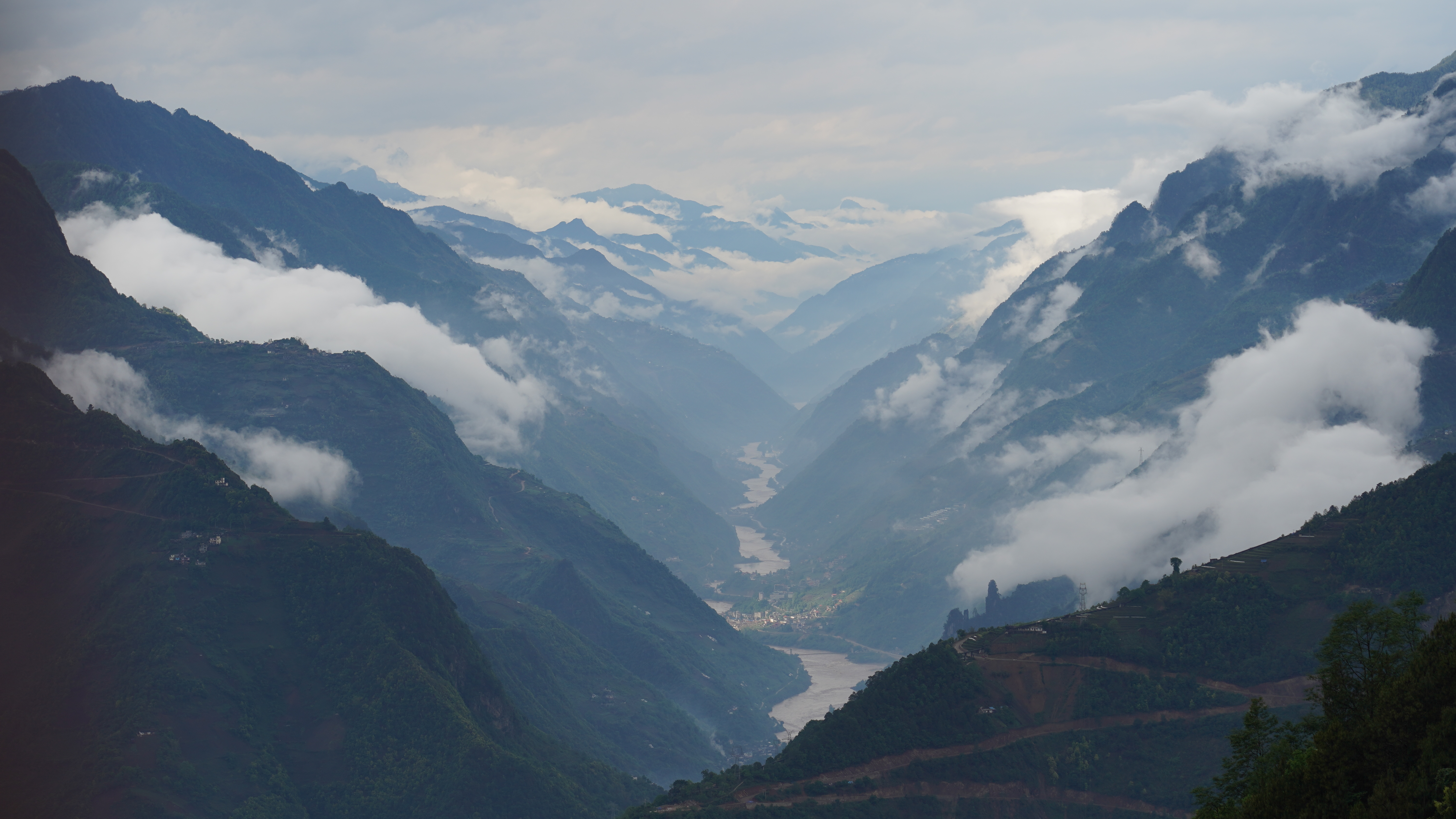
 The Nujiang, Lancang, and Jinsha Rivers: the unique nature and culture of the Three Parallel RiversStarting from Dali and heading north, crossing over the Cangshan Mountains, you will enter a massive fold split open by three great rivers. The Nujiang (Salween), Lancang (Mekong), and Jinsha (Yangtze) rivers—three great rivers originating from the Qinghai-Tibet Plateau—cut through the land of northwestern Yunnan from north to south like three parallel knives. They run so close together—at their nearest point, the straight-line distance is less than seventy kilometers; and they flow side by side for over one hundred seventy kilometers before each turns and heads toward a different destination. This is the "Three Parallel Rivers," inscribed as a UNESCO World Natural Heritage site in 2003, and it is also a key to understanding Yunnan. Many people think the beauty of Yunnan is simply the wind, flowers, snow, and moon by Erhai Lake→
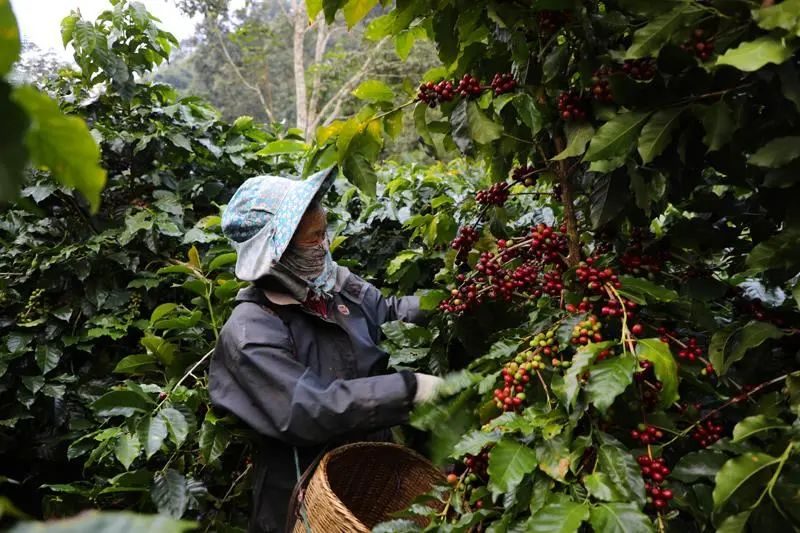 The history of Yunnan coffee: from Zhukula (a village in Yunnan) to a cup at the foot of Cangshan (a mountain in Yunnan)If you walk into the ancient town of Dali today, sit down at any café, and order a latte made with Yunnan beans, chances are you won't find it anything special. Coffee is far too common here—on Renmin Road there's one every few steps, the aroma of roasting drifts from the courtyards on Yeyu Road, and the terraces of the Chuangdancang Art District are full of people with their laptops. You might not realize that this ordinary cup of coffee is actually the end of a history spanning more than a century: its source lies in the mountains not far from the ancient town of Dali; its story begins with a French missionary and a small village almost completely cut off from the world. The story of Yunnan coffee is almost→
Comments
Comments
…