Traveling alone in Dali, staying around the ancient town, it’s not too noisy. But once I enter the old town, I still have a question: why is it so bustling? Always hearing 'Beautiful lady, want to take a photo?' or 'Try some coffee, flower cake'... It doesn’t quite match my imagination of Dali.
I happened to see your team’s post on Xiaohongshu—yay! This is exactly the Dali I imagined.
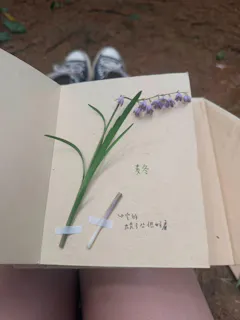
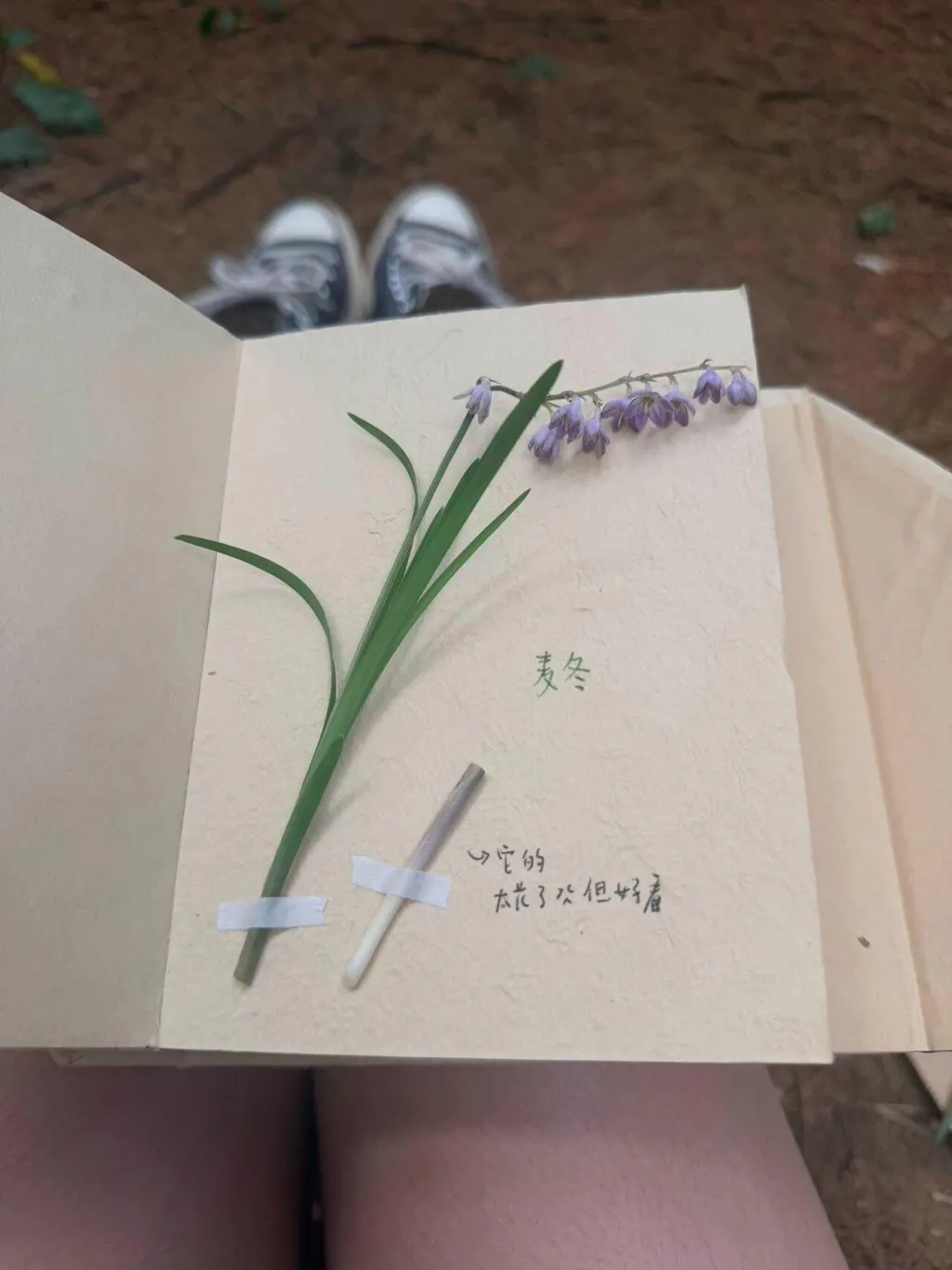
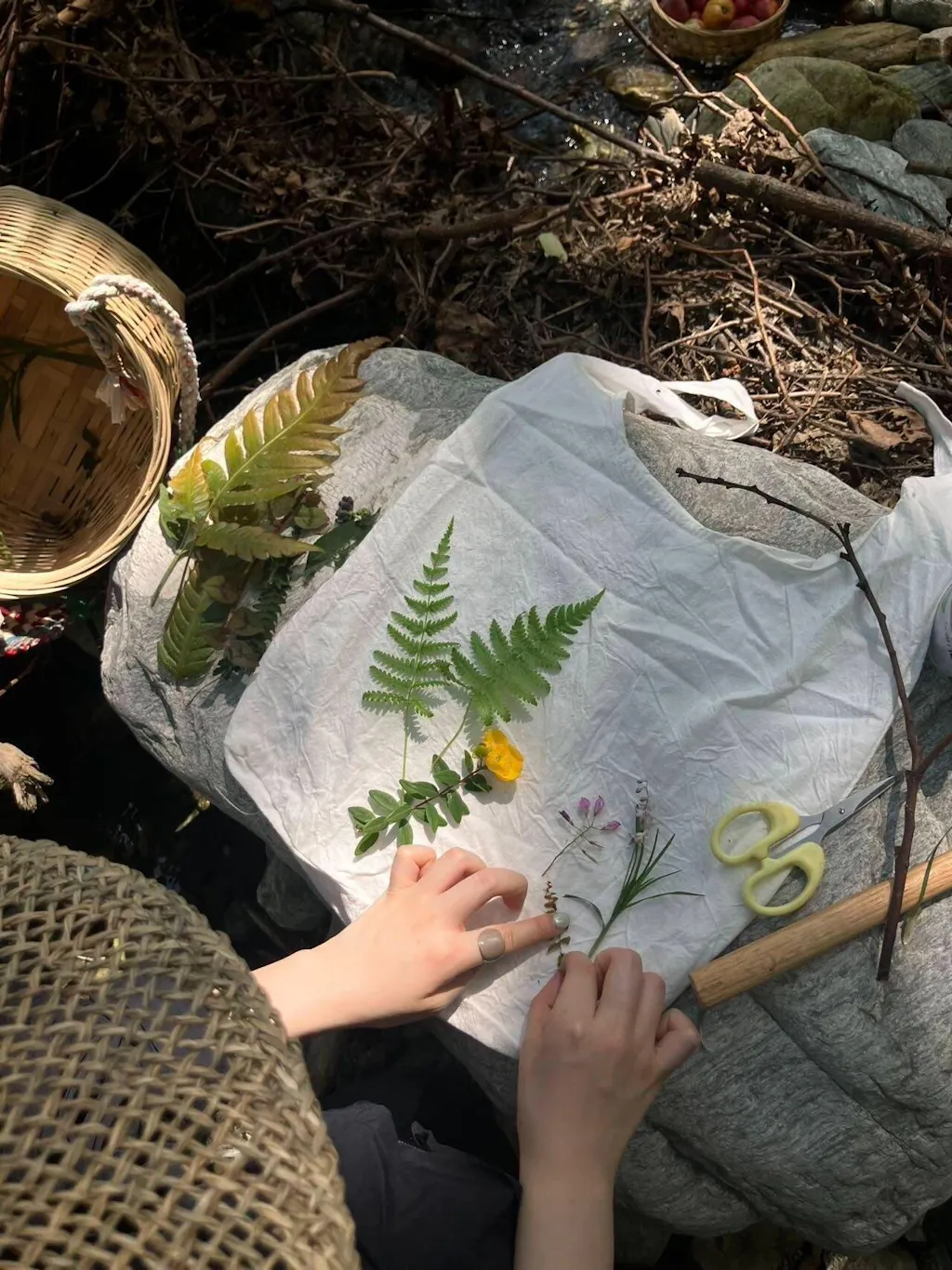
I’ve always enjoyed journaling myself, but I’ve never tried a plant-themed journal before. When I thought about strolling around in Dali Nature, I chose this activity.
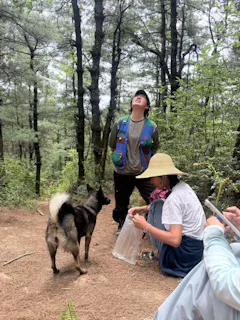
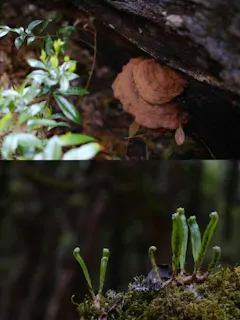
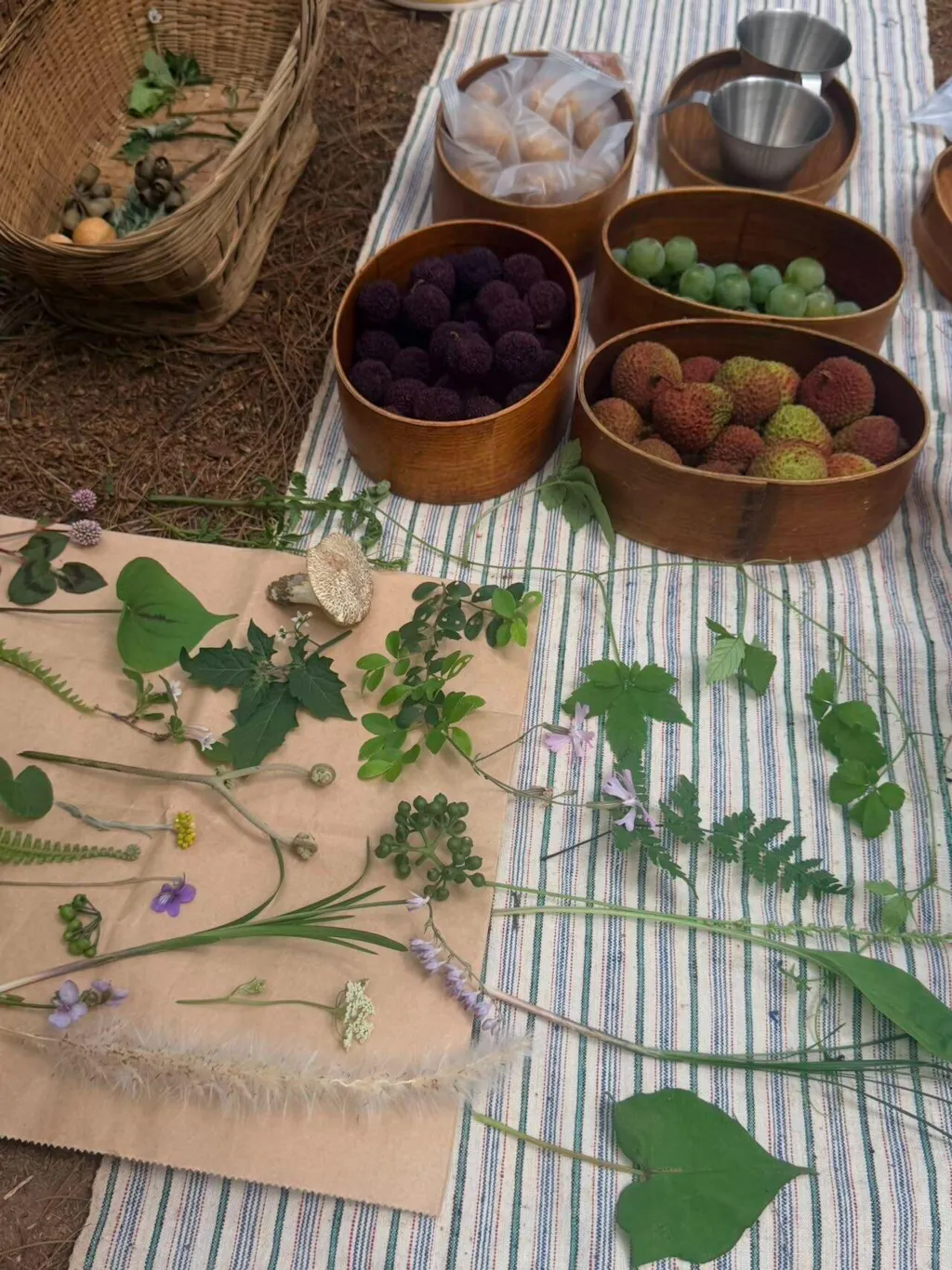
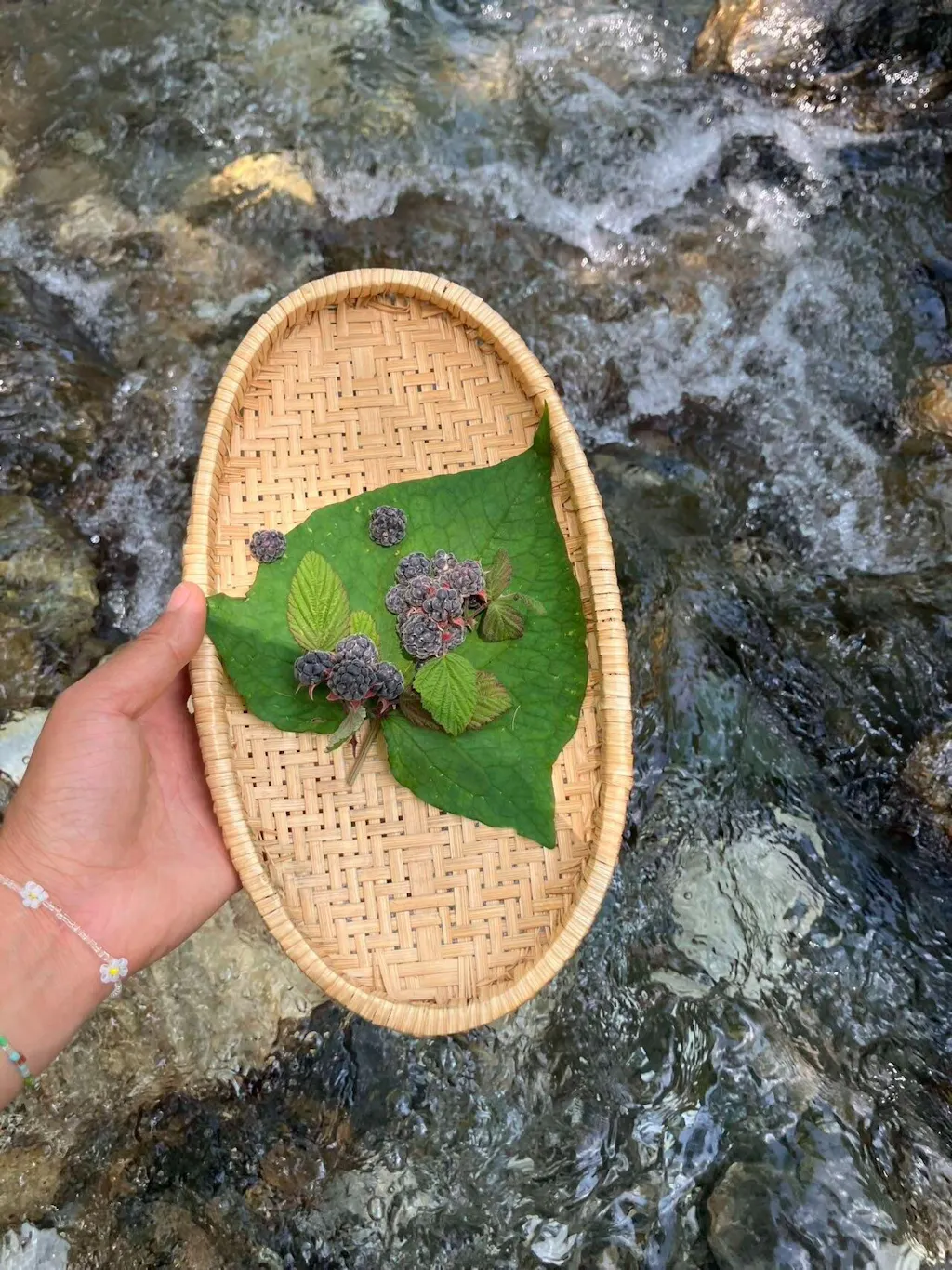
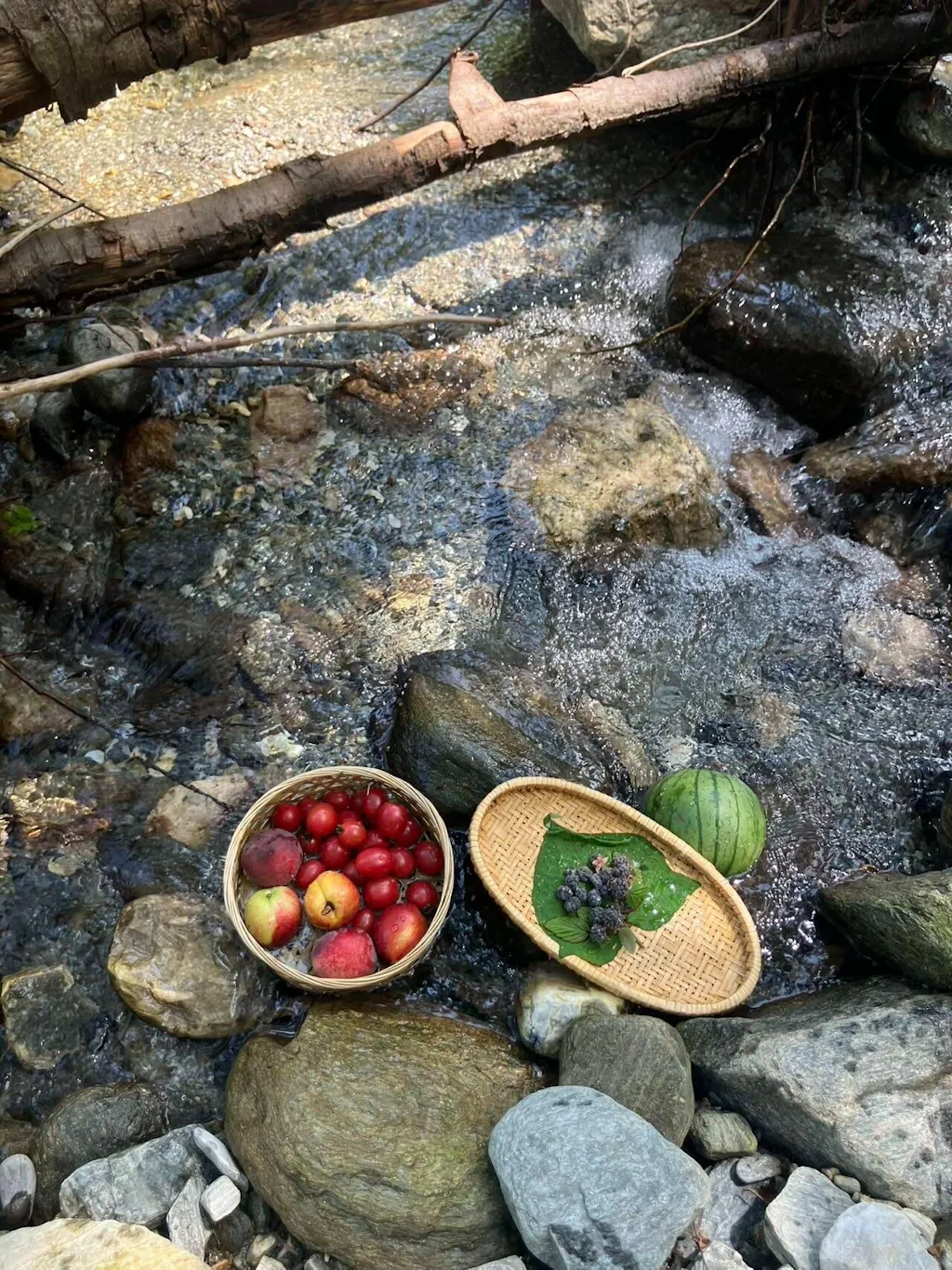
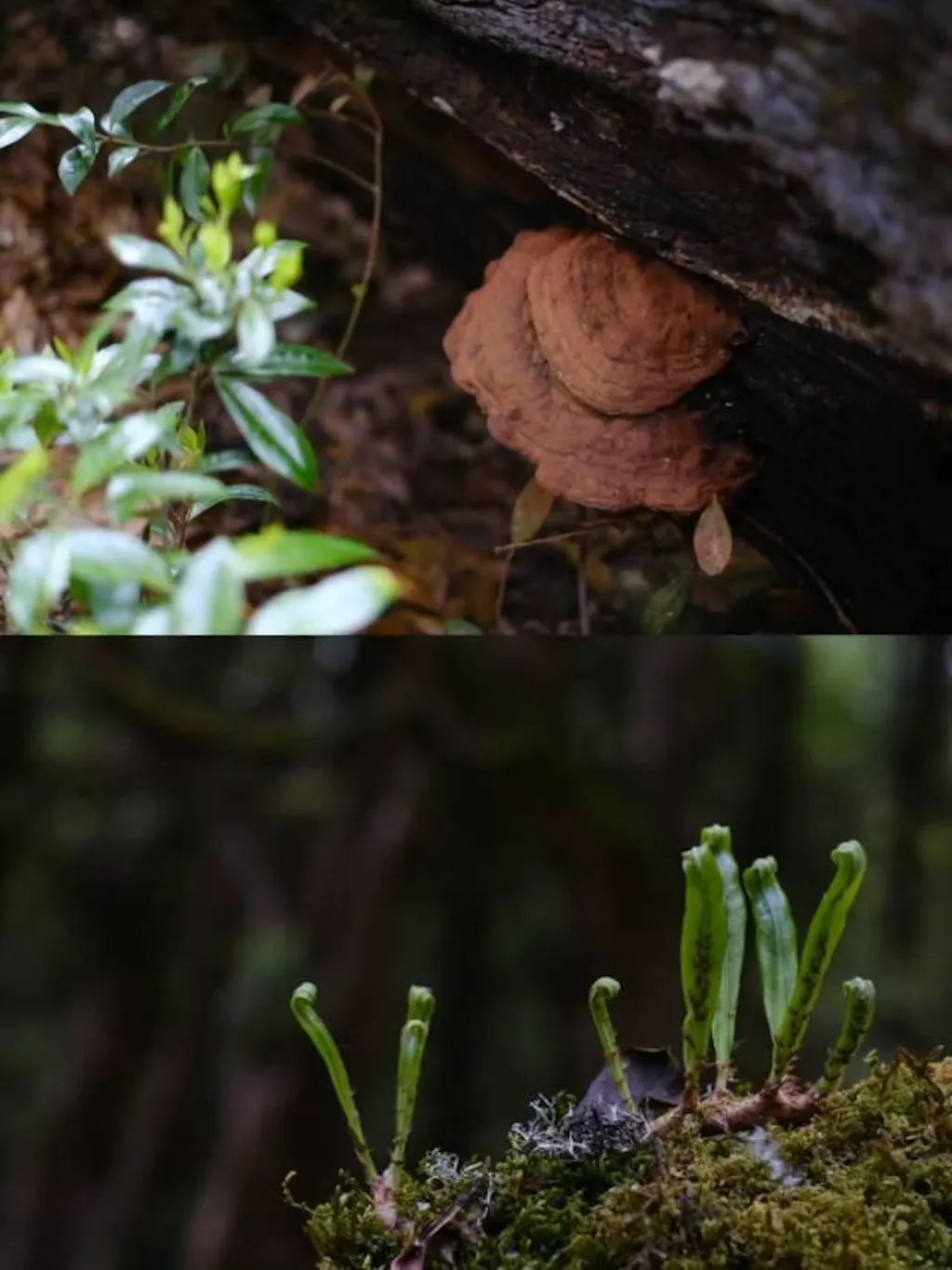
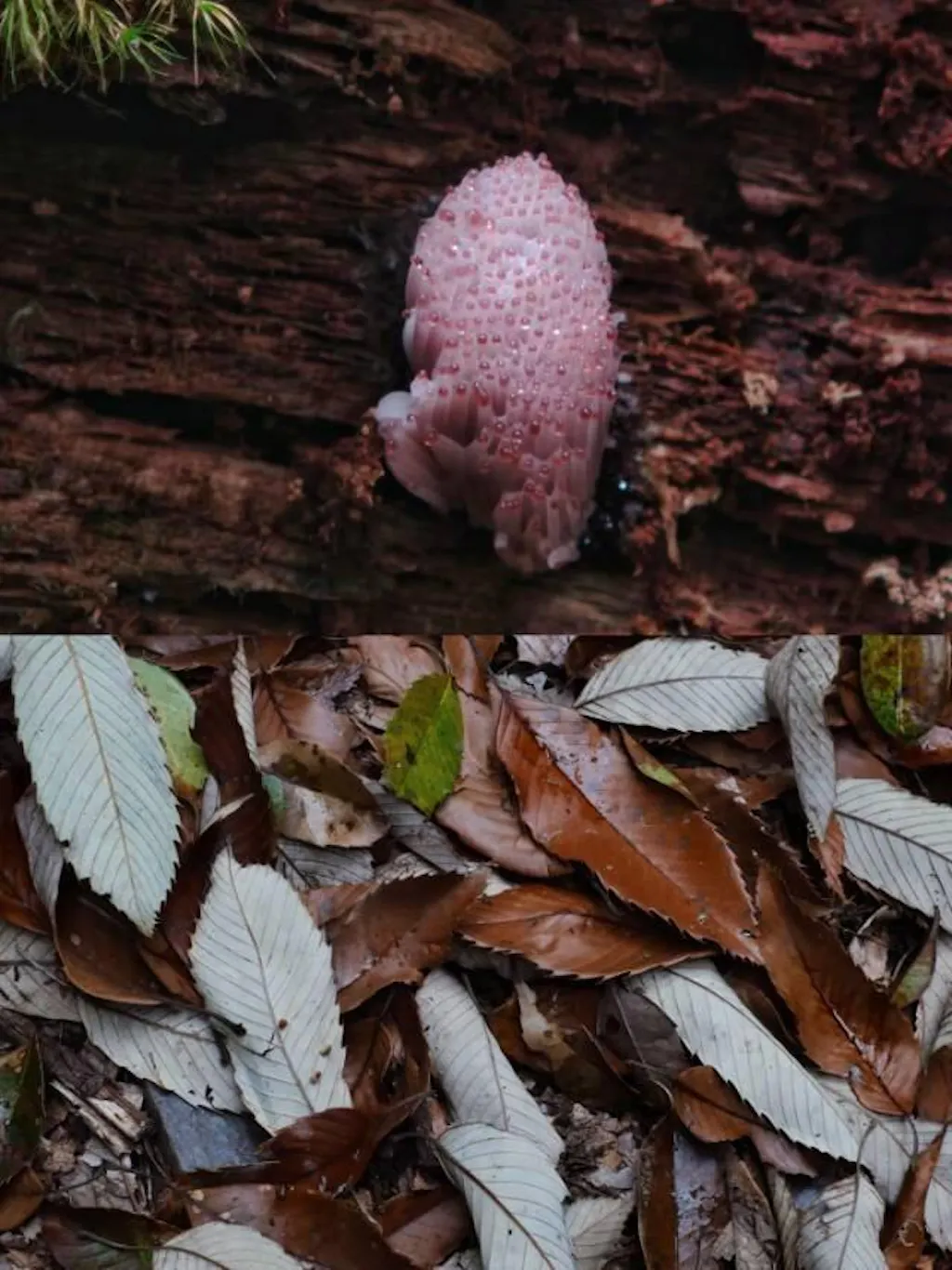
The guide girl is super kind—she kept saying how cute the plants are, how fragrant the mushrooms are, and that these wild vegetables are edible (she’s actually very adorable herself). She introduced me to various plants along the way, collected them into a basket, took me to taste wild berries, and was very careful to remind me to watch out for slippery spots or thorns on certain plants. Today the sun isn’t strong, there’s a breeze in the mountains, and walking and observing in nature feels very relaxing.
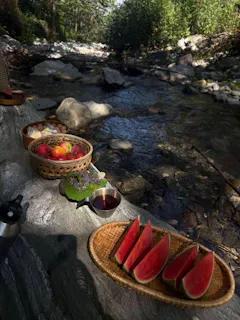
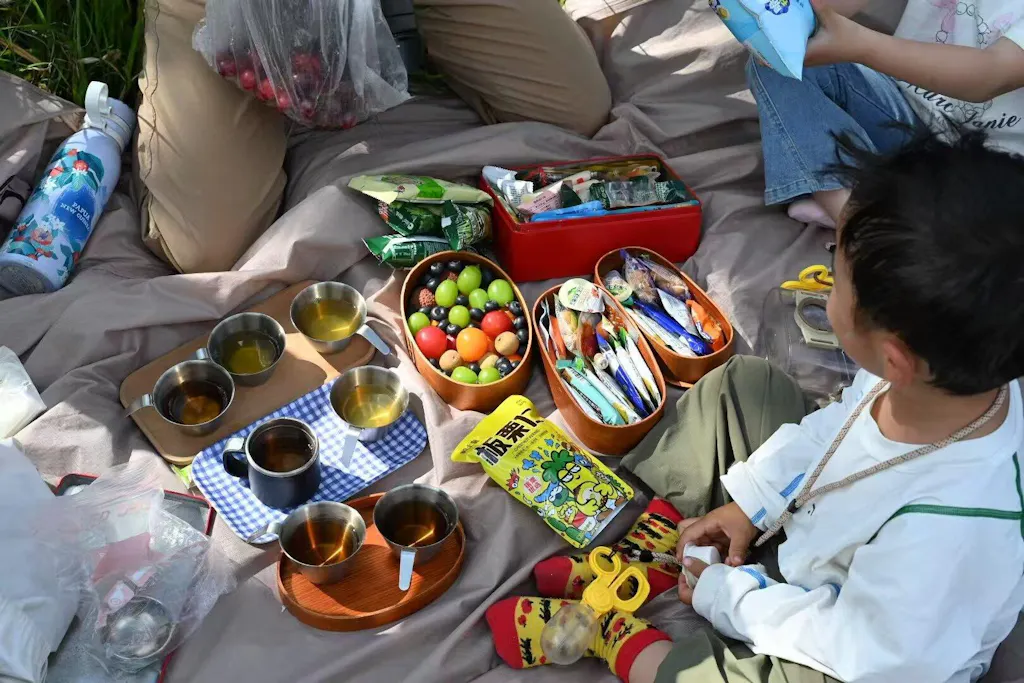
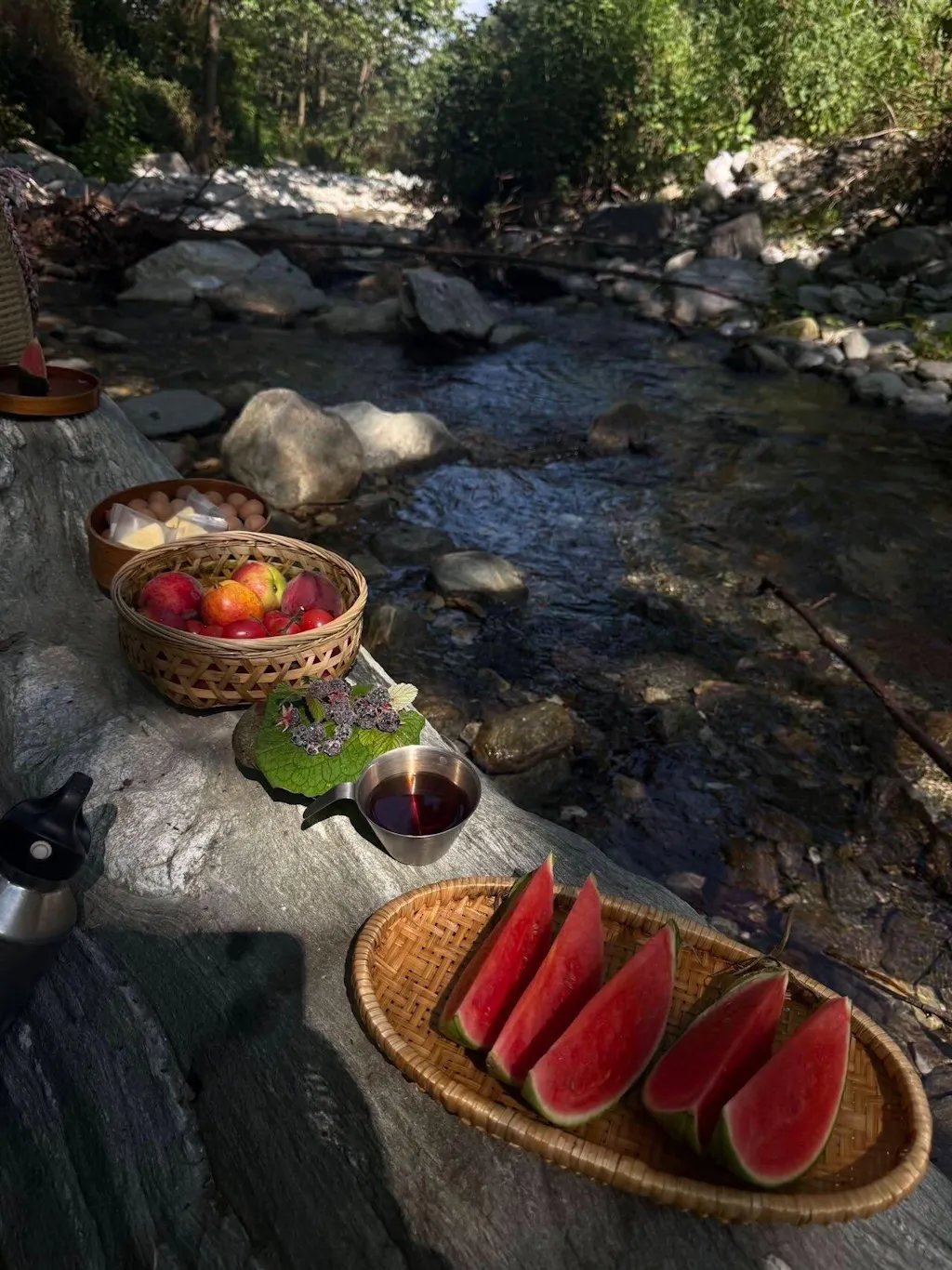
They also prepared a very cute journal for attaching plants, along with tea, snacks, and sweet fruits. It was a very worthwhile experience, and I will definitely come back with friends to enjoy this activity again and try other similar experiences.
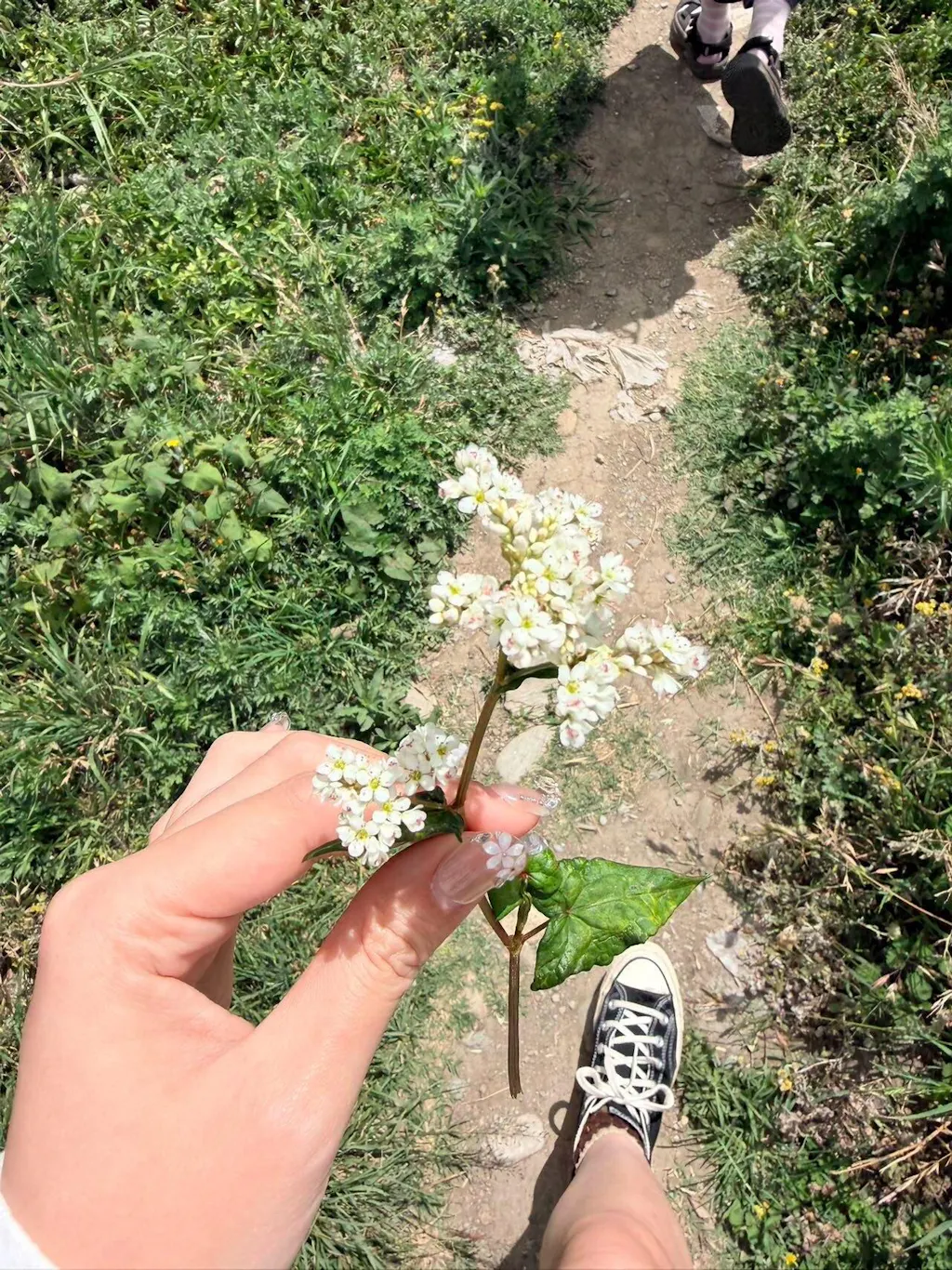
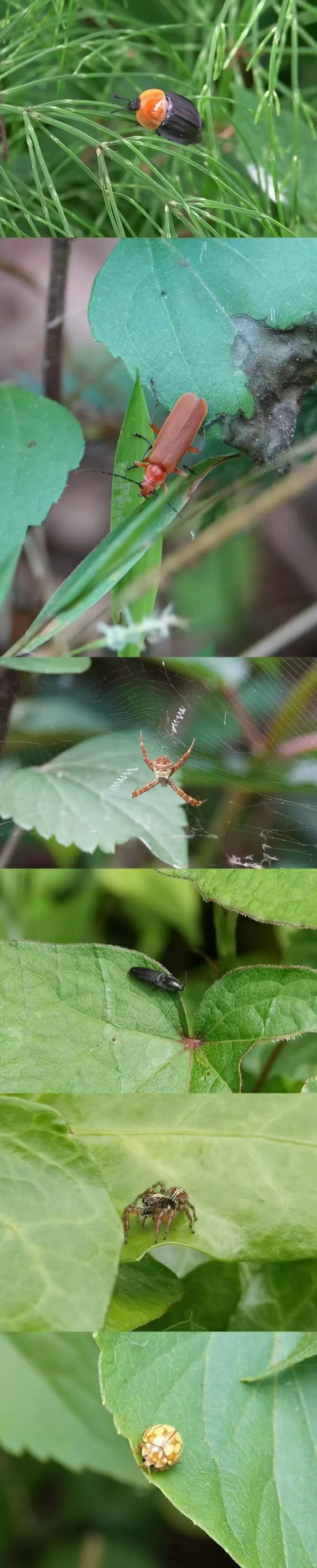
Interesting hike, saw various adorable little insects from the picture book. Magical experience (first time knowing that spiders have eight eyes).
Also met the academically inclined yet fun teacher Phoebe. Indeed, everyone named Phoebe is very cool—dedicated to their passion, following their heart. From her, I saw a completely different way of life.

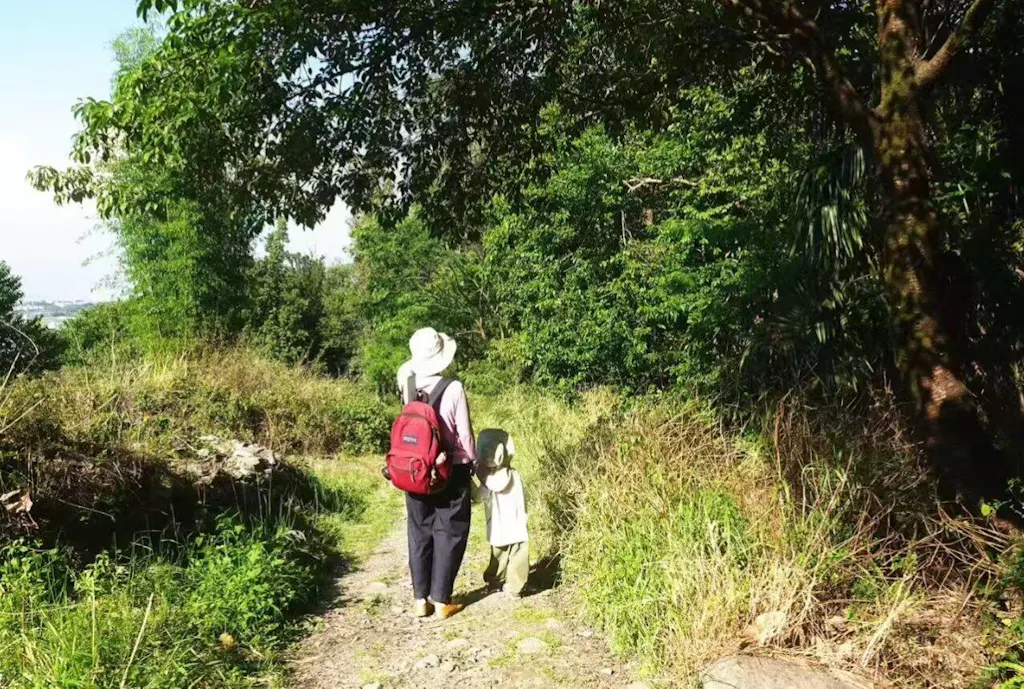
In the city, oh oh, the best choice for light hiking routes!!
The whole trip lasts about 4 hours, not very tiring! Cangshan Botanical Garden has a variety of plants, and the guides are very patient in explaining. The tea breaks are also delicious and interesting.
In short, anyone who loves plants and hiking should give it a try!
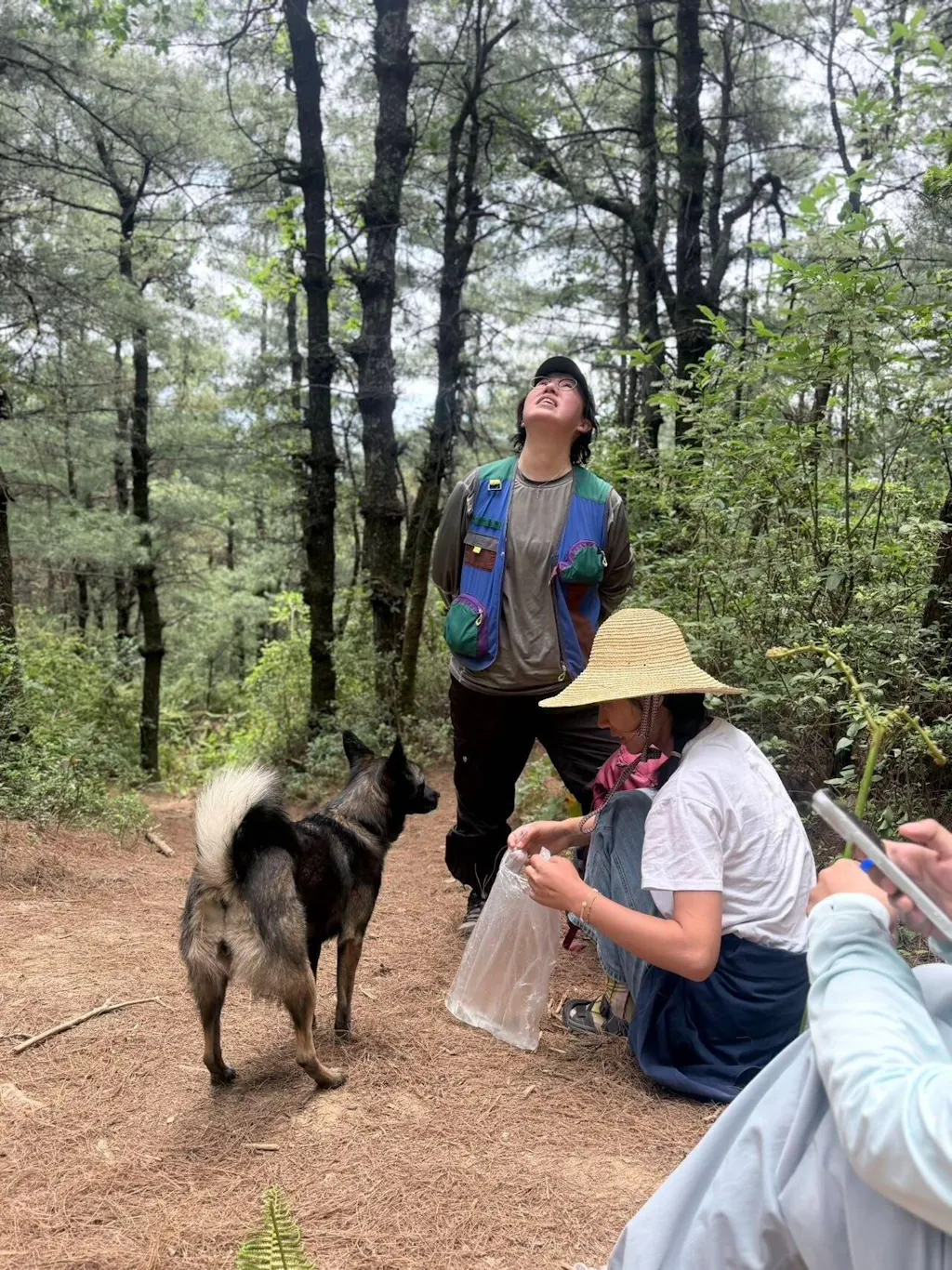
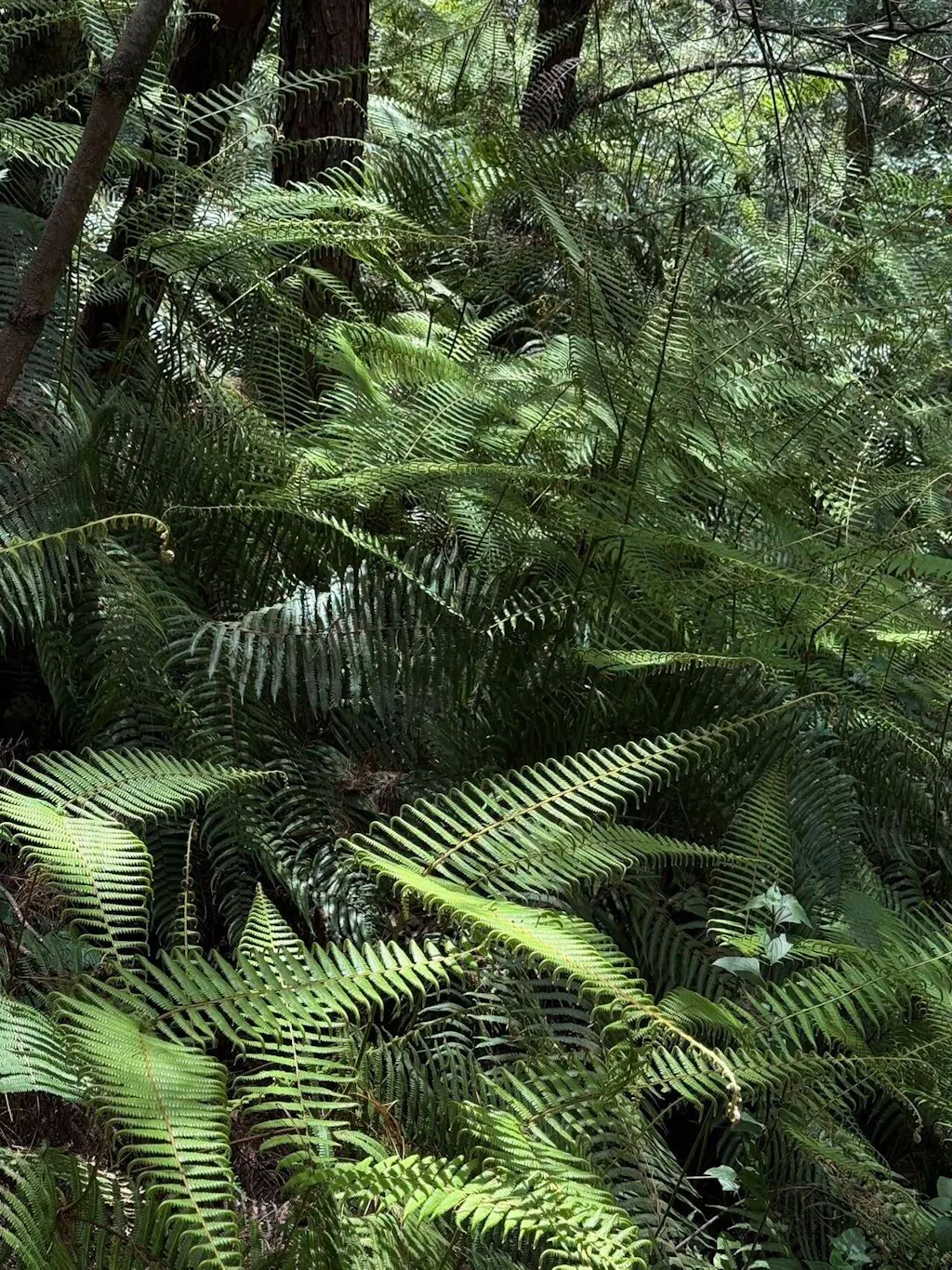
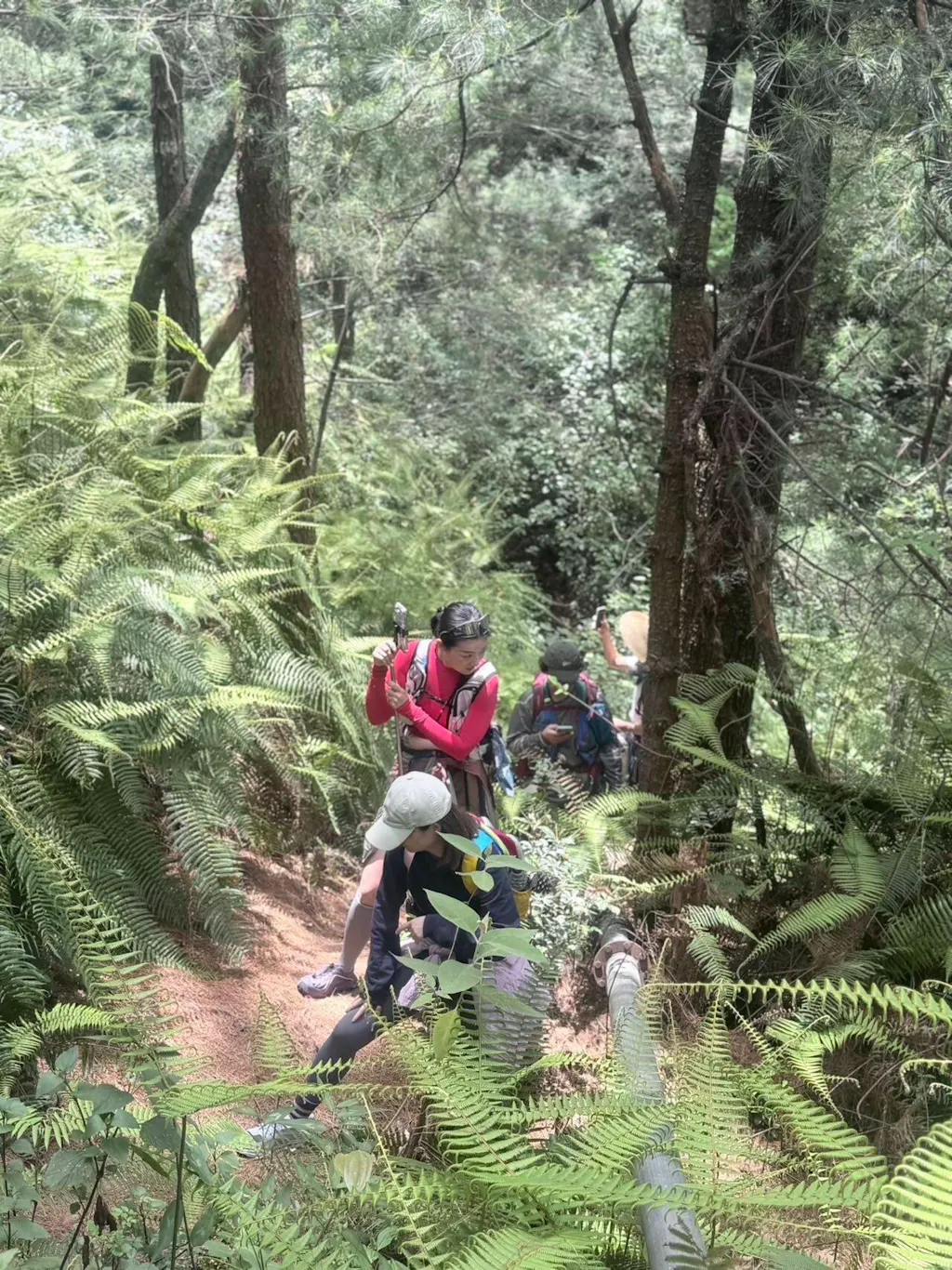
Follow the guide into the mountains
They introduce various plants and fruits along the way
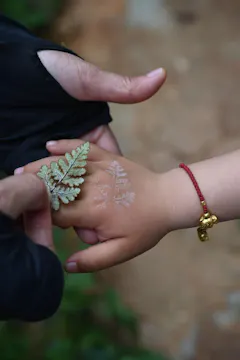
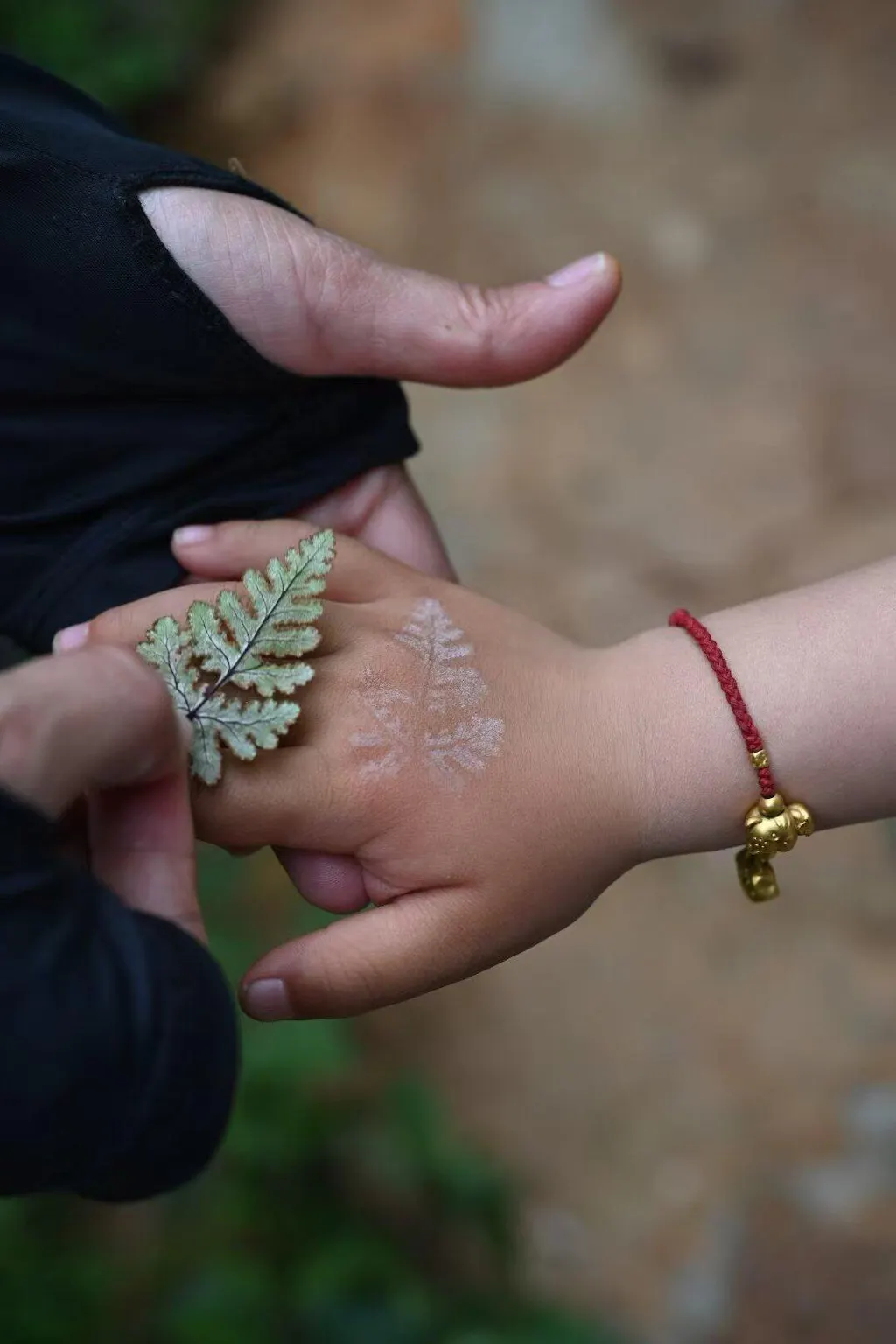
Collect leaves and small flowers
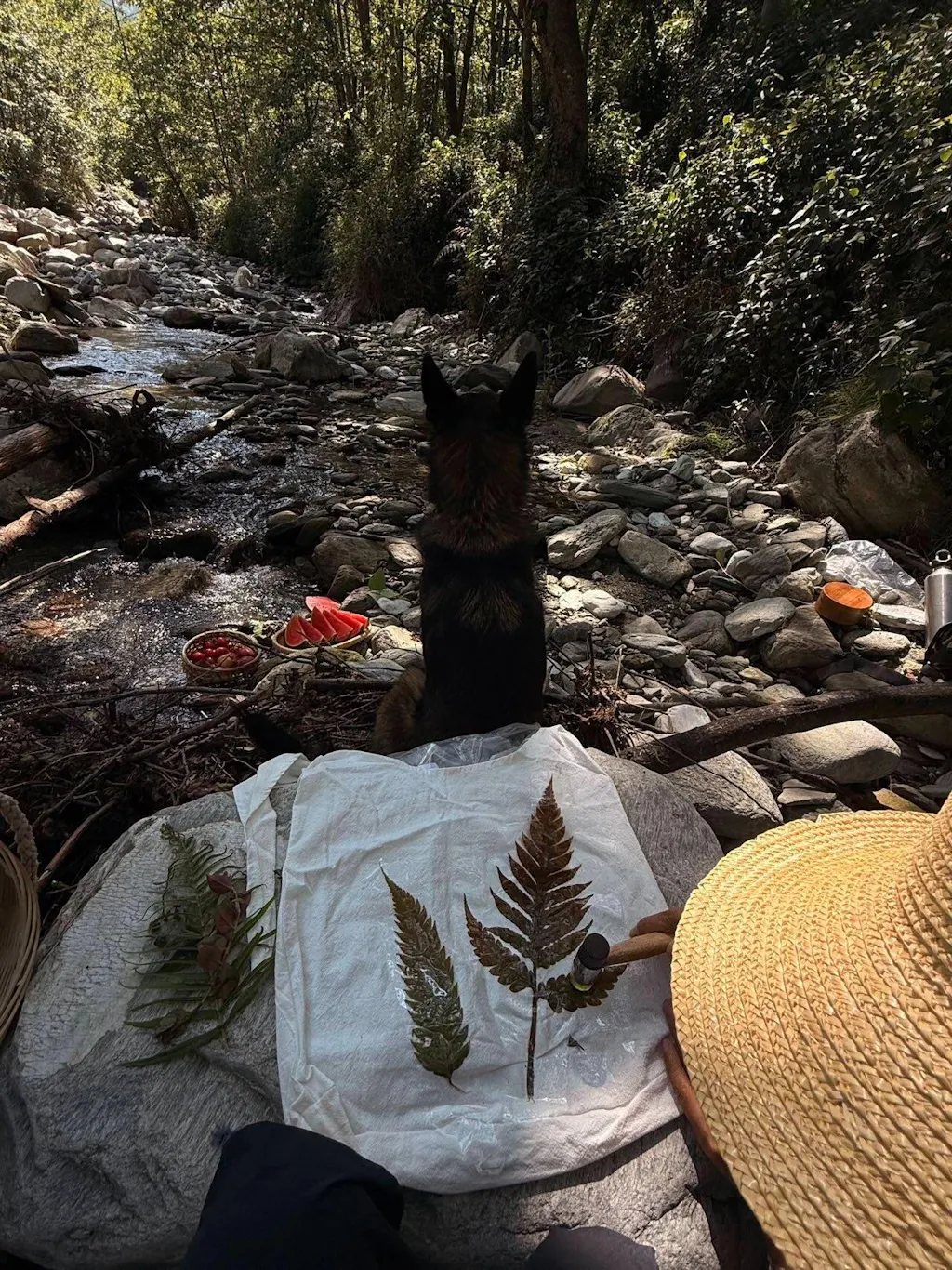
Keep them for hand-dyeing by the creek
Listen to the sound of water and tapping, blending with nature
And there is a particularly adorable little dog
Accompanying all the way
Highly recommended
More than two years ago, I participated in two Cangshan hiking activities organized by the Cangshan Hiking House. Both guides were very professional, gentle, and attentive. So this time, when I returned to Dali for sightseeing, I recommended this place to my friends.
A friend is very interested in stars, so we signed up for this activity together.
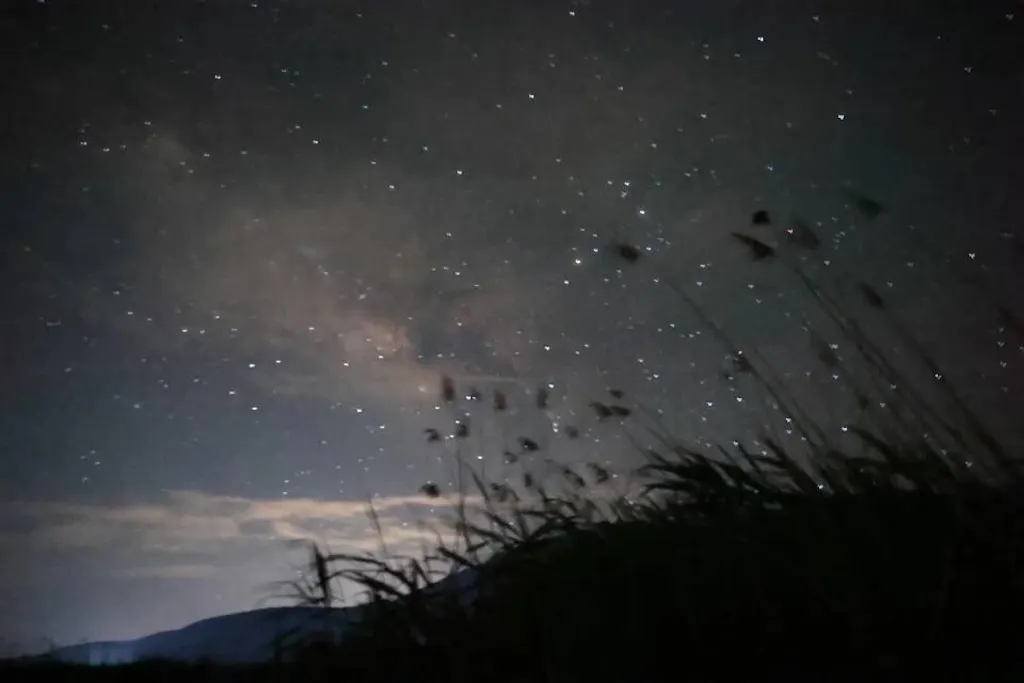
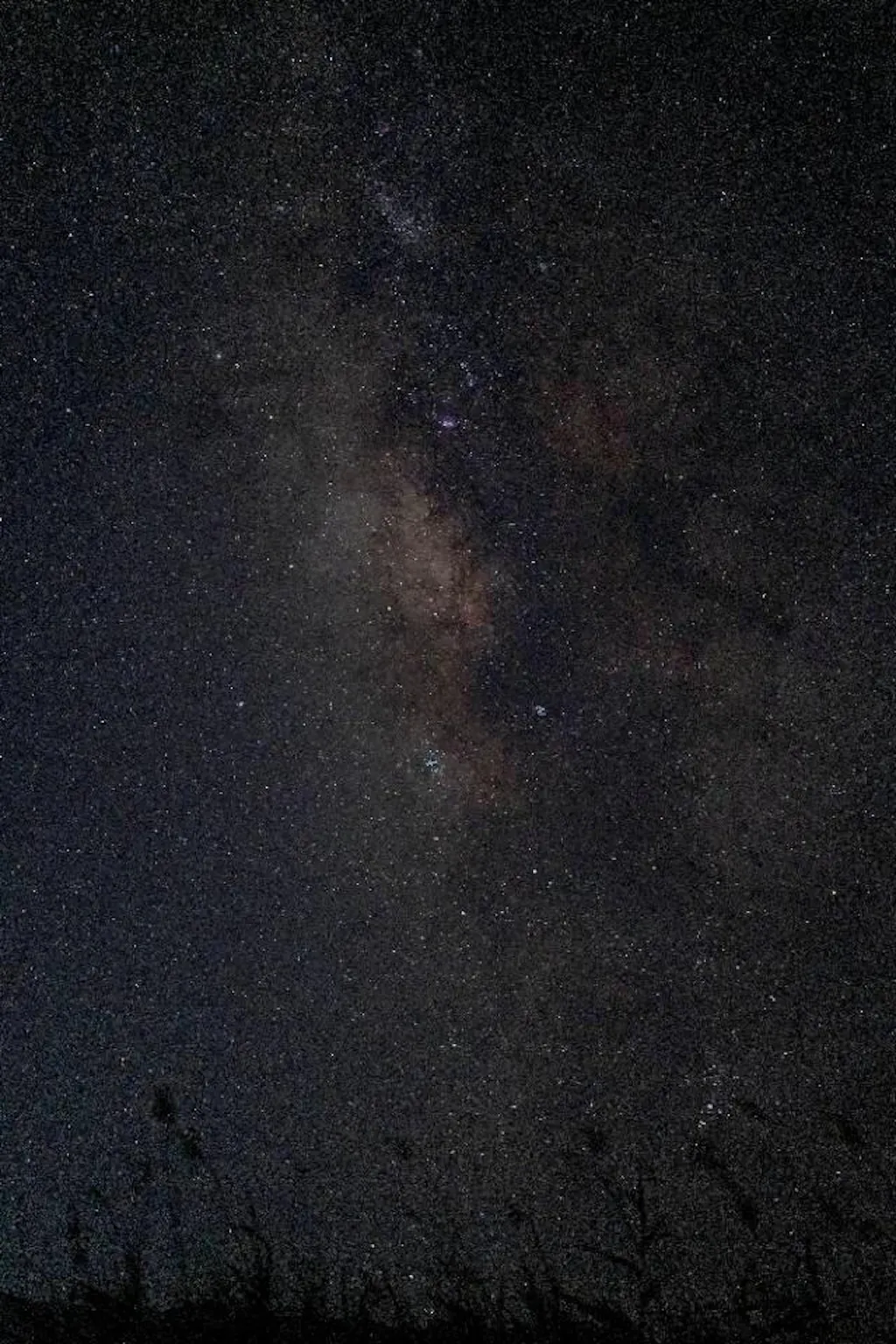
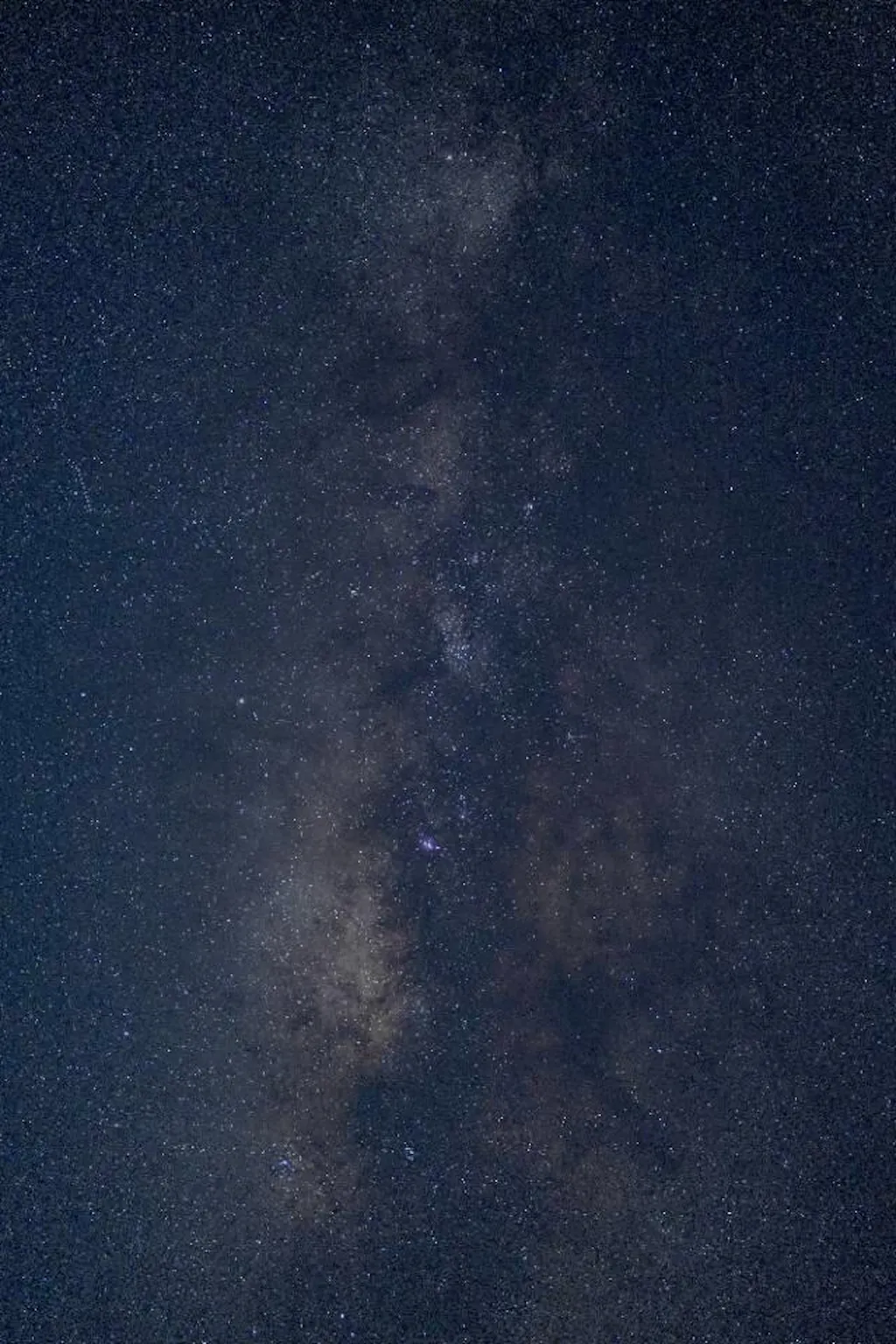
Overall, it was a very good experience. The night we went, the Milky Way was very bright. Lying in a small boat on the lake, the Milky Way was completely visible to the naked eye, with many stars and several shooting stars. Everyone was very satisfied. It was a unique and romantic experience.
There were some minor shortcomings. Not sure if it's the natural aura of Dali itself, but everyone we met during this trip seemed impatient, with a 'buy or not, I don't care' attitude... The guide was less patient than the previous two, seeming tired and wanting to sleep, not very interested in engaging. The astronomical telescope we were very interested in in the detailed description was also missing.
But the professionalism was still sufficient. When not sleeping, the explanations were very professional. It would have been better if the guide had been a bit more patient.
Super great experience, the kids had a lot of fun. Will definitely try again next time. Teacher Phoebe explained very well, and there was a review session in the evening. 100 points~
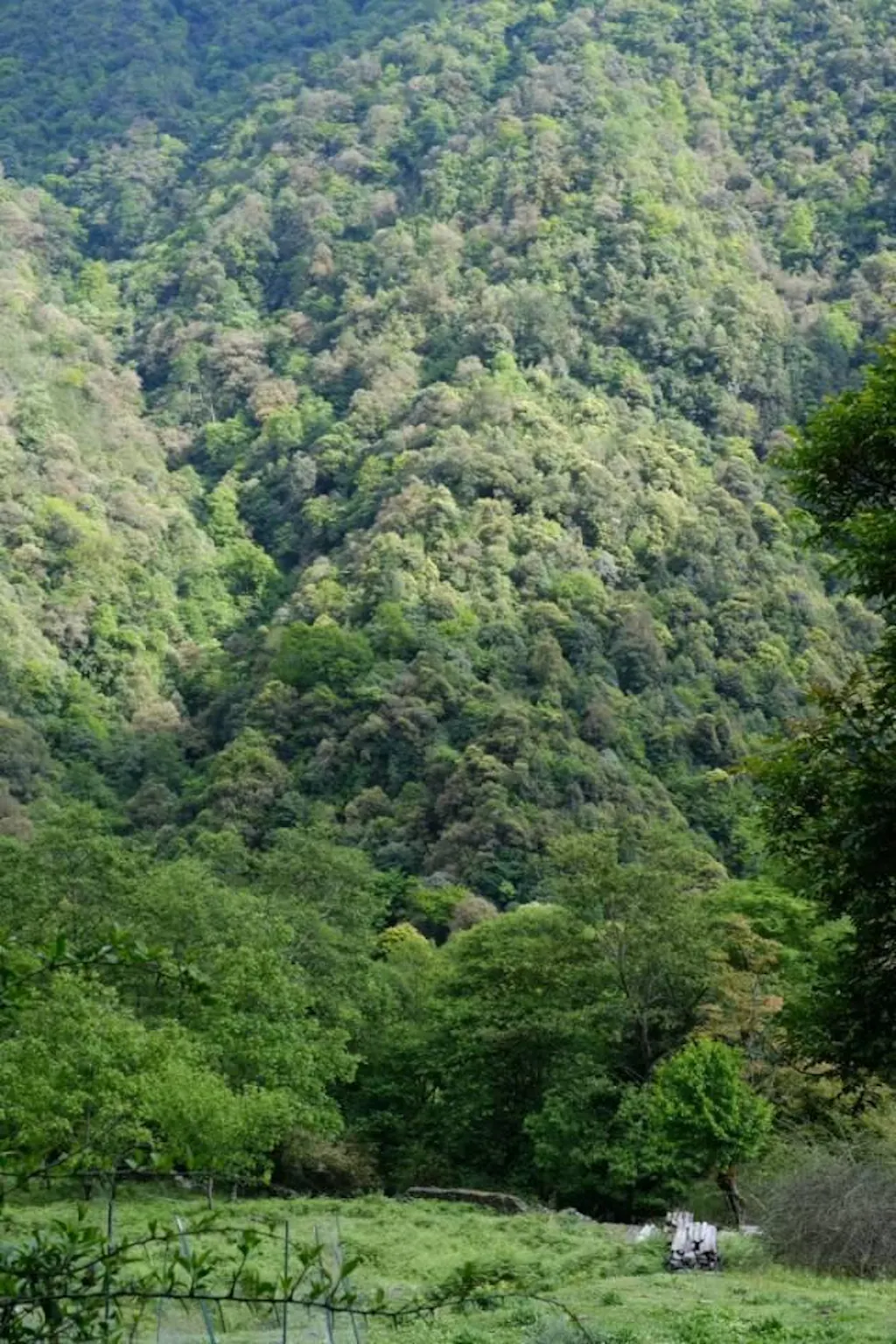
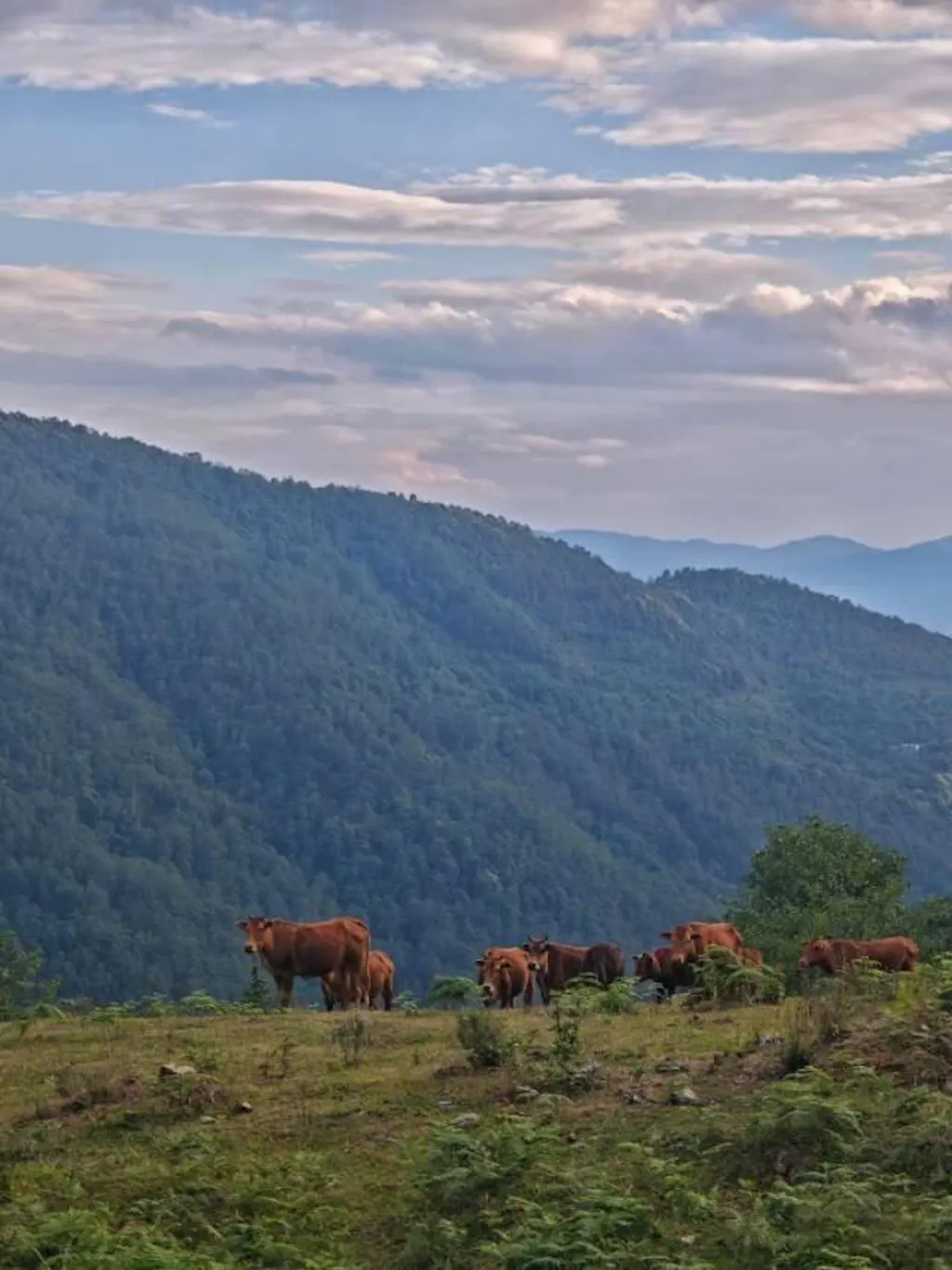
Experiencing the rhythm of life on Cangshan Mountain
As long as we are perceiving nature
Approaching tranquility and freedom infinitely
Thanks to Xiao Qi (not sure if I remembered the name correctly, but he’s a tall, handsome guy with long hair) for the companionship
He is very patient
He is very knowledgeable about every plant on the mountain
Introduce them as if introducing friends of his own
Appears carefree and loves freedom, but is actually very attentive
Prepared tea breaks and delicious Yangmei (bayberries) on the mountain for our rest
A very comfortable and enjoyable day experience
Taking a boat to the center of West Lake to watch the stars
Windy tonight
Reeds and lake water gently rustling in the breeze
Lying back inside the boat, facing the night sky
Recalling the hillside behind Lugu Lake 21 years ago
A similar mood and a sky full of stars
Atu's small speaker suddenly started playing 'City of Stars'
Romantic and fitting, almost brought me to tears
Photos on my phone are too limited
And language as well
I can't express the feelings of this moment with words
Only silence after silence
A few shooting stars streak across the sky
Wishing with a blank mind
Never mind
The development of all things in the universe has its predetermined course
Closing my eyes, feeling embraced by the starry sky
Like the universe or a boat in the river of fate
Insignificant yet infinitely free
We can know the names of all stars in this sky region
But not their true meaning
Actually, meaning isn't necessary
I will quickly forget the names of these stars
But the feelings in this moment are like a knot in a memory
And I will remember forever