


尼克
Oct 28, 2026
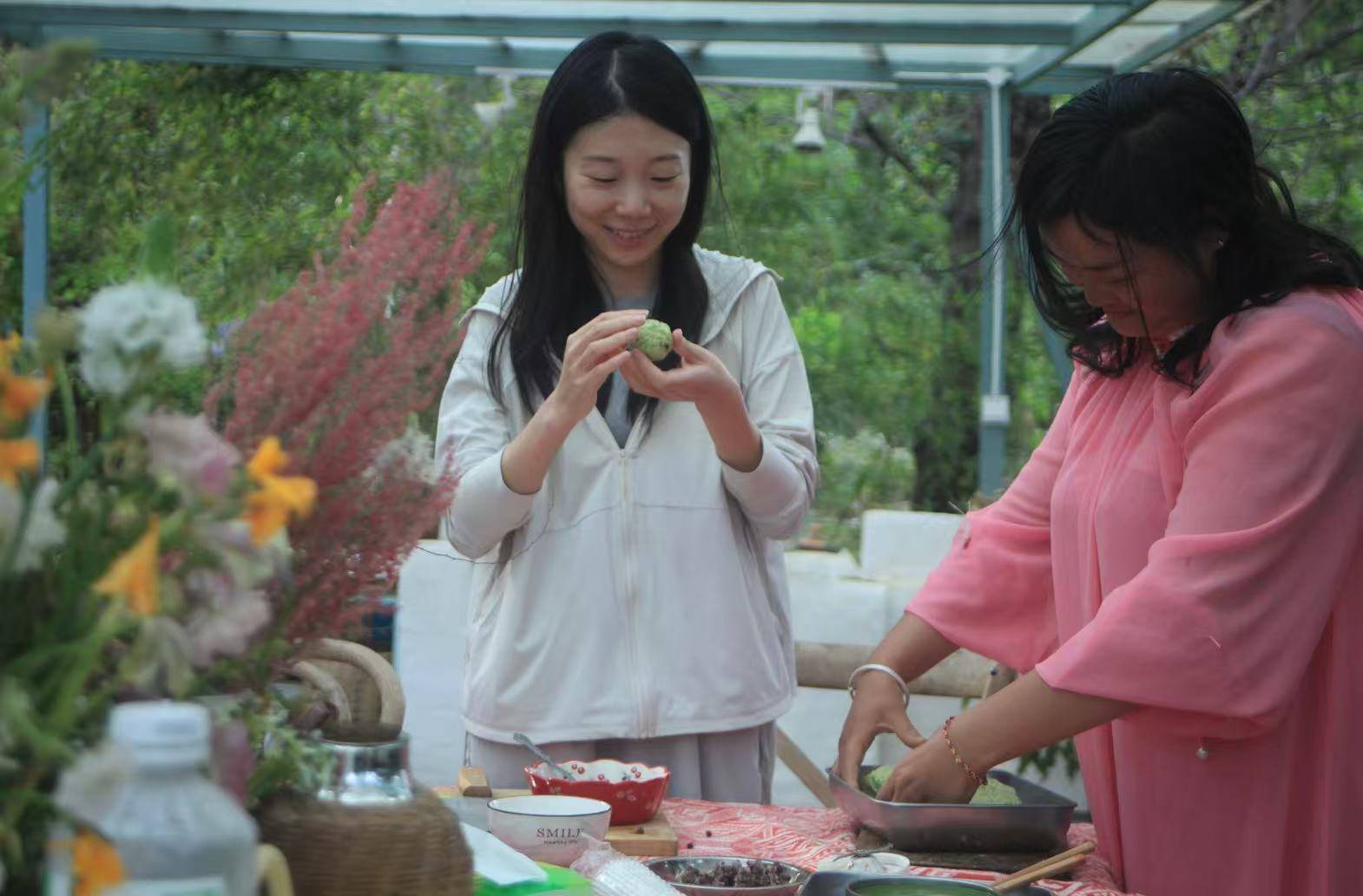
Nearly perfect weather, combined with the company of guide Lini, turned this spur-of-the-moment outing into a truly delightful trip. Along t
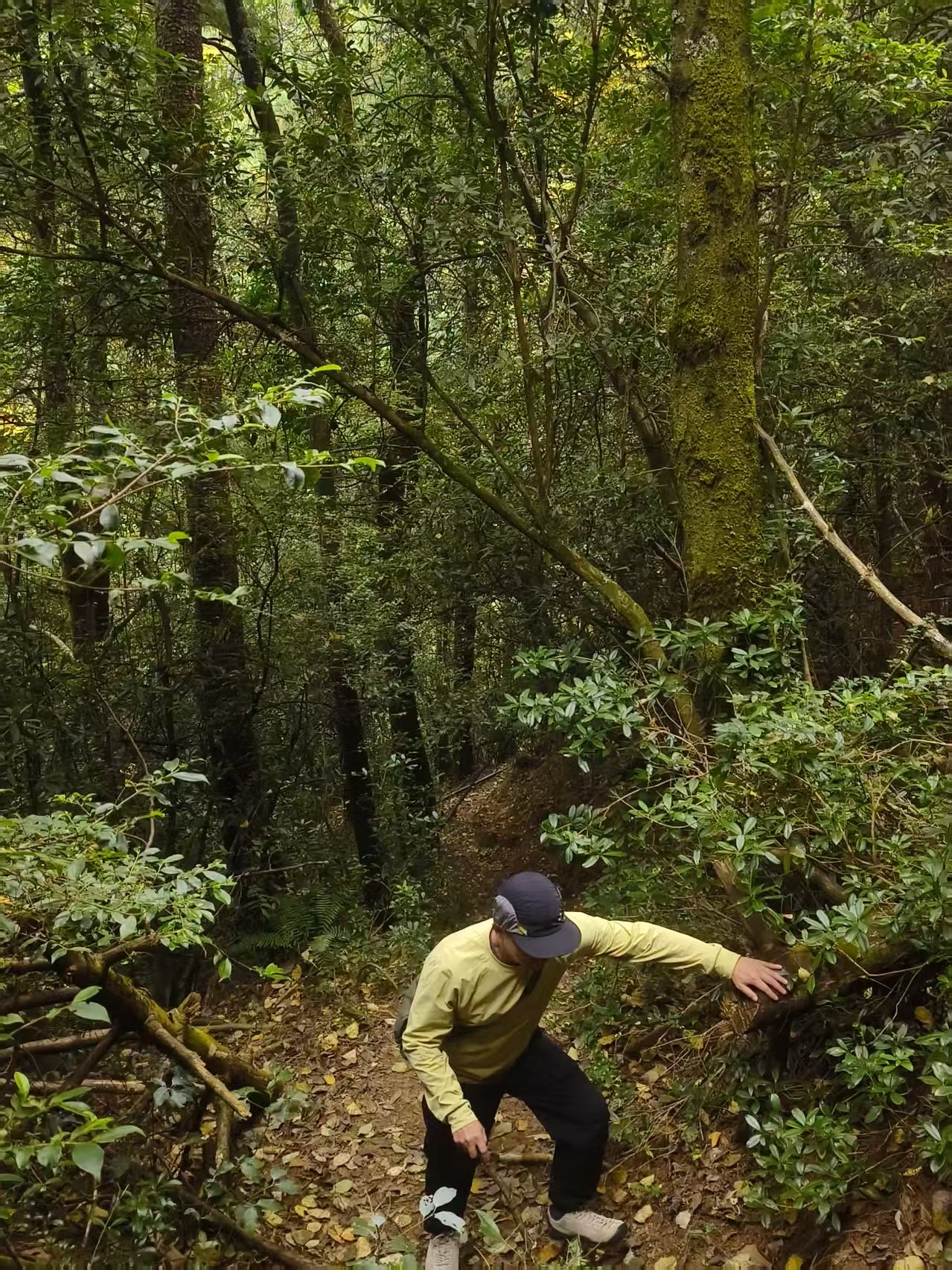
Discover local experiences in Dali, Yunnan: mushroom foraging, stargazing, meals with local families and Cangshan hiking, led by people who share what they love.
Explore local experiences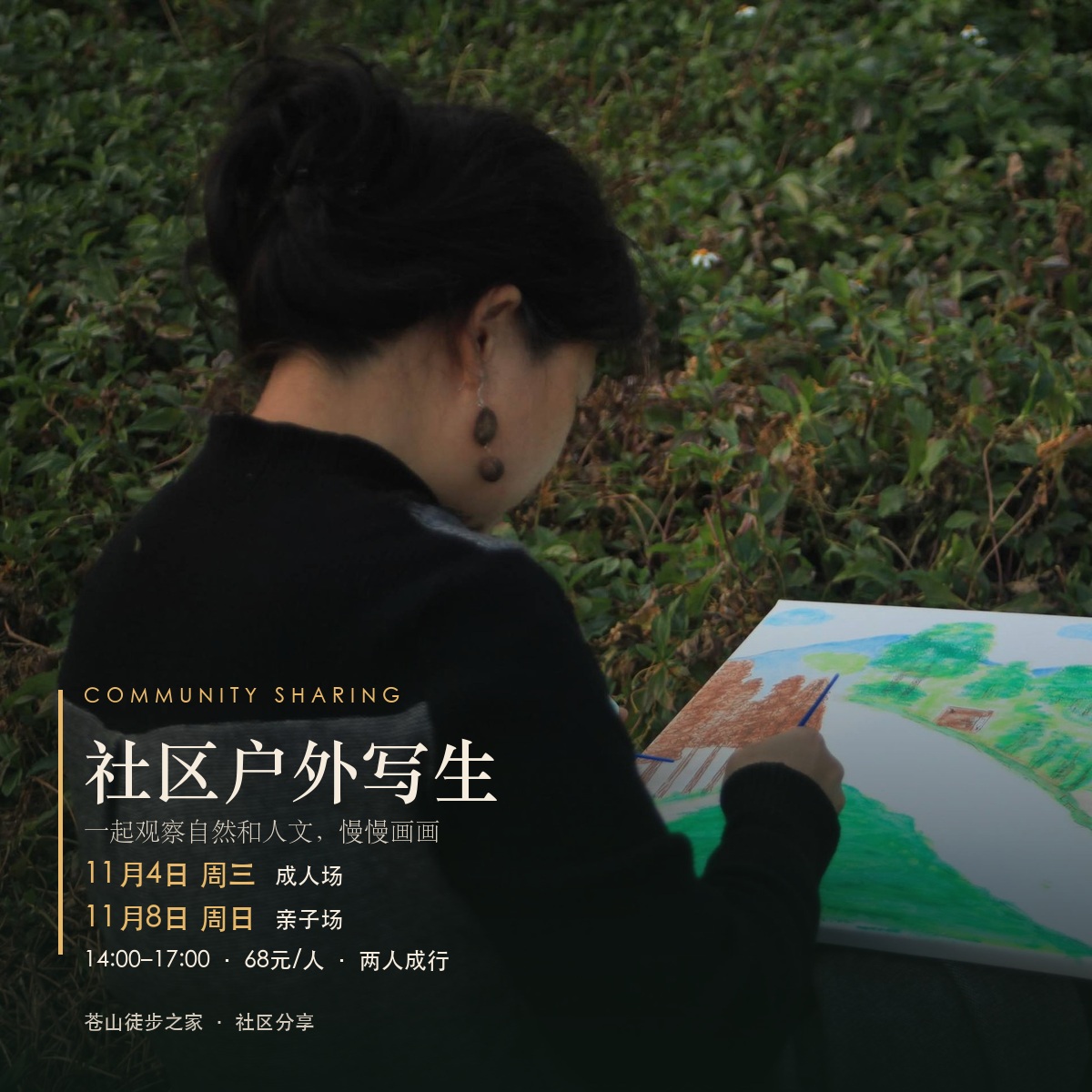 Community Outdoor Sketching | Observe Nature and Culture Together, Draw at Your Own Pace14:001 booked
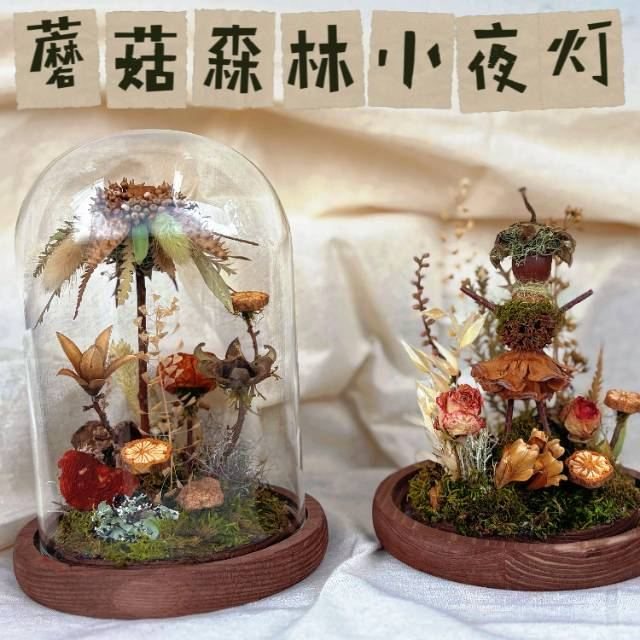 Make a "Mushroom Lamp" | Using mushrooms you collected yourself in the forest13:301 booked
 Eryuan Countryside Trip | Milk Fan Making Experience, Boat Ride, Countryside Stroll14:001 booked
 AI Sharing Session | Create a Mini Program with a Live Case19:001 booked
 Stargazing with Atu | A Boat Ride on the Lake Under the Night Sky17:308 bookedStargazing with Atu | A Boat Ride on the Lake Under the Night Sky21:003 booked
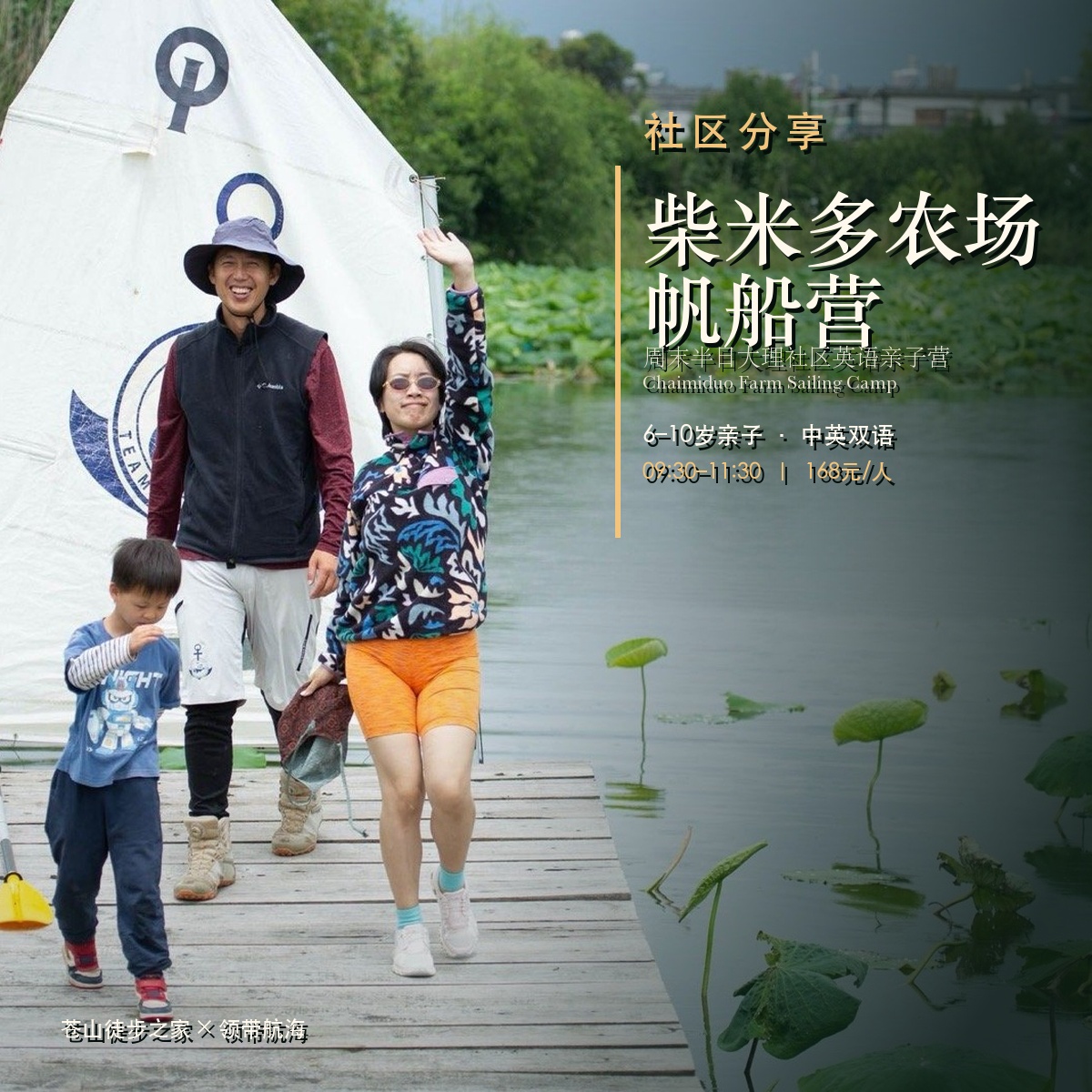 Chaimiduo Farm Sailing Camp · Weekend Half-Day Family Camp09:301 bookedStargazing with Atu | A Boat Ride on the Lake Under the Night Sky17:307 bookedStargazing with Atu | A Boat Ride on the Lake Under the Night Sky17:308 bookedStargazing with Atu | A Boat Ride on the Lake Under the Night Sky17:304 booked
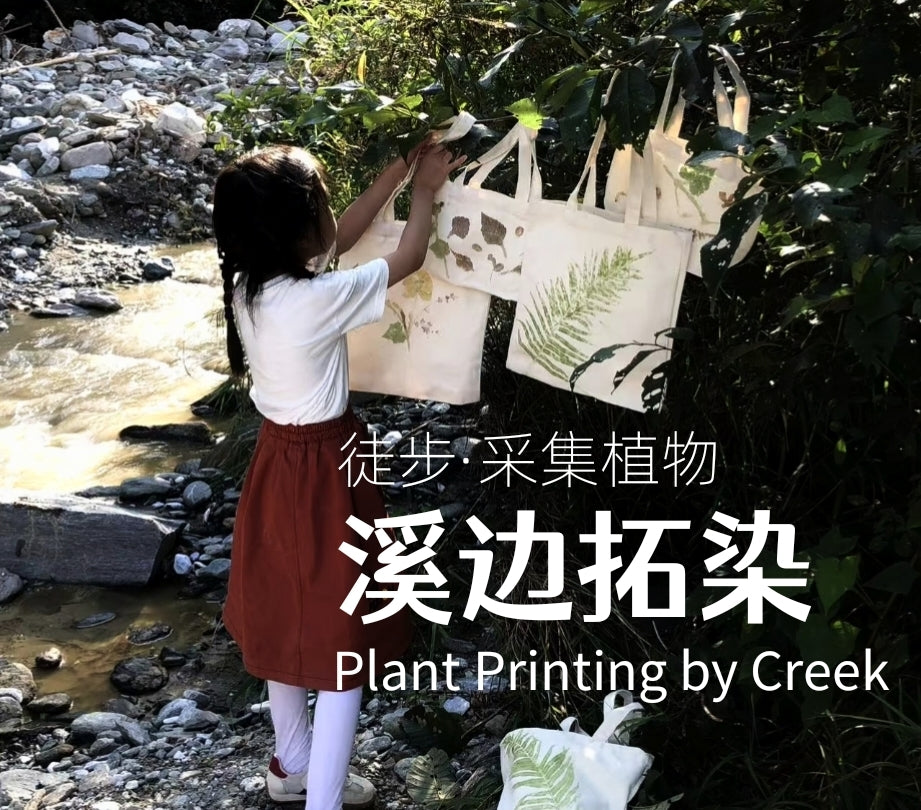
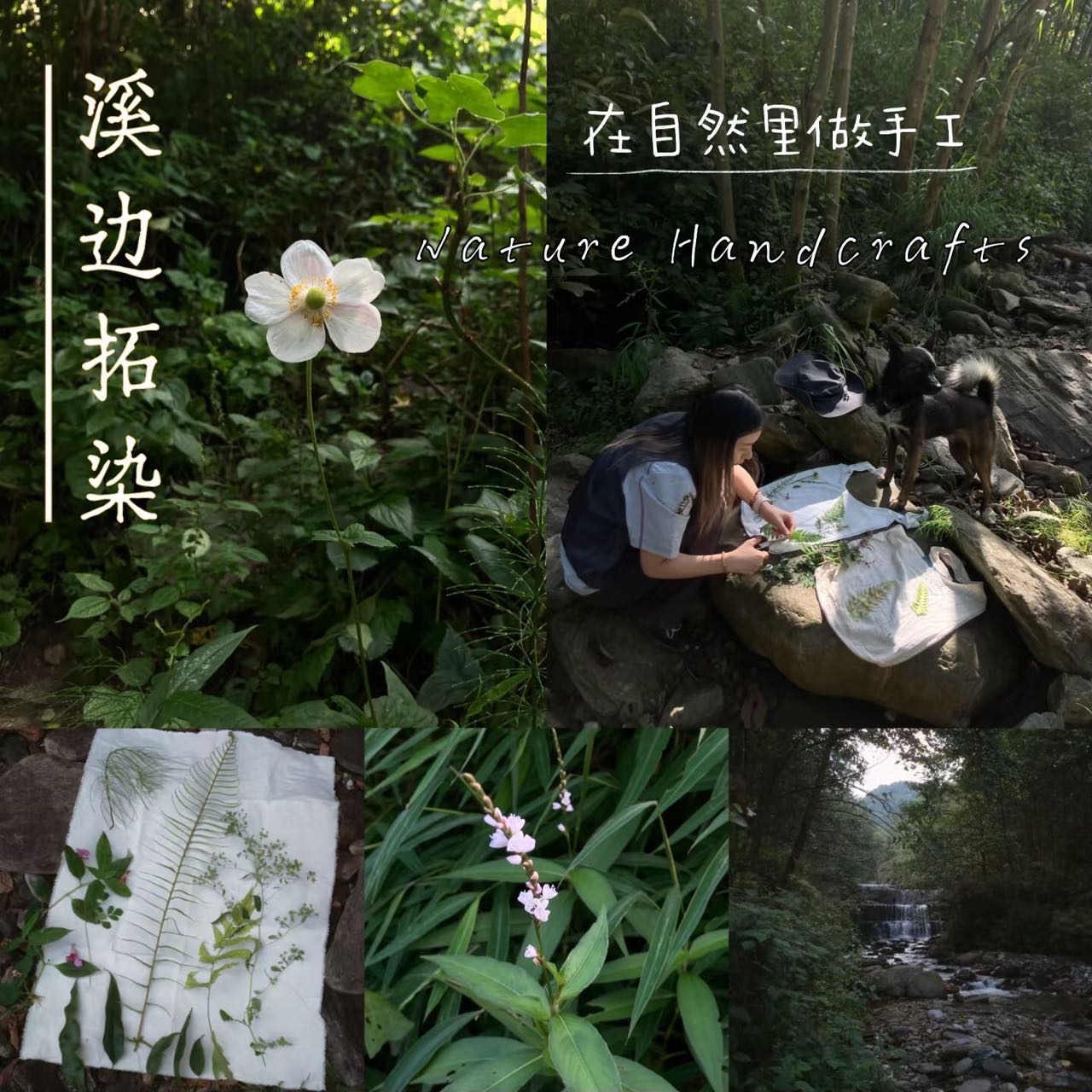 Through the Fields to the Stream for Nature Printing14:302 booked
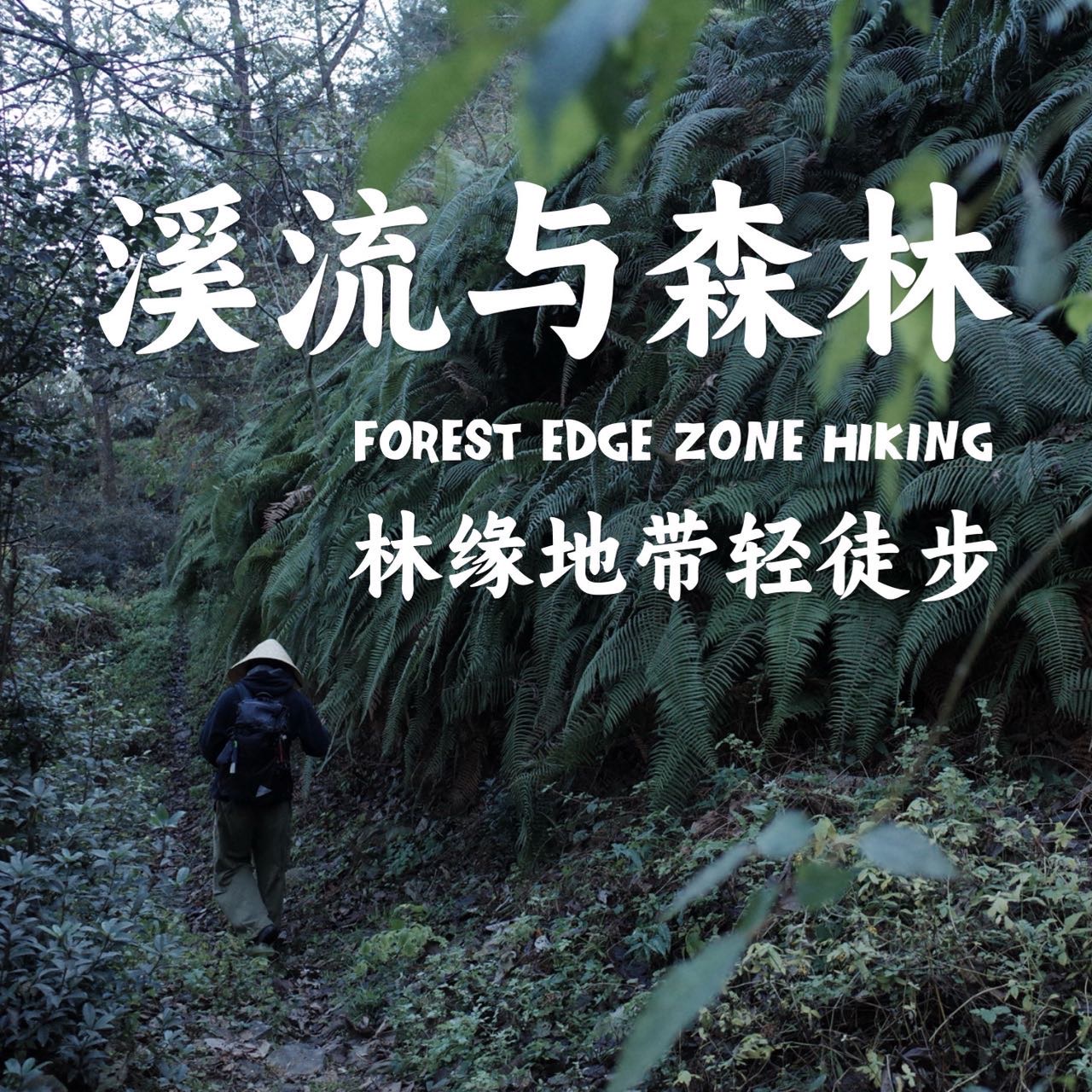
3.5 hours
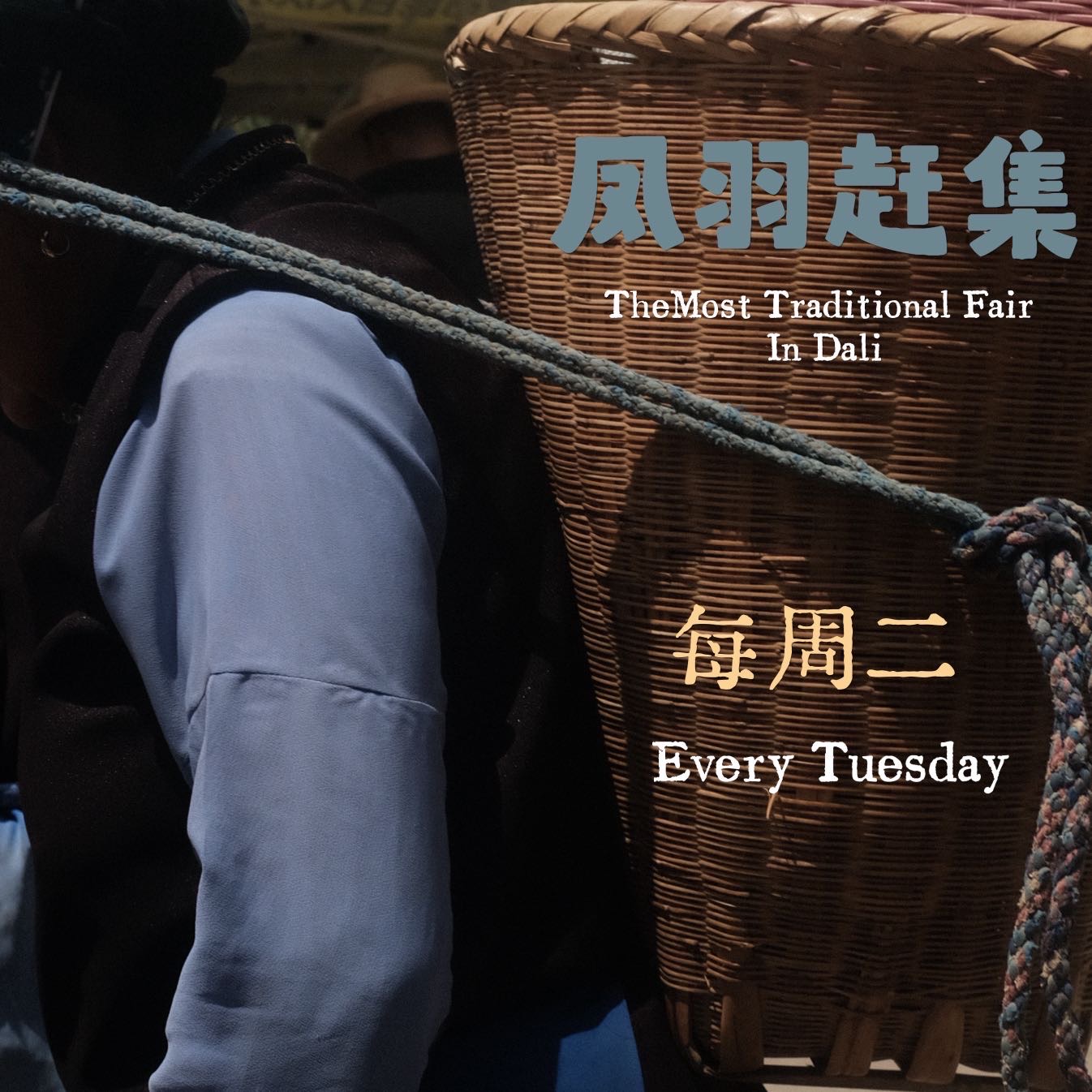
8.5 hours
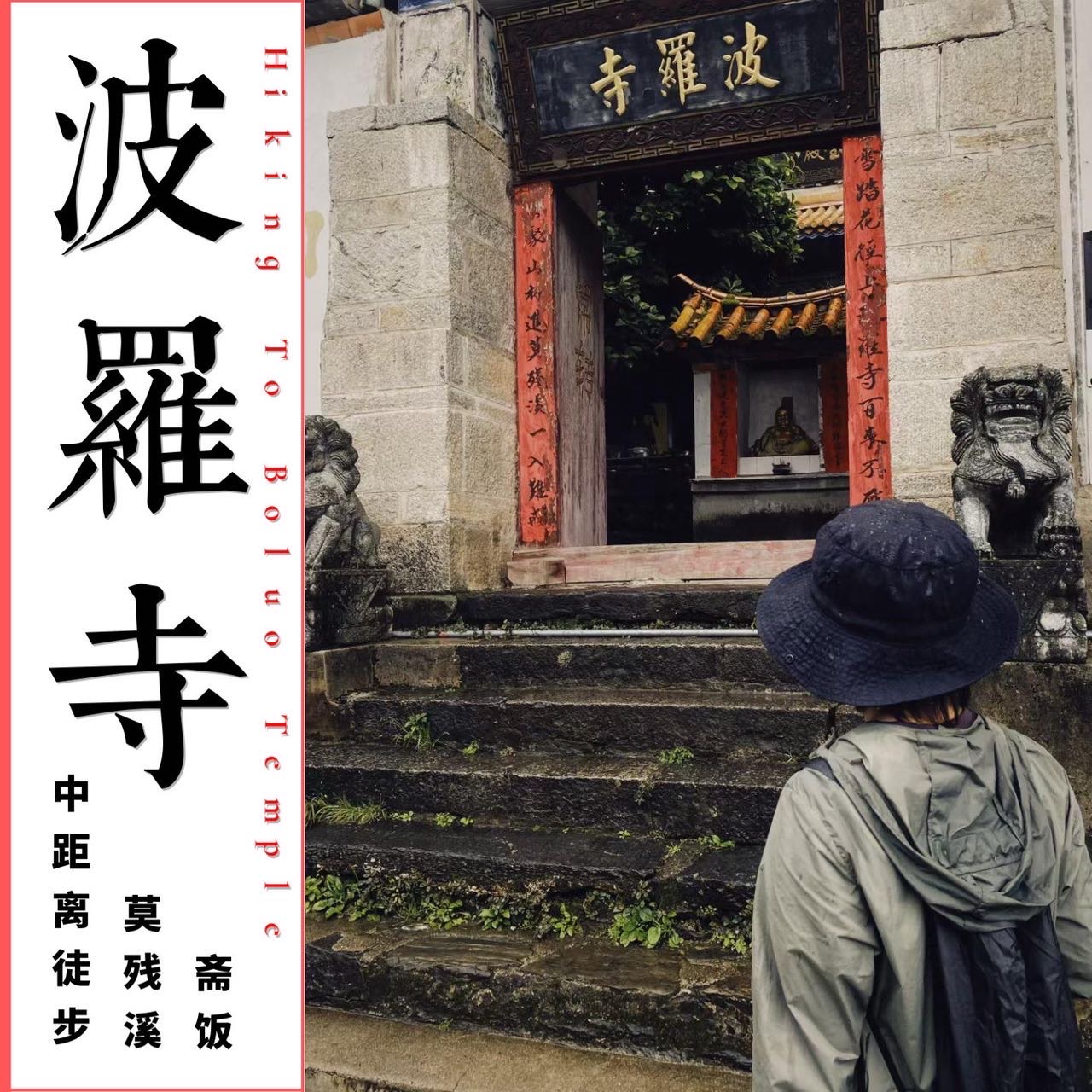
6.5 hours
2 hours
3.5 hours
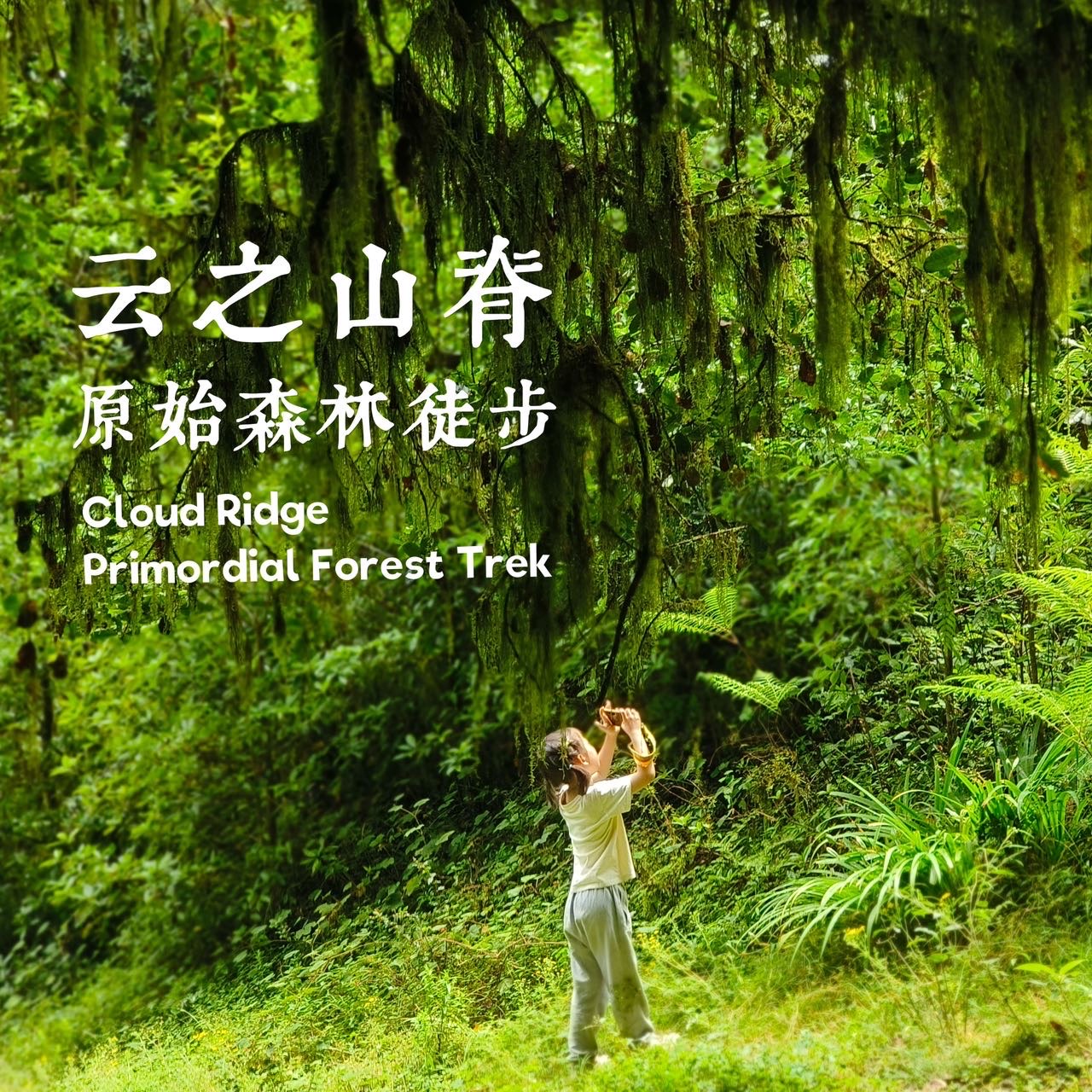
8.5 hours
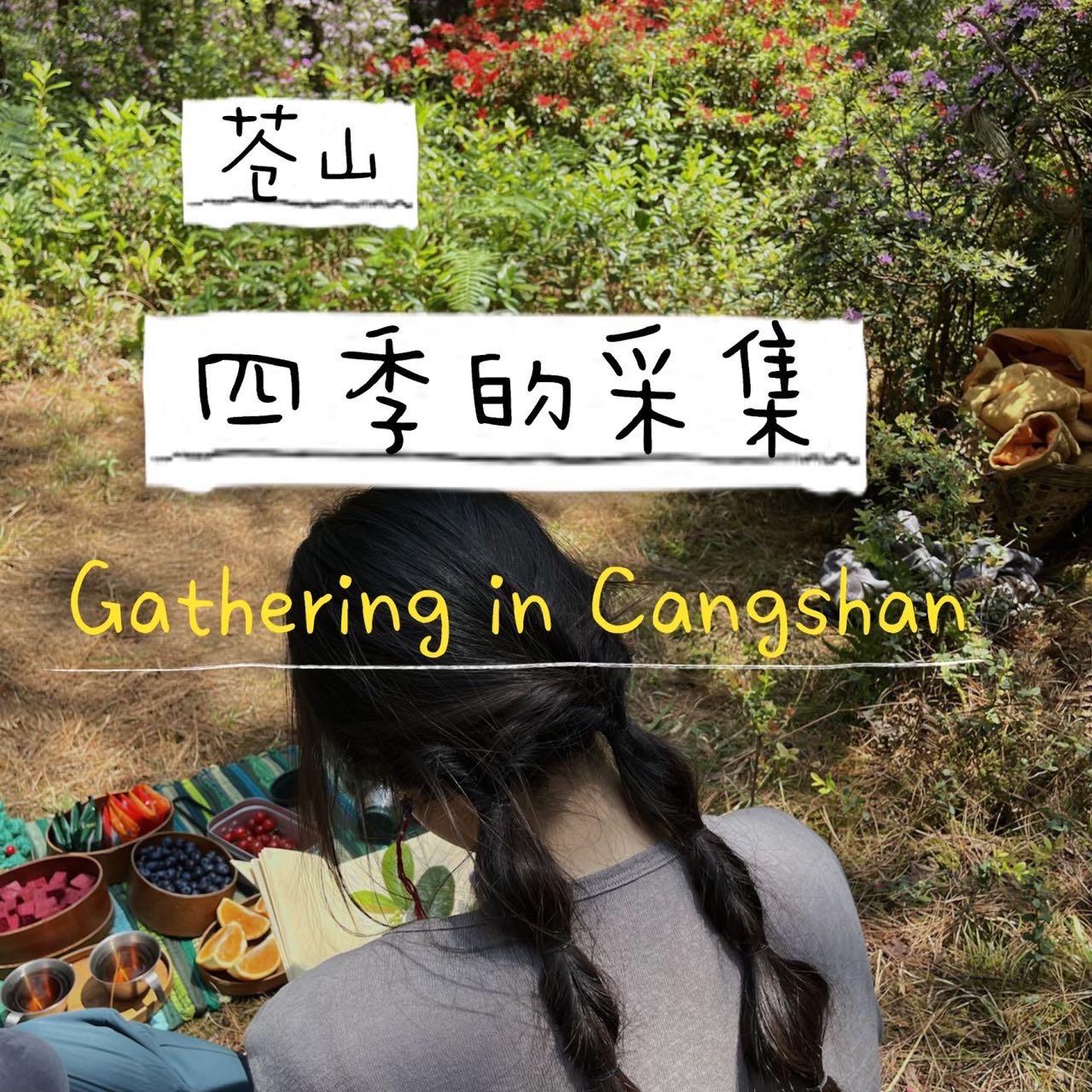
3 hours
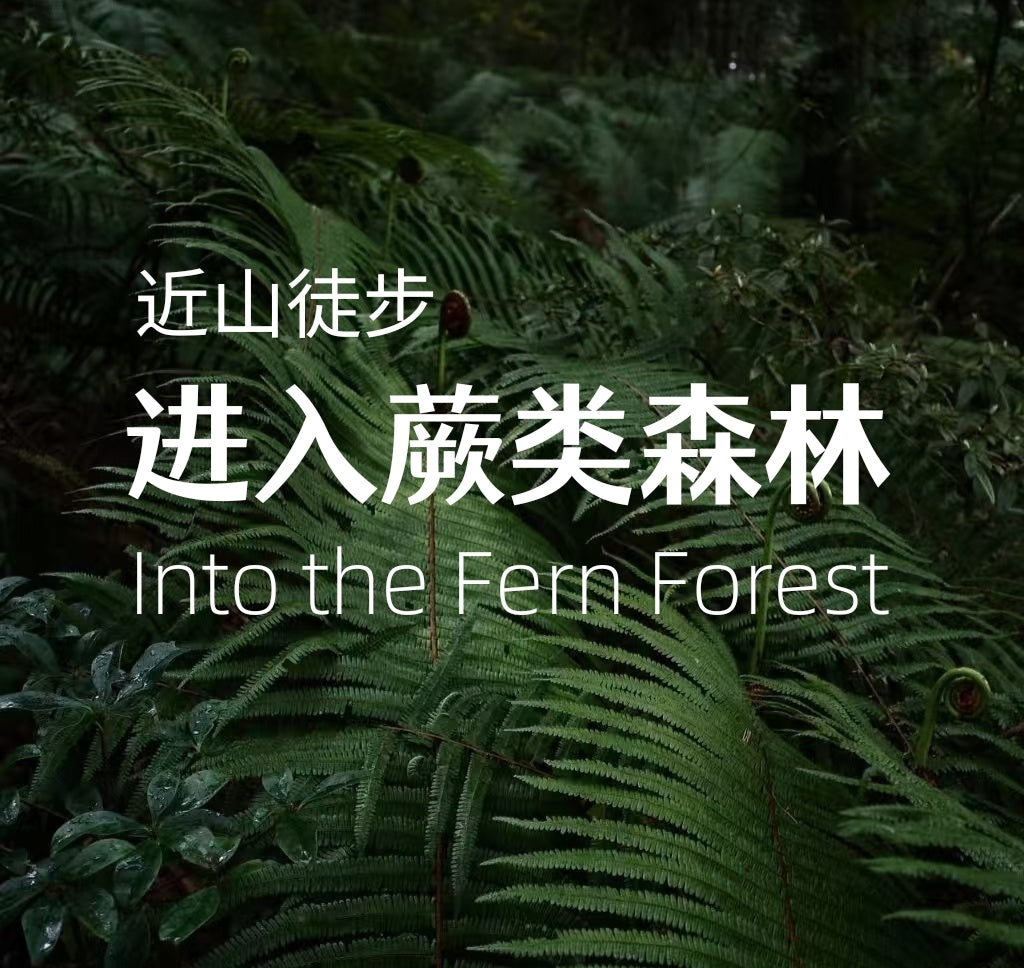
4 hours
Fresh scenes our guides have brought back from the mountains and villages.
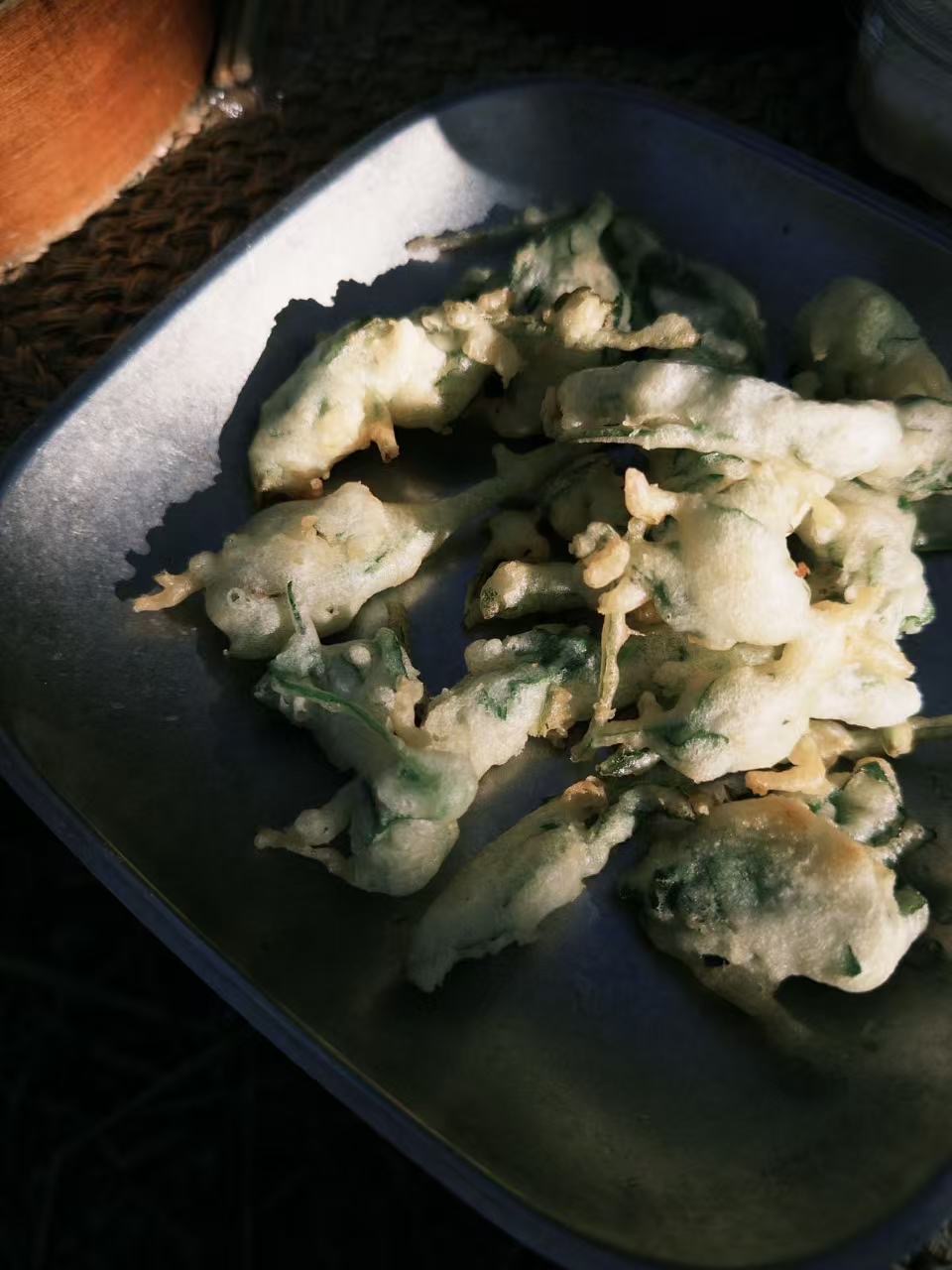 Minibus Trip | Walk and Botanical Printing by the Ancient Woods along the Miju River, Forage Wild Vegetables in the Fields and Make Tempura
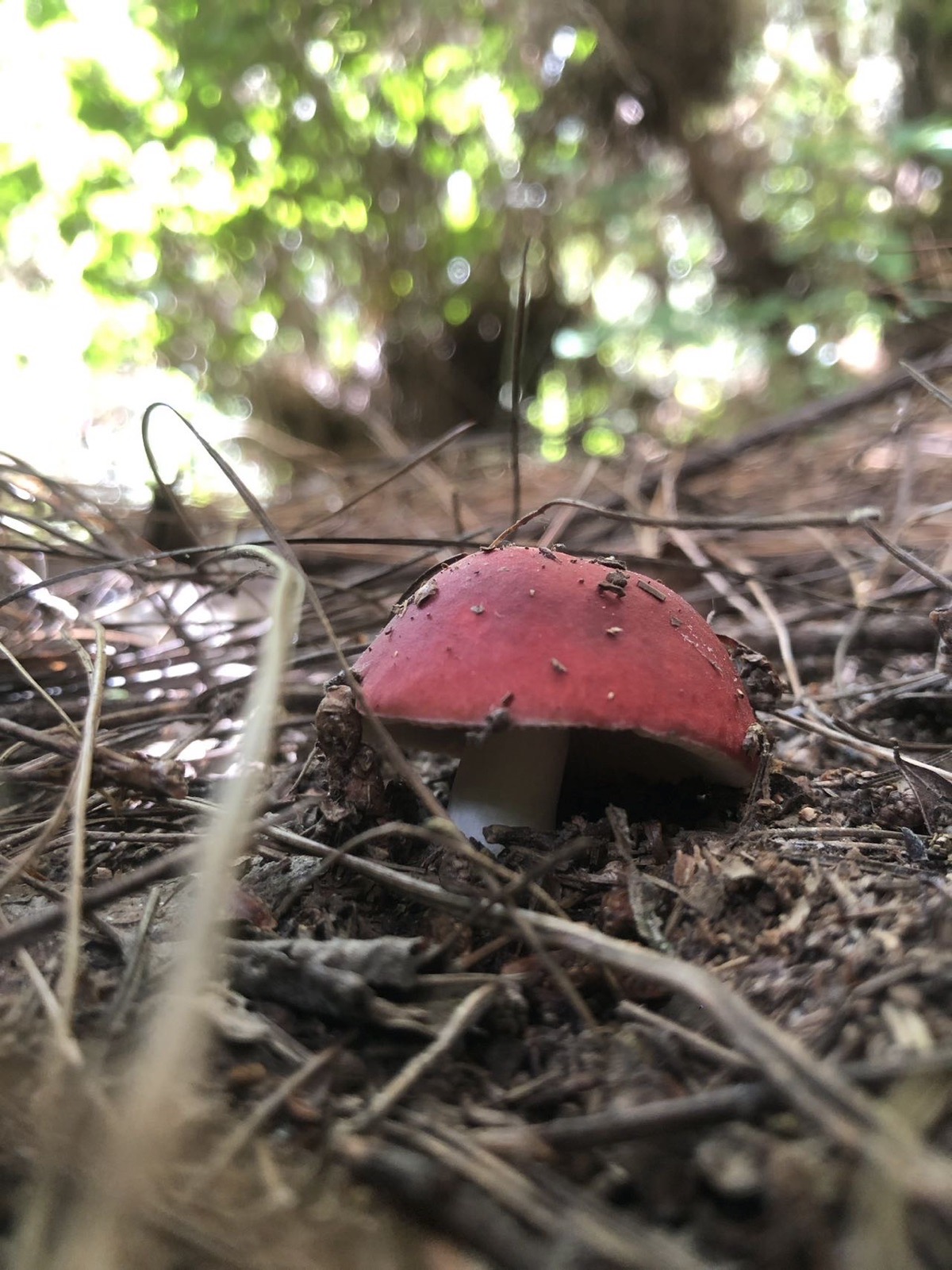 Four Seasons Foraging in the Cangshan Mountains
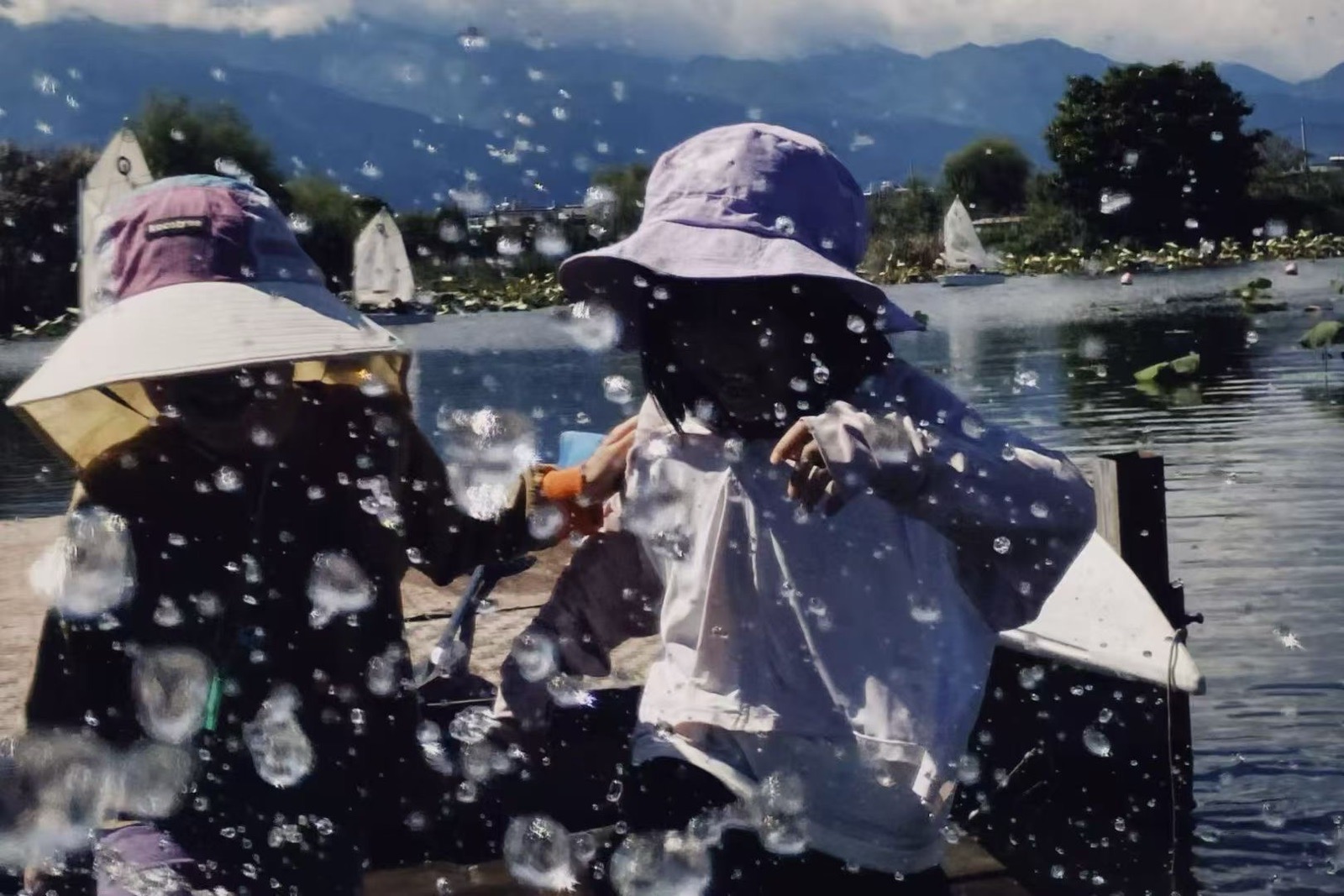 Chaimiduo Farm Sailing Camp · Weekend Half-Day Family Camp
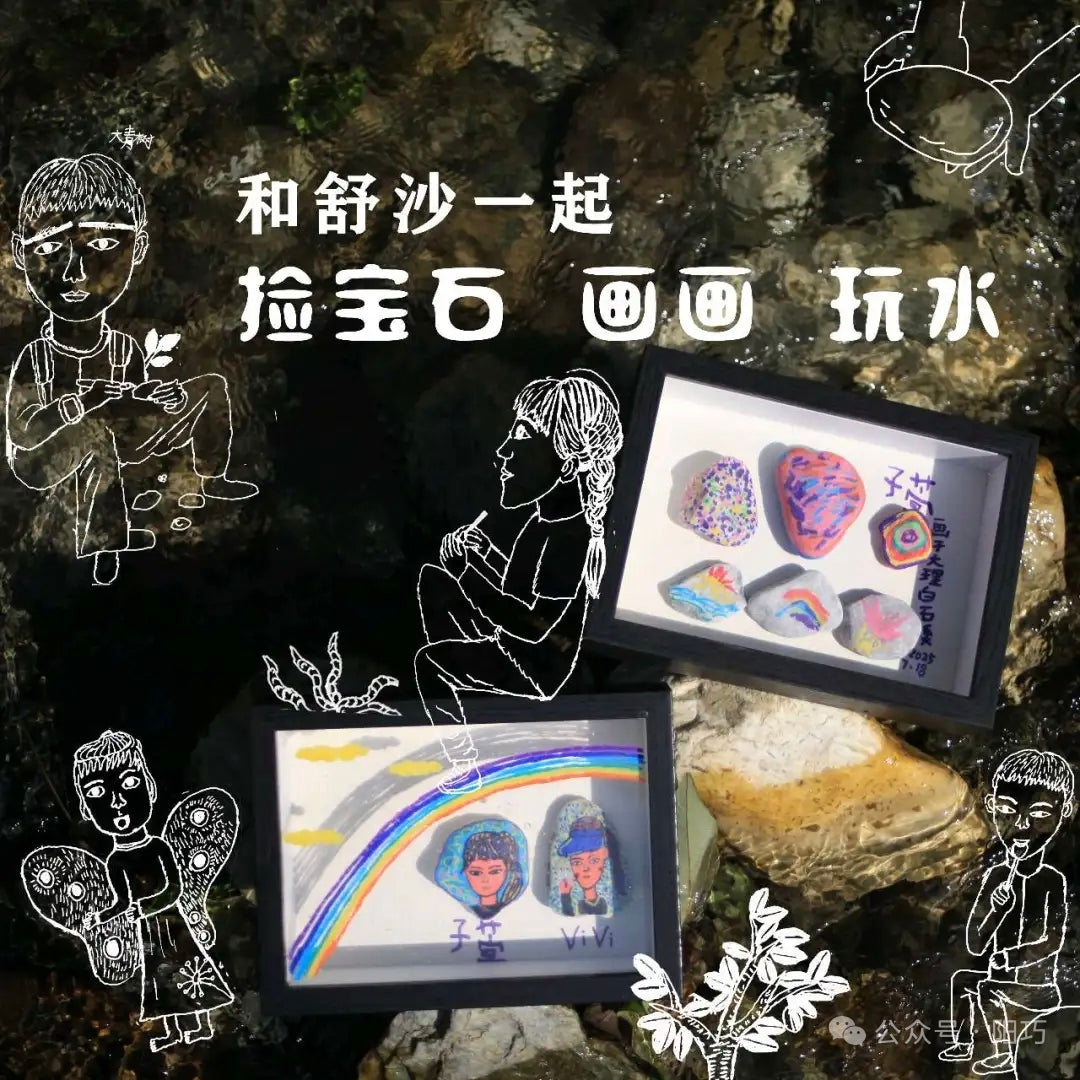
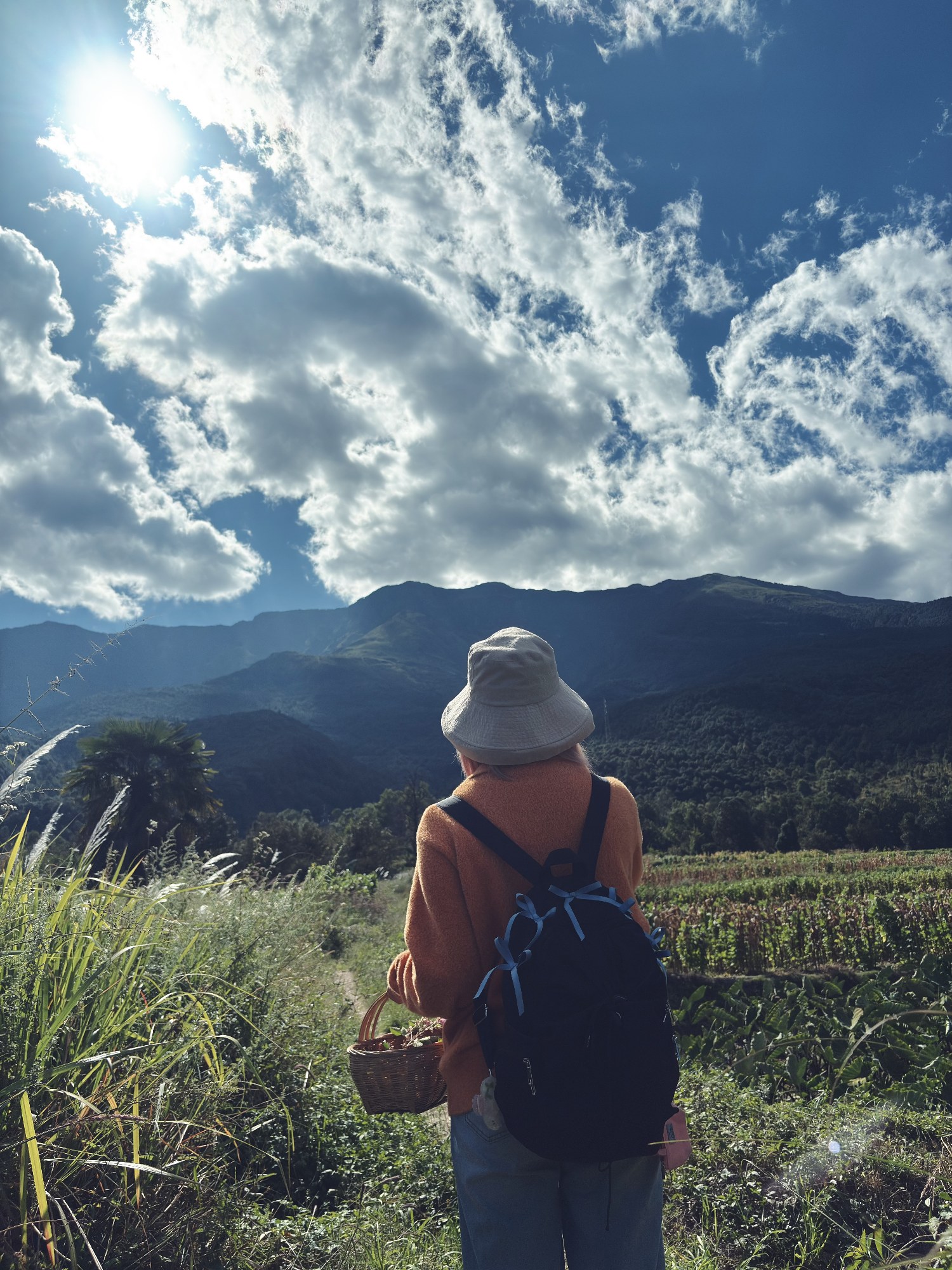 Through the Fields to the Stream for Nature Printing
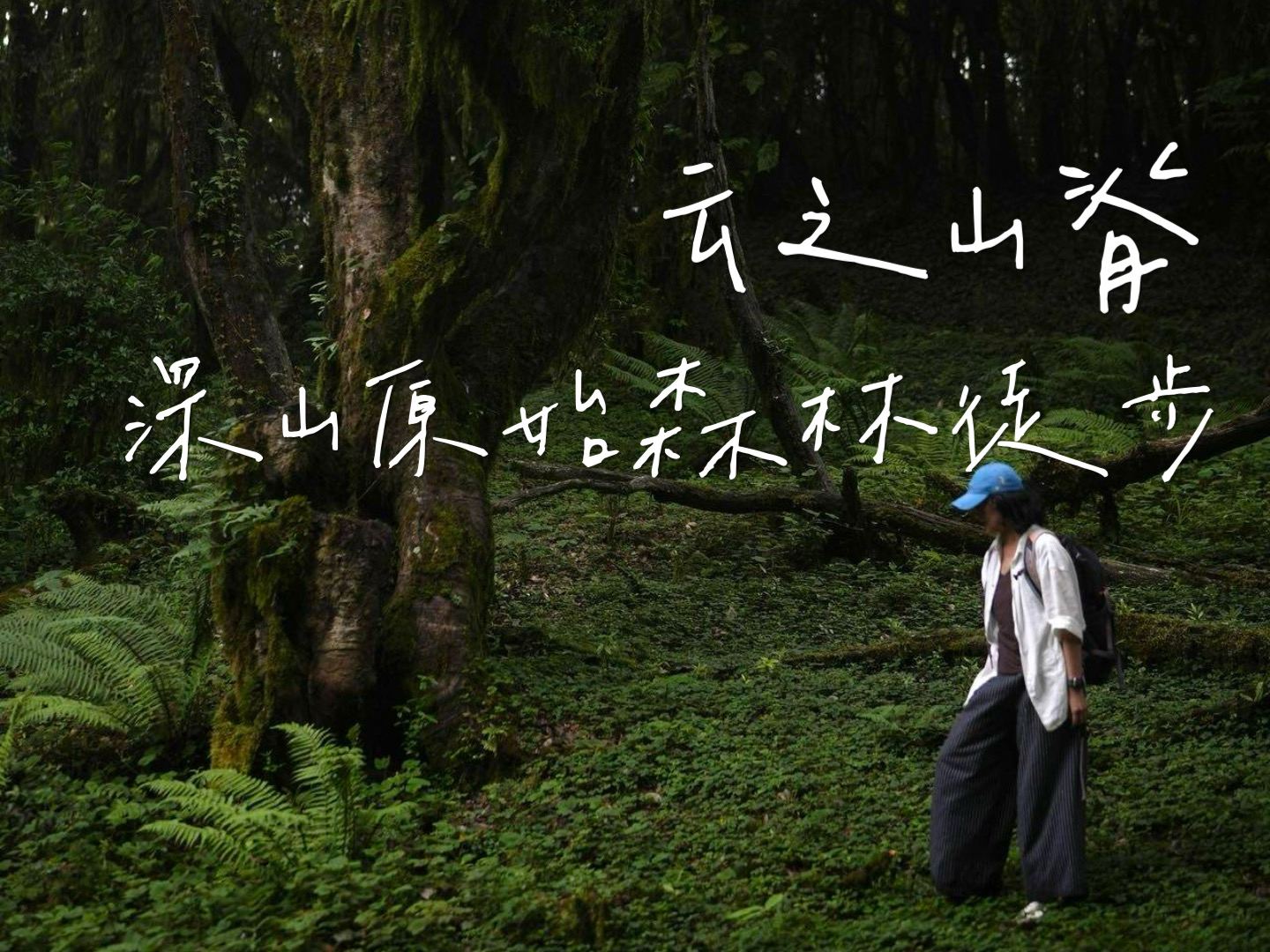
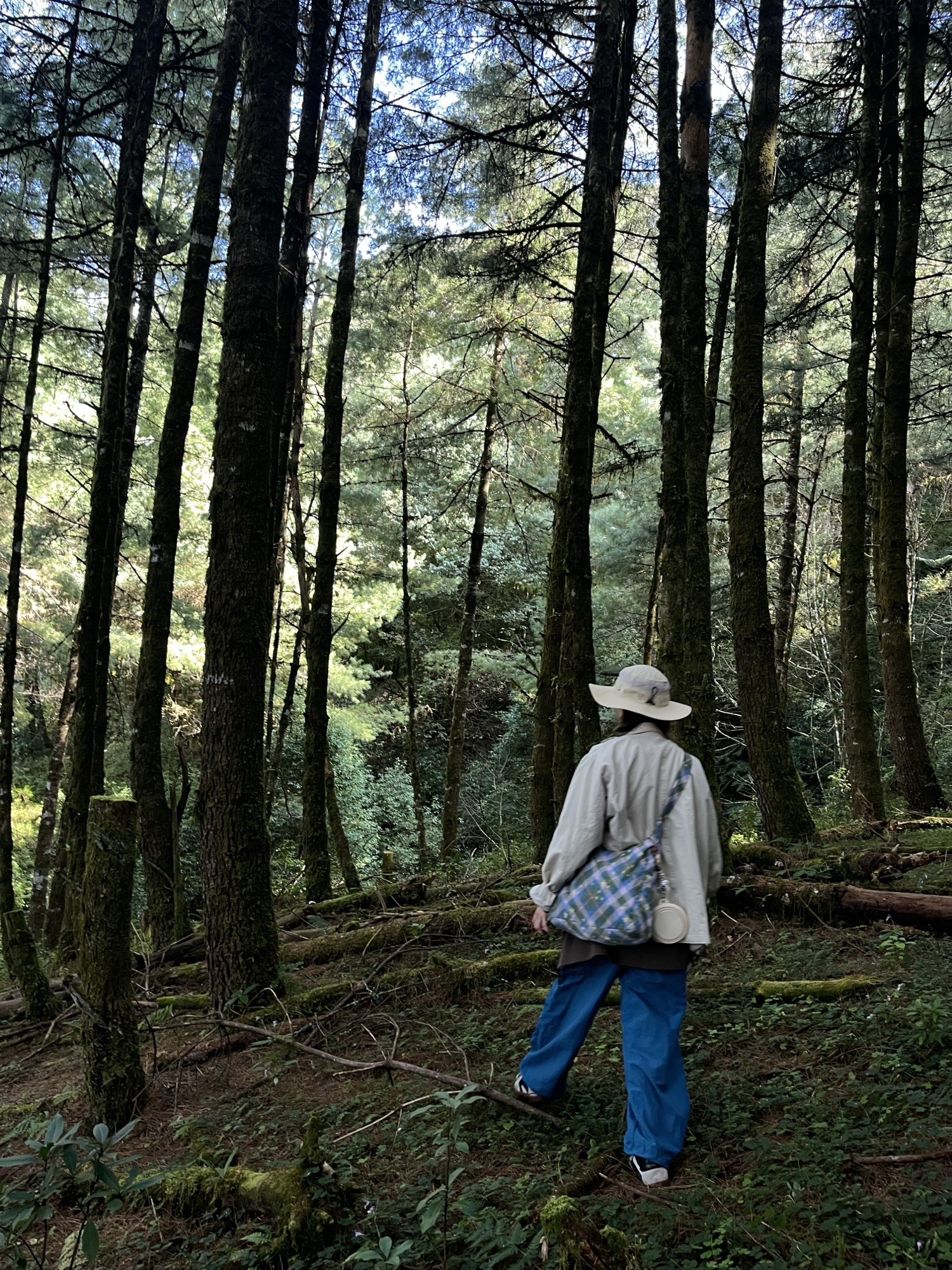 Ridge of Clouds | Hiking in Dali's Primeval Forest
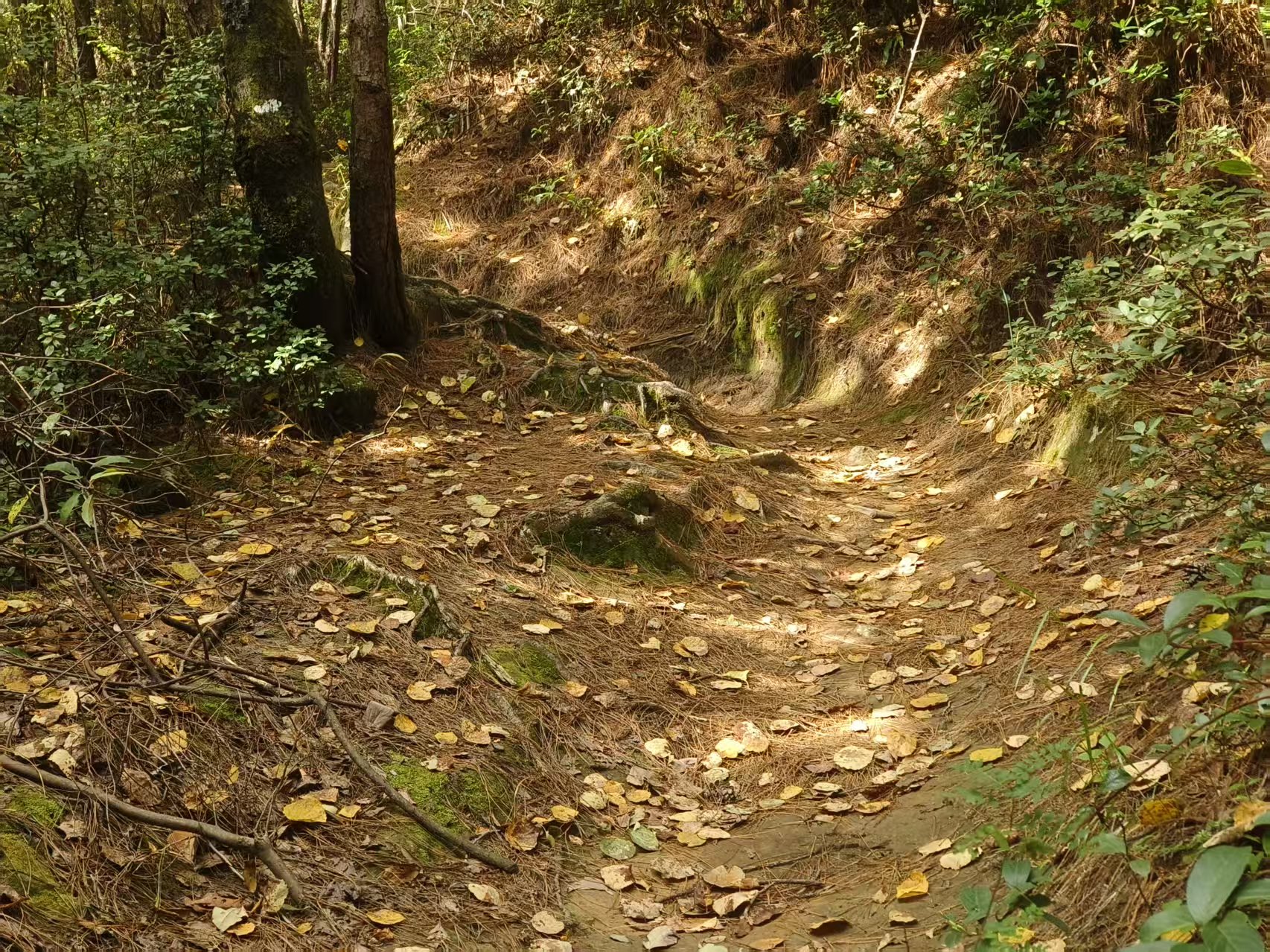
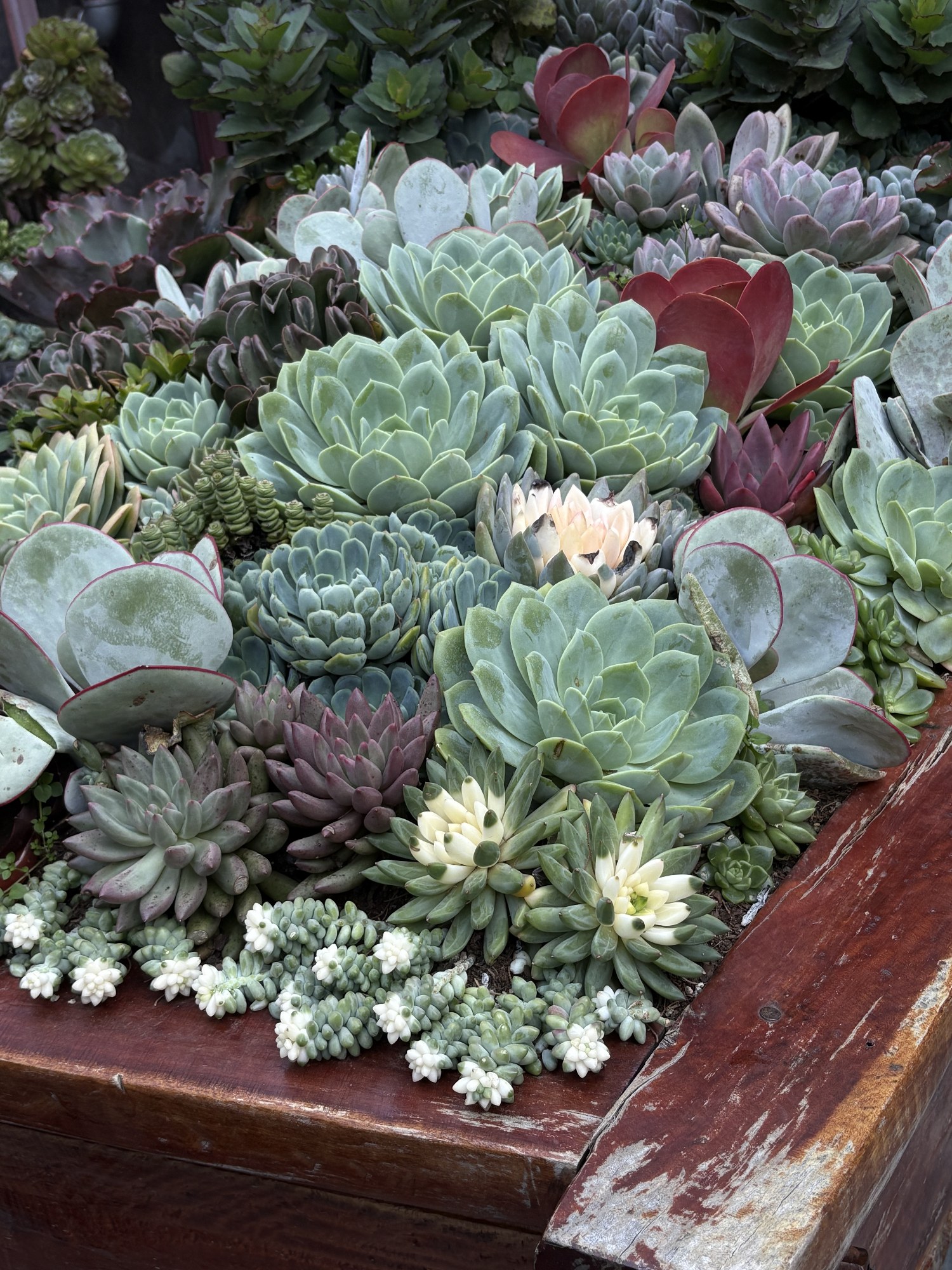 Picking Pinecones on Cangshan Wild Trails | Vegetarian Meal at Jizhao Nunnery
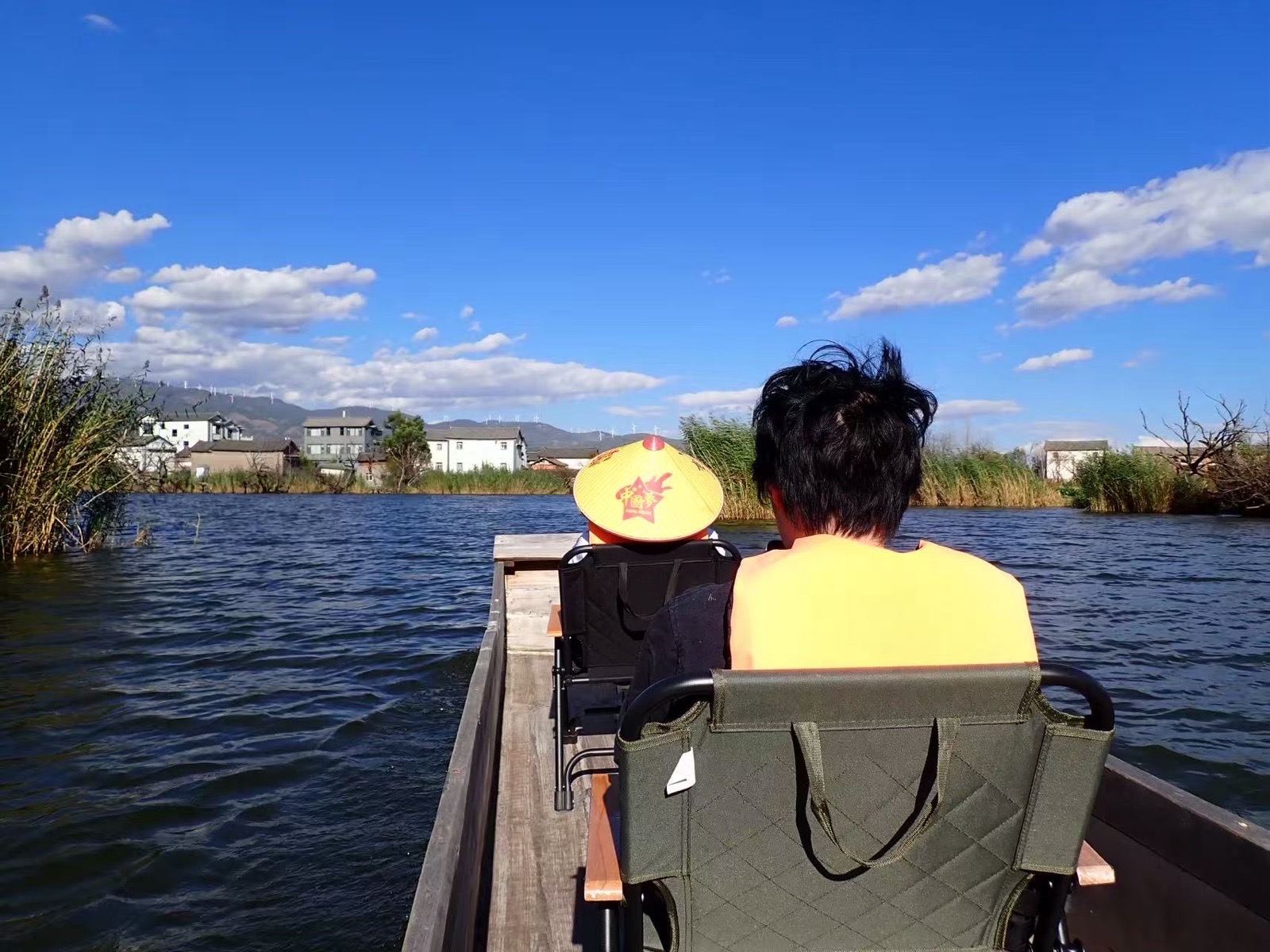 Eryuan Countryside Trip | Milk Fan Making Experience, Boat Ride, Countryside Stroll
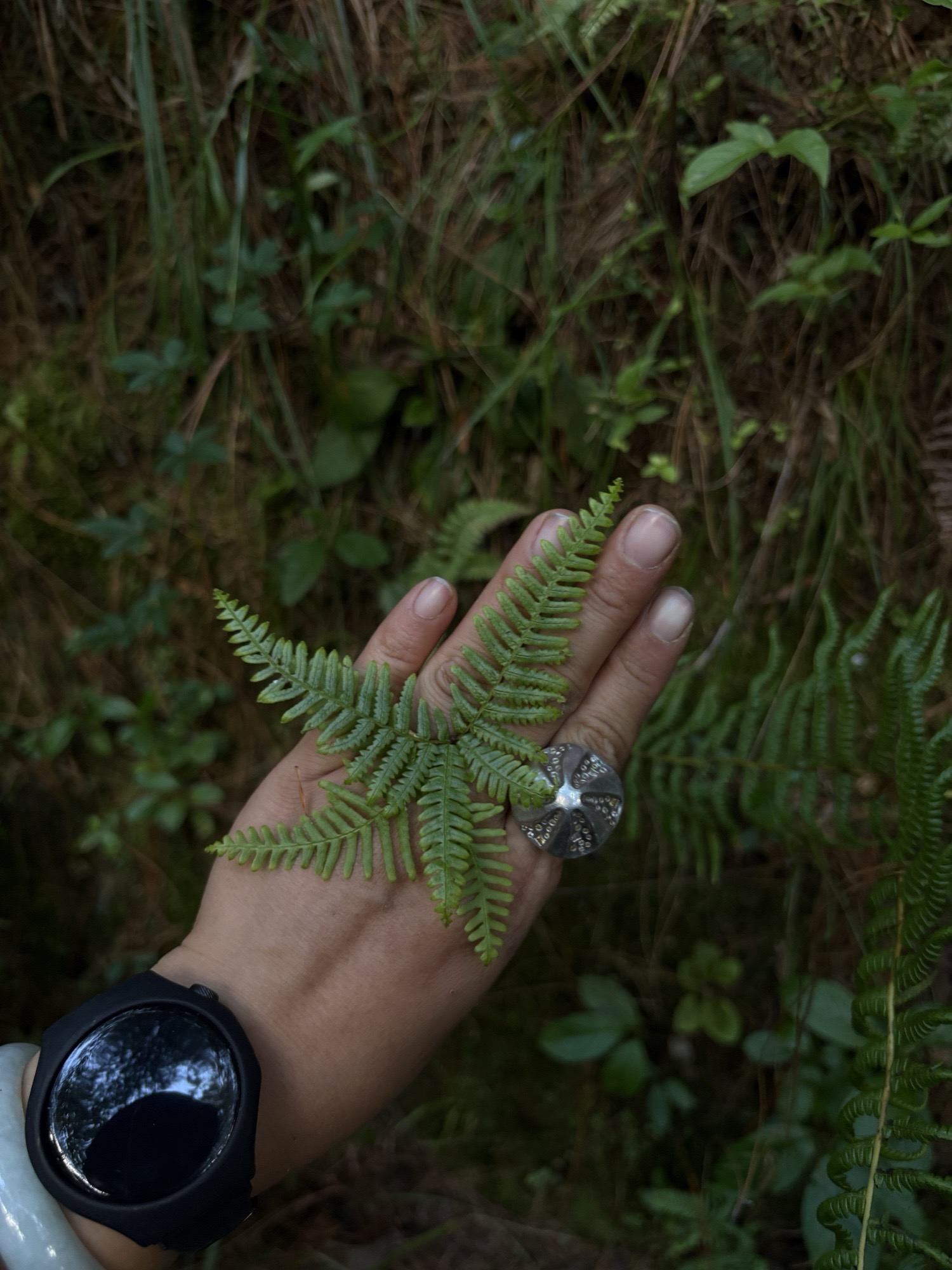 Ferns Forest Hike
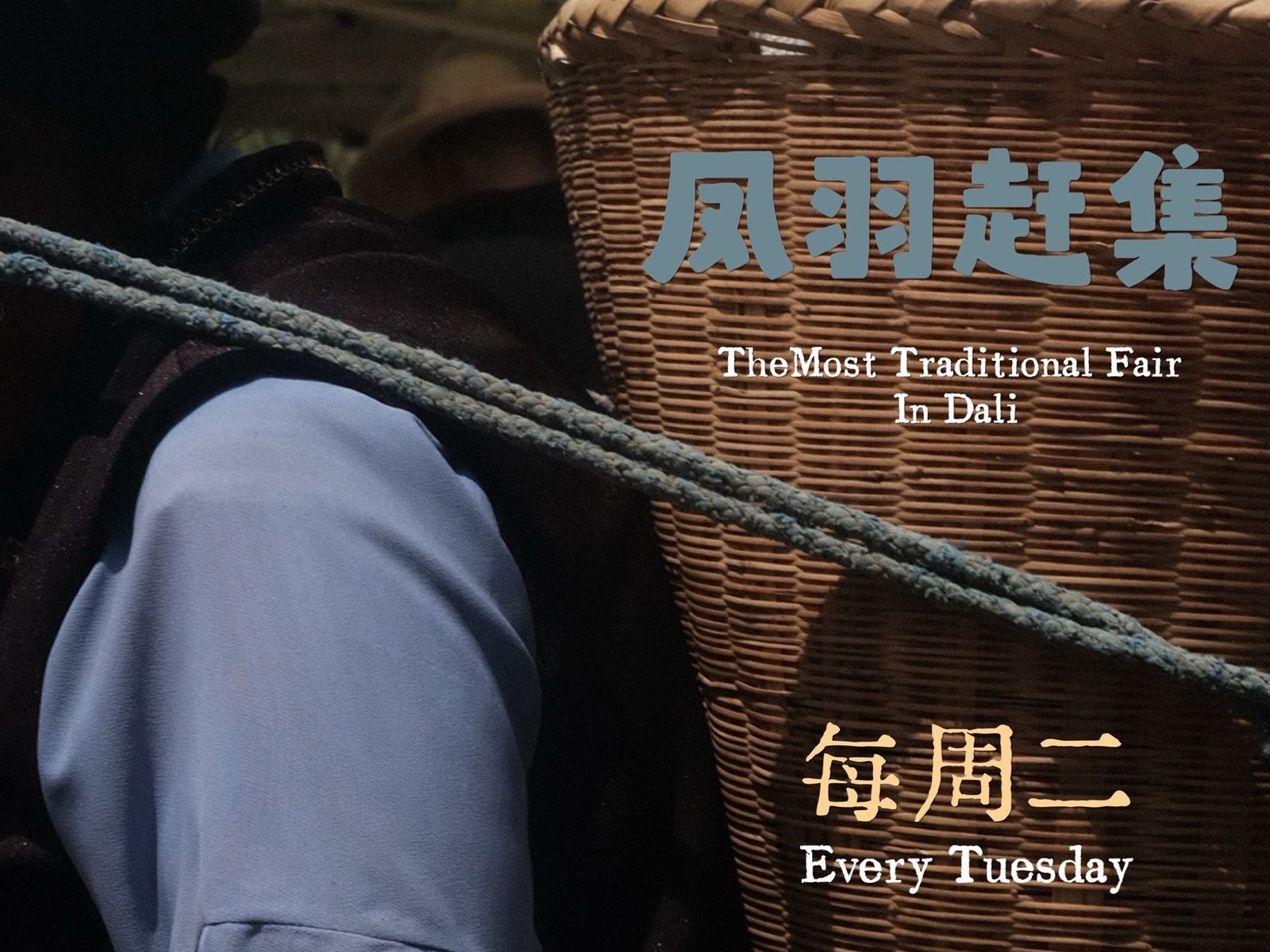
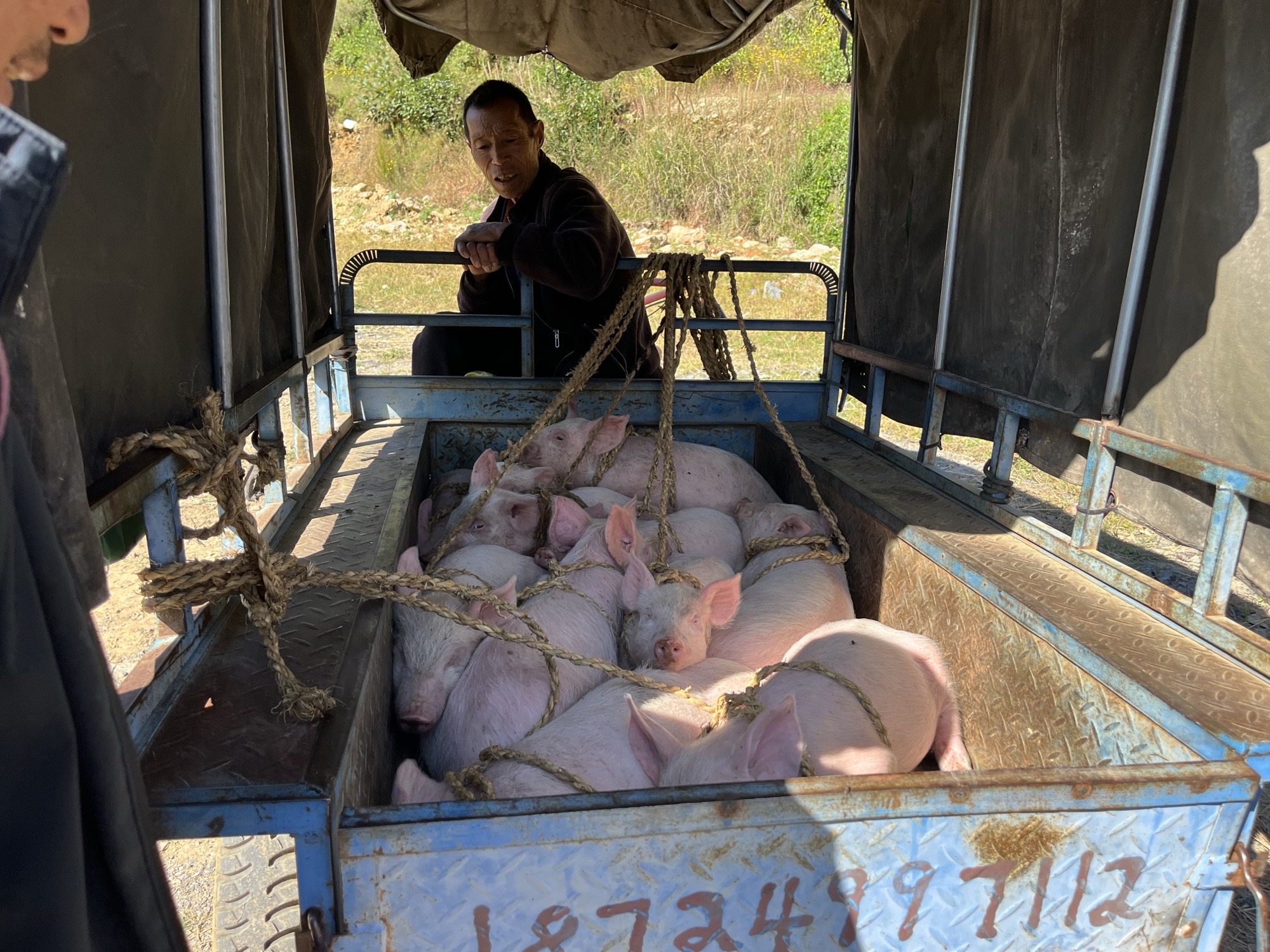 Fengyu Traditional Market Day Trip | A Tea Horse Ancient Town in the Valley (Every Tuesday)
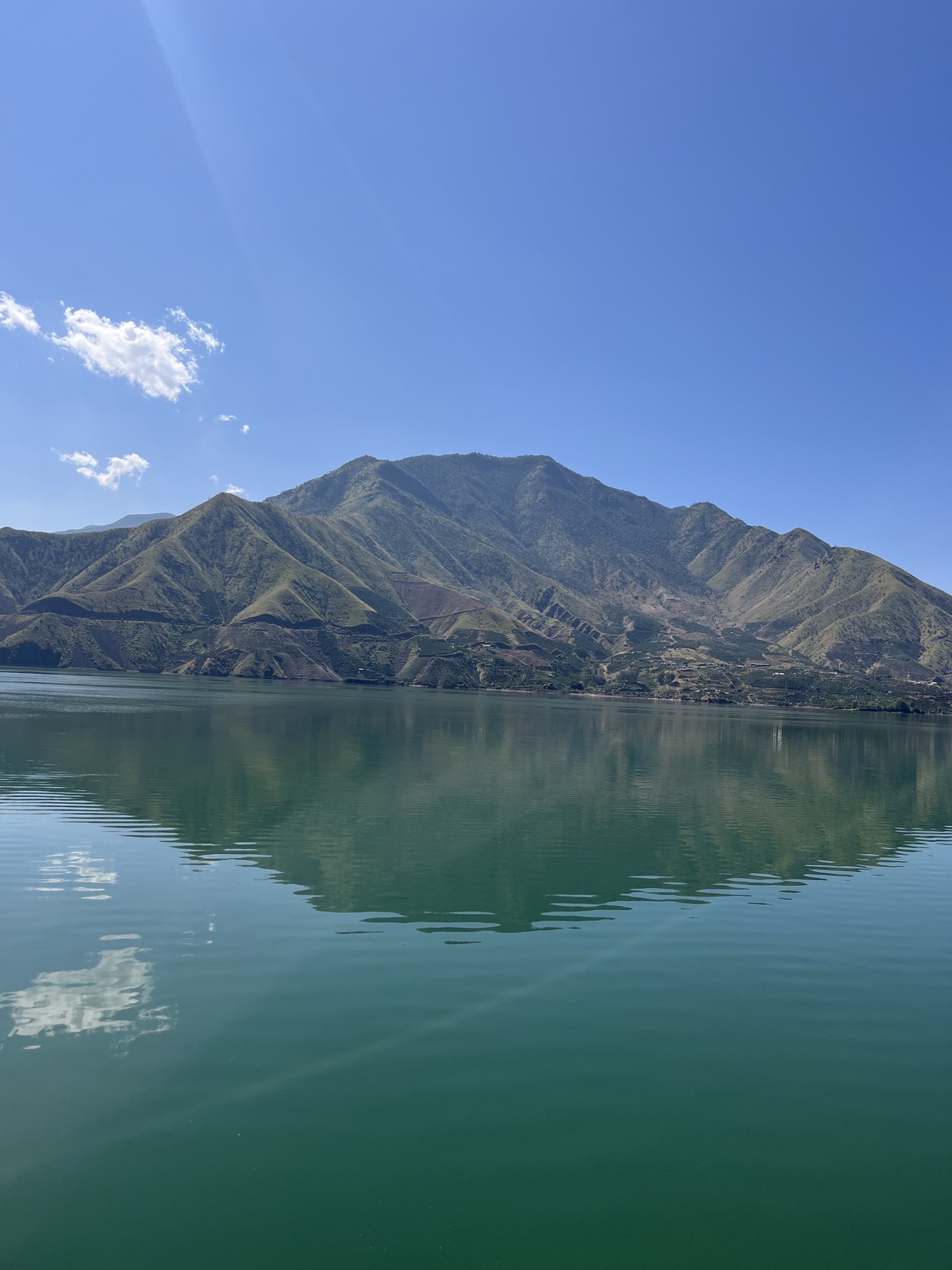 Paddleboarding on the Azure Jinsha River | Cross to the Opposite Bank to Pick Ponkan Oranges
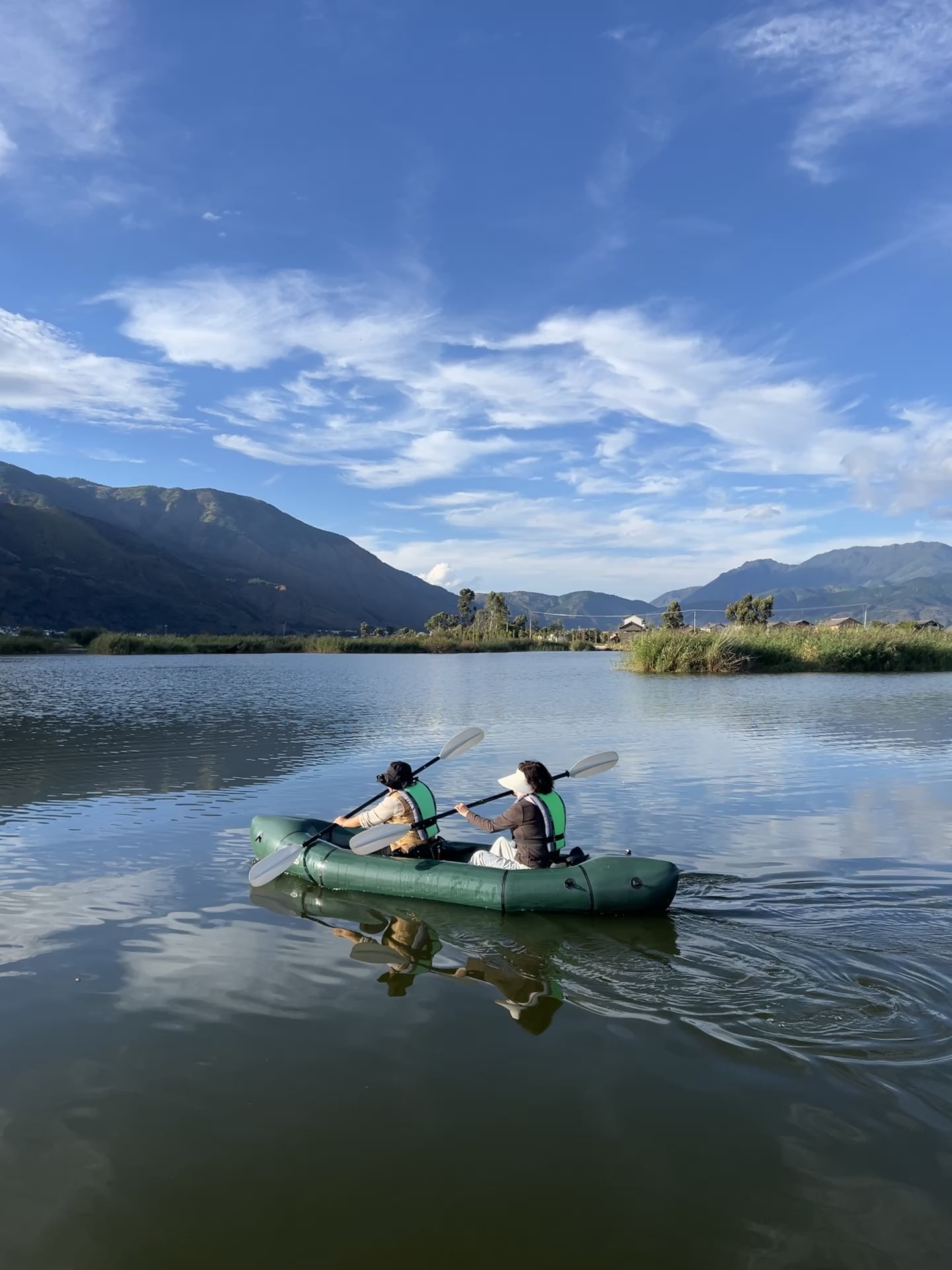 ▶Paddleboarding | Head to the Beautiful Lake at the Foot of the Mountain
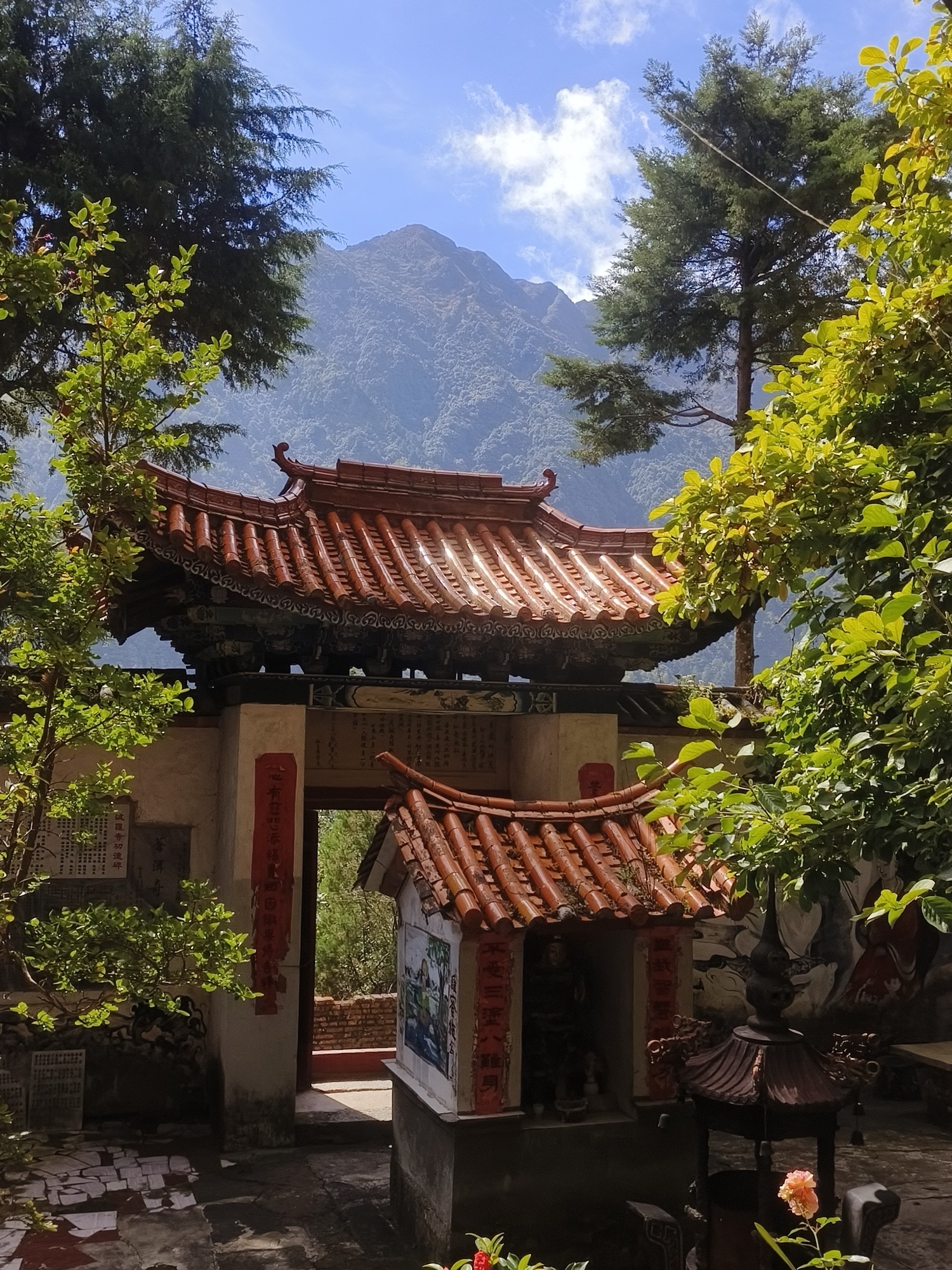 Hike to Boluo Temple for a Vegetarian Meal and Visit Mocan Creek (Mid-distance)
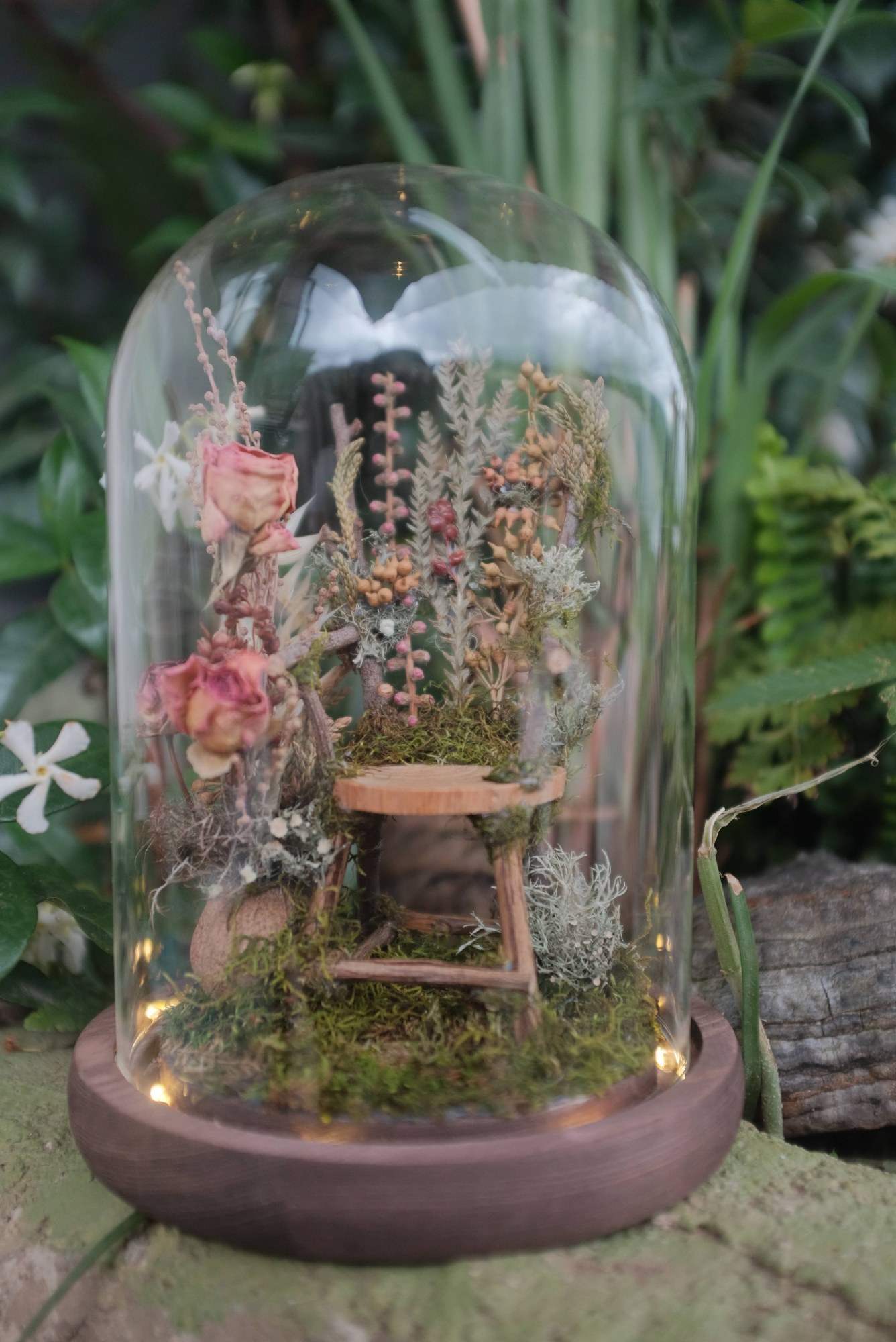 Make a "Mushroom Lamp" | Using mushrooms you collected yourself in the forest
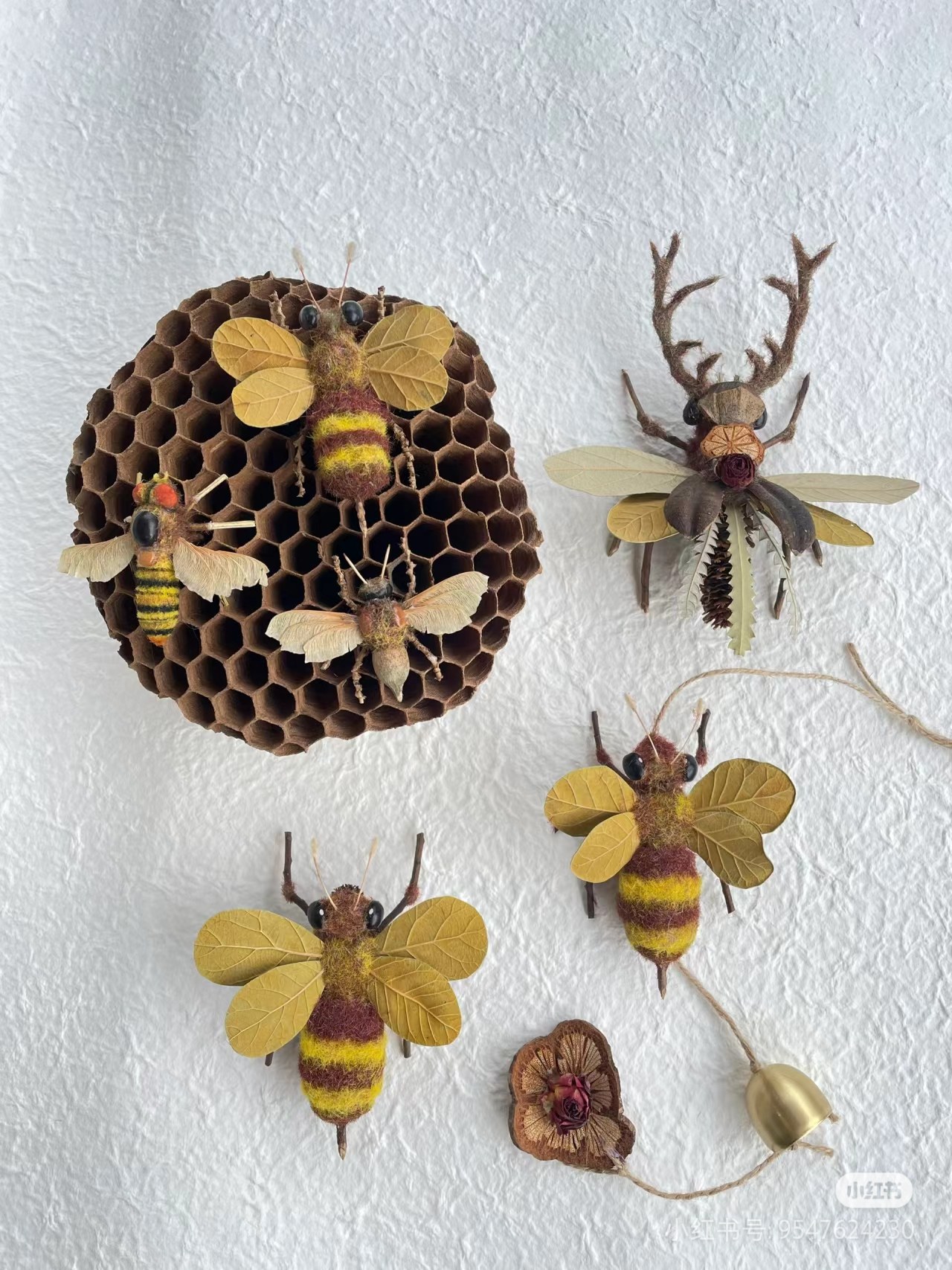 A Gua | Making Plant and Insect Specimens
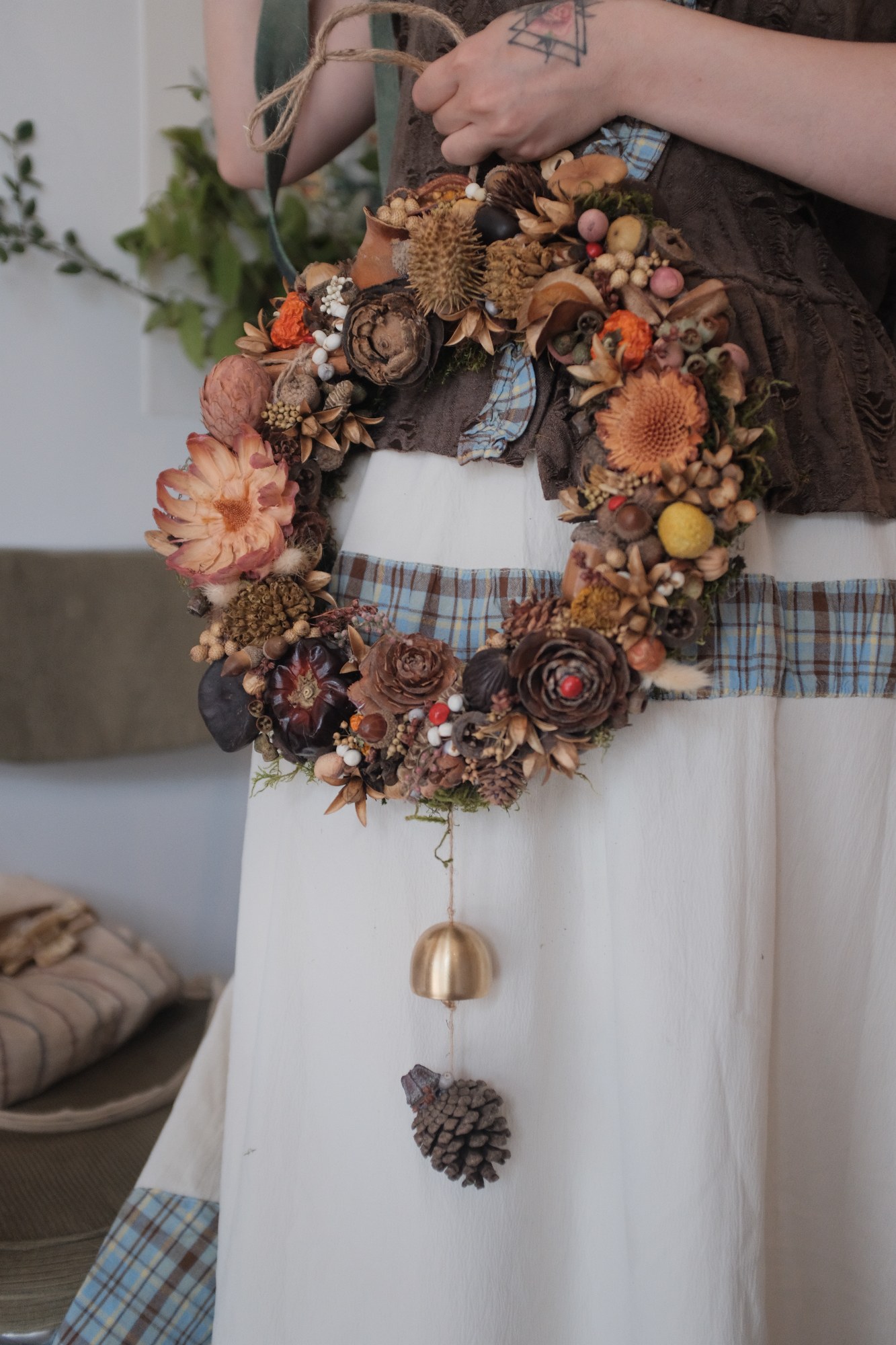
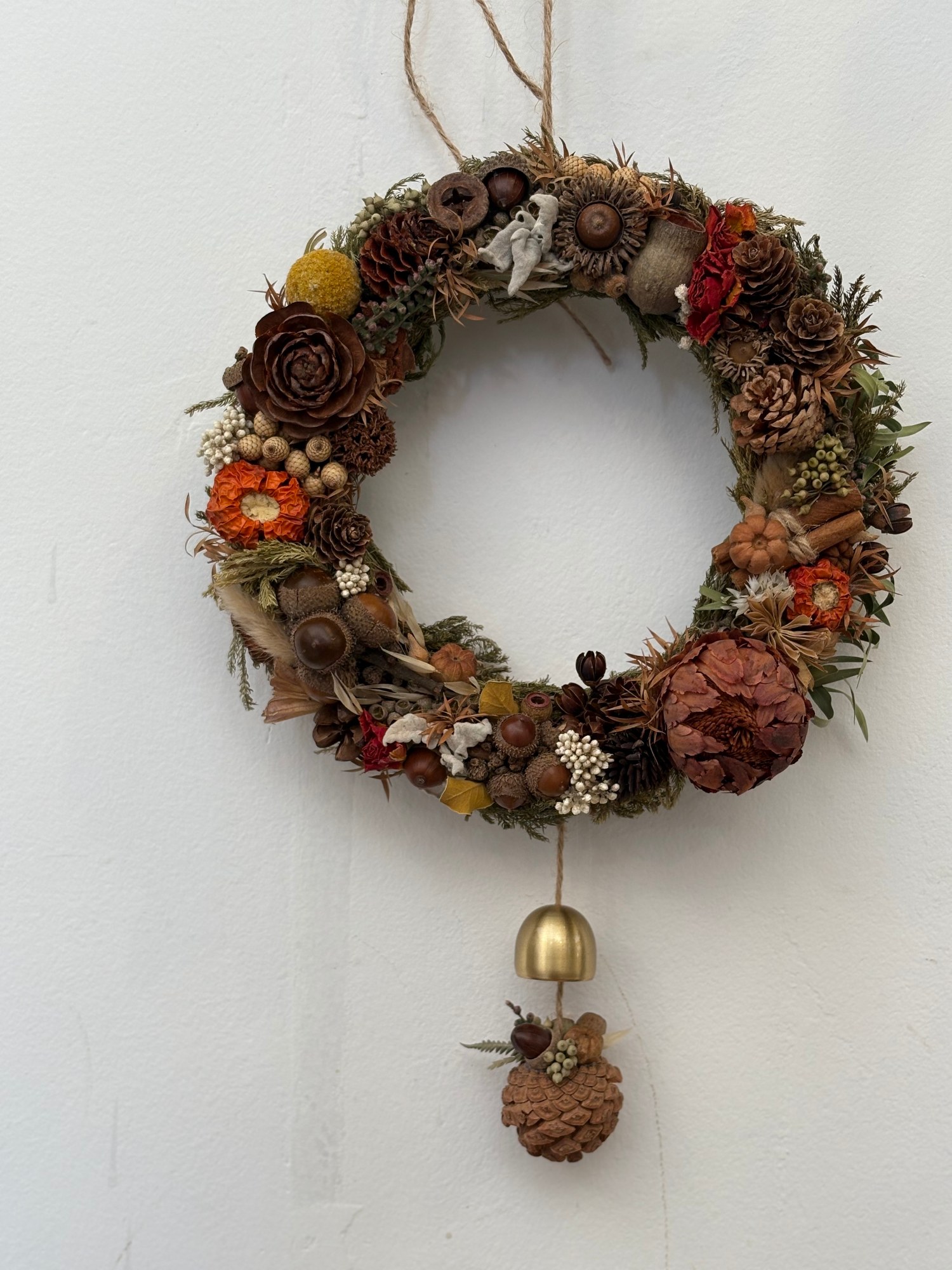 Botanical Fruit and Flower Wreath Making
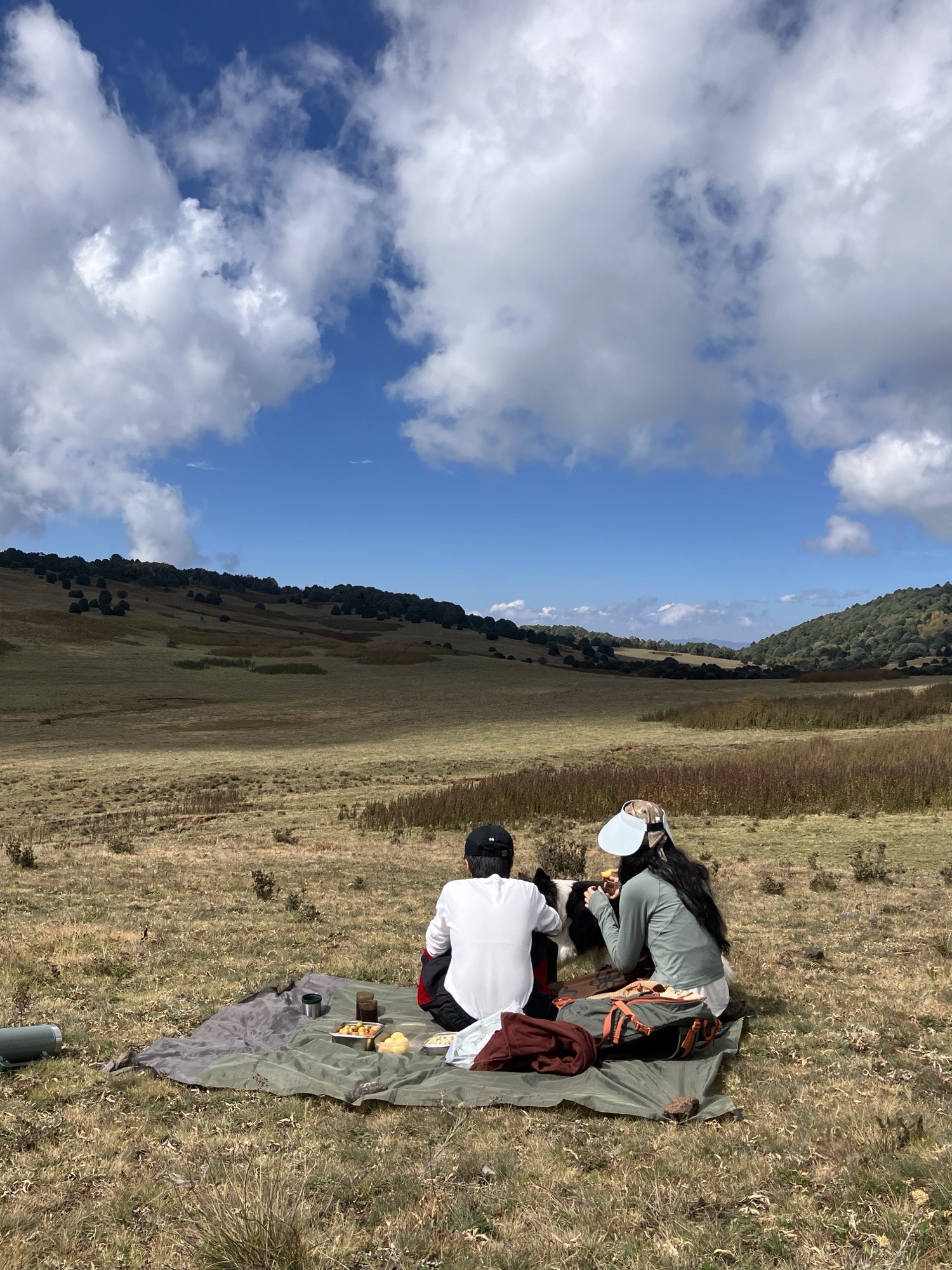 Muxiangping | Alpine Meadow Hike
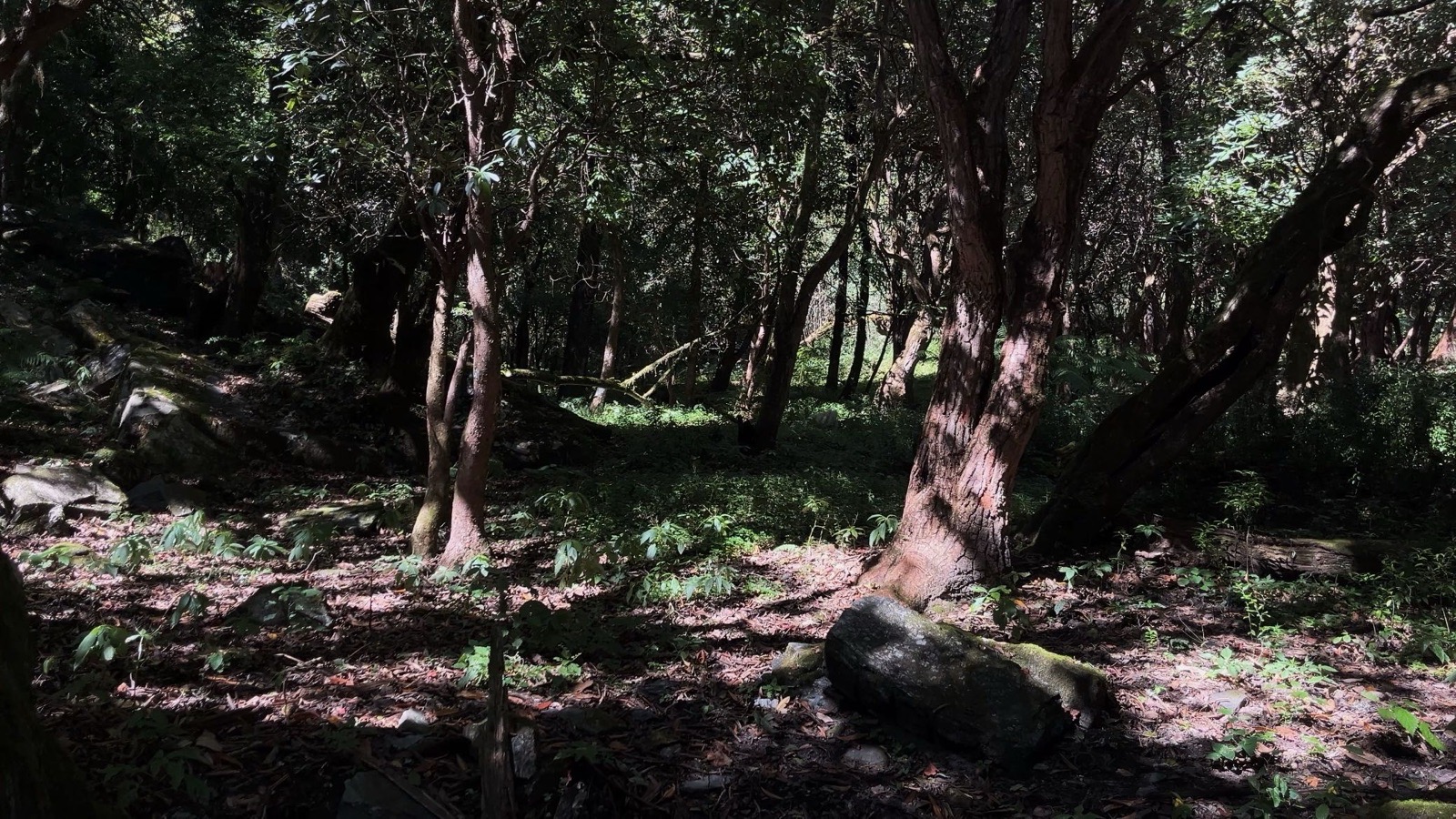 A Day with a Mountain Family on the West Slope
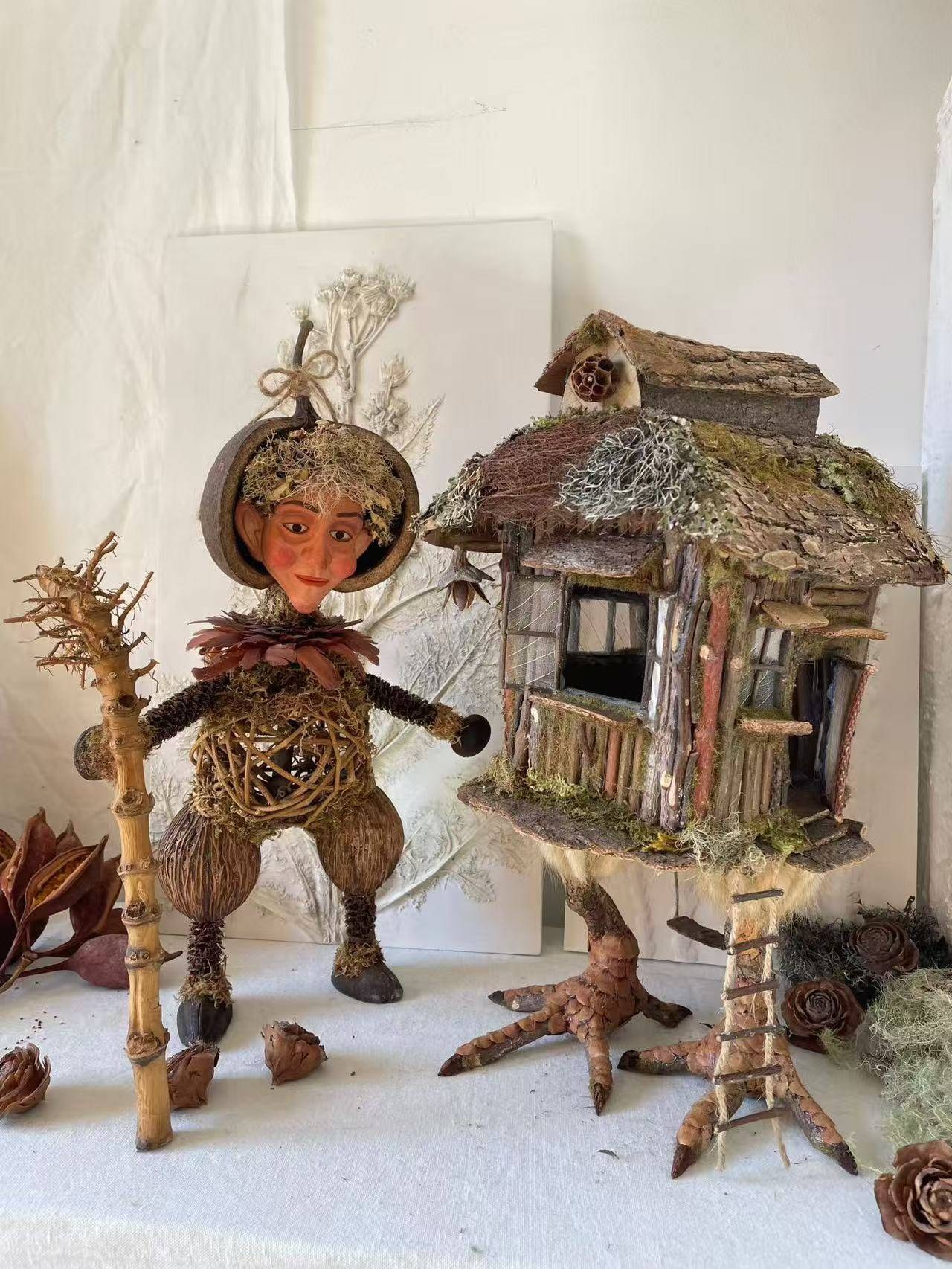 Botanical Handcraft | Build Your Own Treehouse
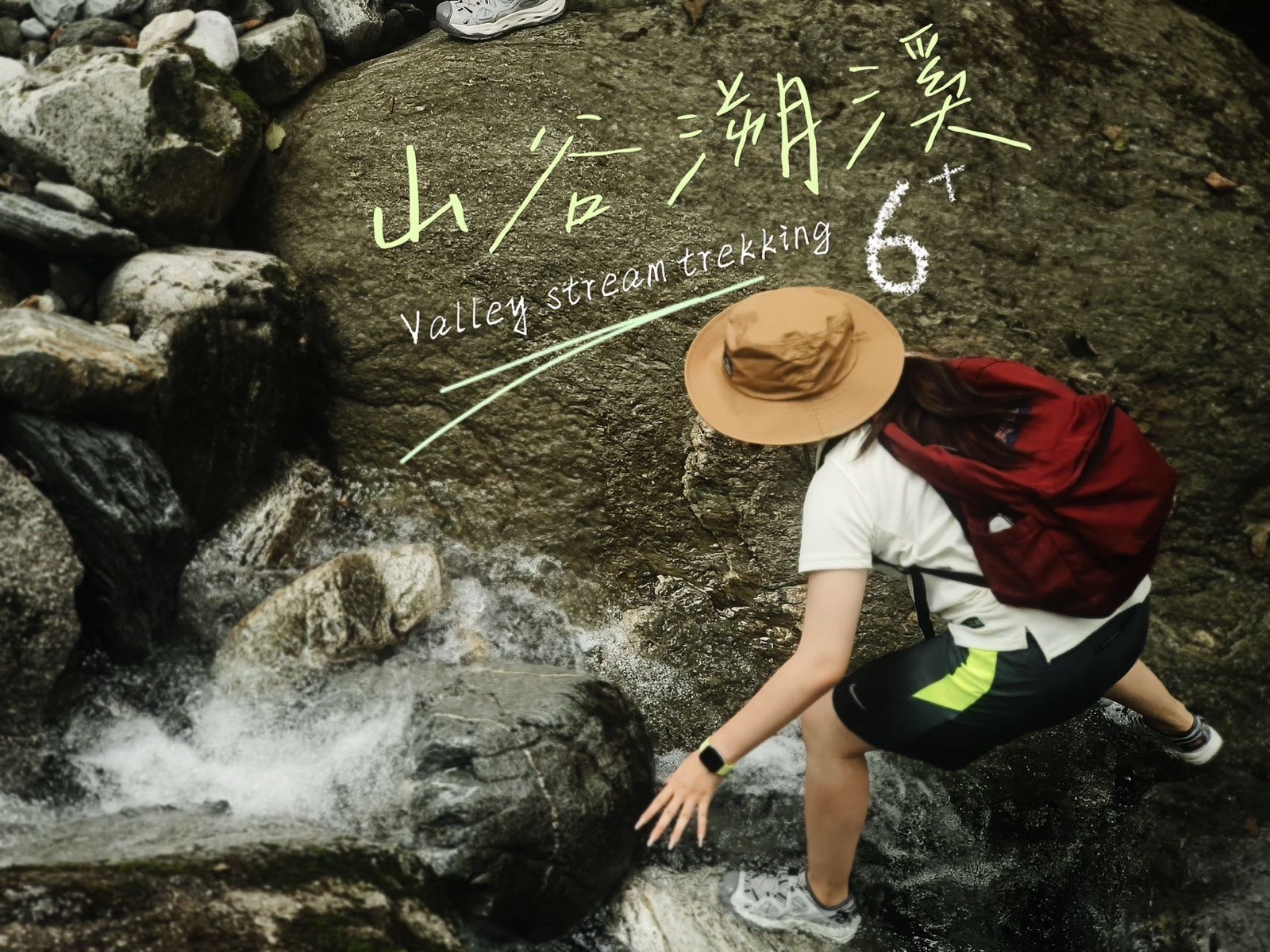
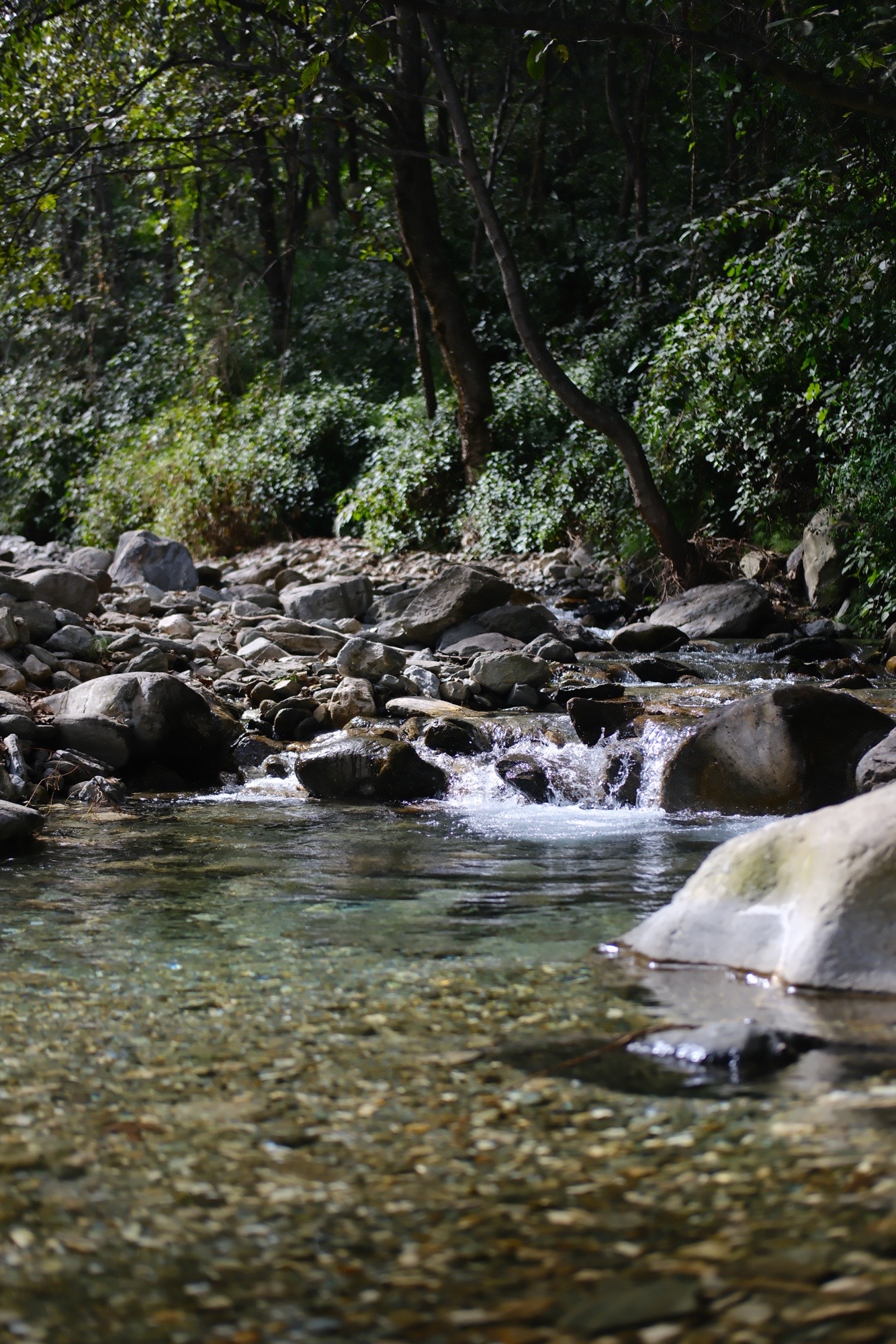 Stream and Forest | Gentle Hike at the Forest Edge
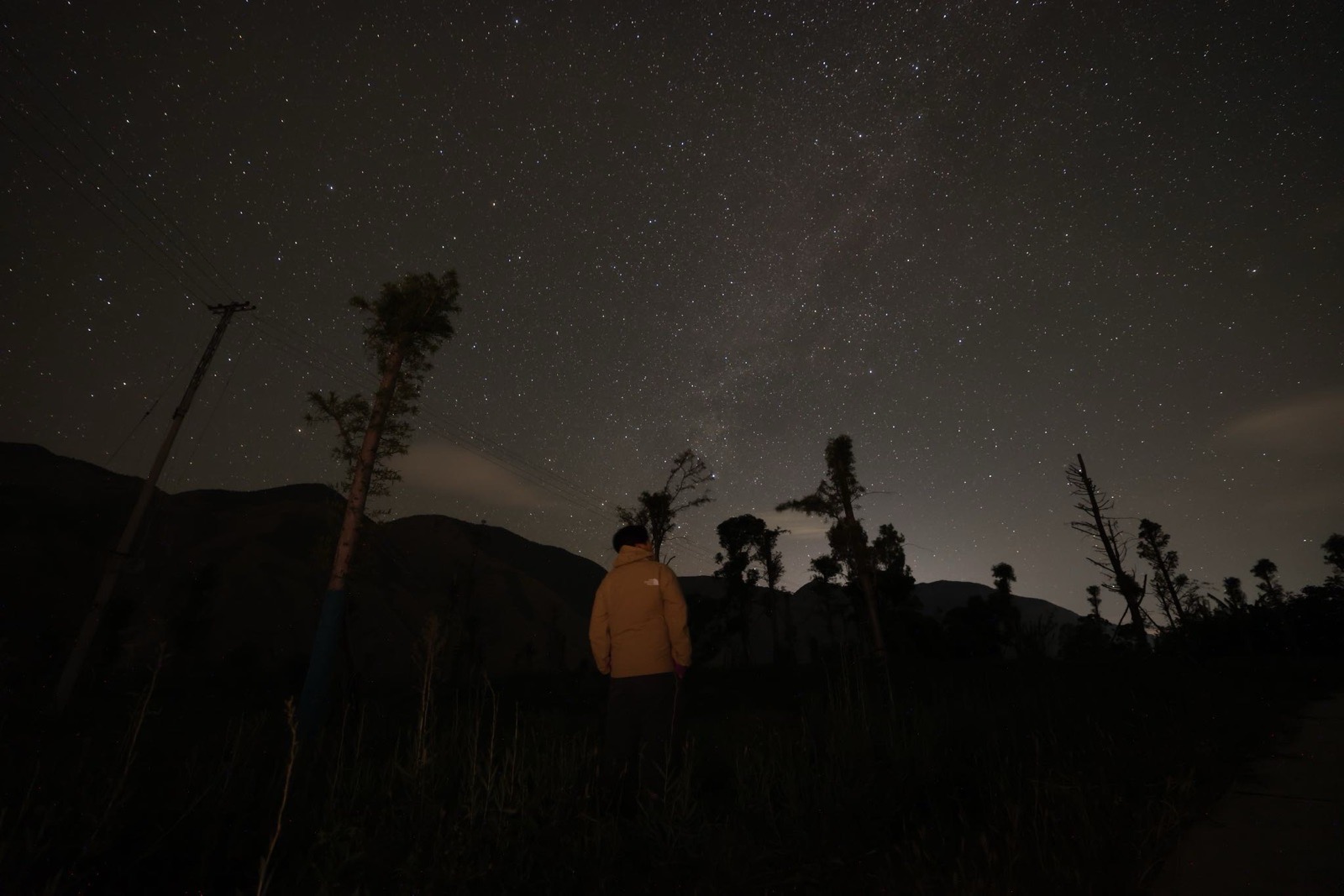 Stargazing with Atu | A Boat Ride on the Lake Under the Night Sky
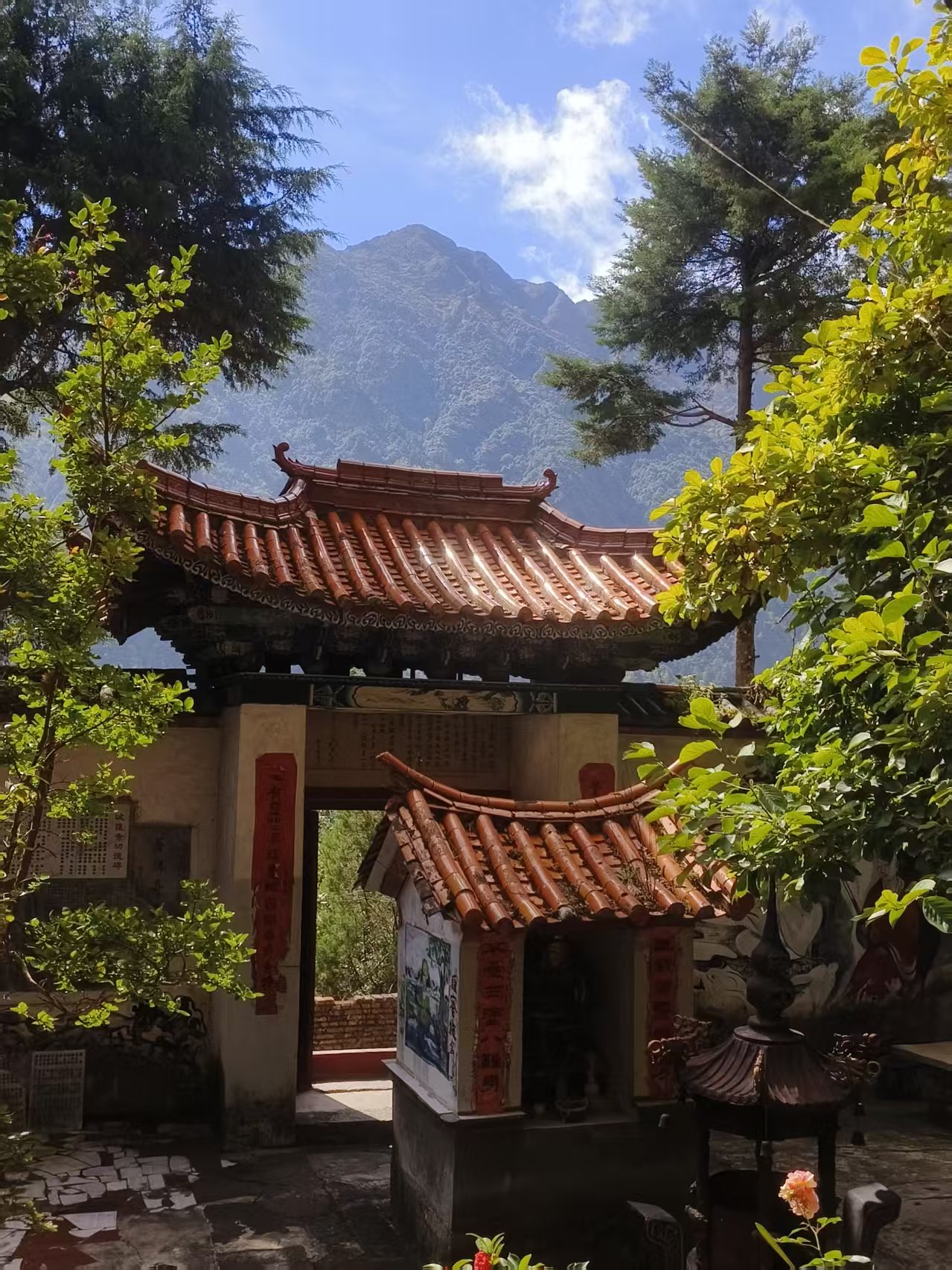
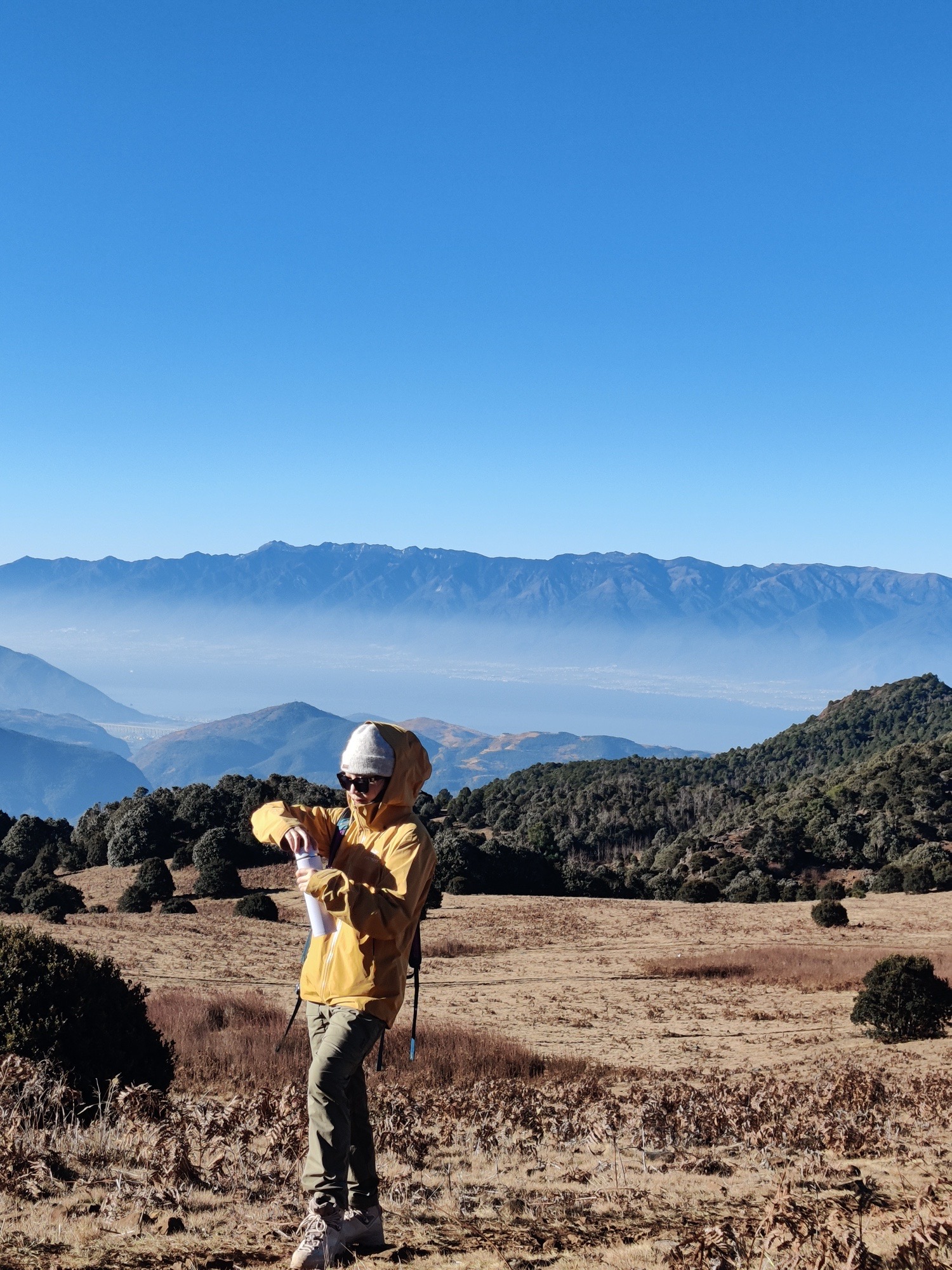 Hiking to Mount Jizu | A Buddhist Pilgrimage Trail (Medium Distance)
Dali Local Guide
Practical Dali travel notes from our everyday life.
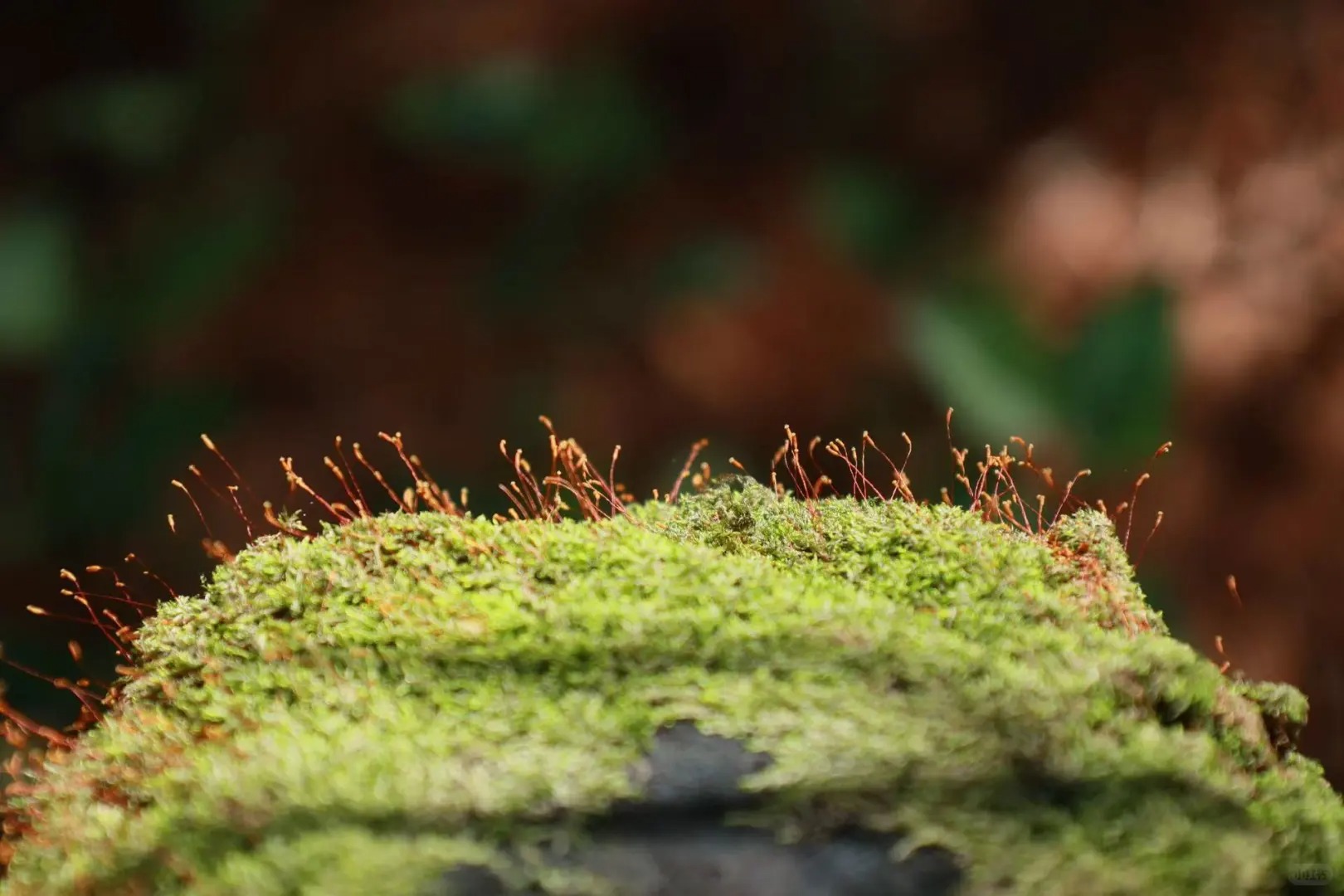 Main Guide
From climate and clothing, transport and accommodation, food and coffee to free exploration, culture and history, and entry preparation, here are the most important things to know before coming to Dali, organized into a travel directory you can keep opening.
 Practical guide
For a first visit to China, uncertainty over procedures is what most easily drains your anticipation. Spend half an hour before departure going over a checklist for things like payments, mobile phone cards, and train tickets, and once you land you can save your energy for the scenery instead of standing at the counter.
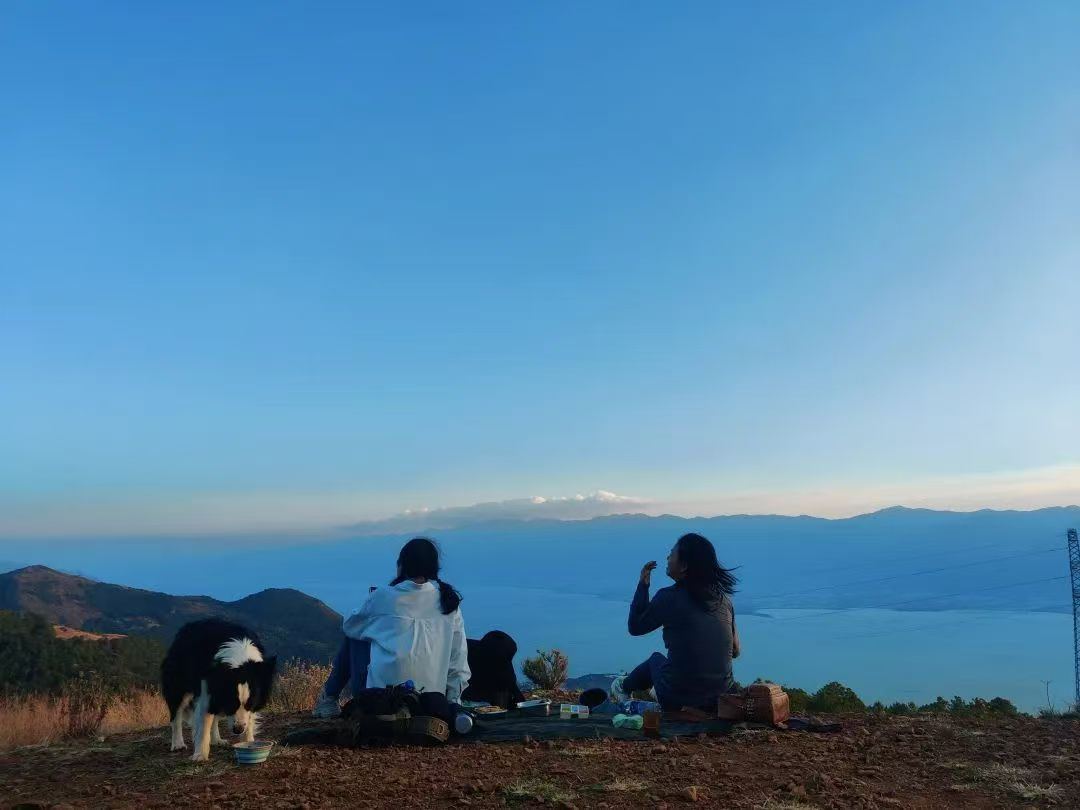 Climate, clothing & altitude
Dali's weather has a temper: the daytime sun burns, and the nights get seriously cold. First decide which month to travel, then prepare clothes according to this list—remember Dali is suited to layering, and an extra jacket for morning and evening is always worth it.
 Getting around
There is no single right way to get to Dali. First decide whether you'll land at the airport or arrive at the high-speed rail station, then choose between shared rides, chartered cars, or renting a car. Once in the old town, an electric scooter lets you move around as freely as a local. Remember to book vehicles in advance during peak season.
 Accommodation
 is important; it's your temporary home during your trip.
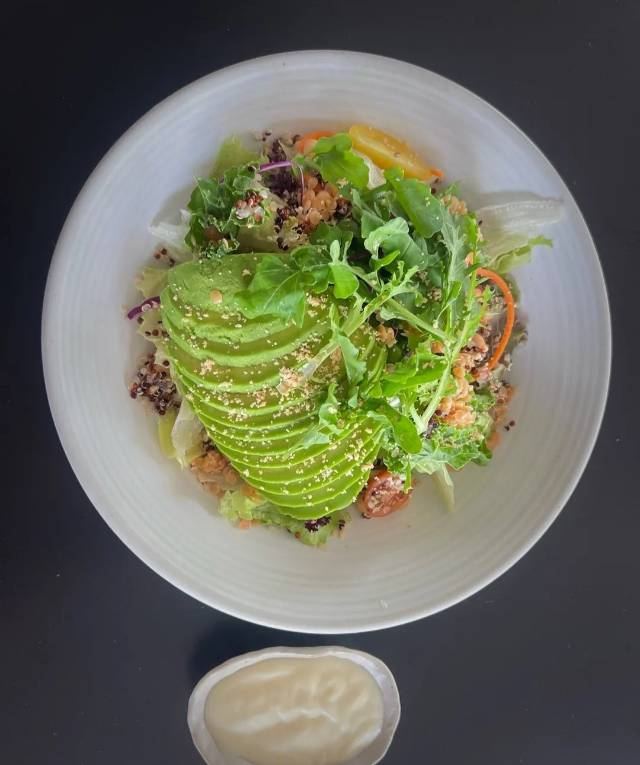 Food
What's worth eating in Dali isn't necessarily the shop with the longest line. Follow the locals: neighborhood eateries, the low tables and small stools of Guanyintang, shared meals and brunch where you can eat well even alone. When trying fresh mushrooms in mushroom season, stay a little cautious—caution is part of the experience too.
 Cafés & bars
The density of cafes in Dali rivals that of Shanghai. You don't need to cram every single one into your check-in list; just pick one along your route by area: in the old town, look for community cafes; in the university area, find a relaxed courtyard; by the sea, find a window with a view of Erhai Lake. The best memories are often not the name of the cafe, but the person sitting across from you that day.
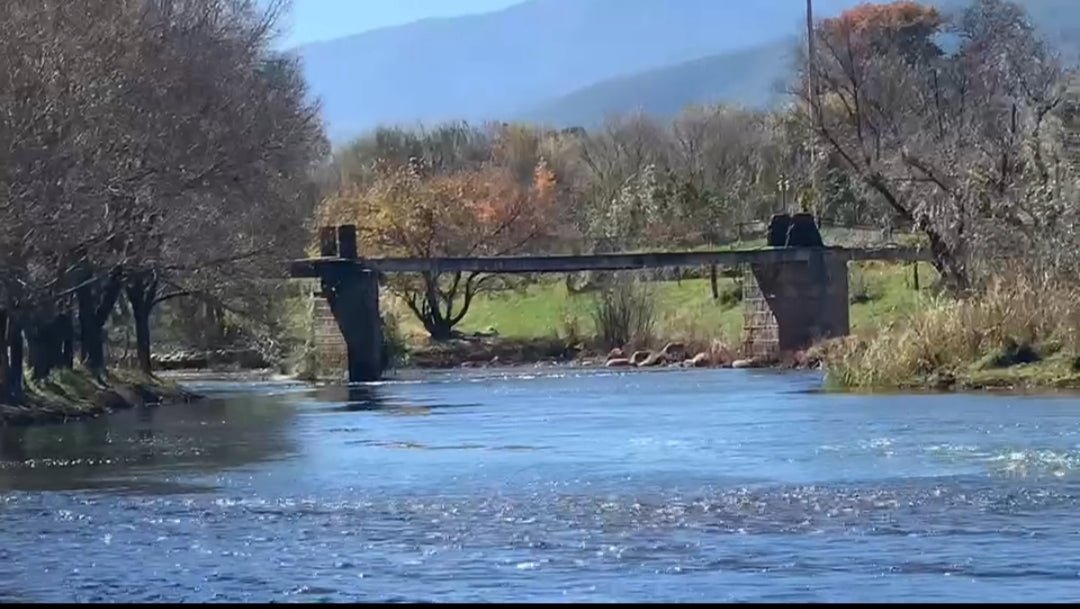 Explore independently
You don't need a tour group to experience Dali deeply. Download offline maps, and choose from multiple hiking routes in the Cangshan Mountains. If you have plenty of time, places like Shaxi, Nuodeng, and Xizhou are worth slowing down for.
 Markets & festivals
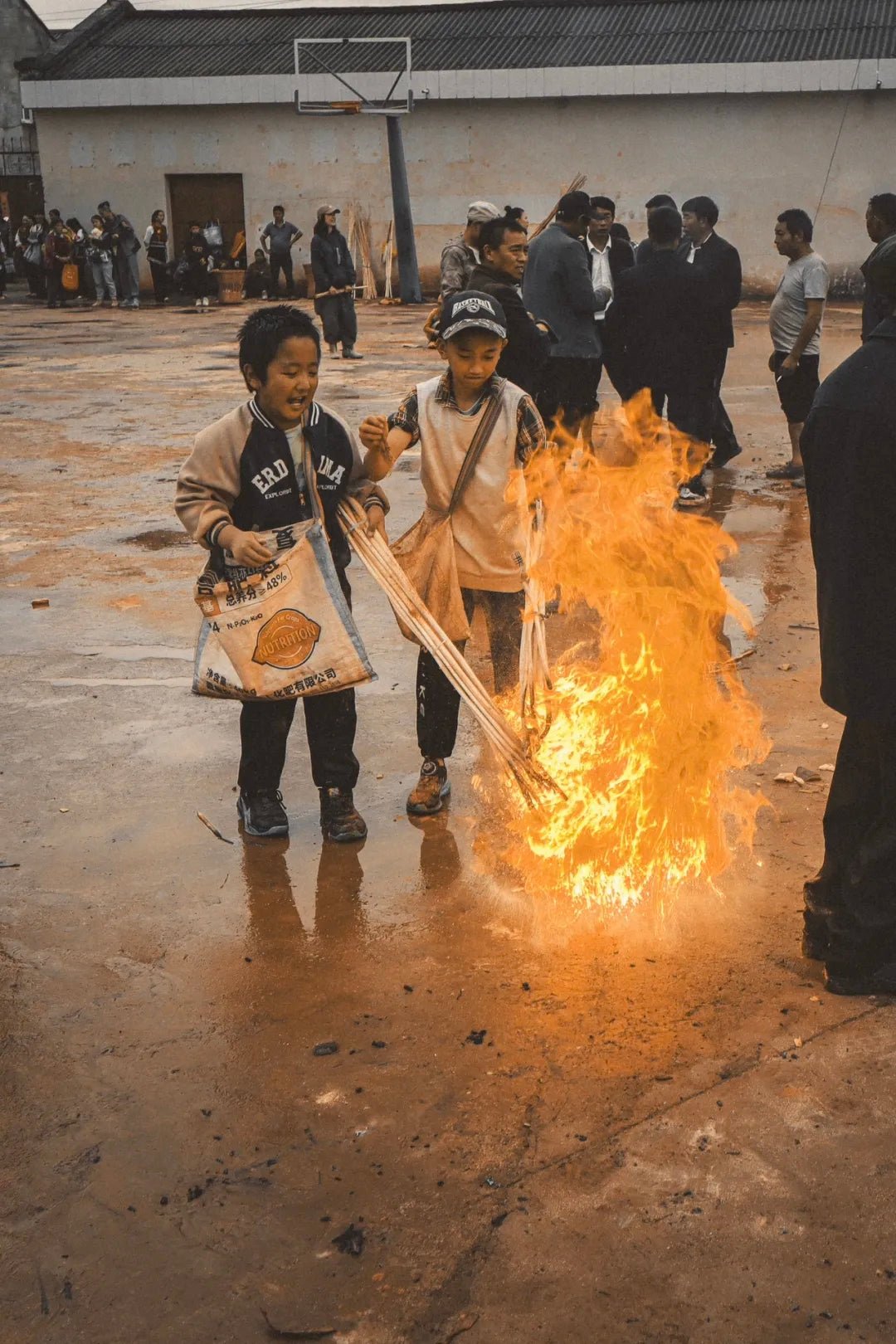
Going to the market is the most vivid way to experience Dali. Note down each town's market day and take turns visiting Sanyue Street, Yinqiao, and Xizhou—among the crowds and calls of vendors, you see the city's true daily life.
 Craft experiences
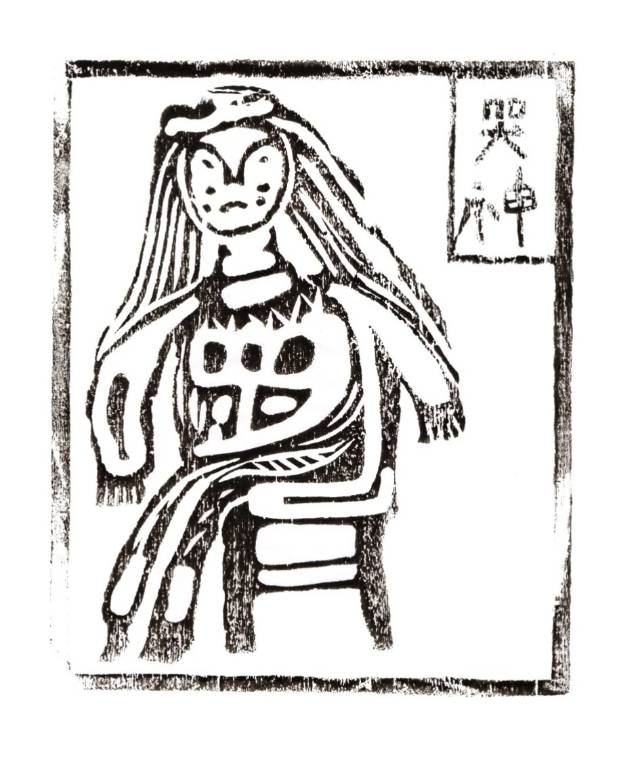
Dali has gathered a group of dedicated artisans: indigo dyeing, roof cat pottery, woodworking, and Jiama printmaking. You don't need many—just pick one or two studios that interest you and make something to take home. That's a travel souvenir more enduring than typical keepsakes.
History & Culture | Yunnan · Dali
Go deeper: Dali and Yunnan, history and culture.
 Yunnan history
One leads through the mountains west of Xiaguan to Myanmar, the other flies over the mountains from Yunnanyi in Xiangyun. How did the Burma Road and the Hump Route maintain China's connection with the world during the most difficult phase of the War of Resistance? Why did Dali become an important node on both lifelines simultaneously?
 Ancient Tea Horse Road
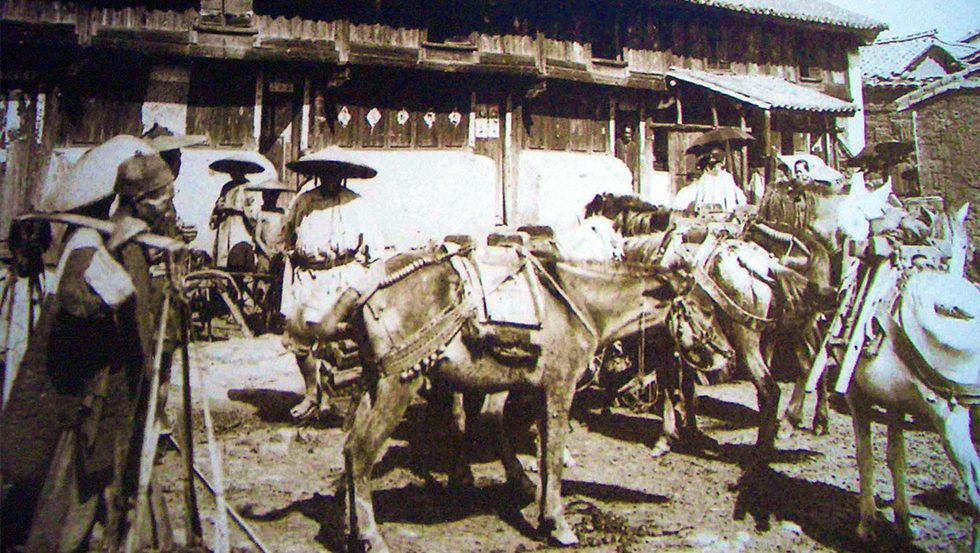
If you had to describe the Tea Horse Ancient Road (Chama Gudao) in just one word, many people would blurt out "road." But those who have truly walked this route will tell you: it was never a single road. It is a network—a web spread across the folds of the Hengduan Mountains (Hengduan Shannmai), linking the basins of Yunnan, the Sichuan Basin (Sichuan Pendi), the highlands of the Tibetan region, and the river valleys of Myanmar. For centuries, horse caravans (mabang) carried tea, salt, medicinal herbs, cloth, and silver back and forth across this web, with the sound of bells ringing all the way from Dali to Lhasa, and from Xiaguan all the way to Bhamo in Myanmar. The Tea Horse Ancient Road is different from the Silk Road. The Silk Road had clear starting and ending points, with caravans flowing like water along fixed
 Yunnan coffee
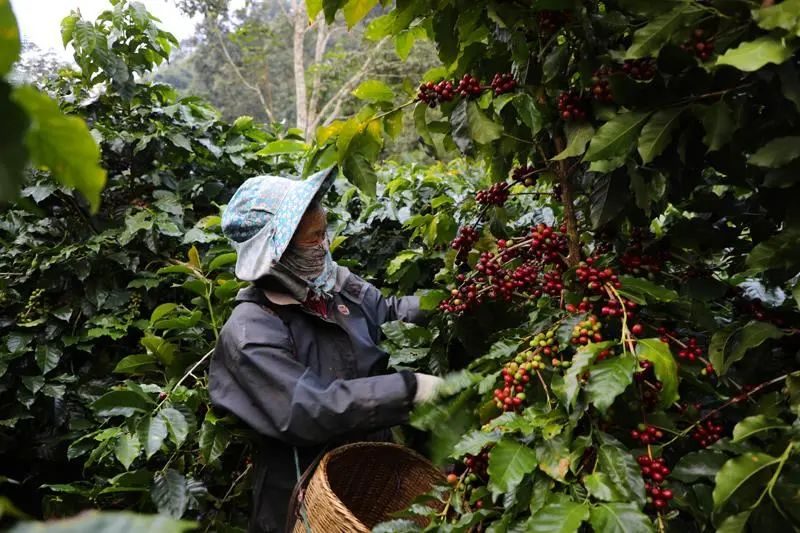
If you walk into the ancient town of Dali today, sit down at any café, and order a latte made with Yunnan beans, chances are you won't find it anything special. Coffee is far too common here—on Renmin Road there's one every few steps, the aroma of roasting drifts from the courtyards on Yeyu Road, and the terraces of the Chuangdancang Art District are full of people with their laptops. You might not realize that this ordinary cup of coffee is actually the end of a history spanning more than a century: its source lies in the mountains not far from the ancient town of Dali; its story begins with a French missionary and a small village almost completely cut off from the world. The story of Yunnan coffee is almost
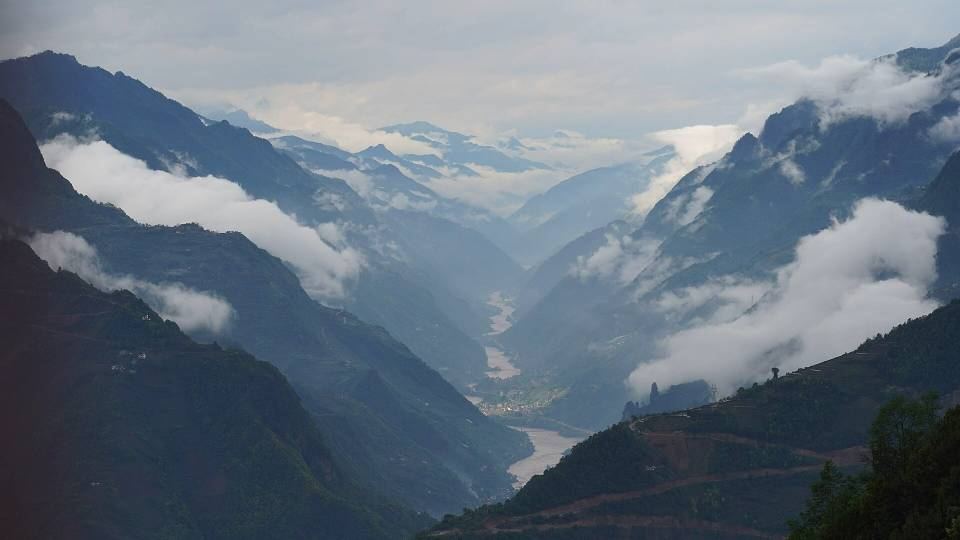 Three Parallel Rivers
Starting from Dali and heading north, crossing over the Cangshan Mountains, you will enter a massive fold split open by three great rivers. The Nujiang (Salween), Lancang (Mekong), and Jinsha (Yangtze) rivers—three great rivers originating from the Qinghai-Tibet Plateau—cut through the land of northwestern Yunnan from north to south like three parallel knives. They run so close together—at their nearest point, the straight-line distance is less than seventy kilometers; and they flow side by side for over one hundred seventy kilometers before each turns and heads toward a different destination. This is the "Three Parallel Rivers," inscribed as a UNESCO World Natural Heritage site in 2003, and it is also a key to understanding Yunnan. Many people think the beauty of Yunnan is simply the wind, flowers, snow, and moon by Erhai Lake
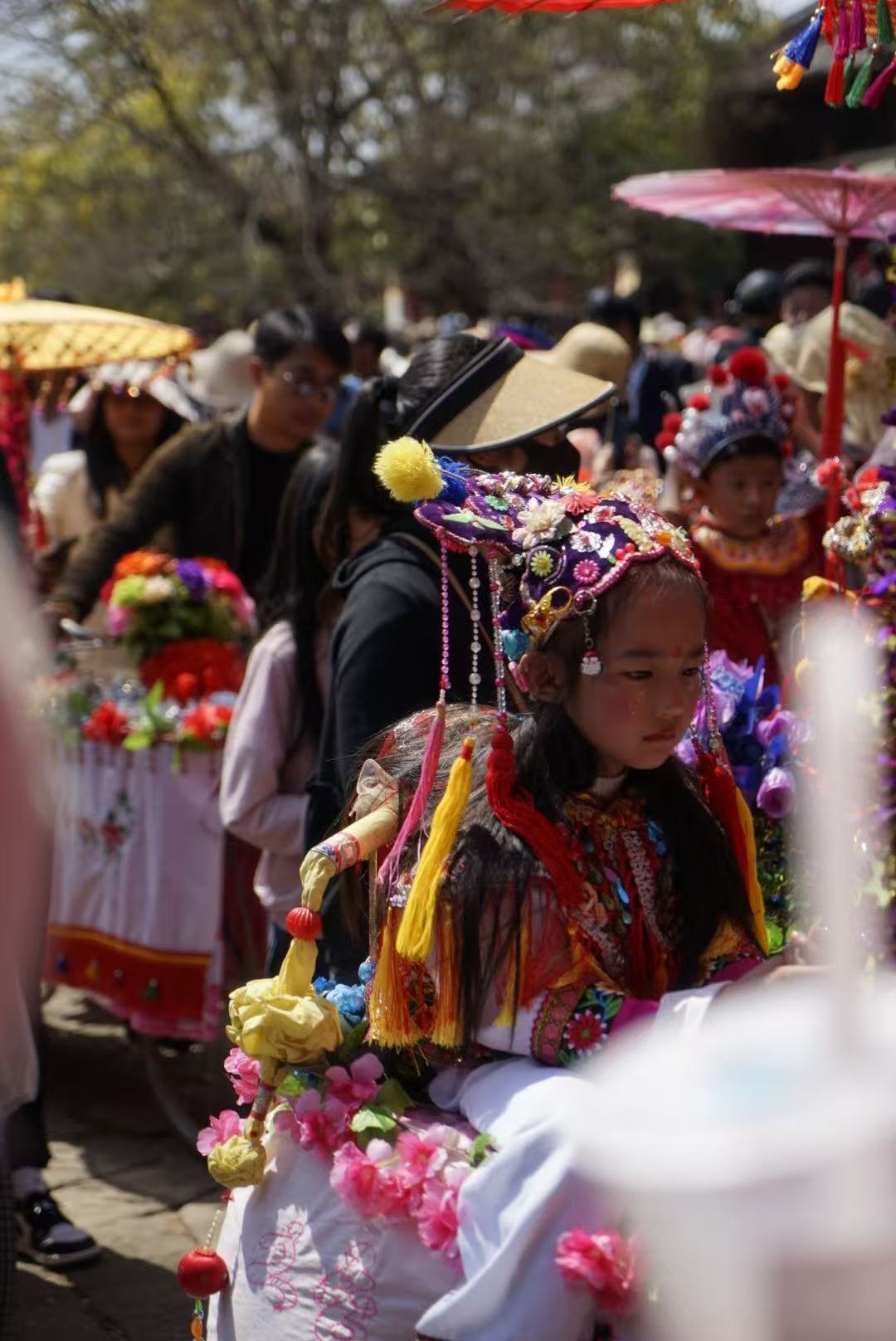 Dali history
Dali is not an ordinary ancient city. It was once the capital of Nanzhao and the Dali Kingdom, an independent kingdom that existed for more than five hundred years. Once you understand this history, every pagoda and every wall by the Cangshan Mountains and Erhai Lake will speak to you.
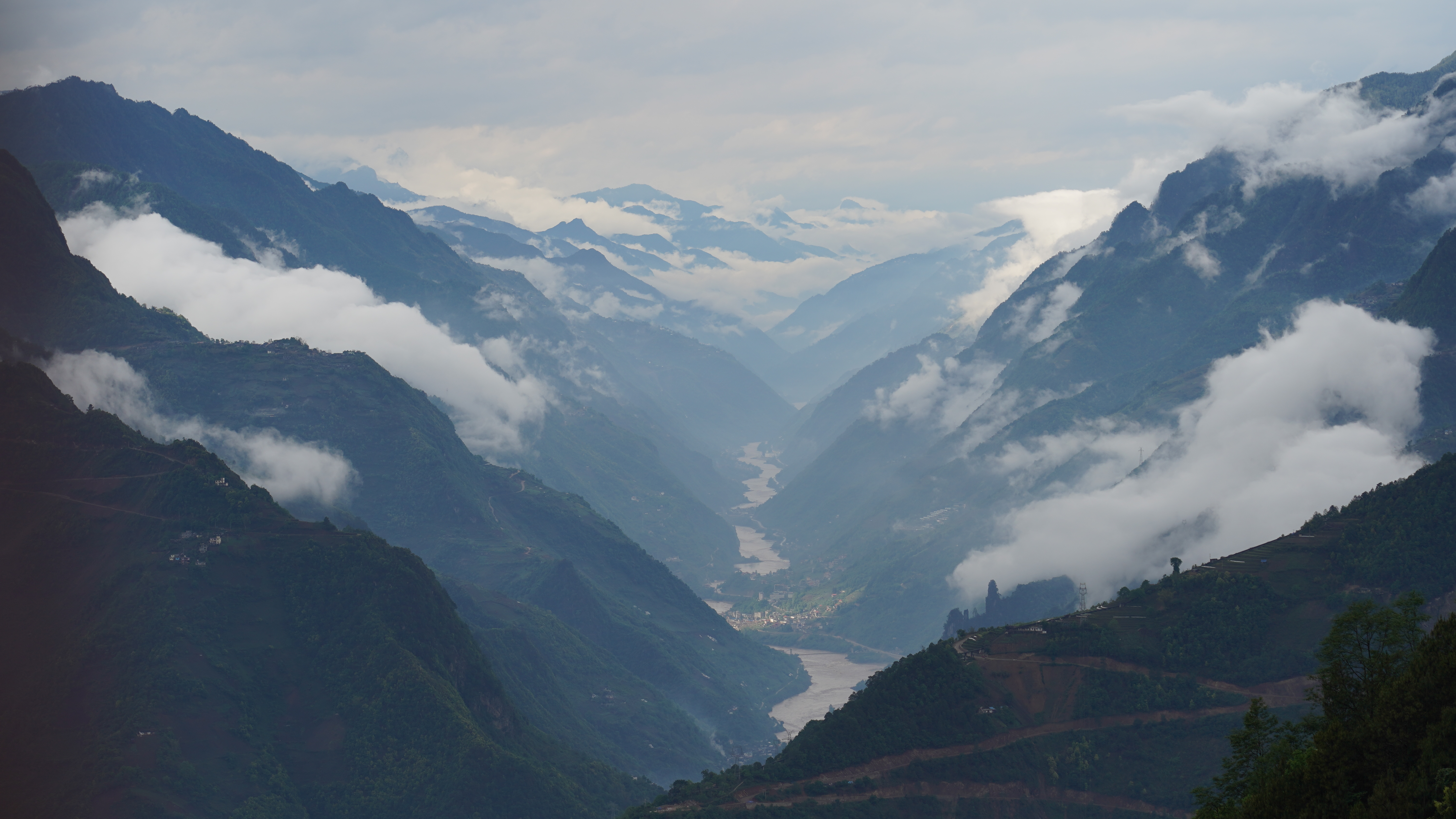 Faiths of Dali
From James O. Fraser's early encounters with the Lisu people in Tengchong, explore the scripts, songs, churches, and wine of Yunnan's borderlands.
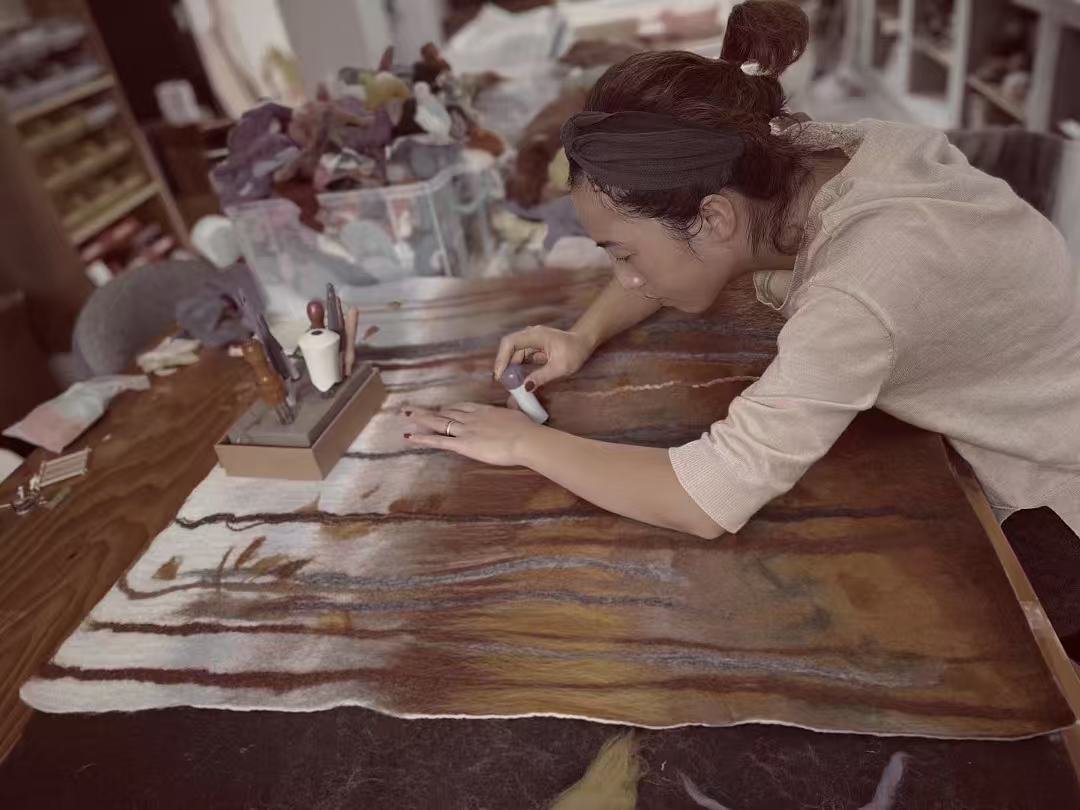 Dali crafts & architecture
Because it was once an independent kingdom, Dali's crafts form their own system: tie-dye, Wa Mao (roof-tile cat figurines), Jiama (woodblock-printed paper charms), Jianchuan woodcarving, marble painting… plus the Bai ethnic group's sanfang yizhaobi (three-sided courtyard with a screen wall). To systematically understand them, first take a walk through the Jiangzhiji Folk Art Center in Xizhou.
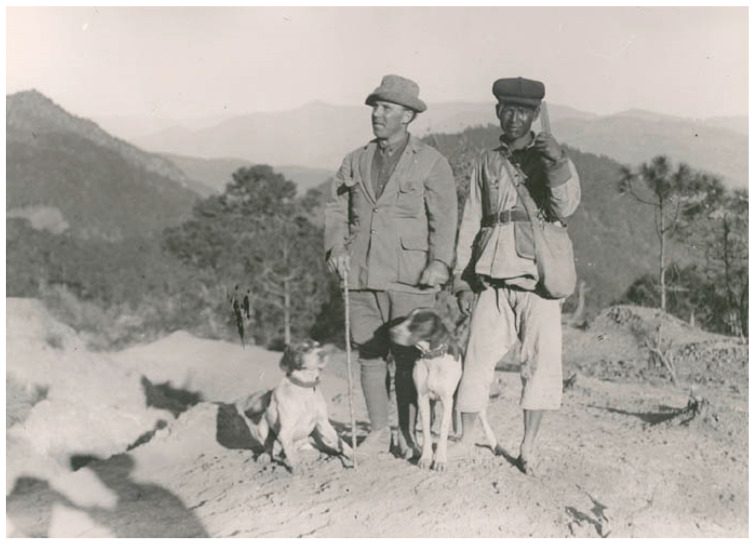 People who came to Dali
Over a century ago, plant hunters, explorers, and missionaries traveled along the Tea Horse Road into Yunnan and wrote Dali into Western natural history notes; during the War of Resistance, university faculty and students moved west to this place and kept up their teaching and scholarship amid the Cangshan Mountains and Erhai Lake. The story of Dali was written by 'those who came.'
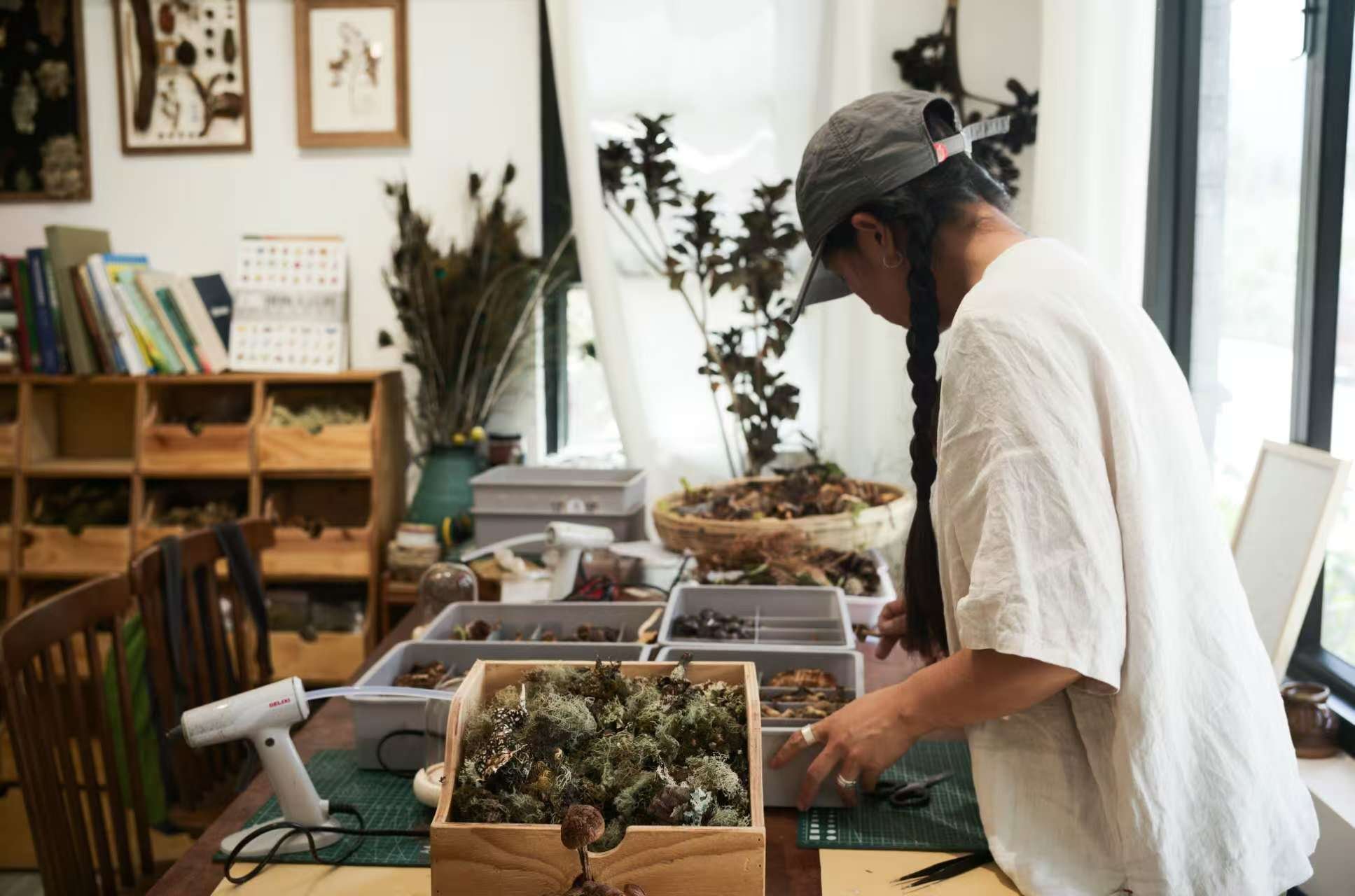 Newcomers & Dali
From Foreigner Street in the 1980s, to artists in the 1990s, to the counter-urbanization new migrants after the 2010s—Dali is like a magnet, attracting generations of outsiders who stop here one after another. Why does this city retain people, and what is it going through now?
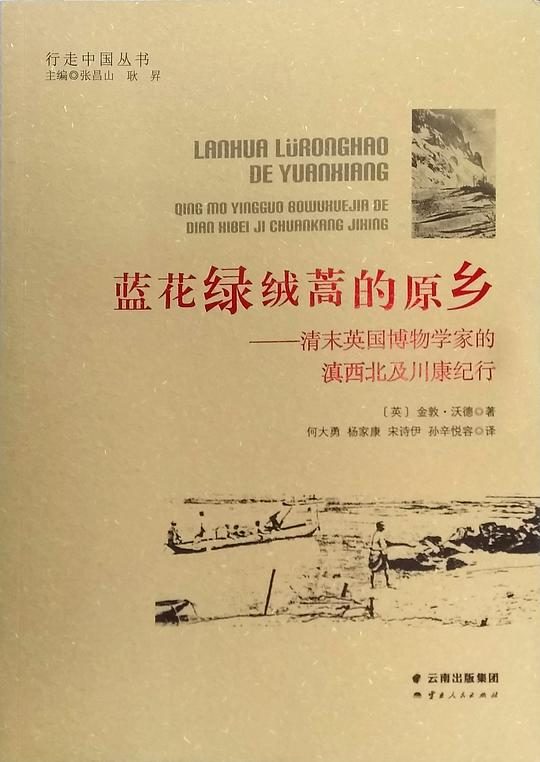 Dali in books & films
After staying in Dali for a long time, you'll want to understand it a little better. These books and films—some about Dali, some about Yunnan—range from anthropology and nature observation to travel literature, from *Shu Xue Shan Zhi Shu* (The Book of Snow Mountains) to *Wu Duo Jin Hua* (Five Golden Flowers); they are another pair of eyes for understanding this land.
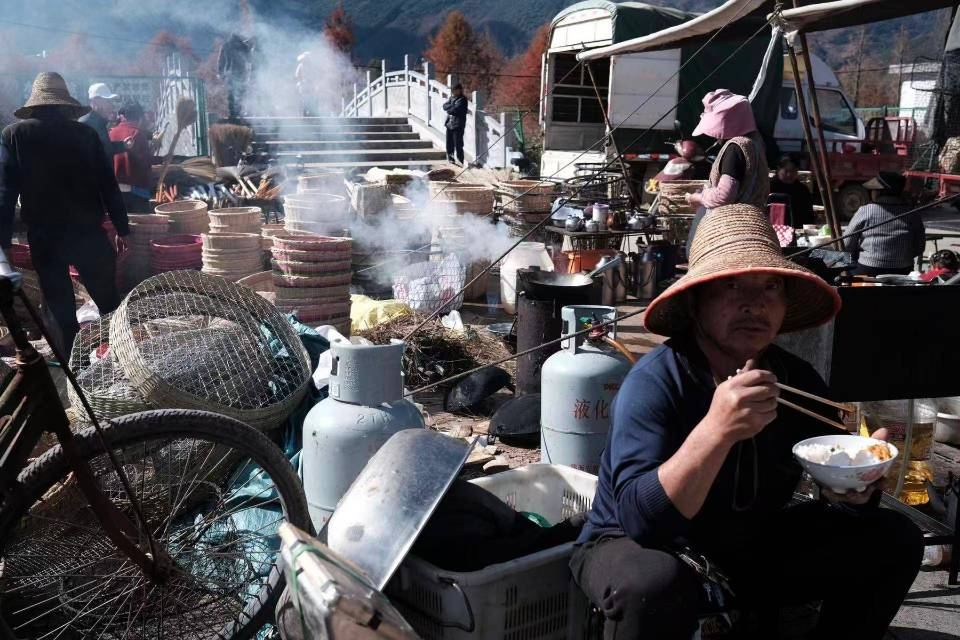 Dali festivals & markets
Torch Festival, March Street Fair, Raosanling, Benzhu Festival, Ghost Festival Street... Dali's festivals are like a living folk history. To truly understand the Bai people, don't just take photos on the streets—step into their festivals and markets.
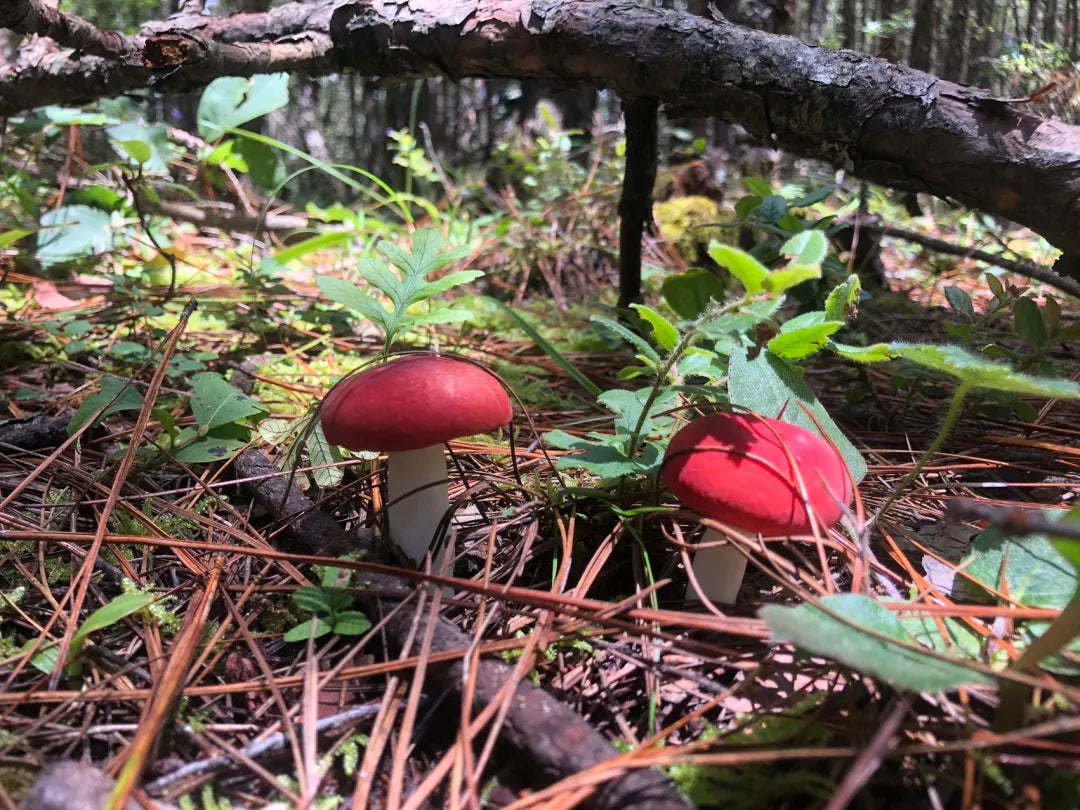 大理野生菌
Every June, when the rainy season arrives in Yunnan, mushrooms start to pop up. Yunnan has 2,753 known wild mushroom species, accounting for more than half of China's total. This article covers the dried beef mushroom (ganba jun), termite mushroom (jizong), green-headed mushroom (qingtou jun), matsutake, and jianshouqing on Dali people's tables, how locals stir-fry them and preserve them in oil until next year, and also records from Zhuangzi, Bencao Gangmu, and Xu Xiake of Yunnan people eating mushrooms for over two thousand years—as well as the safety bottom line that must be upheld when foraging and eating mushrooms.
Meet the people who lead you out
They live in Dali long-term and know the routes they guide with real care.
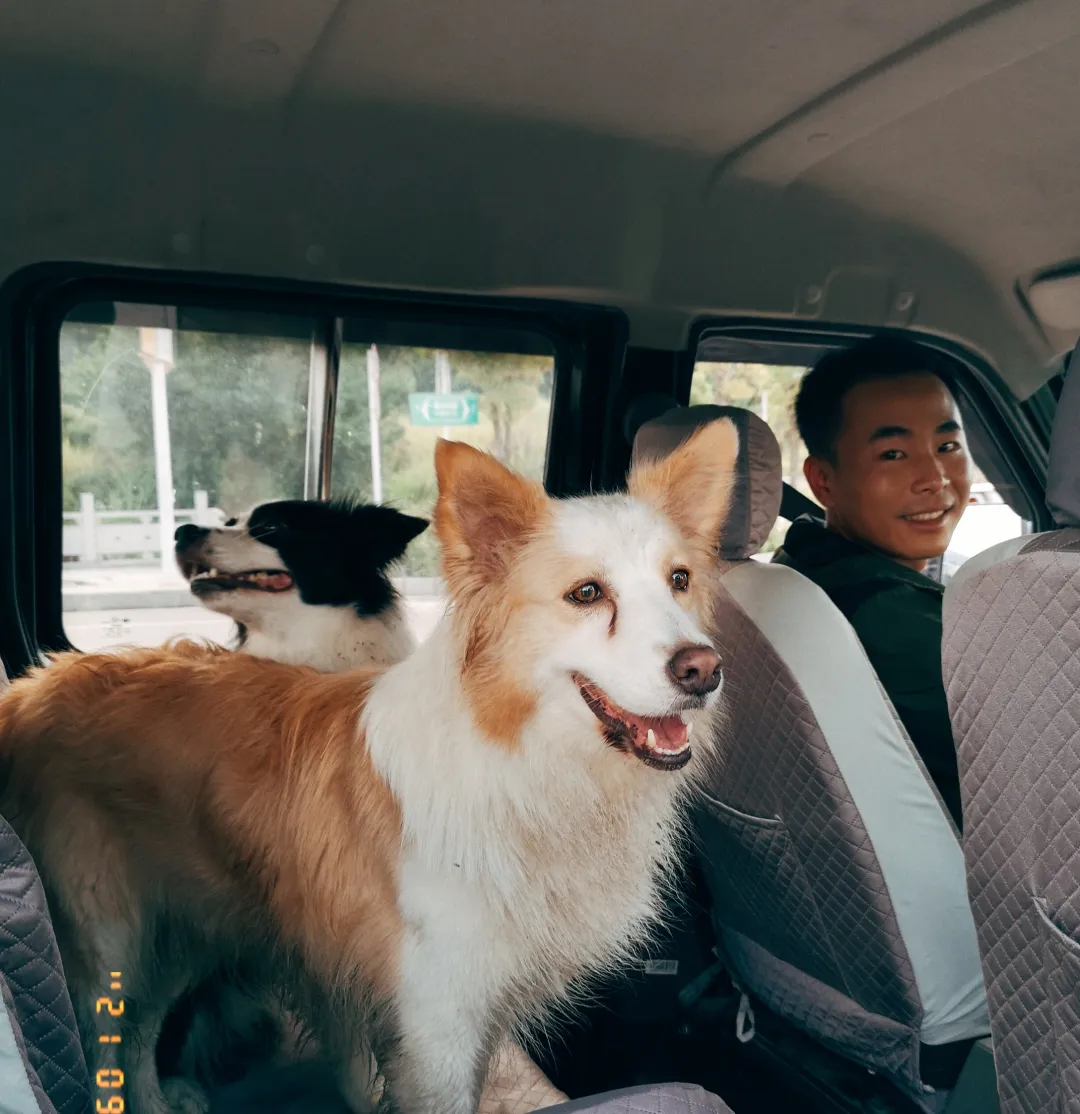
Tailor, from Fujian (福建), moved to Dali (大理) and has lived there for over a decade. He was
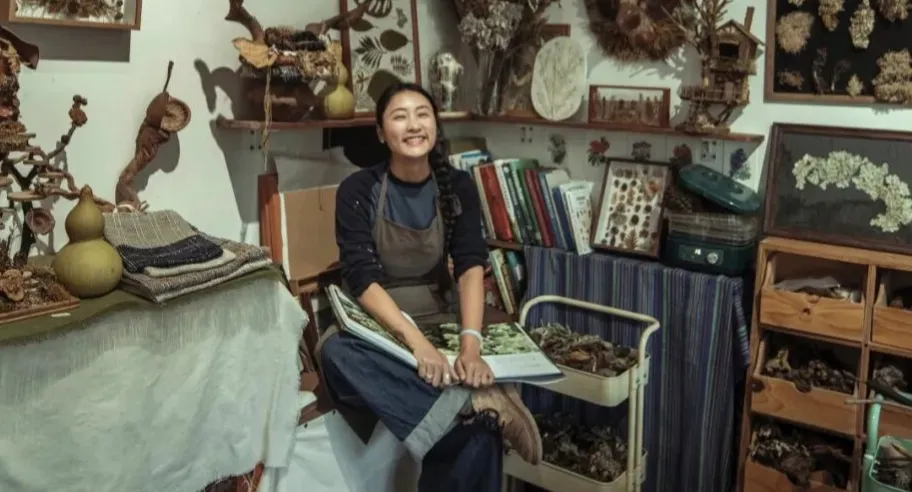
Li Zhenhao (Sai), from Enshi, Hubei. She worked in children's education and training for m
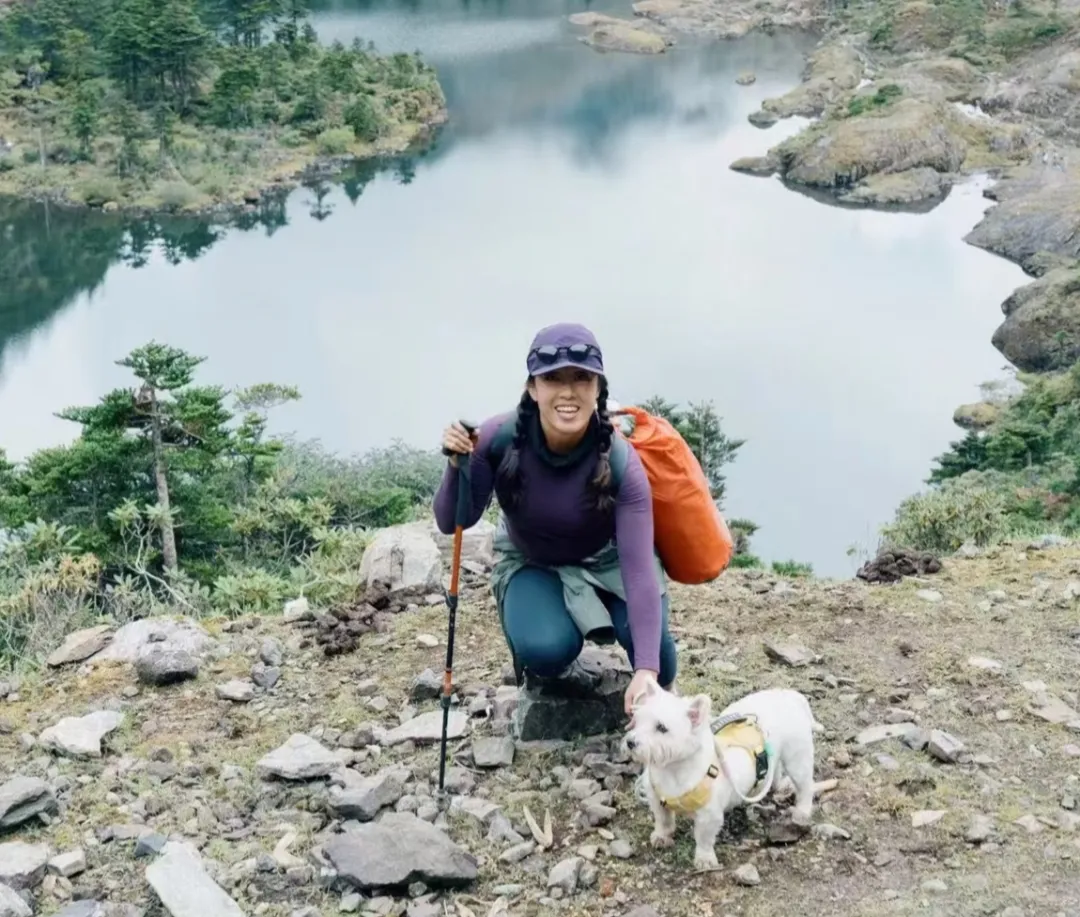
Honghong, from Shanghai, moved to Dali over a decade ago. She is warm and sincere towards
Aruna is from Horqin Right Middle Banner, Inner Mongolia. She rides motorcycles, runs a ro
Lao Li (Little L), from Eryuan, Dali. He is the youngest among us, born after 2000. He use
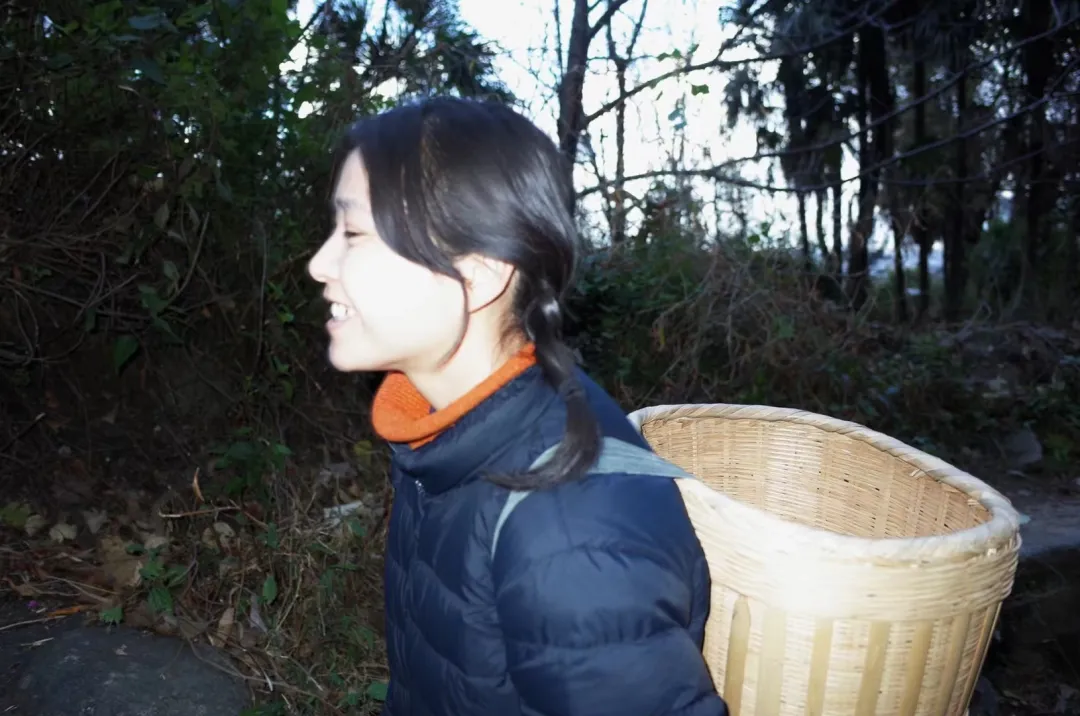
Zacaojing, from Hunan, moved to Dali seven years ago. She is an independent photographer w
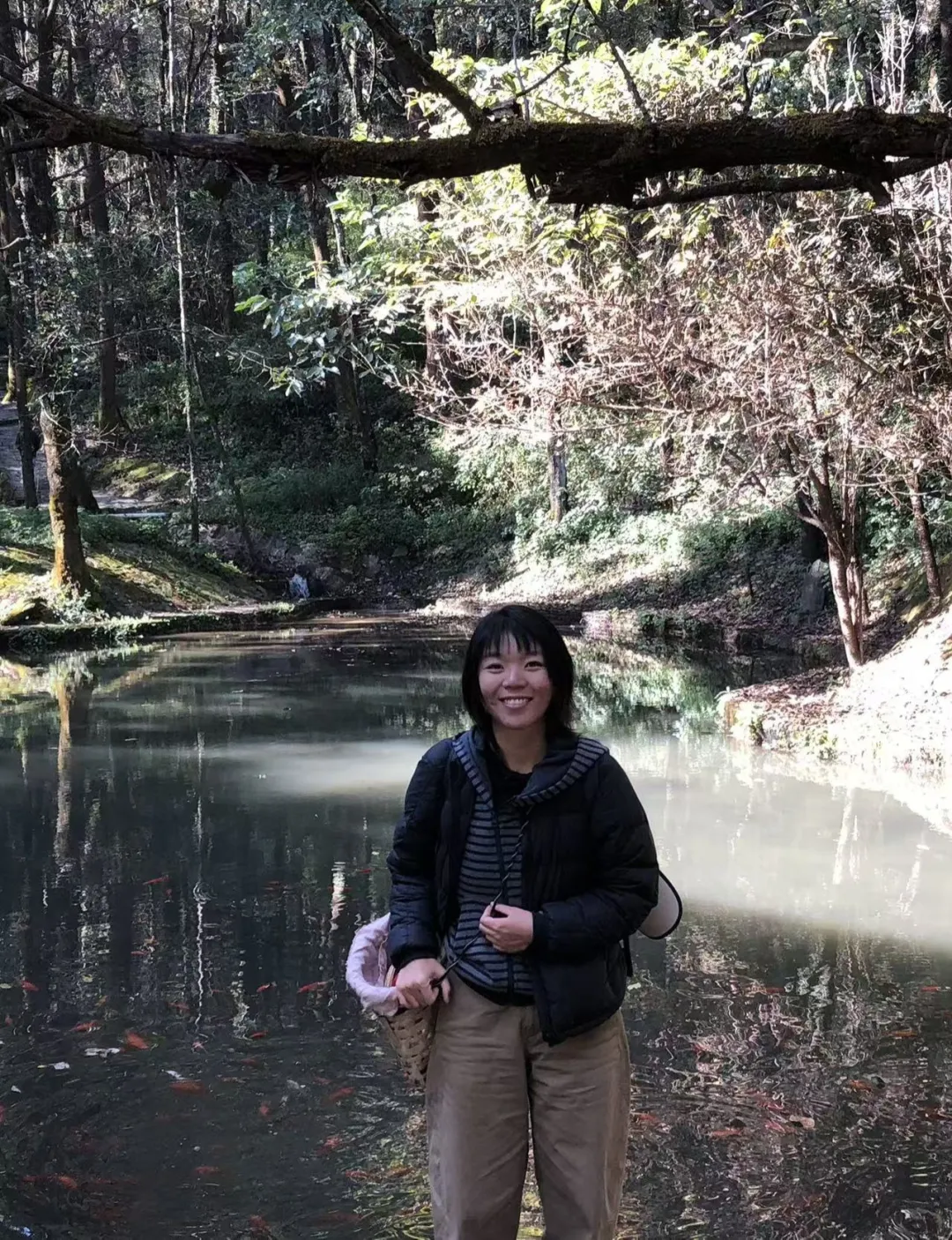
Summer (You) is from Chongqing and is a new addition. She is a good friend of Xiaojing and
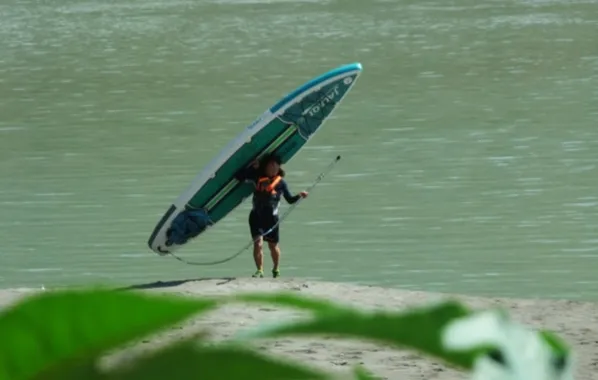
I'm Hanhan, from Hunan. I run the Late Night Canteen (Shenye Shitang) in Dali Old Town. I
Traveler notes
Real words from people who joined these activities.
尼克
Oct 28, 2026
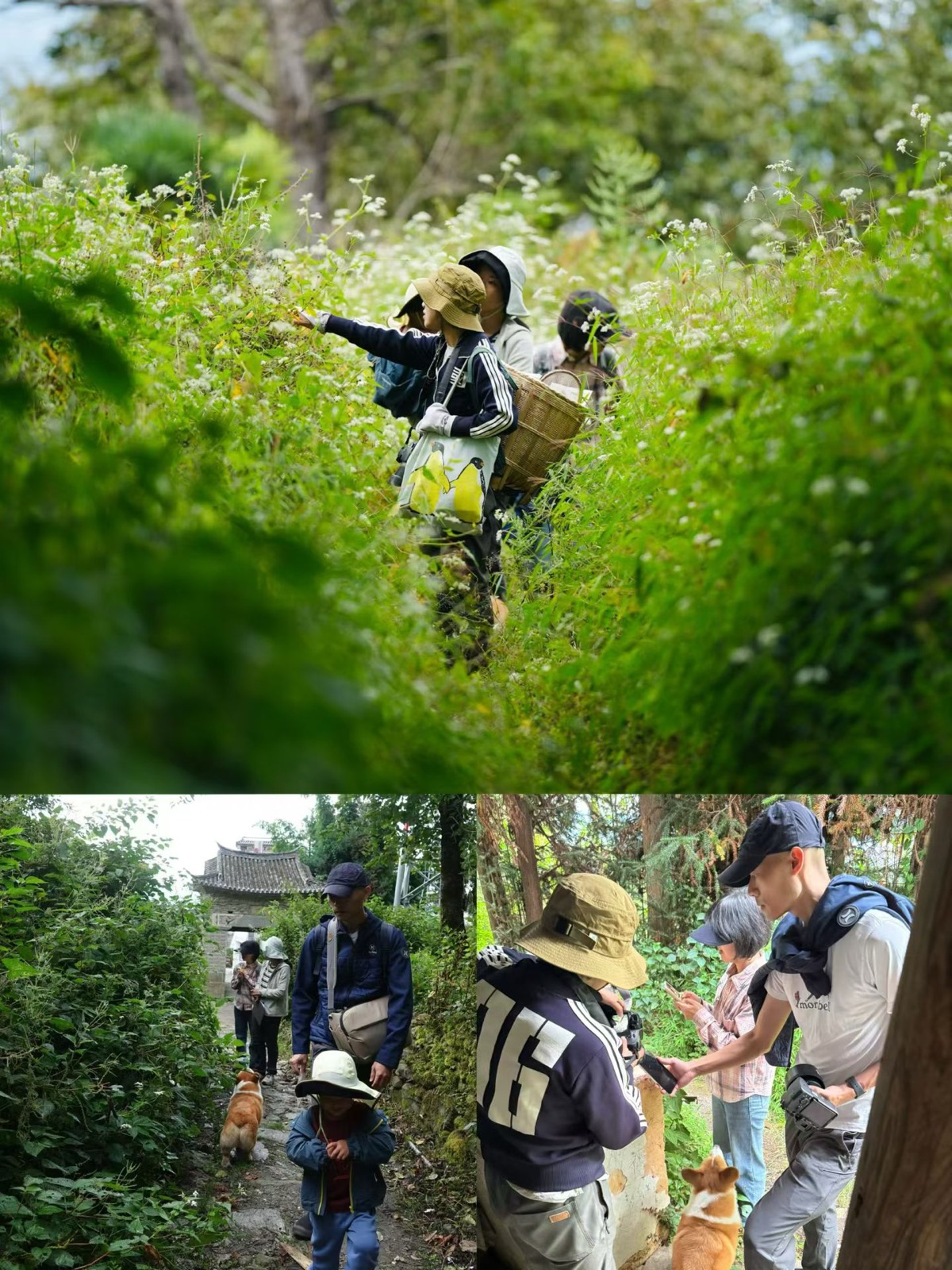
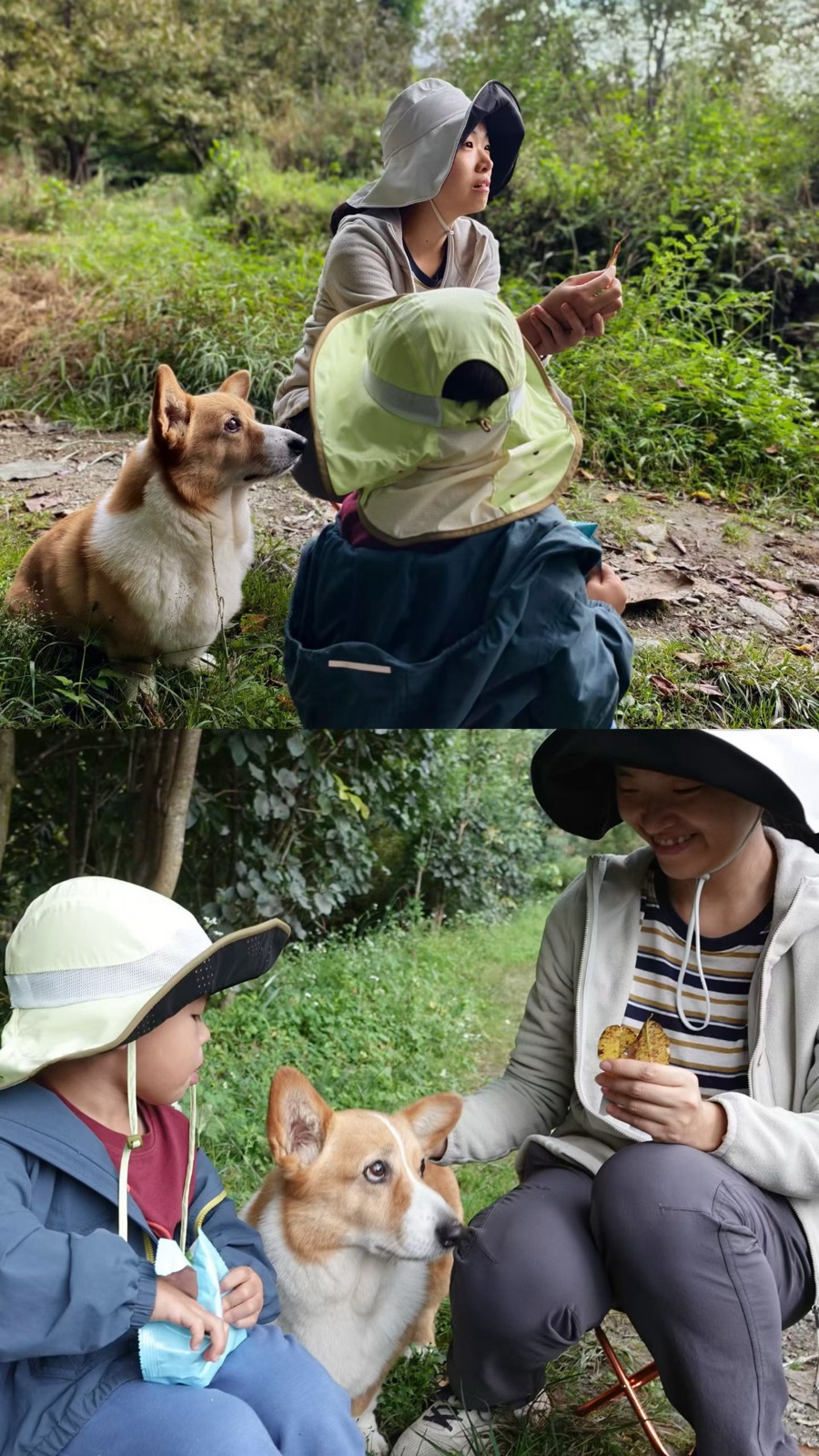
Nearly perfect weather, combined with the company of guide Lini, turned this spur-of-the-moment outing into a truly delightful trip. Along t
Ella
Oct 3, 2026
On this Dali trip, I booked three activities with Cangshan Hiking House in total. Today was the second one. I basically know nothing about t
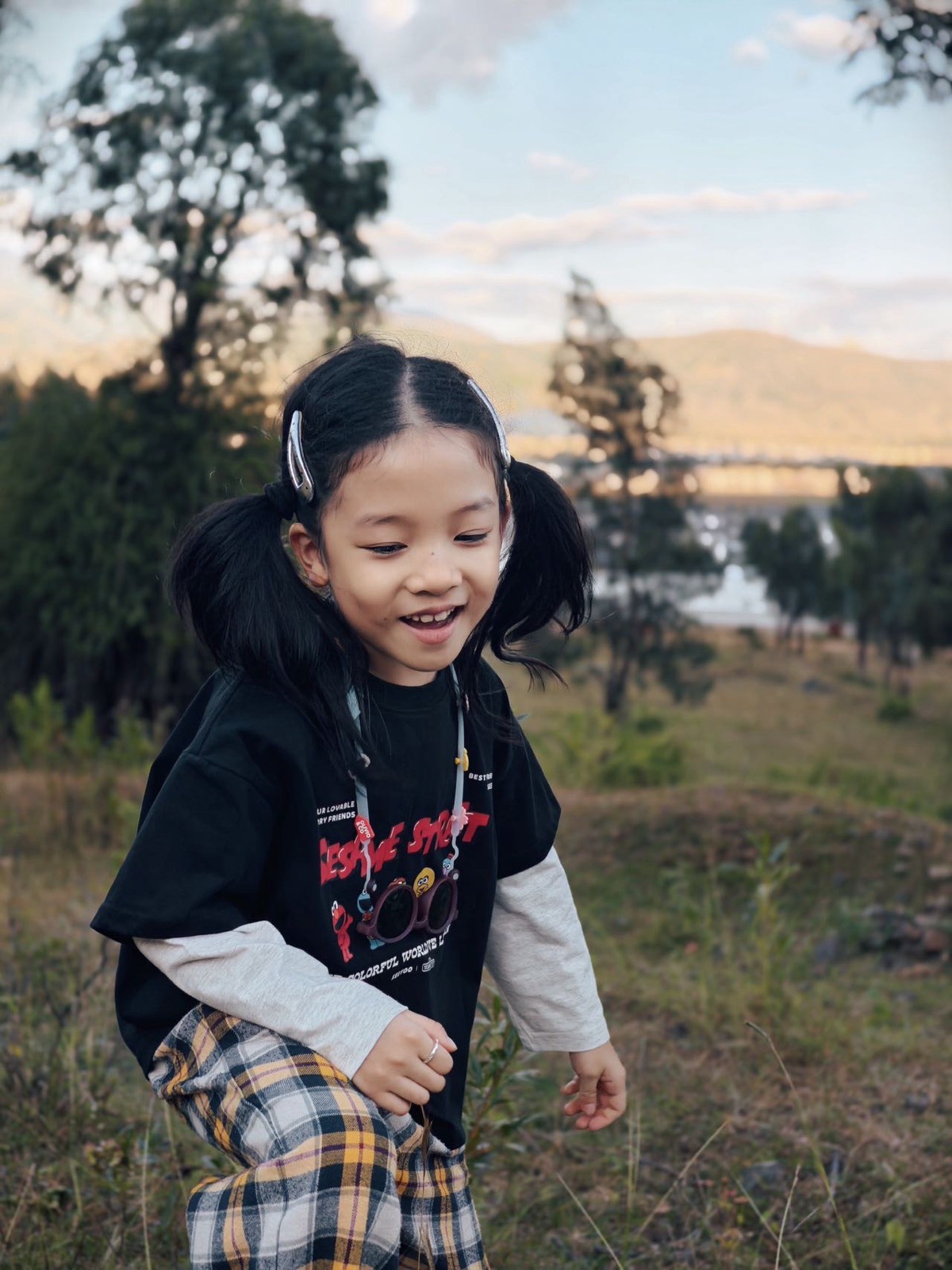
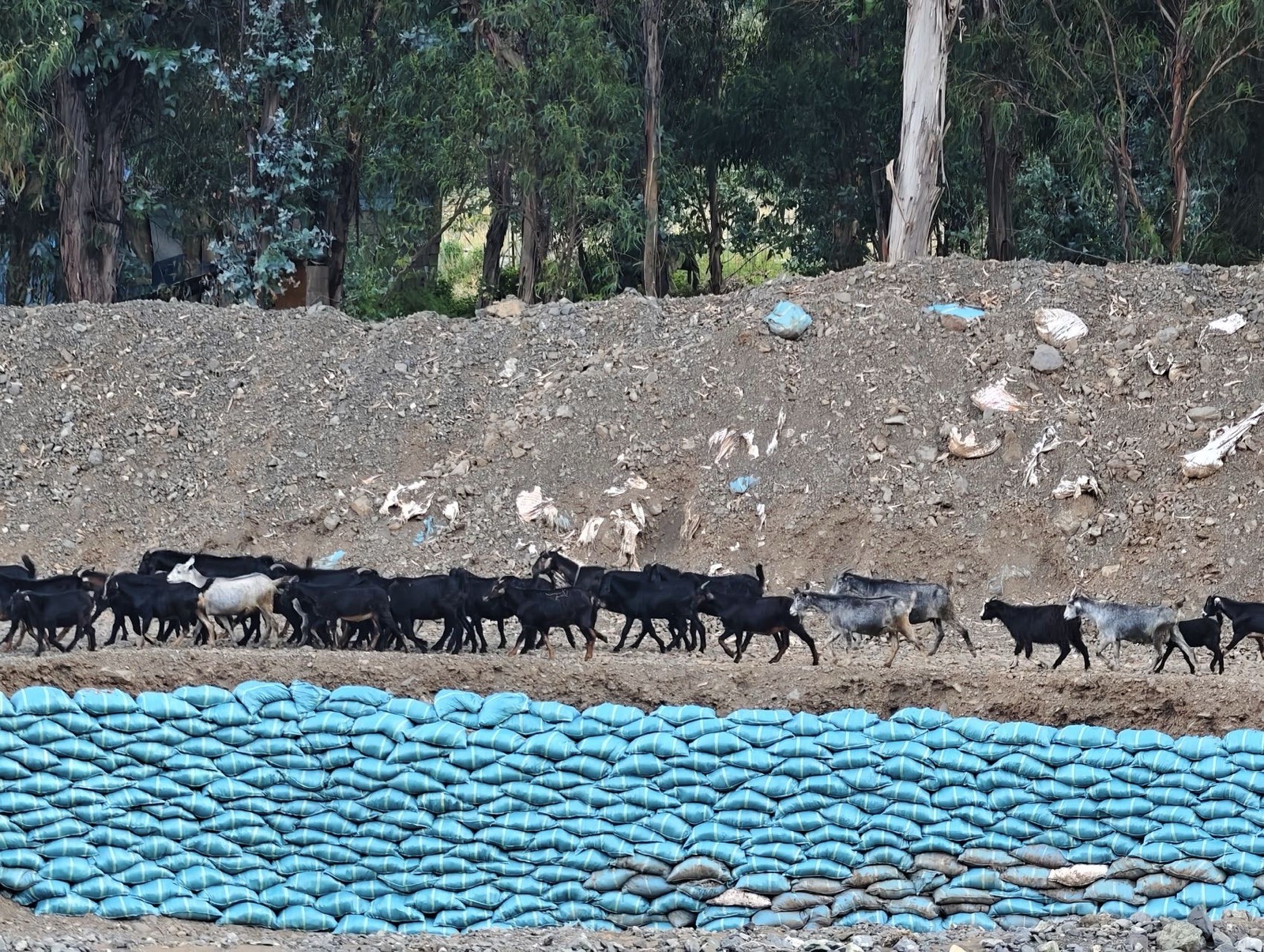
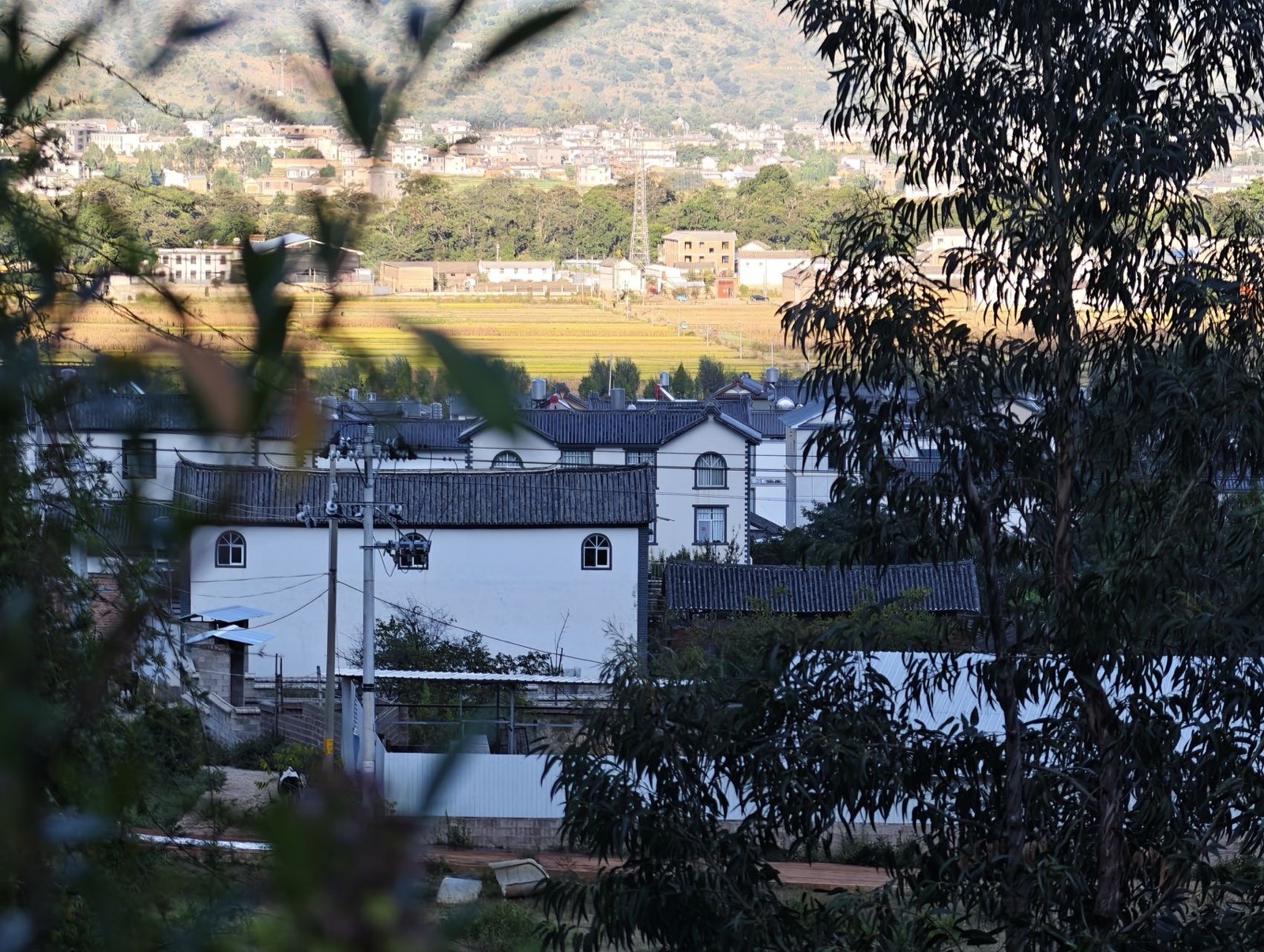
菌菌&蛋挞🐶
Oct 15, 2026
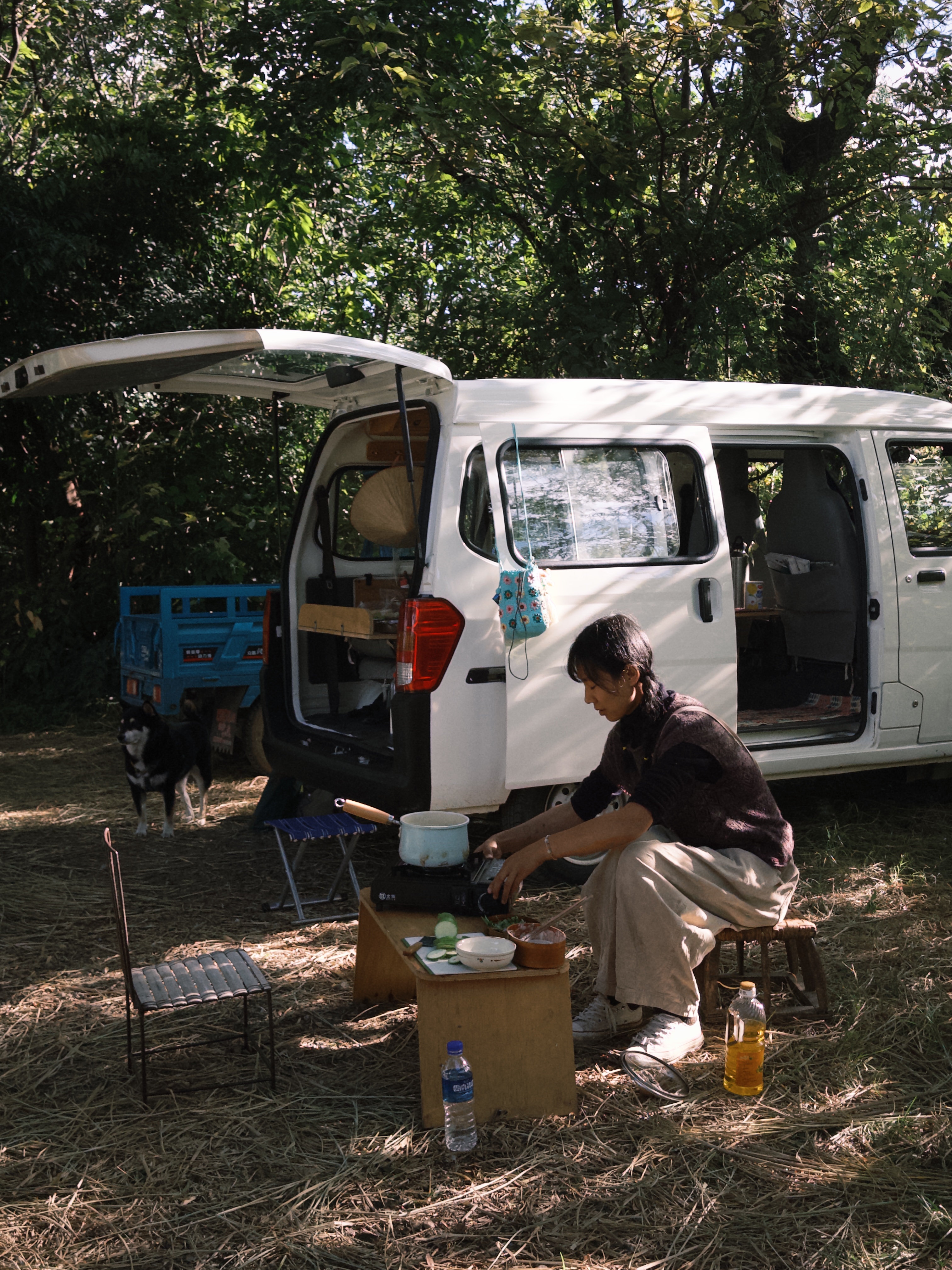
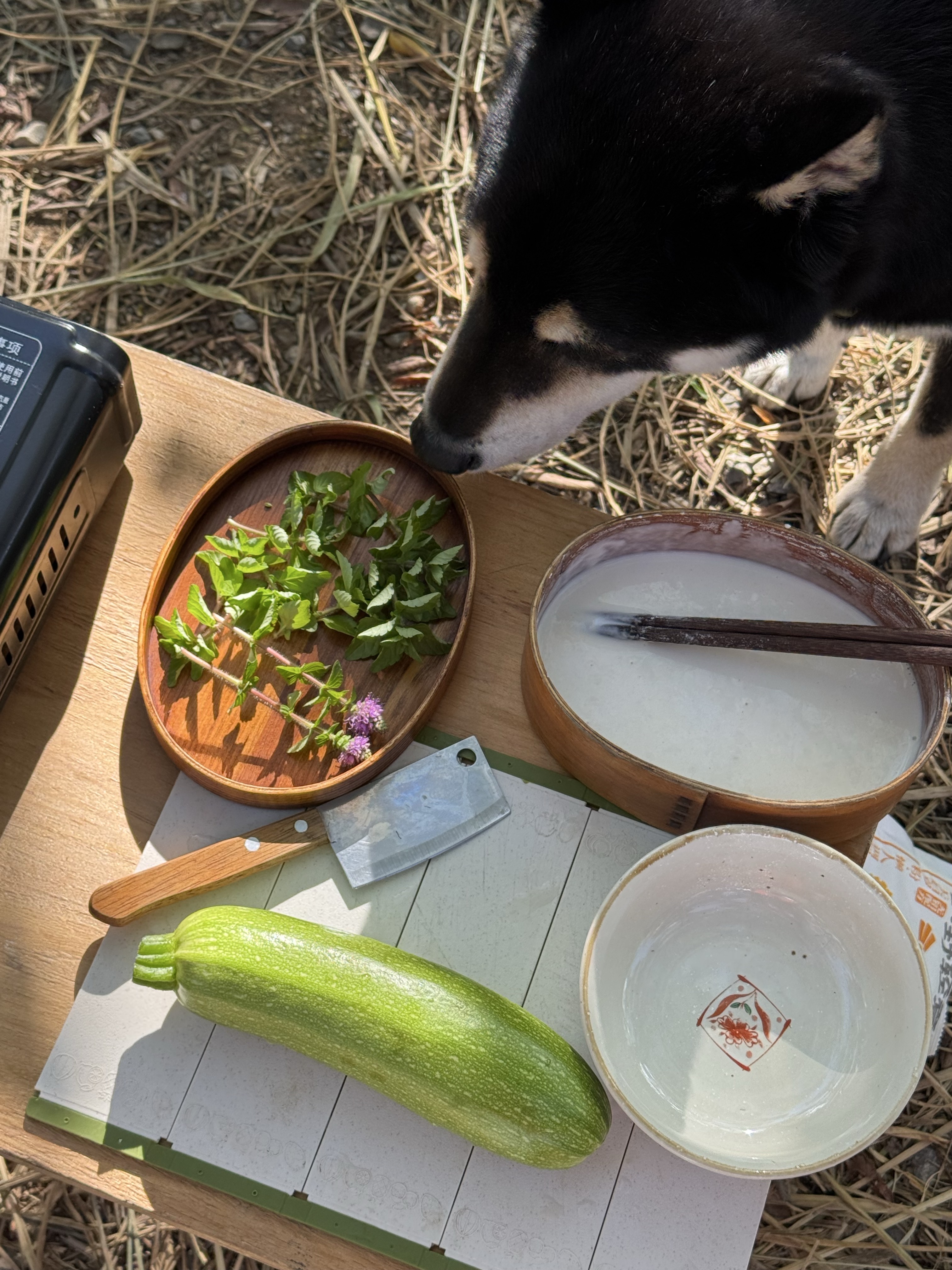
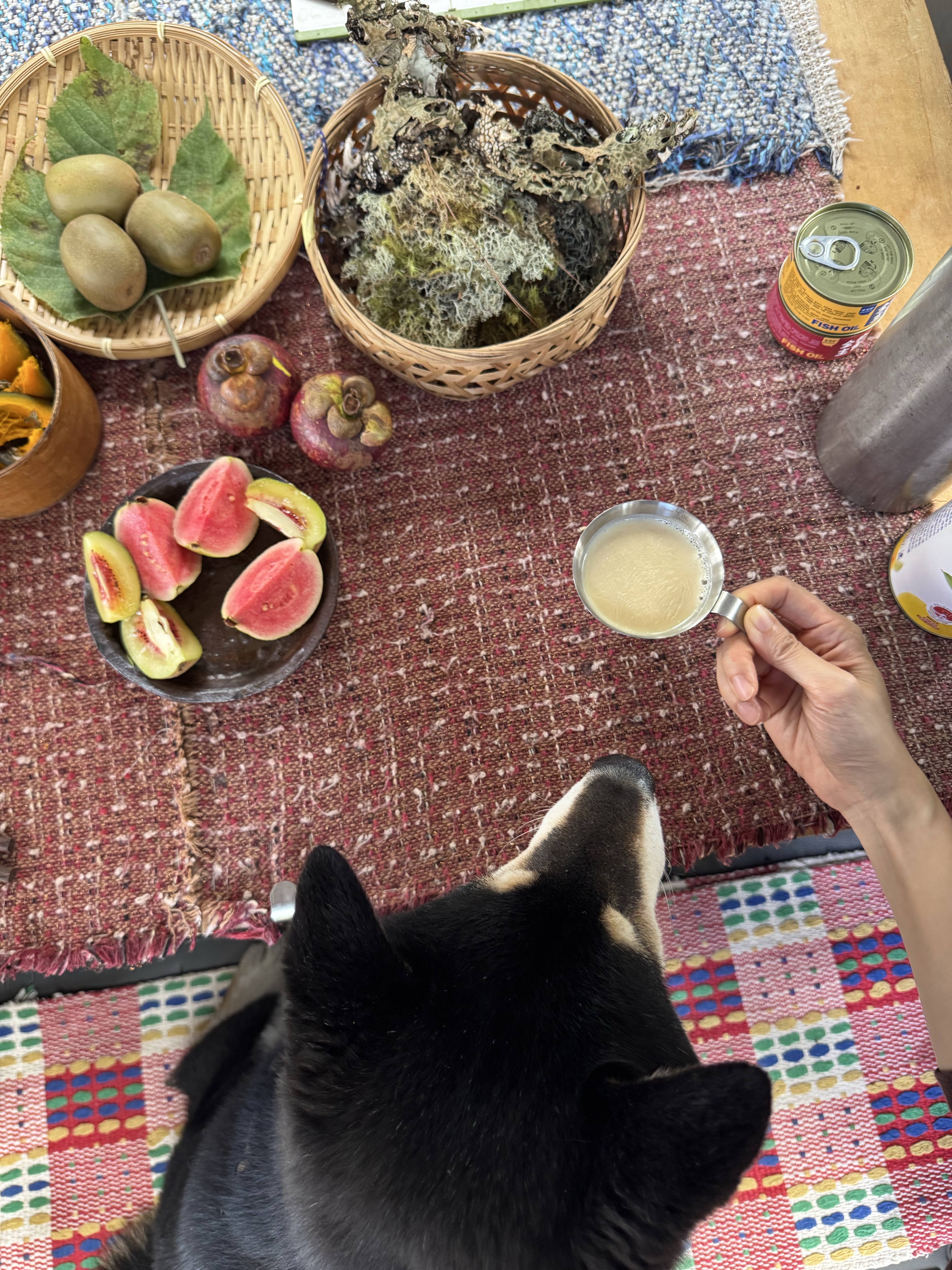
The weather was still gloomy in the morning, but once the van trip started, it cleared up—it was destined to be a lovely journey. The guide
Ella
Oct 4, 2026
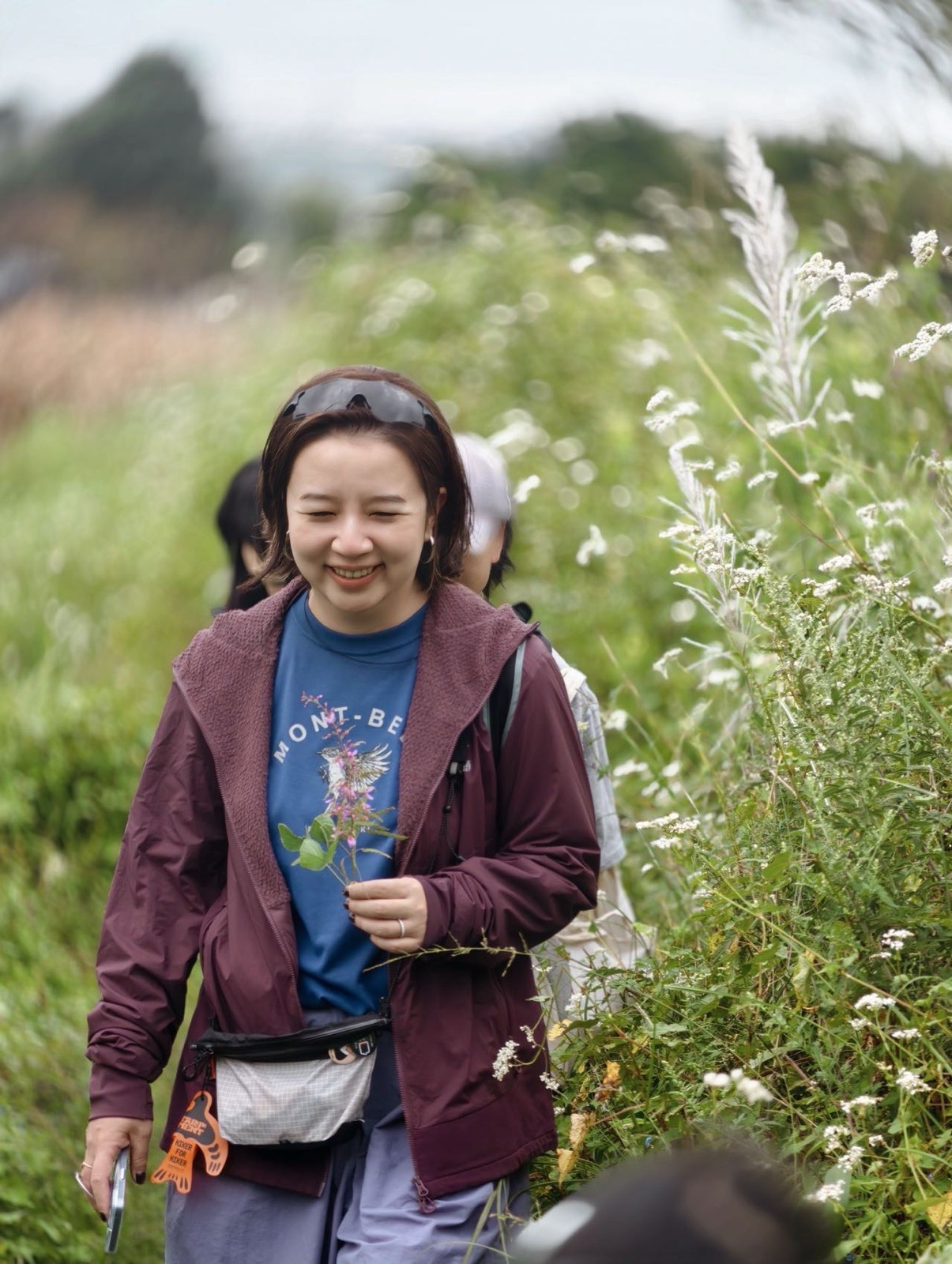
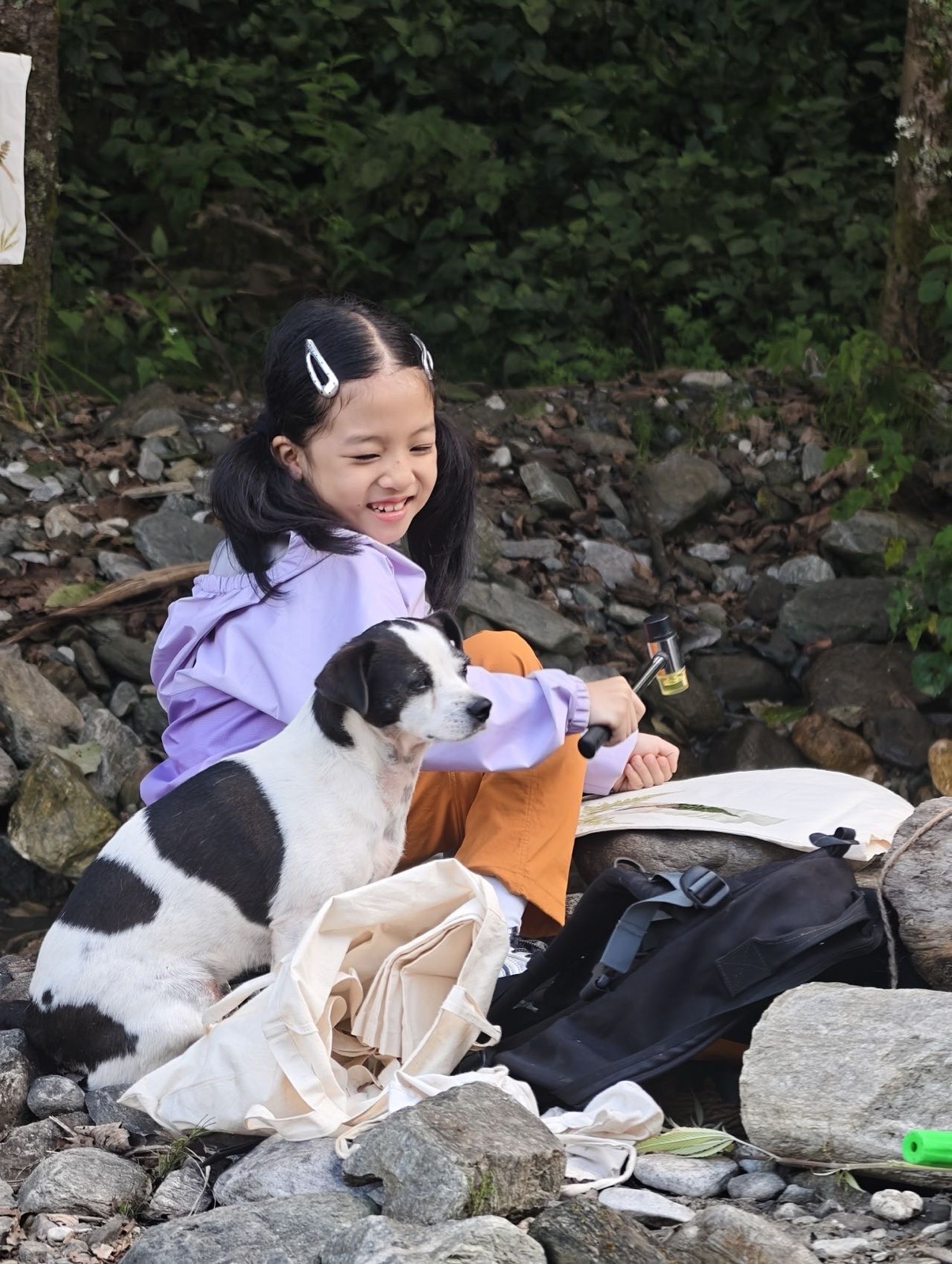
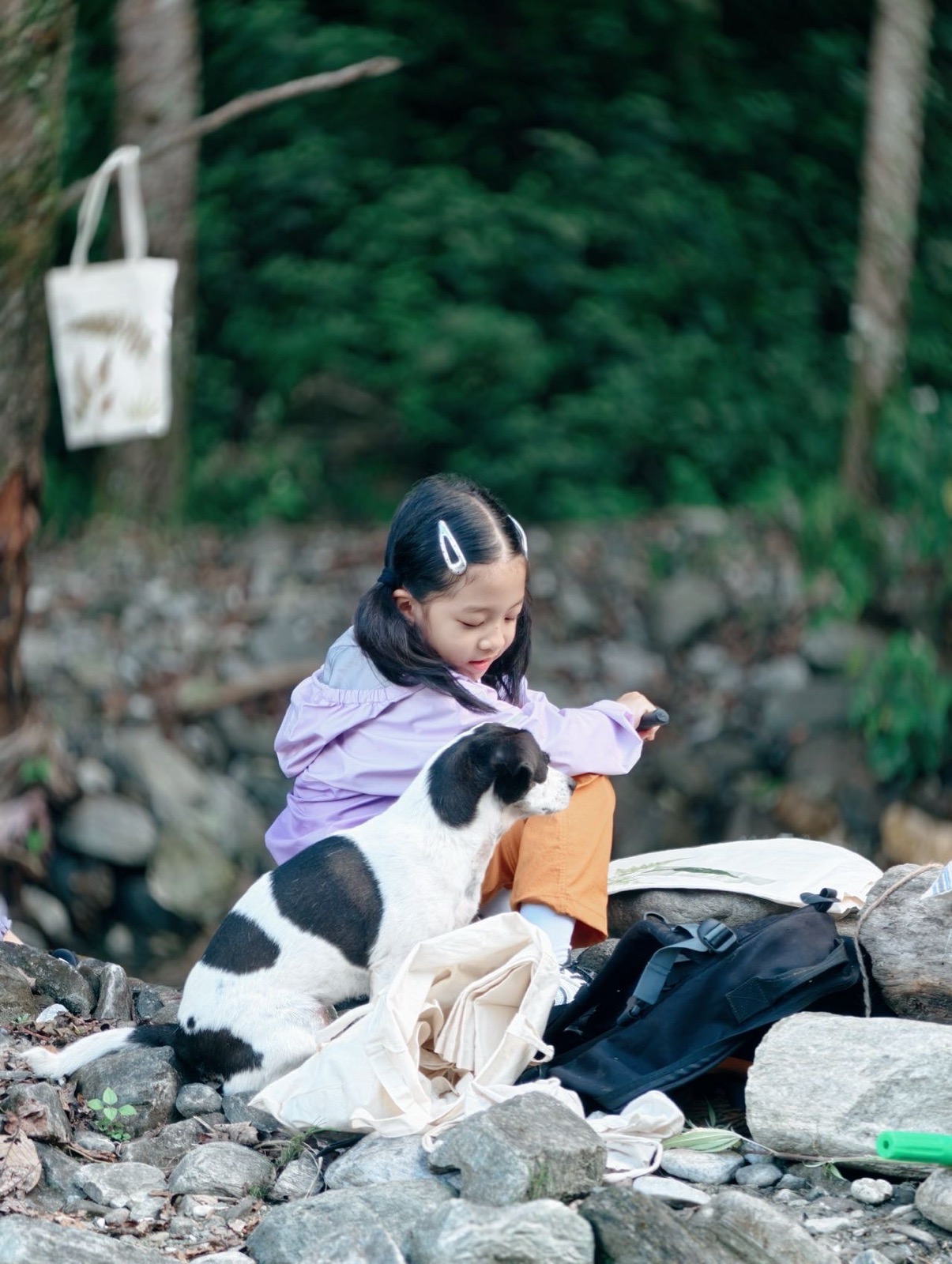
Walking through the lush forest of plants, we arrived at the creek side. Listening to the gurgling sound of the stream, I really wanted to j
糖糕
Oct 10, 2026
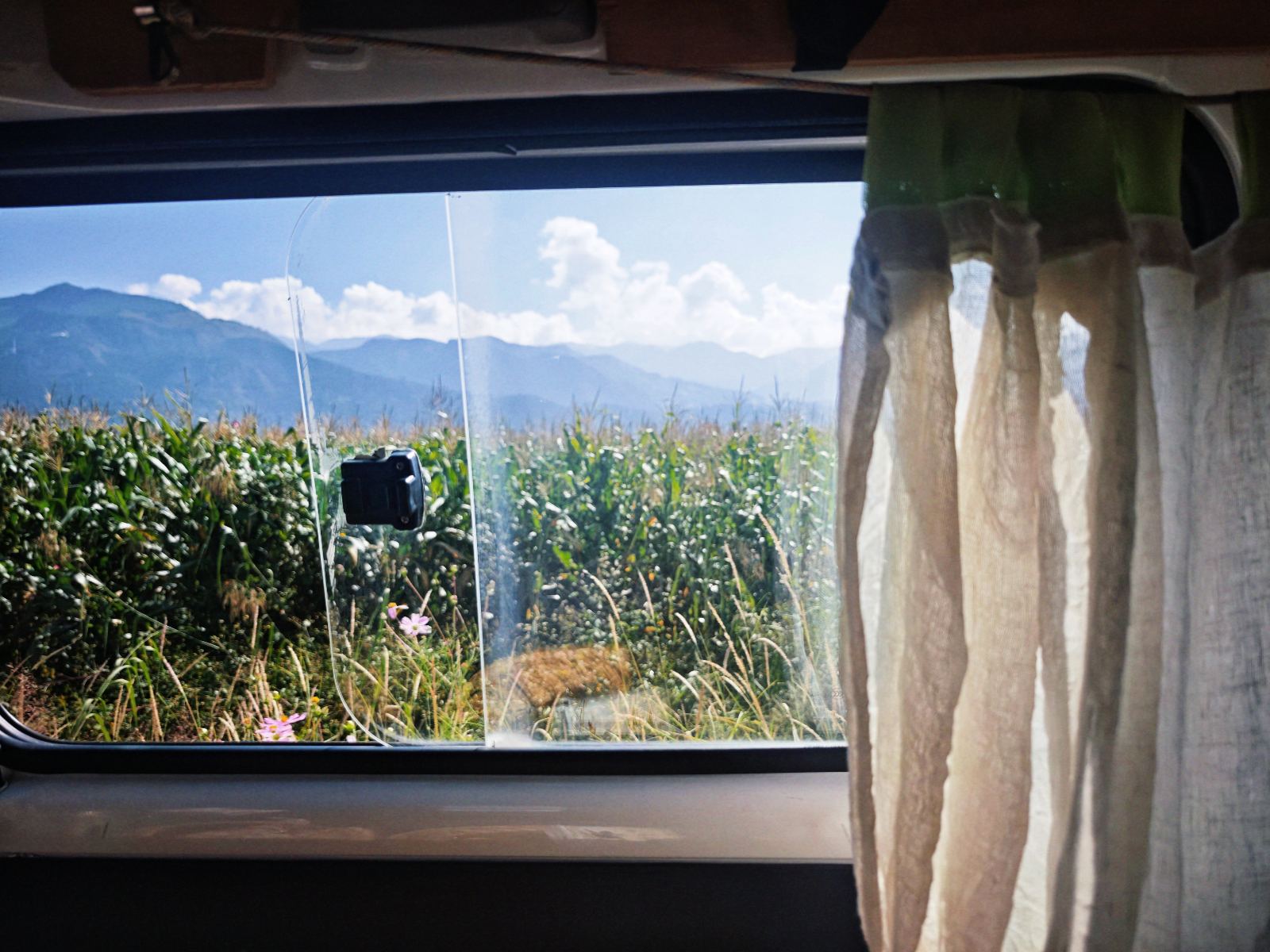
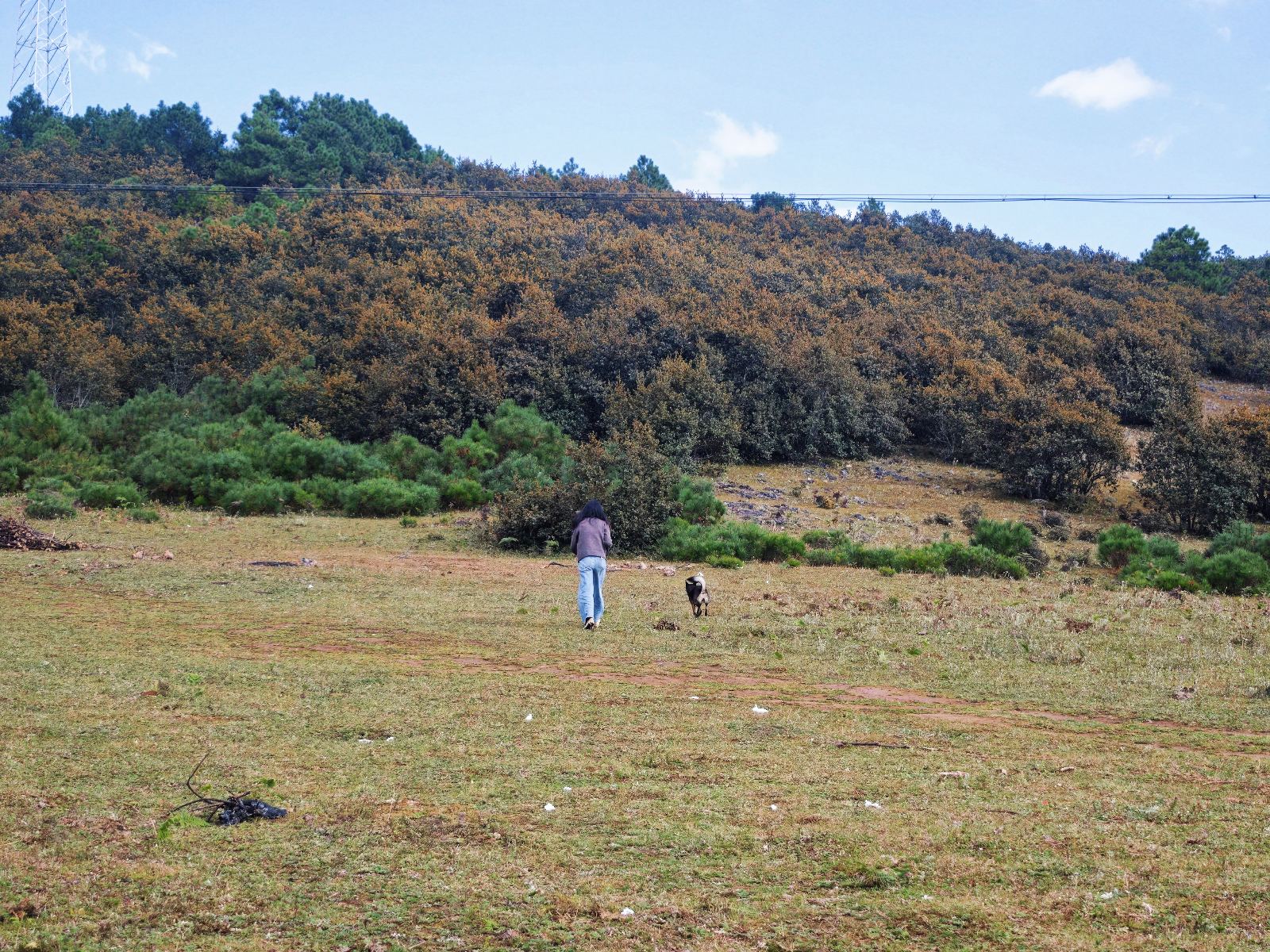
Deep in the woods, in a warm bed woven from the fine pine needles beneath the pine trees, a beauty of life offered by mycelium, sunlight, an
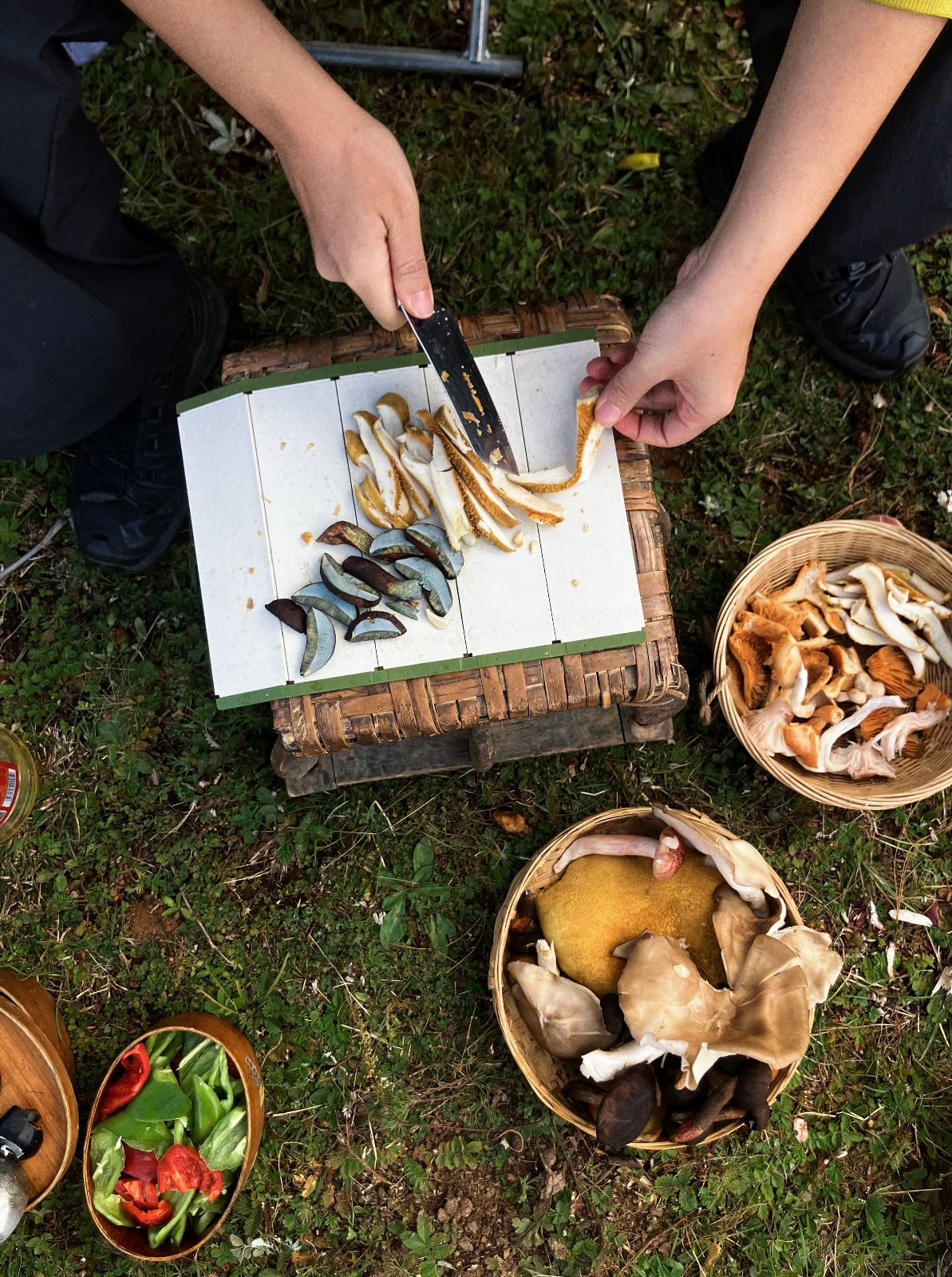
小雪貂
Oct 4, 2026
For a first visit to Dali, a 4-hour hike is a great way to get close to Cangshan. Wangwang led us climbing upward the whole way, getting to
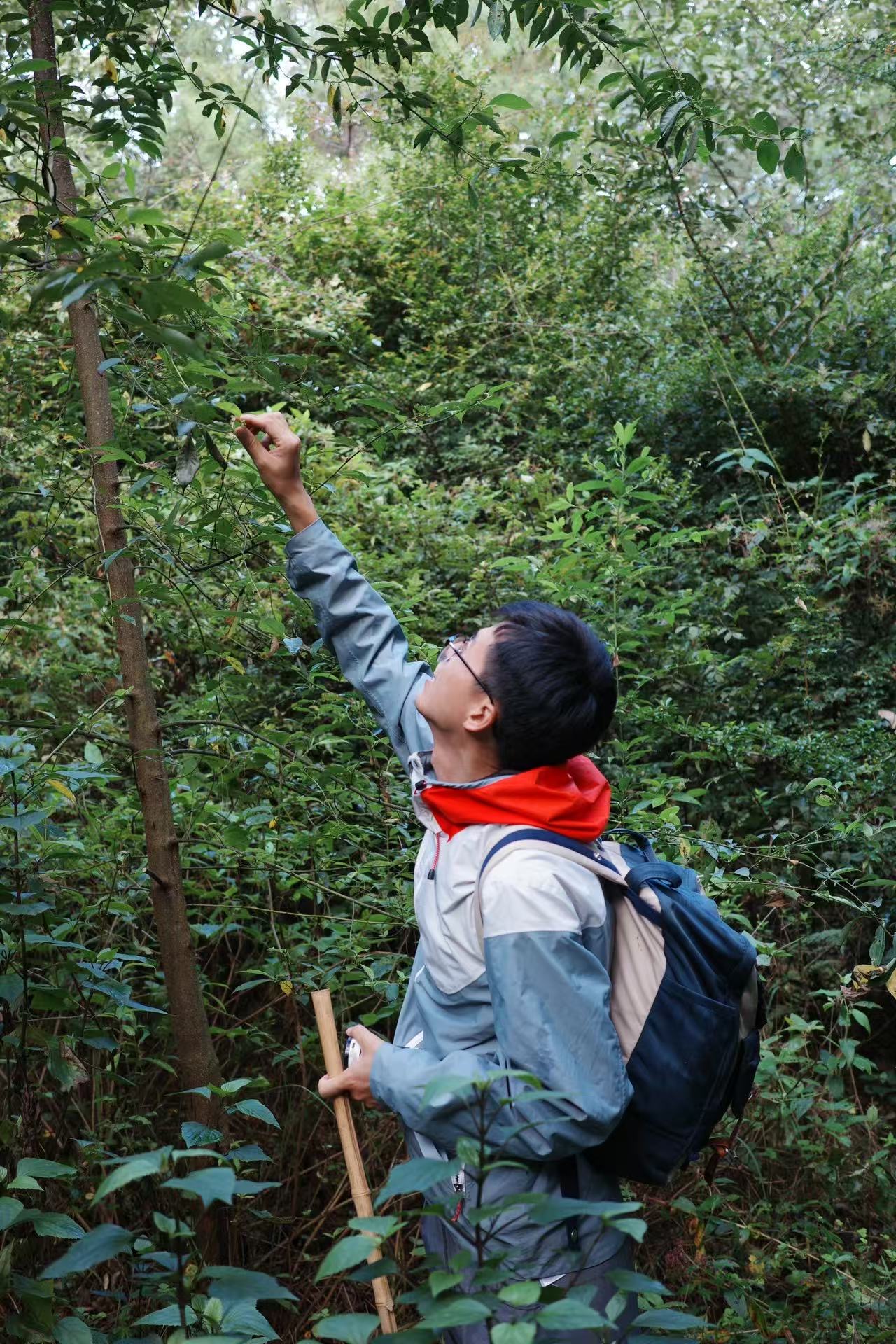
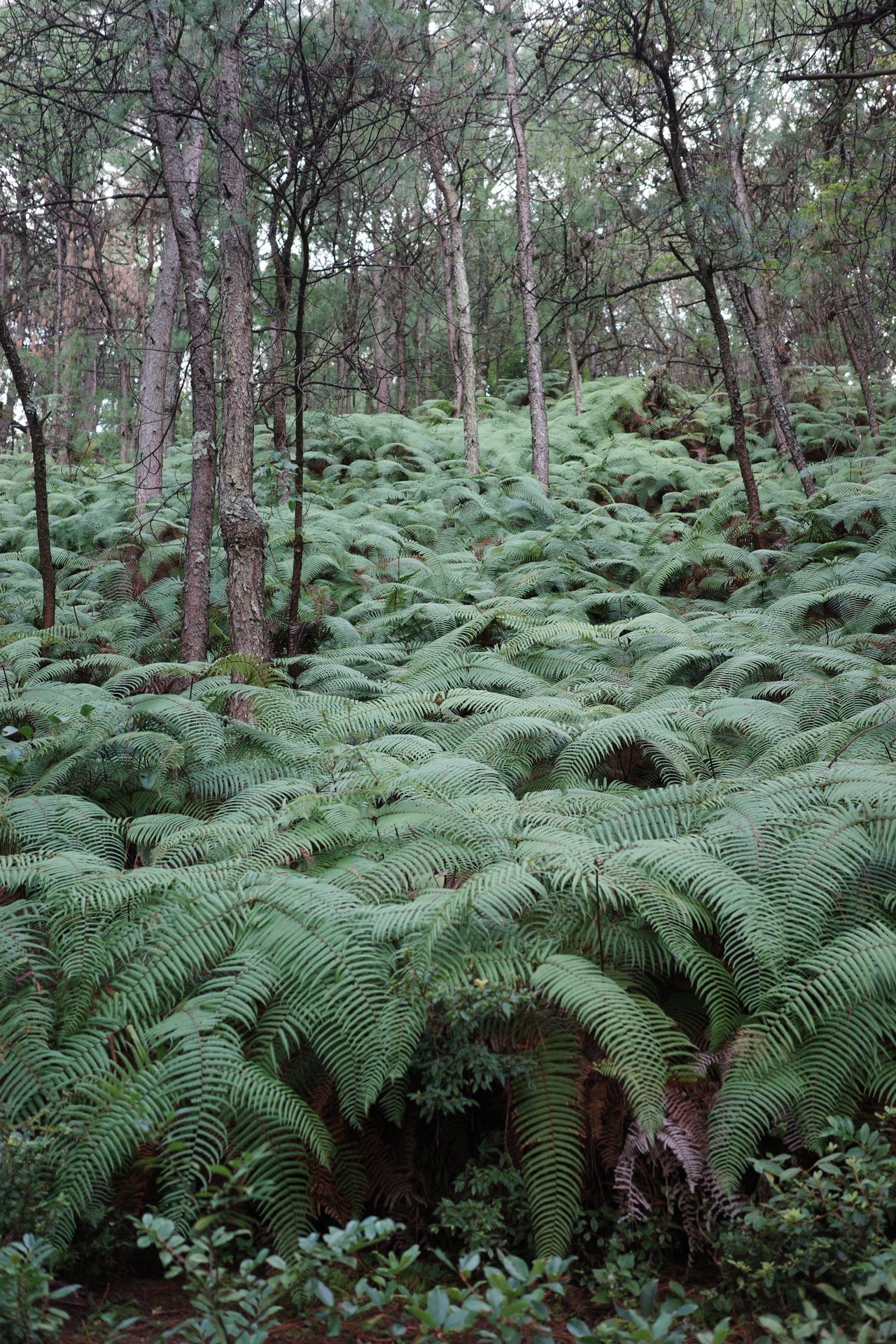
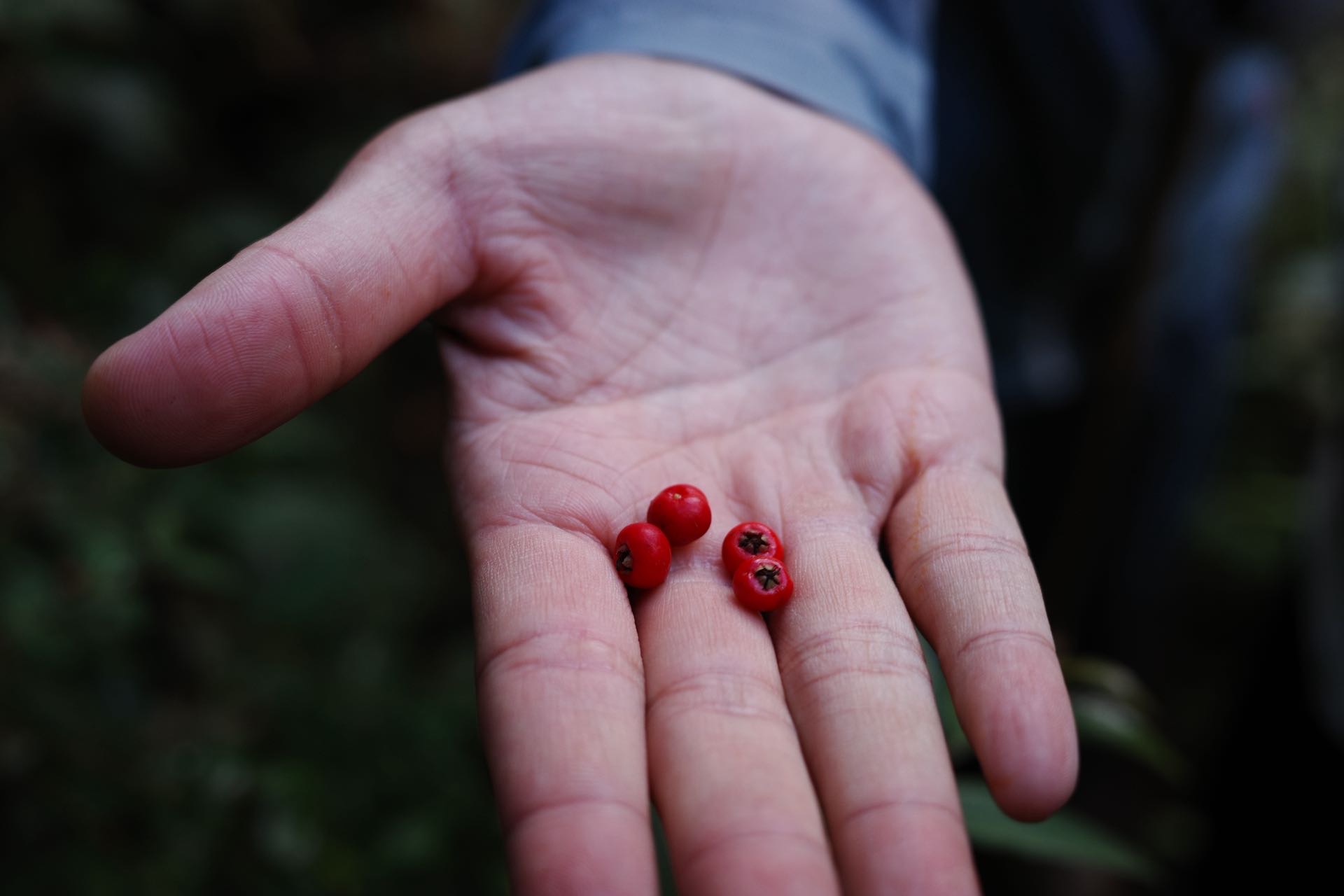
葡萄
Oct 4, 2026
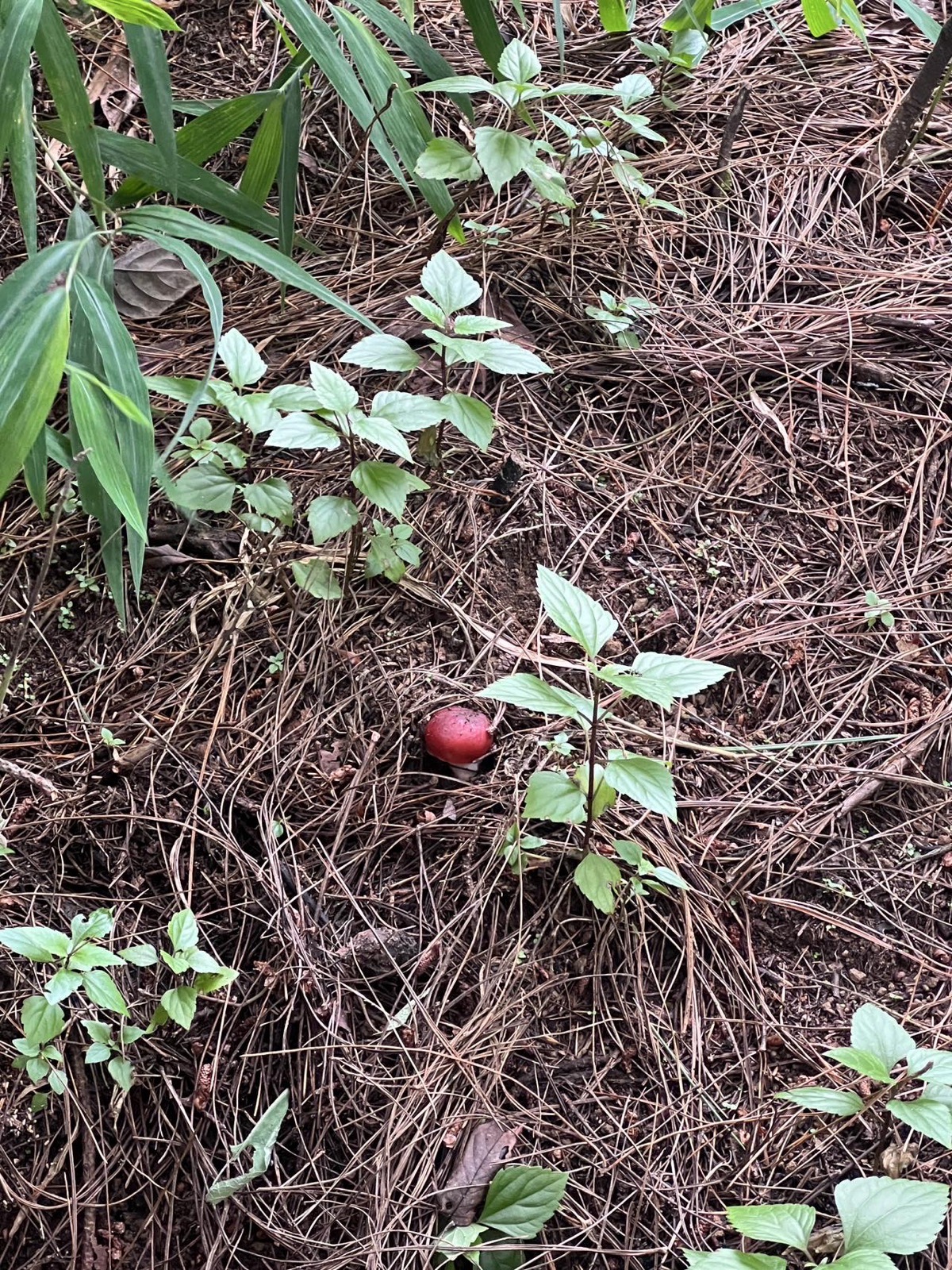
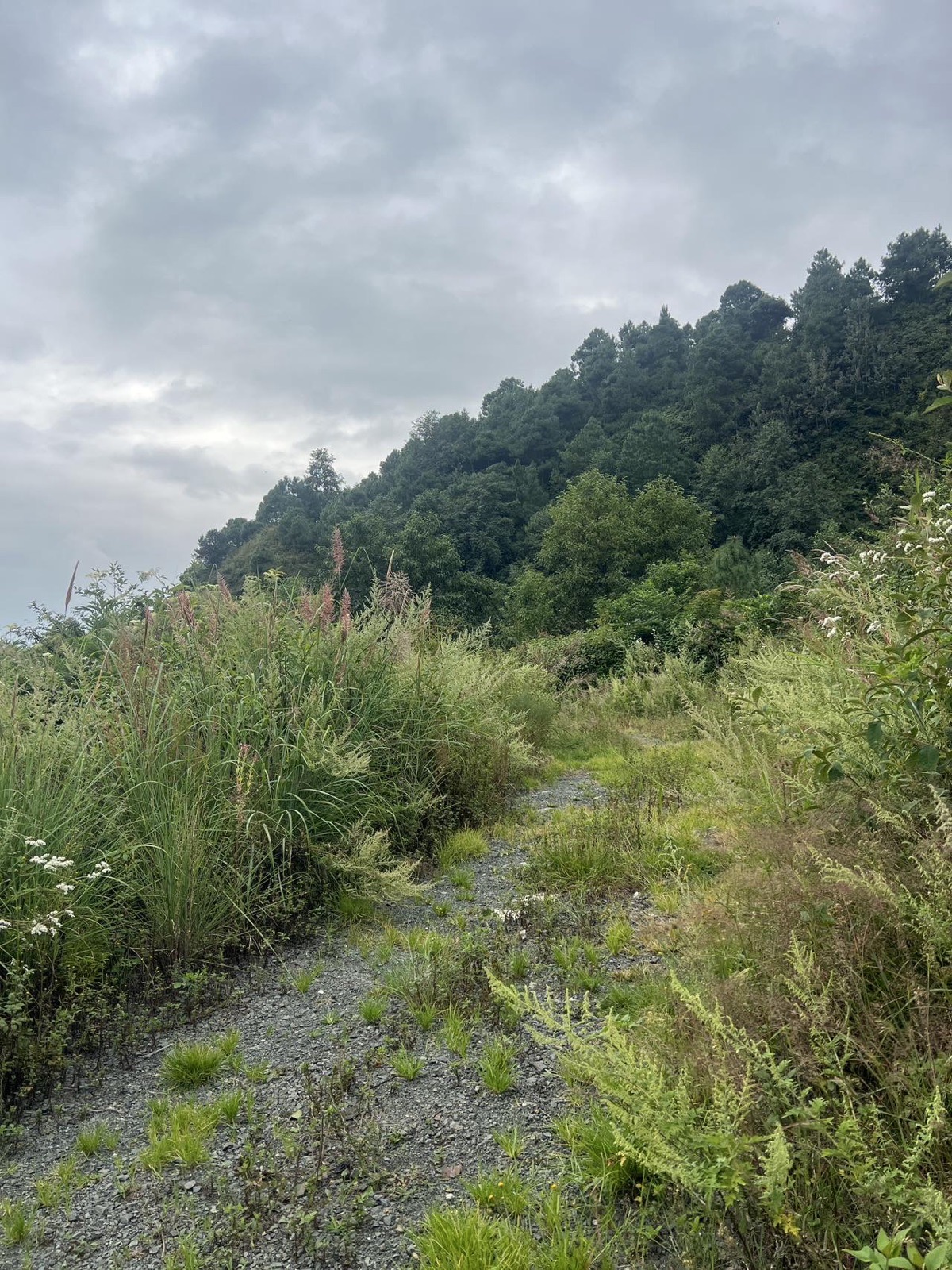
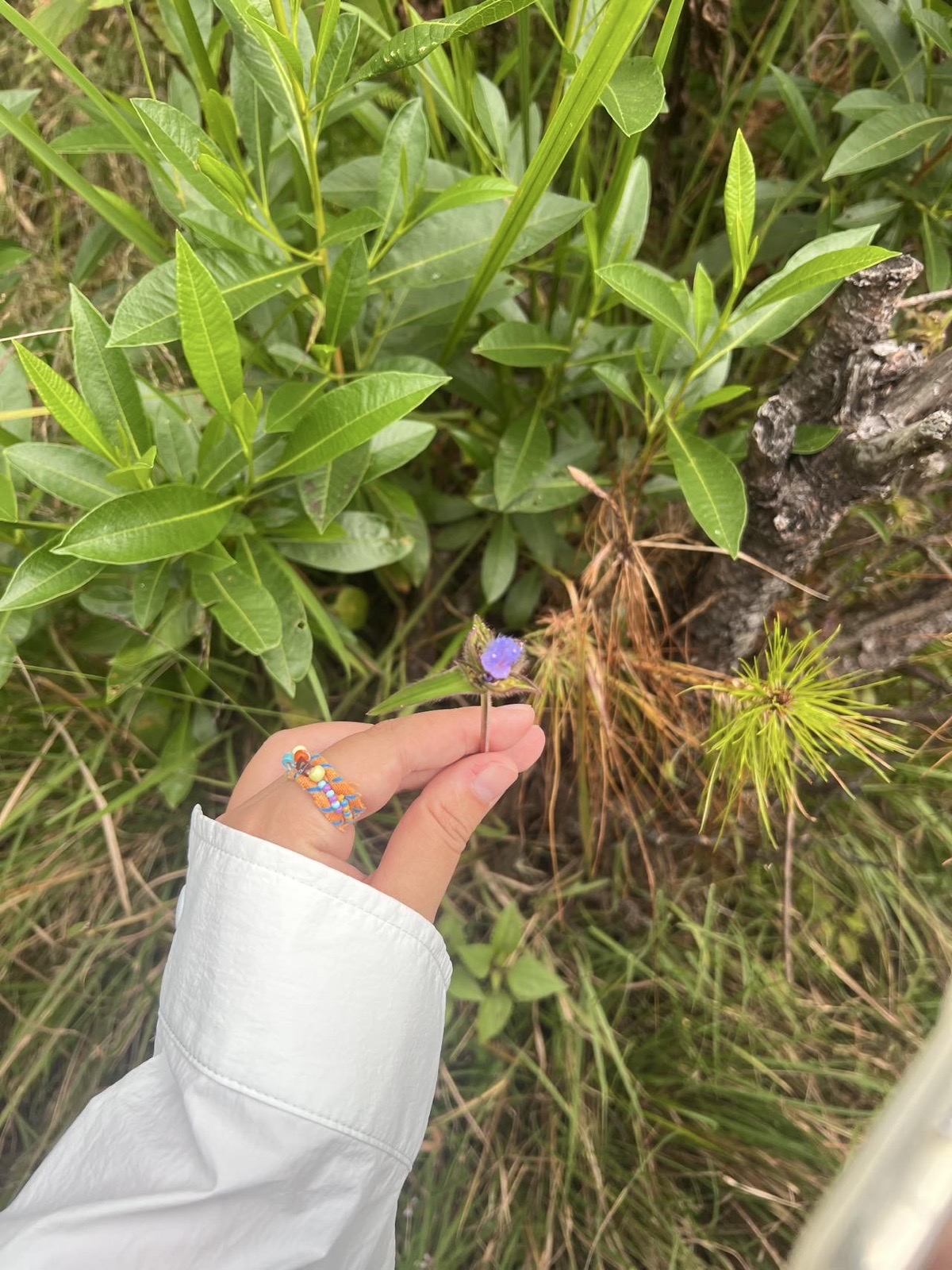
I tried a light hike in the pine forest of Cangshan. Our group walked through the woods identifying plants and trees and picking mushrooms,
丽
Oct 4, 2026
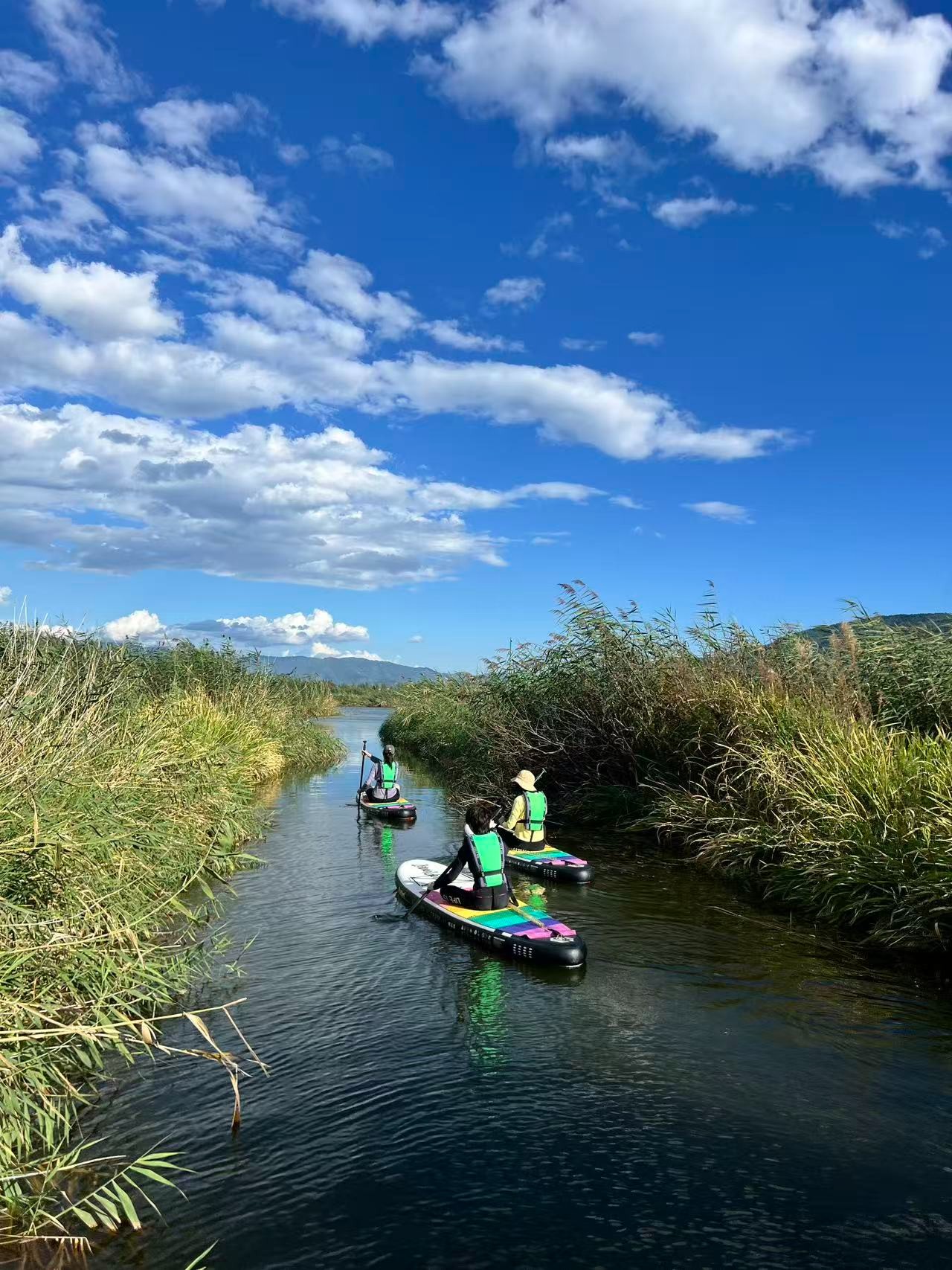
The most surprising experience of my trip to Dali! I can't swim at all, and it was my first time trying paddleboarding. I was really nervous
chelchel梢
Oct 11, 2026
2026.10.2-Day 3- This Cangshan hike brought us a lot of gains. I'm not sure whether it sparked new inspiration for You. Throughout the whole
Meet us
We are not a company — we are friends from the Dali community who came together while still working independently.
It began in 2019 with a “hike and home dinner” experience on Airbnb. As travelers asked for more, good friends in Dali joined one by one, each bringing their own local experience, and we slowly grew into DaliTrip. In 2022 we built our own WeChat mini program, and now we can welcome travelers in English, Spanish, French, Japanese and more.
Learn more about us →