
Skip to product information
1 of 37

Dali Experience Community

Weishan Temple Street Market | 3rd and 8th of each month

Weishan Temple Street Market | 3rd and 8th of each month

Experience in trip content: Local Traditional Market, Mini Hiking, and Ancient Village

Duration and time of day: 1 day

Age suggestion: Age 3+

Destination distance to Dali: 40 km

Meeting point: 朴石烘焙

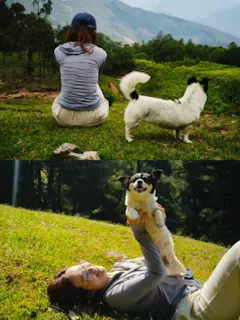
Guide with dog: Yes, it's possible

You need to bring: A bottle of water, suncream, hat

Fee includes : Transportation, tea break, insurance

Not included: Lunch

Guide's English proficiency:Speak a little English

Guide's WeChat:liz990876

Regular price ¥398.00
Regular price Sale price ¥398.00
Sale Not in Season

Domestic travelers, please book via WeChat Mini Program:

Foreign travelers, please "Book Your Time" first and pay 2 days before the event: ⬇️

Pick-up assistance

For customers with language barriers, we are happy to arrange a taxi to pick you up from your hotel to the meeting point. You pay the actual fee.

One person makes a trip

For most experiences, once booked and confirmed, the trip will go ahead even if there is only one guest, except for some experiences (such as long-haul tours) where a minimum number of guests is specified.

Refund Policy

Before the experience starts:

  • Within 12 hours: 30% refund
  • 12 to 24 hours: 50% refund
  • 24 to 48 hours: 70% refund
  • More than 48 hours: 100% refund
  • After the event starts: No refunds
  • If cancelled due to weather conditions: Full refund

customer service

Guide WeChat: liz990876, other general inquiries: WeChat/WhatsApp: 13636360694

If you have any questions, please add me on WeChat: liz990876 , Recent activity records (to learn about the latest scenery of this season): Cangshan Hiking Home Xiaohongshu

Itinerary:

Destination: Weishan Miao Street (60 km from the Old Town, approximately 1-hour drive)

Departure: 10:00 AM, opposite Dali University, meet at Puchu Baking

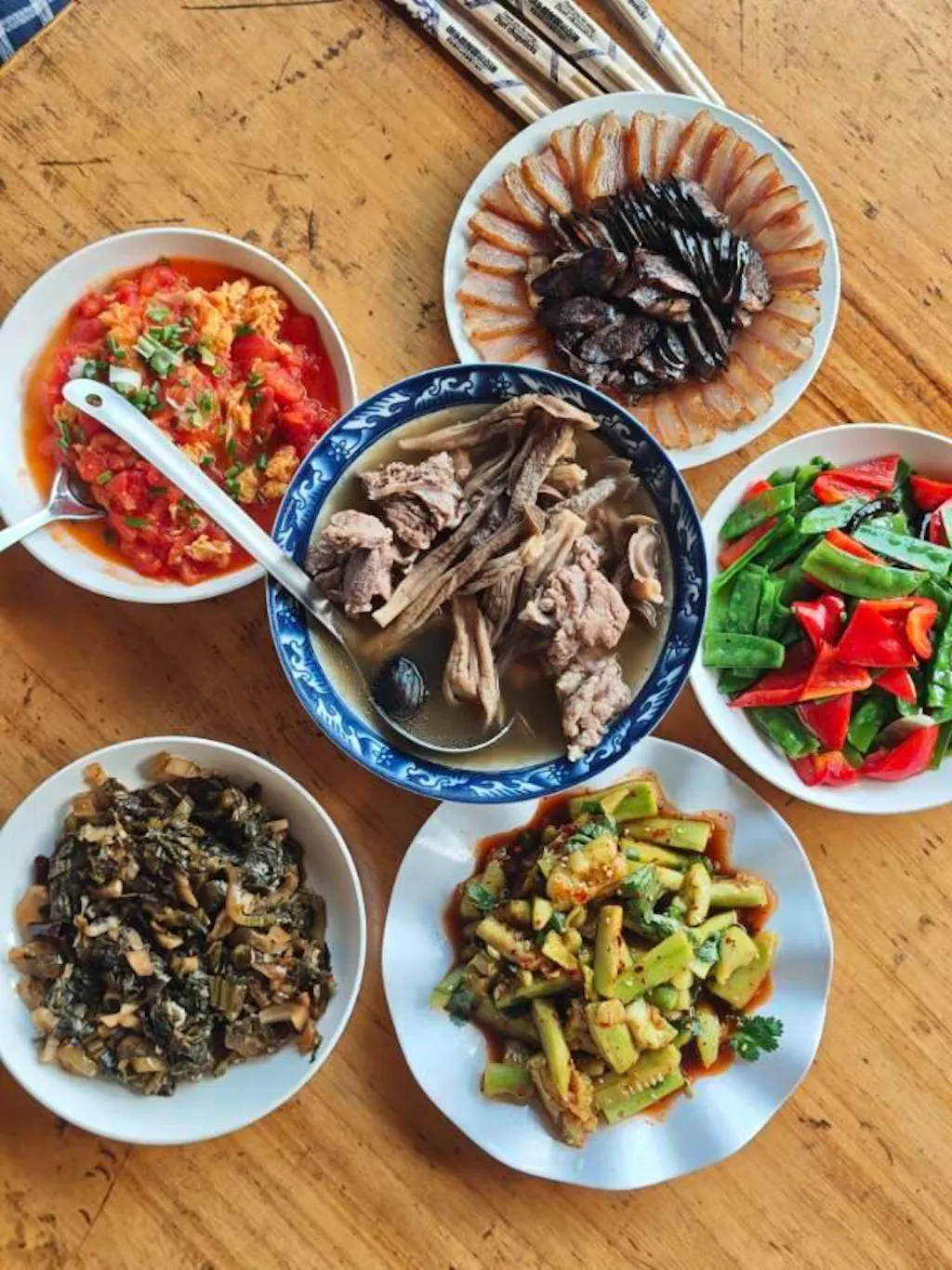
After the market, for lunch we will eat local braised snacks and small eats at the livestock trading market in the market square (cost split equally, affordable prices, you can order according to your preferences)

Return to Dali Old Town: 5:00 PM

Video recording date: 2026.5.18


For inquiries about the itinerary: please add the team leader's WeChat directly.

After booking, send the order to the team leader, who will add you to the itinerary group.

I’ve always wanted to properly record the days of market days in Yunnan because they are rich, interesting, like a window—through the market, you can understand a place, a local person, and life. In each part of my journey in Yunnan, I focus on routes from village markets to forests. What locals eat and wear, what grows in the forests.
But every time I go to the market, I get very excited. When excited, I have no mind to record, and when I calm down, I don’t know where to start because the daily details are so fragmented, busy, and rich.
We participated in two market activities, one in Fengyu and the other in Shangguan, each with its own characteristics and charm. Miao Street isn’t our first time there, but today it felt especially different. After returning, I thought I could try to record it. Write a detailed account of this short trip.
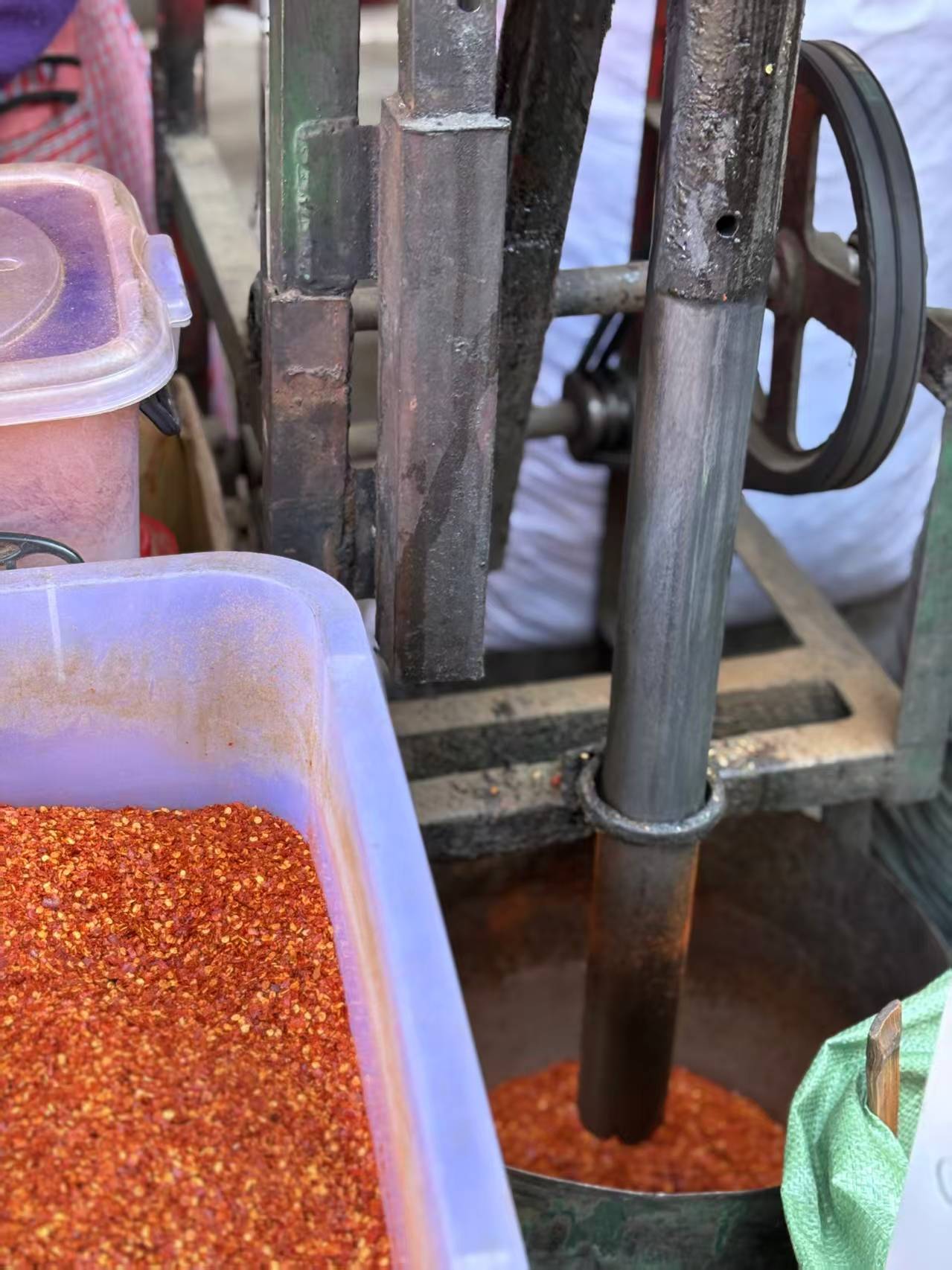
The first time I visited Miao Street market was before the New Year, in winter. Wang Wang and I each bought a cotton vest for 20 yuan, which I still really liked. Miao Street’s fermented black beans are famous, and chili peppers are one of the main ingredients for making fermented black beans. Since it’s chili season, the whole market is filled with the rhythmic pounding of chili peppers, 'dong dong dong,' like a rural market symphony unique to Miao Street. The people and scenes at the market are like a stage play.
Weihshan chili pounding machine
Today, visiting again felt different. Besides the lively market atmosphere, there was more tenderness and cuteness. From the live livestock trading area to daily life zones, from the bustling city to walking through ancient, abandoned villages, crossing the villages along the ponds, you can overlook the entire century-old village. Resting in the shade by the pond, it feels like a slow passage through time.
About the market
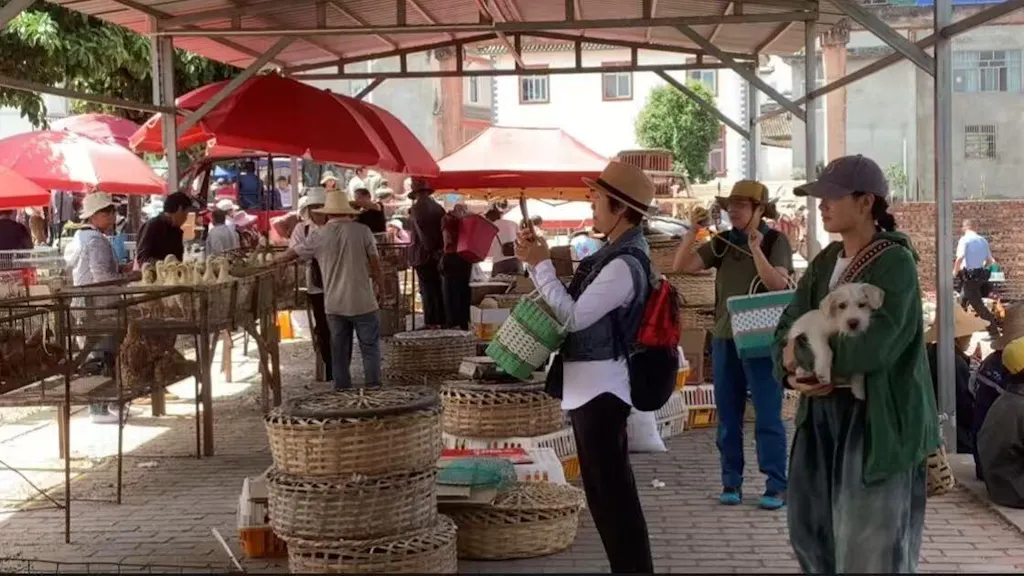
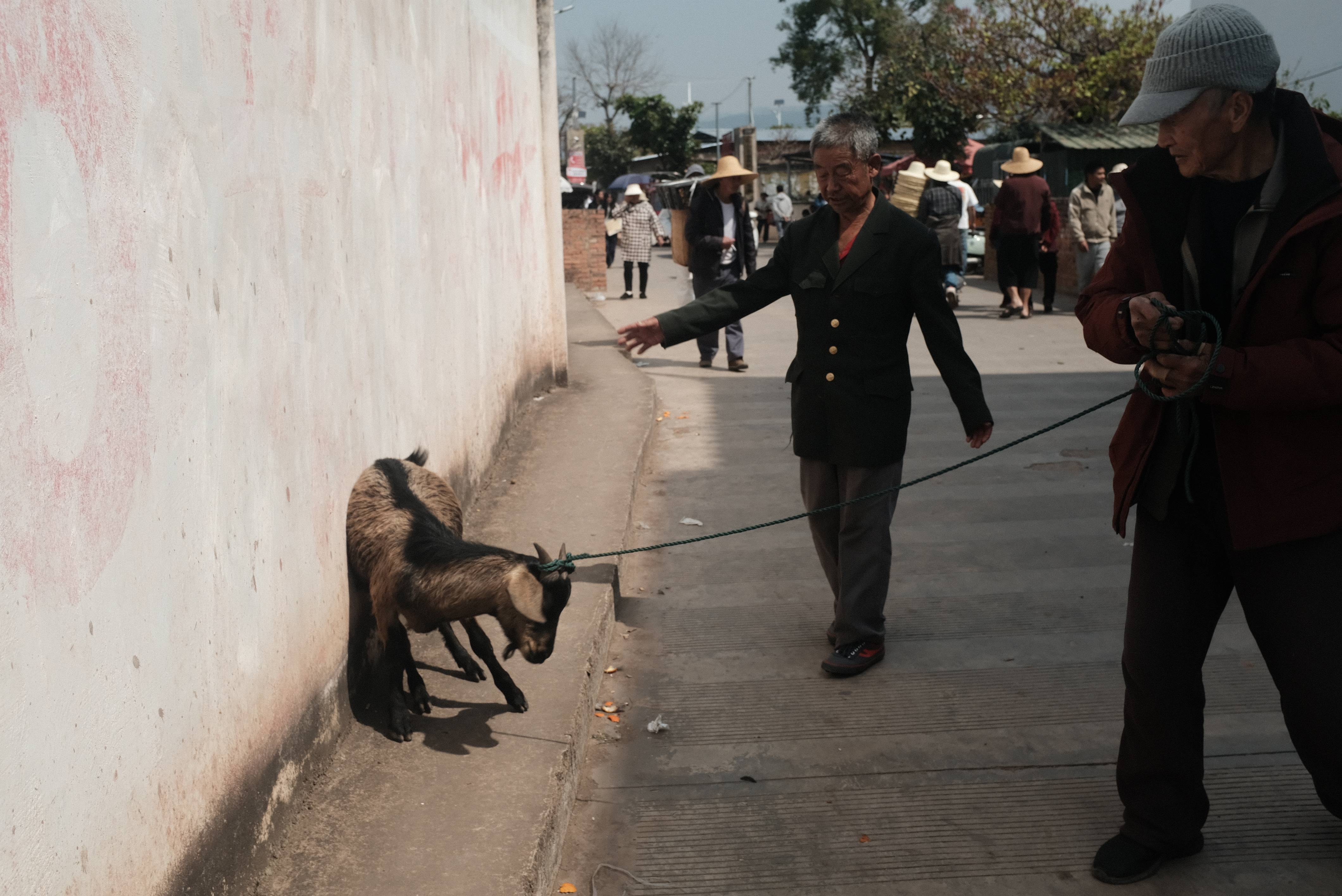
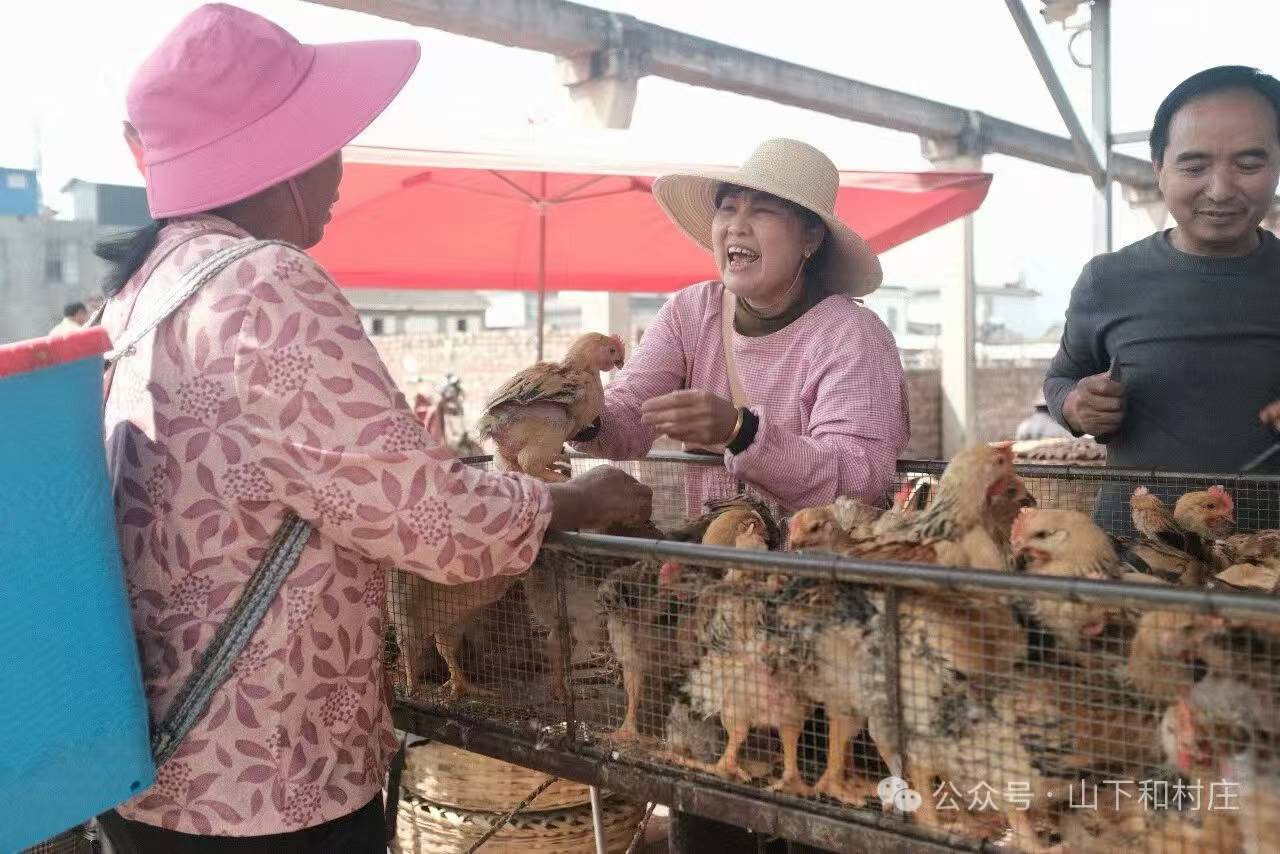
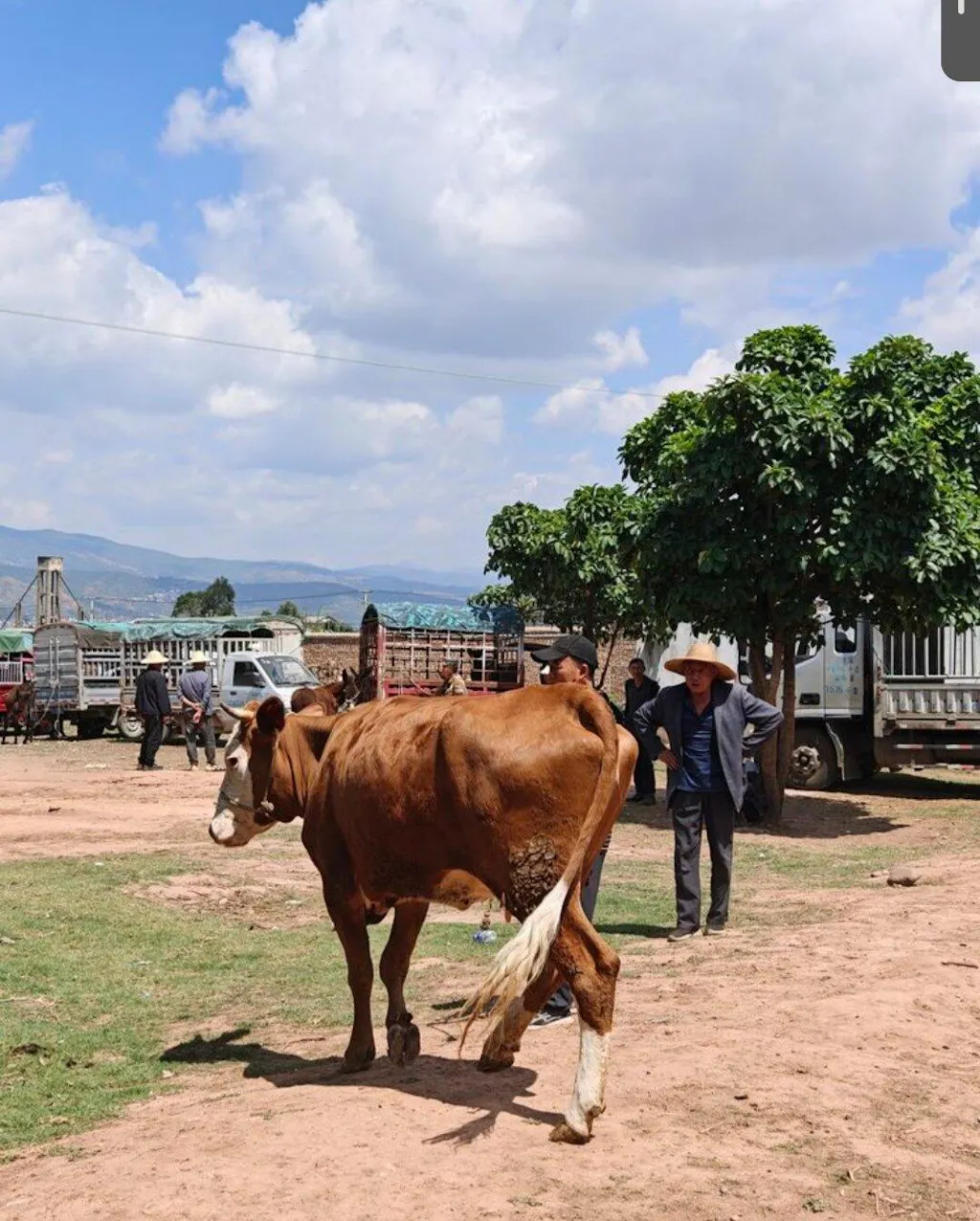
Actually, I’ve visited quite a few markets in Yunnan. The livestock trading areas mostly have cattle, sheep, pigs, chickens, and ducks. There are also cats, dogs, pigeons, rabbits, hamsters, and similar small animals. I saw a guy in Fengyu market leading a camel for sale. Haha, it’s rare to see camels sold in rural markets in Yunnan, but seeing so many donkeys and mules in the town markets was a first for me. Vendors greeting customers, buyers happily bargaining—adding a live animal to the family always feels like a celebration.
The stubborn little lamb just bought and unwilling to leave (like my stubborn self).
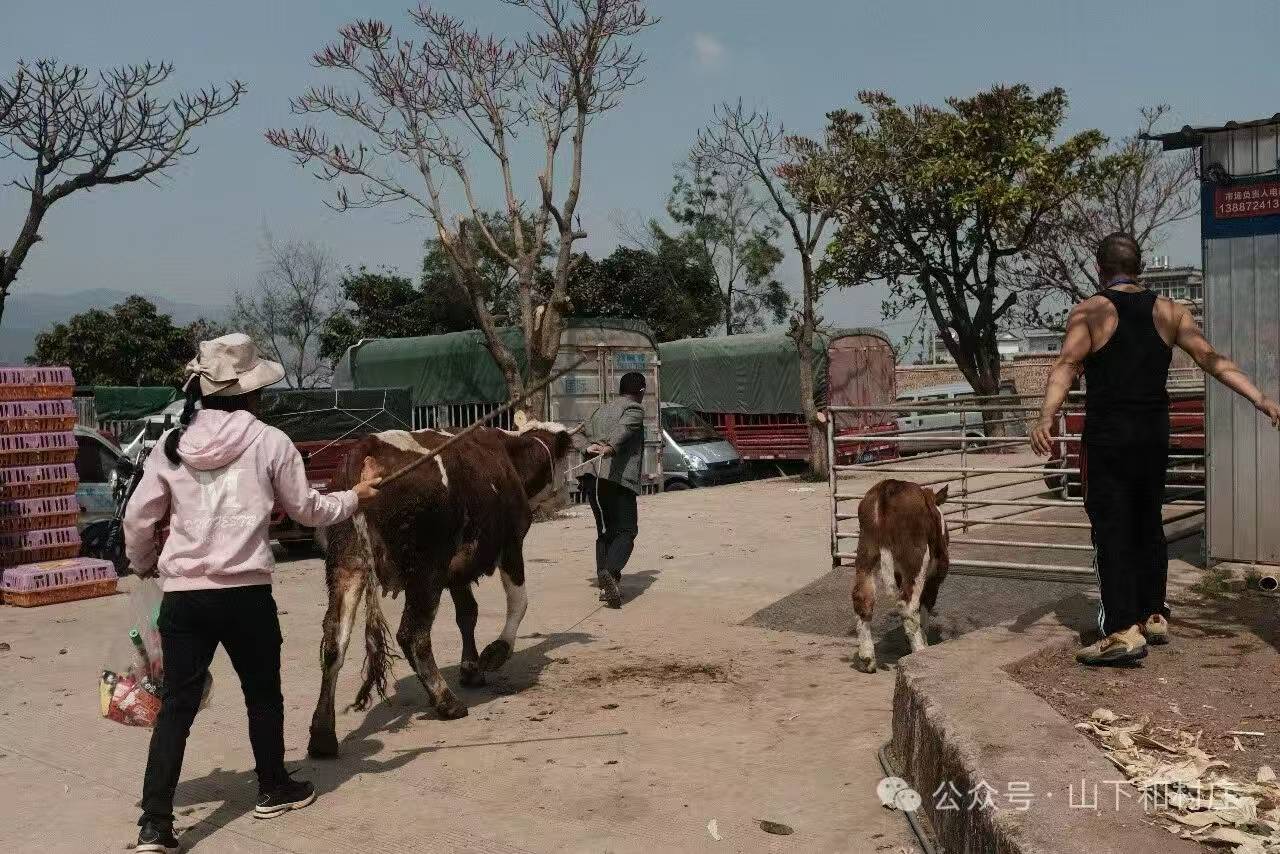
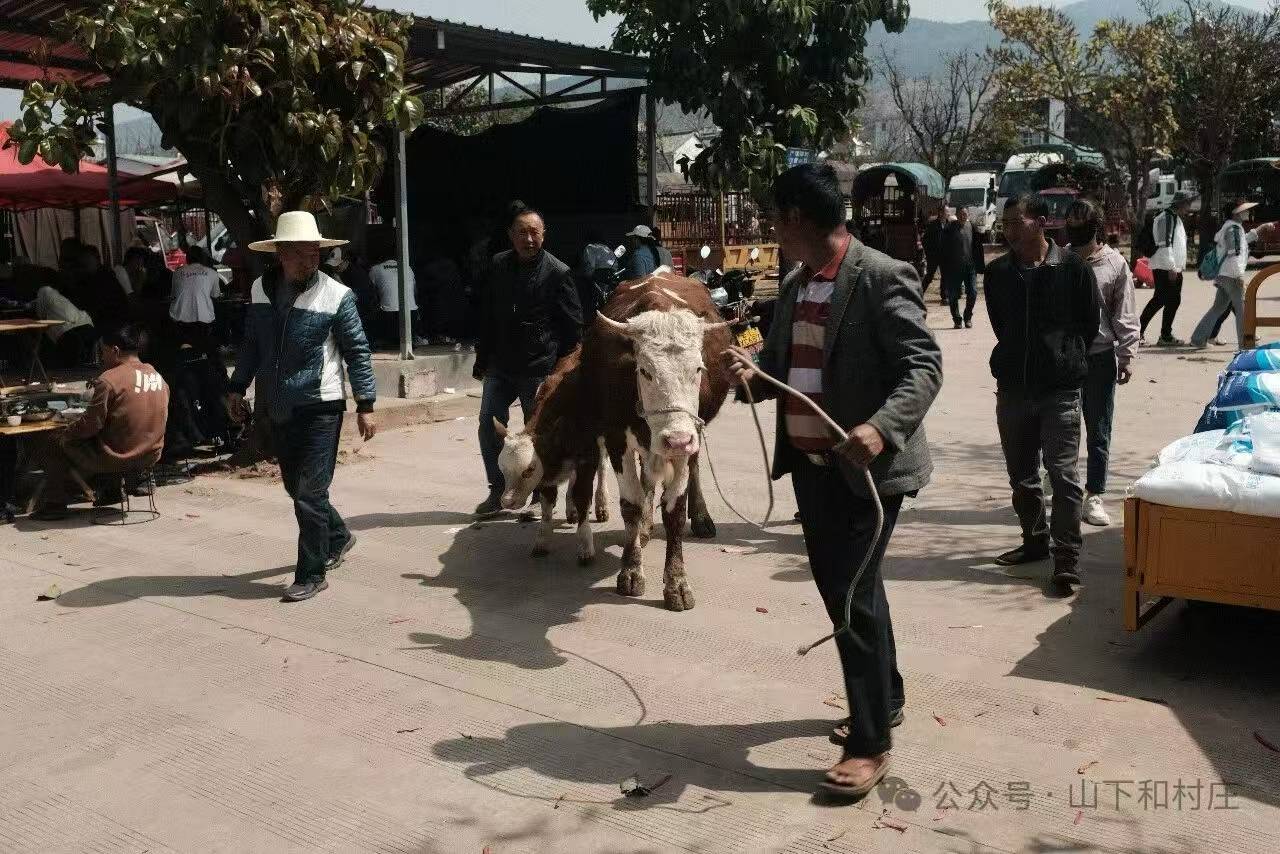
The cow mother and her calf for sale, being led by the owner to a potentially more marketable spot.Placement.
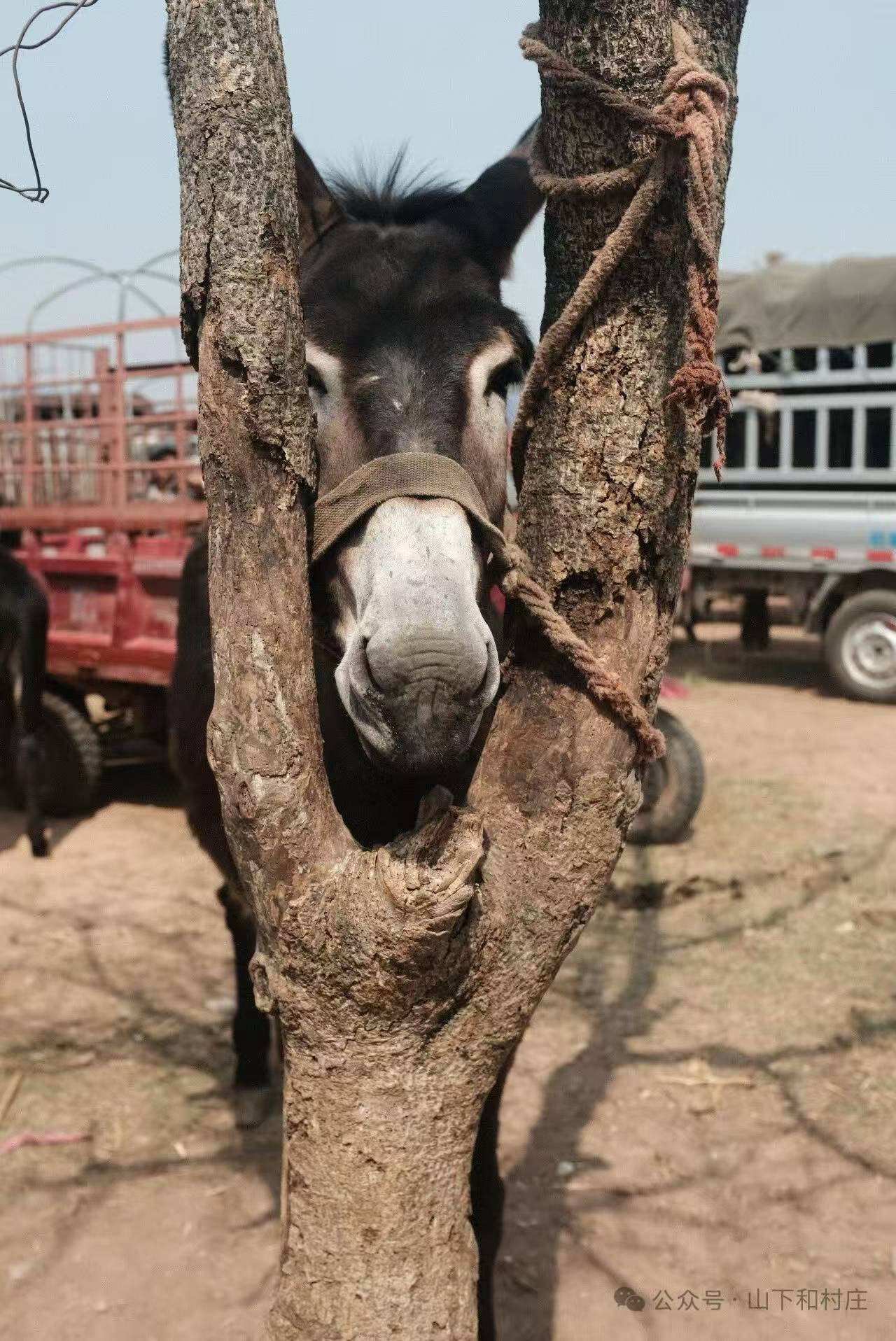
A mule caught in tree branches
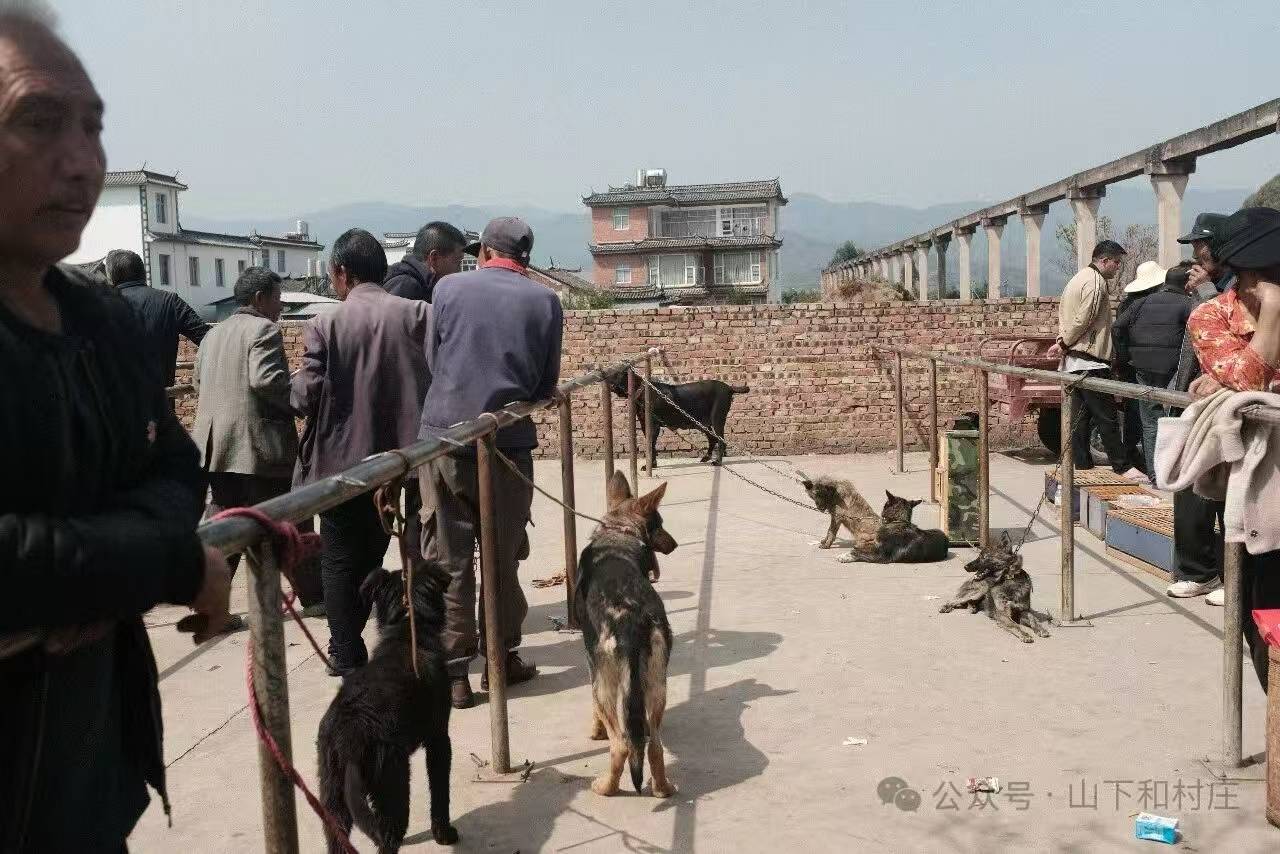
The most organized professional dog-selling area, with several rows of neat iron bars.Dog parking lot, dog resting area.A row of mixed local dogs of various breeds, some mixed with other breeds.
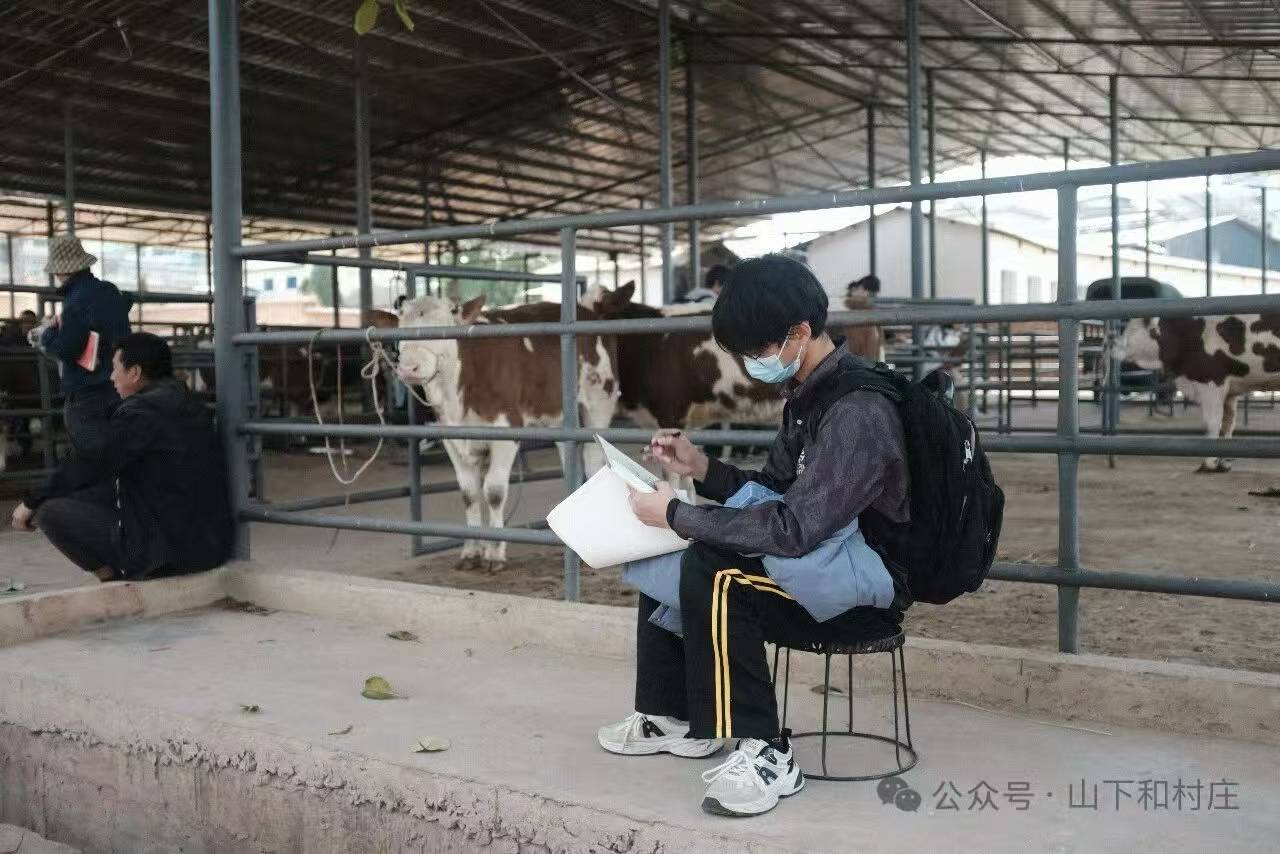
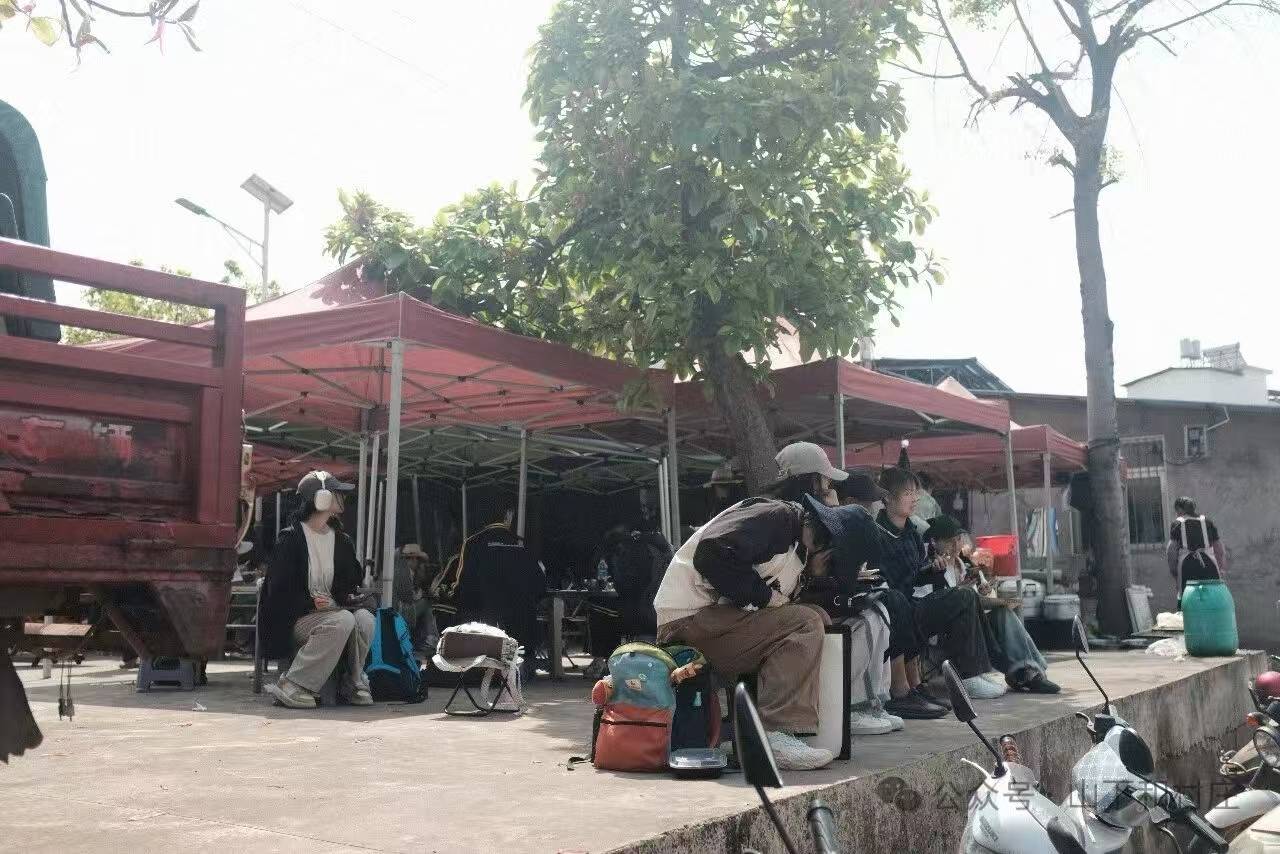
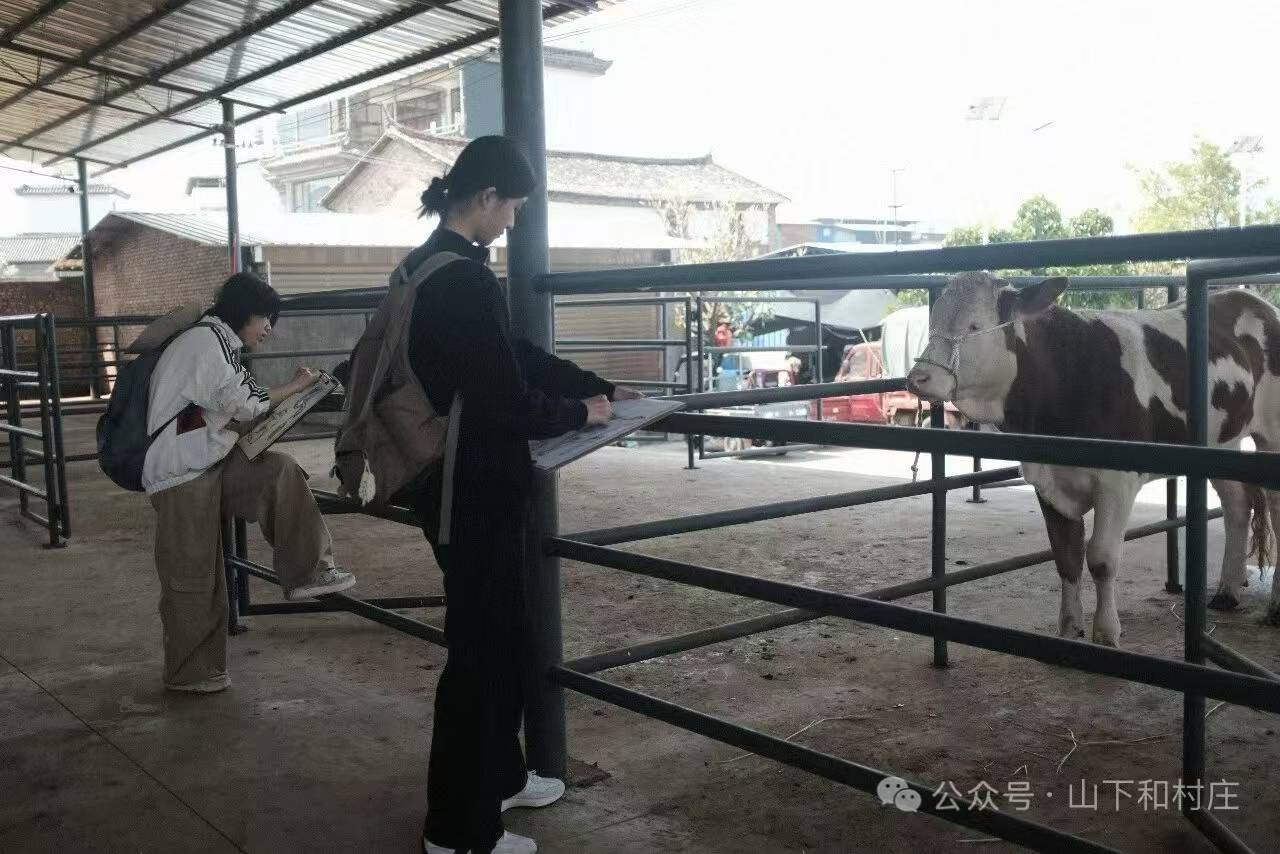
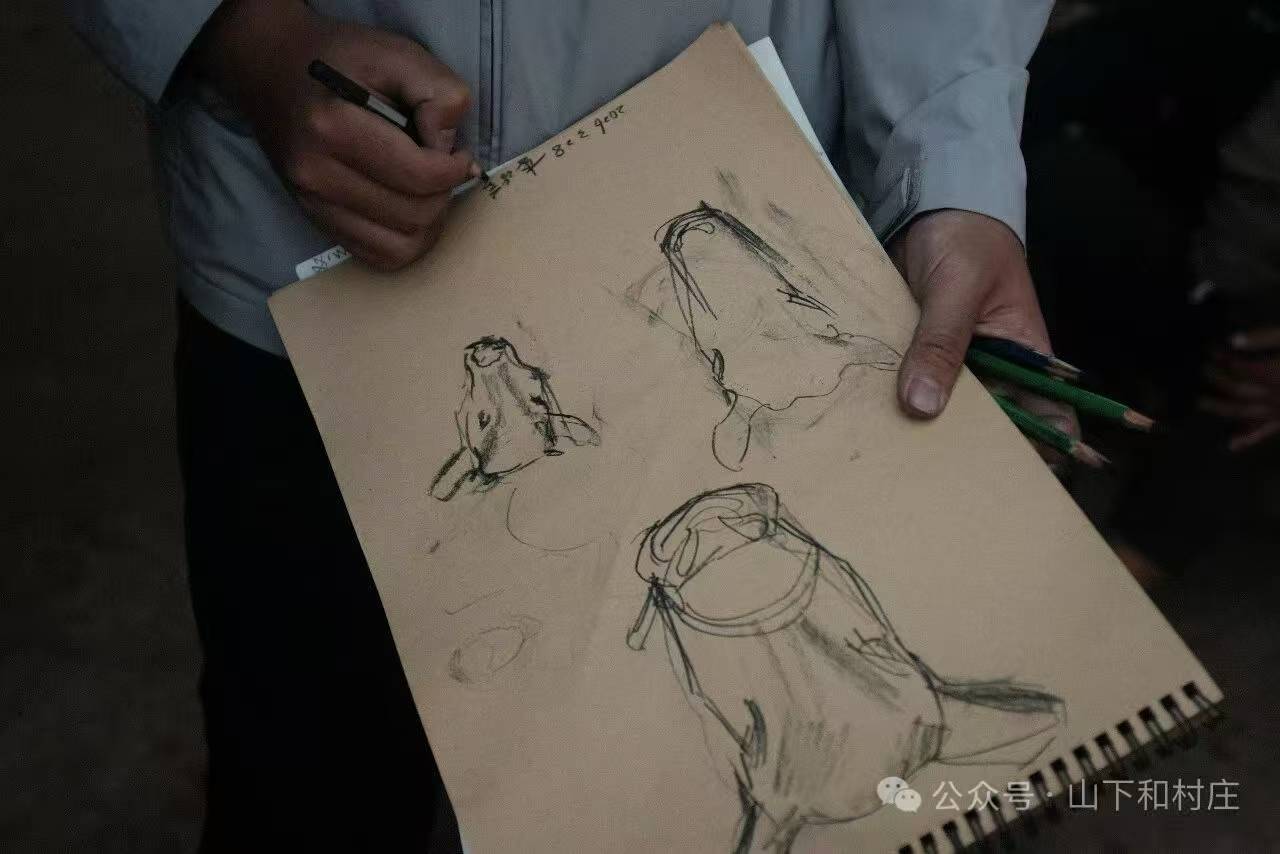
Accidentally met a group of high school students from Guangzhou doing sketching and their drawings. They were near the cattle shed and along the market road.
Sister Gao and Li will take a chick home today.
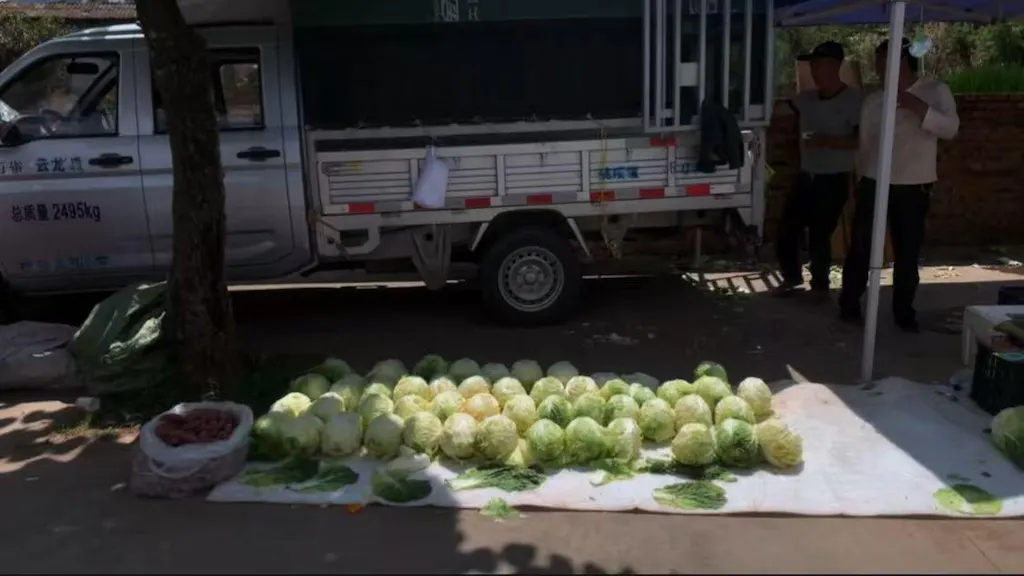
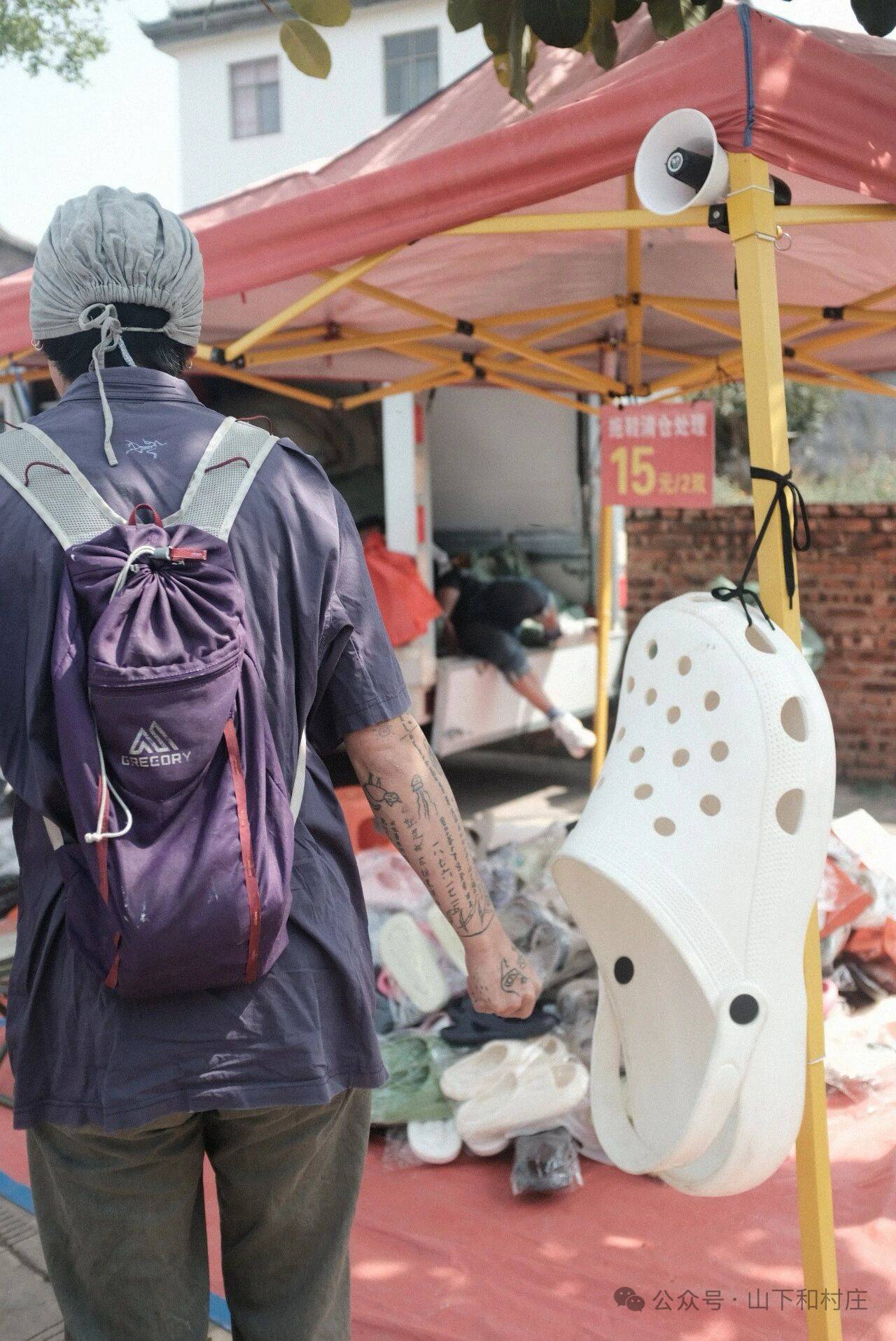
In markets where few outsiders appear, shoes and clothes may not be displayed beautifully; they might be piled on fabric-covered ground, on makeshift wooden boards, or in the back of a small truck. Even if some stalls are neatly arranged, they don't look as glamorous as city goods, but there are still many customers coming and going.
Village markets are often like this too. All the goods don't look like typical products; they are the practical 'things' I might need at home. Growing up in rural areas, every household had furniture related to eating, dressing, and daily needs — from doors, wardrobes, chairs, to pots and pans, and small tools for repairing furniture like pliers and wires, sewing threads, and old patches. Nothing was replaced unnecessarily. The scattered, cluttered items at the market resemble those essential, practical 'things' that appear at home — indispensable, functional, but not decorative.
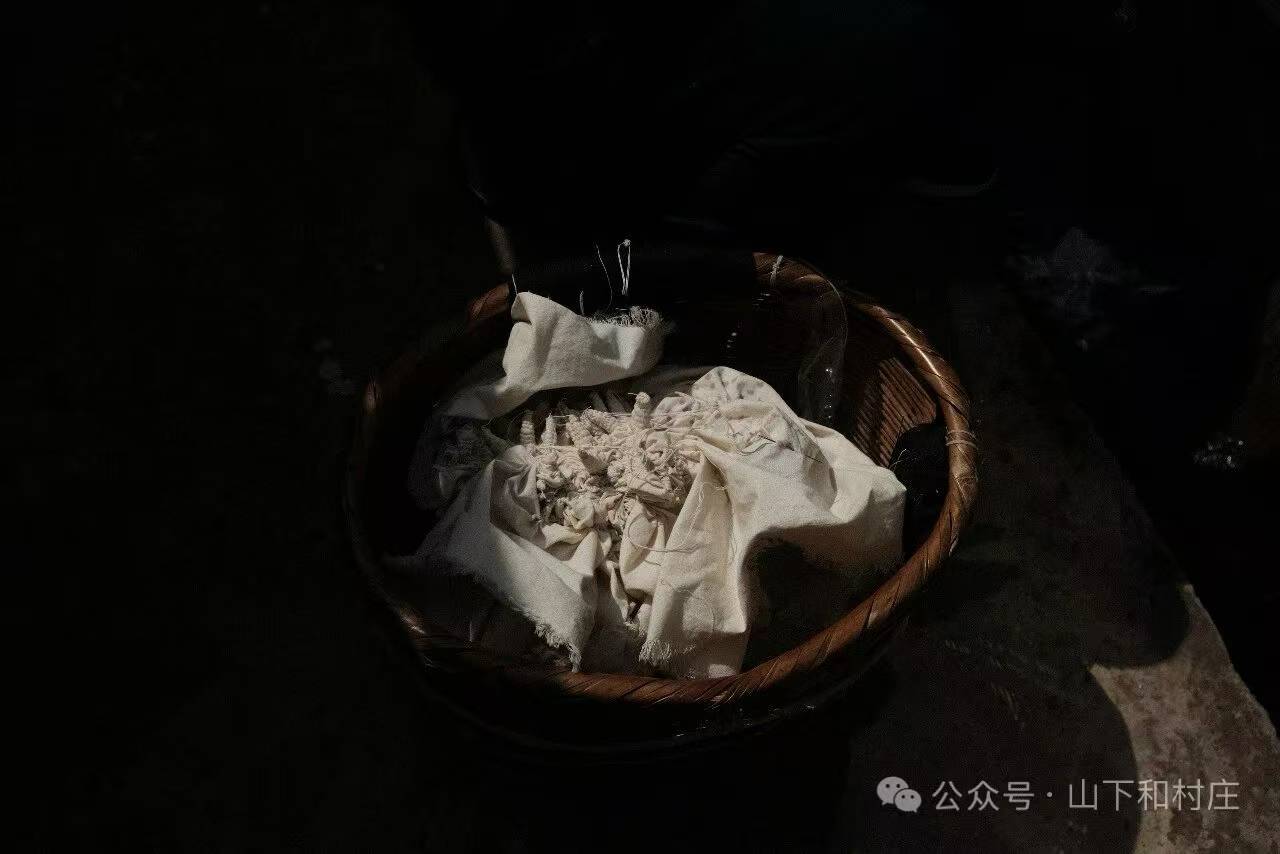
Half-dyed tie-dye fabric by Niang
Two pairs of holey shoes for 15 yuan; we lingered at this stall for a long time.
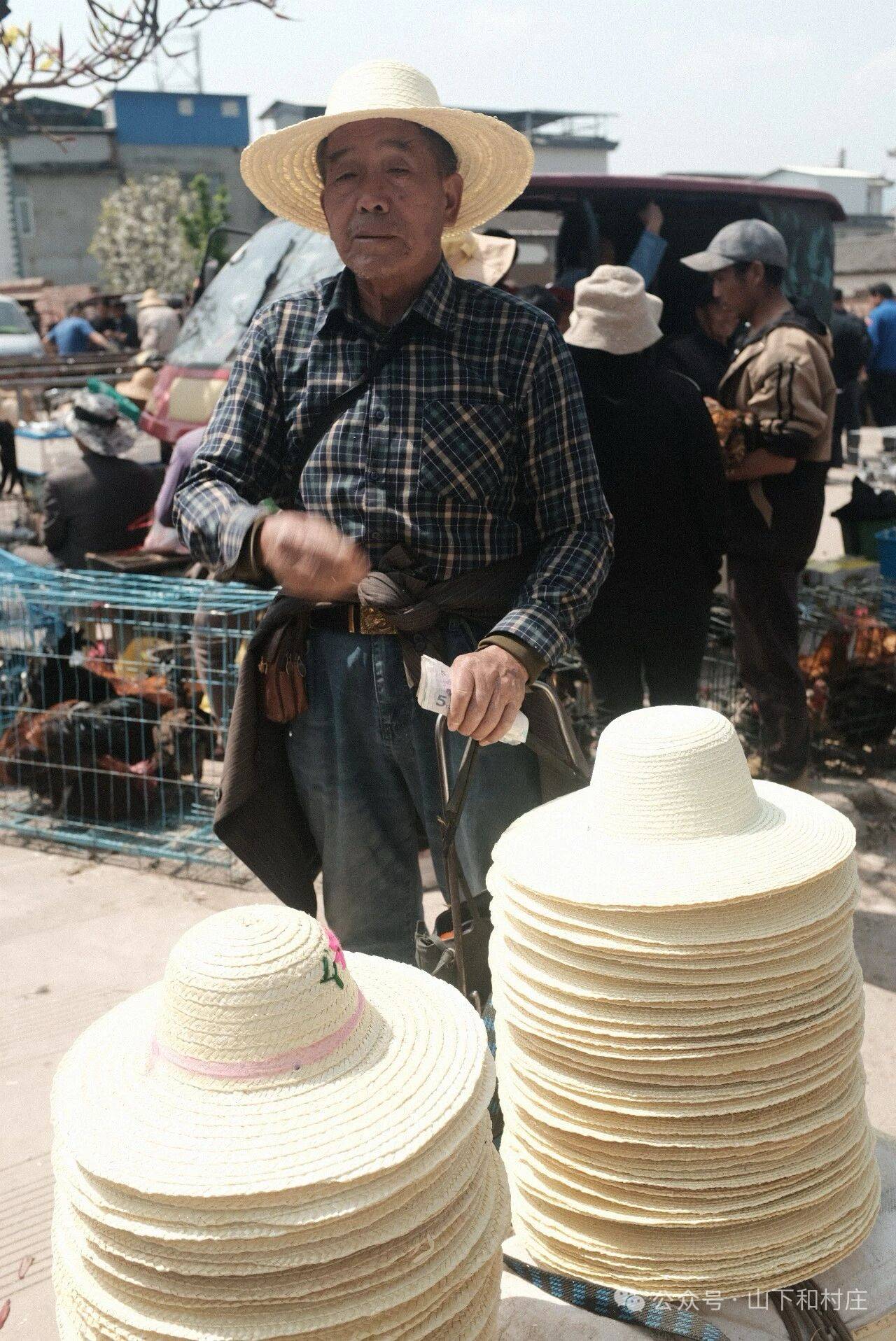
Uncle selling hats
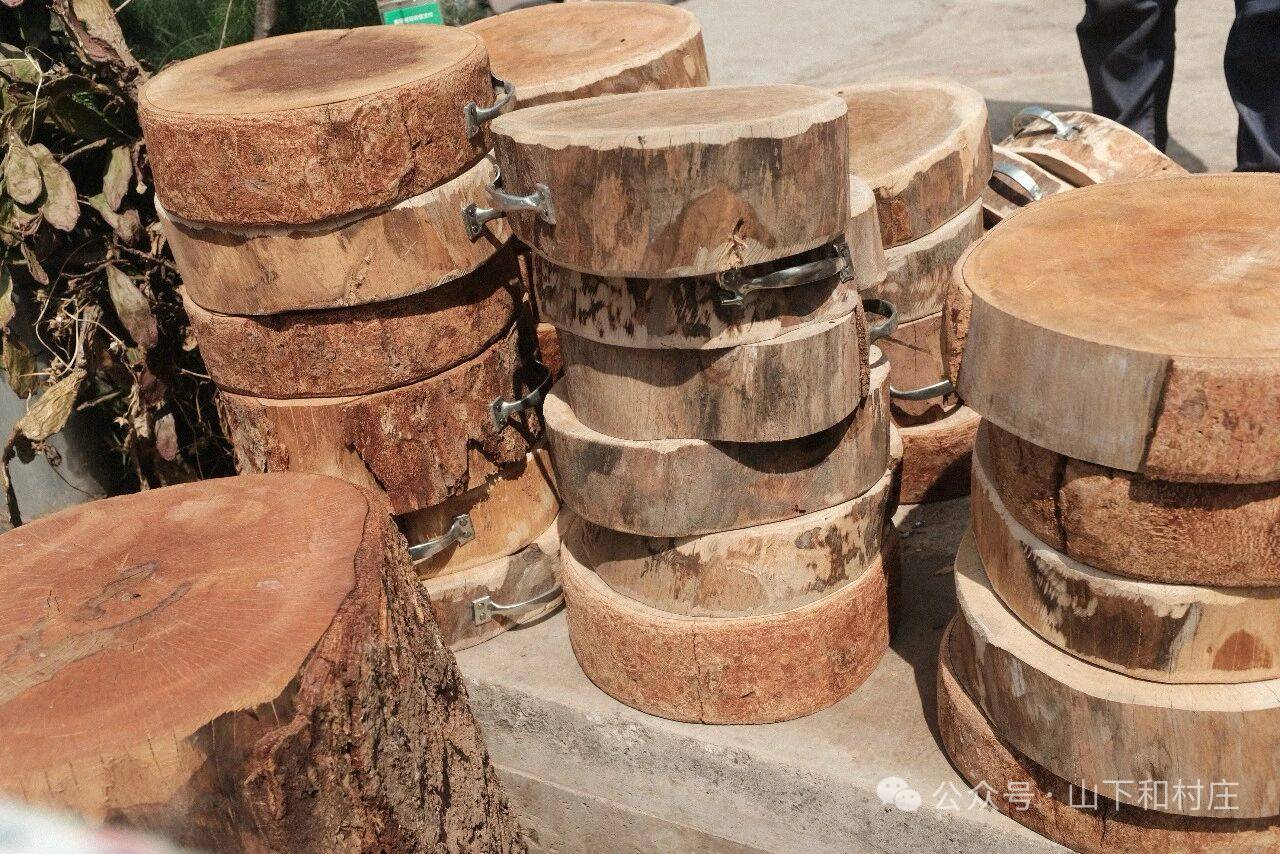
Cherry wood cutting board. I really like this kind of cutting board — it feels solid and reliable, like it can accompany me for most of my life. In March, we traveled from Qiandongnan to Qianxinan in Guizhou, visiting markets along the way. We brought back a camphor wood cutting board from the market. I was so happy when I got it; it made life feel more grounded and secure. This is a personal emotional attachment to objects, haha. Besides the uniqueness and interest, another reason I like going to markets.
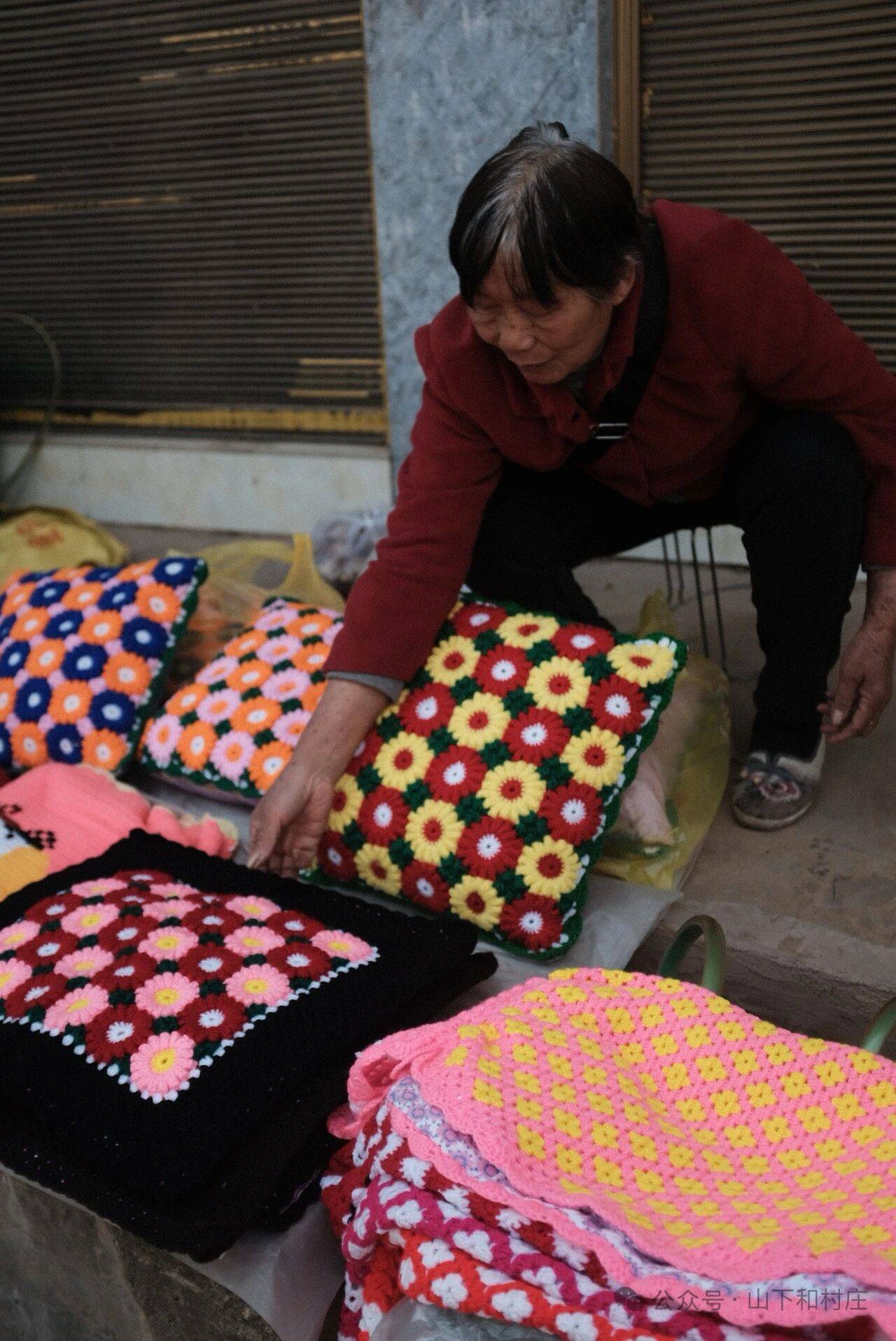
Self-made cushions and shoes by A Niang
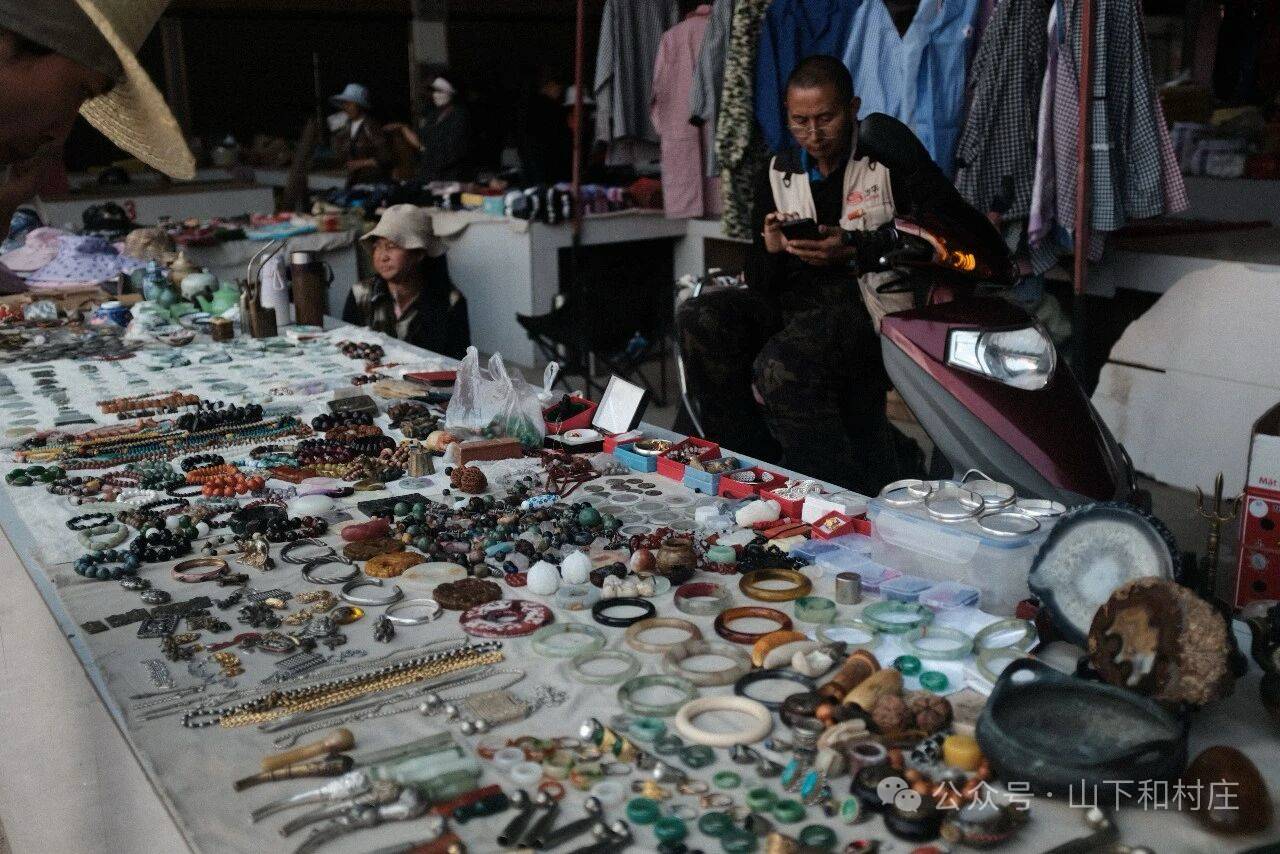
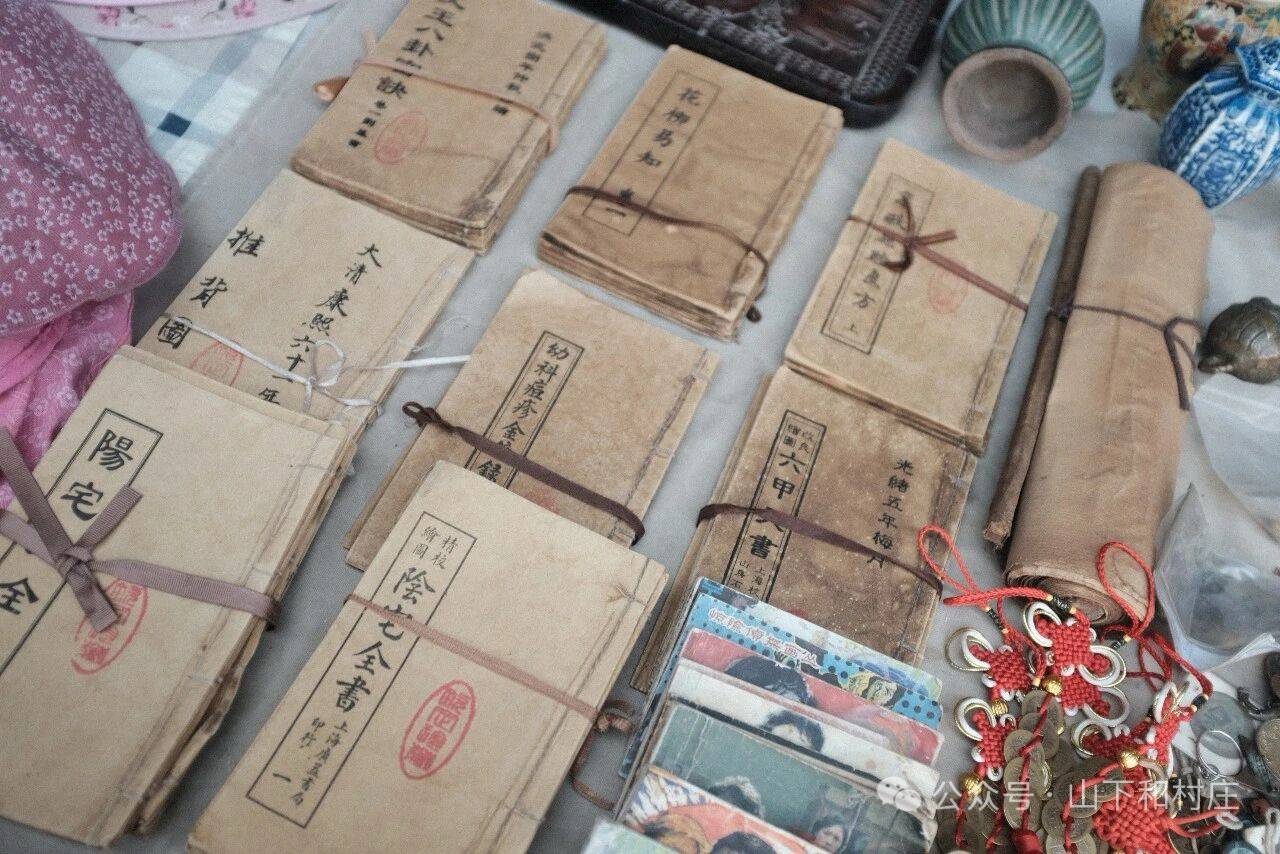
The mini local 'Panjiayuan' market mostly sells similar items, but I still can't resist going to see what strange and interesting things are available.
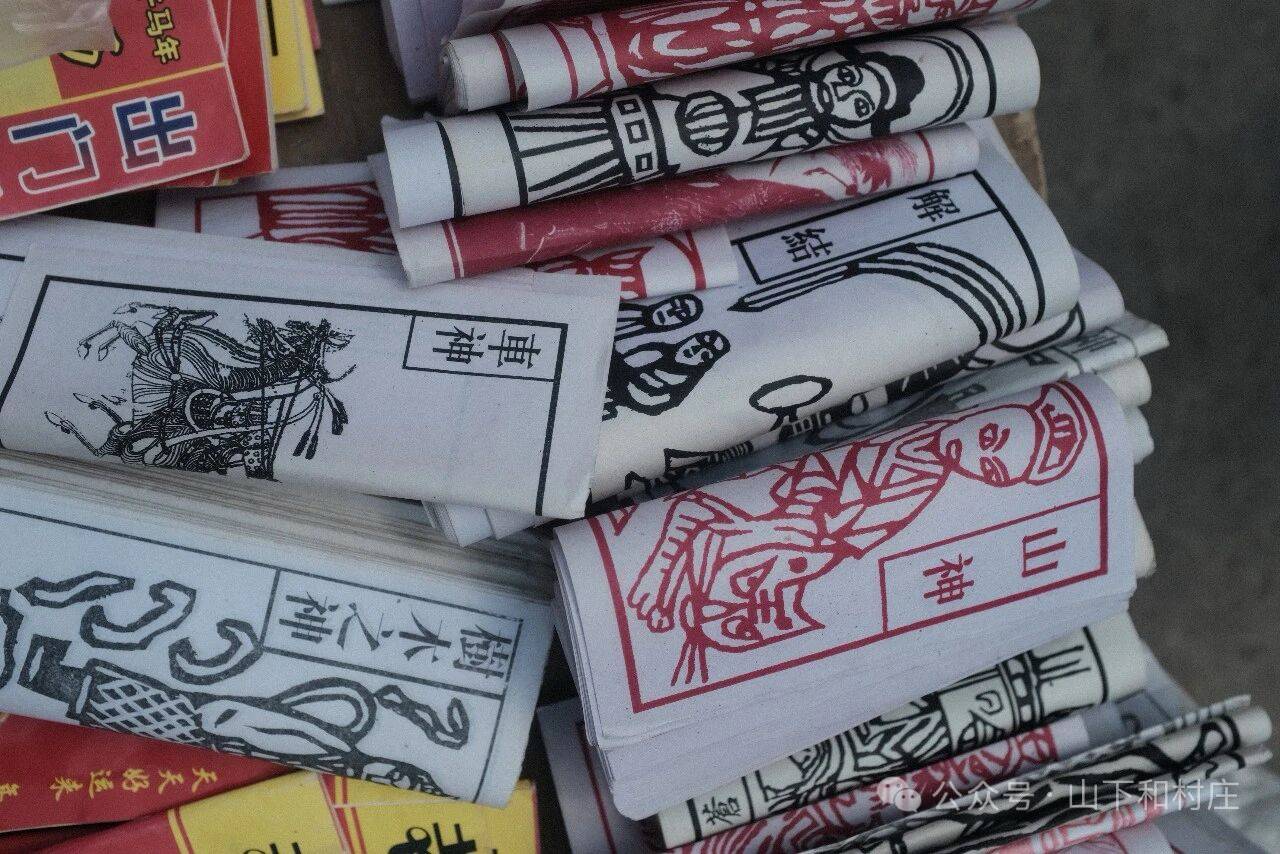
A set of甲马 (a traditional toy or craft item) costing 2 yuan per set, with four or five pieces per set. You choose, I picked a few.
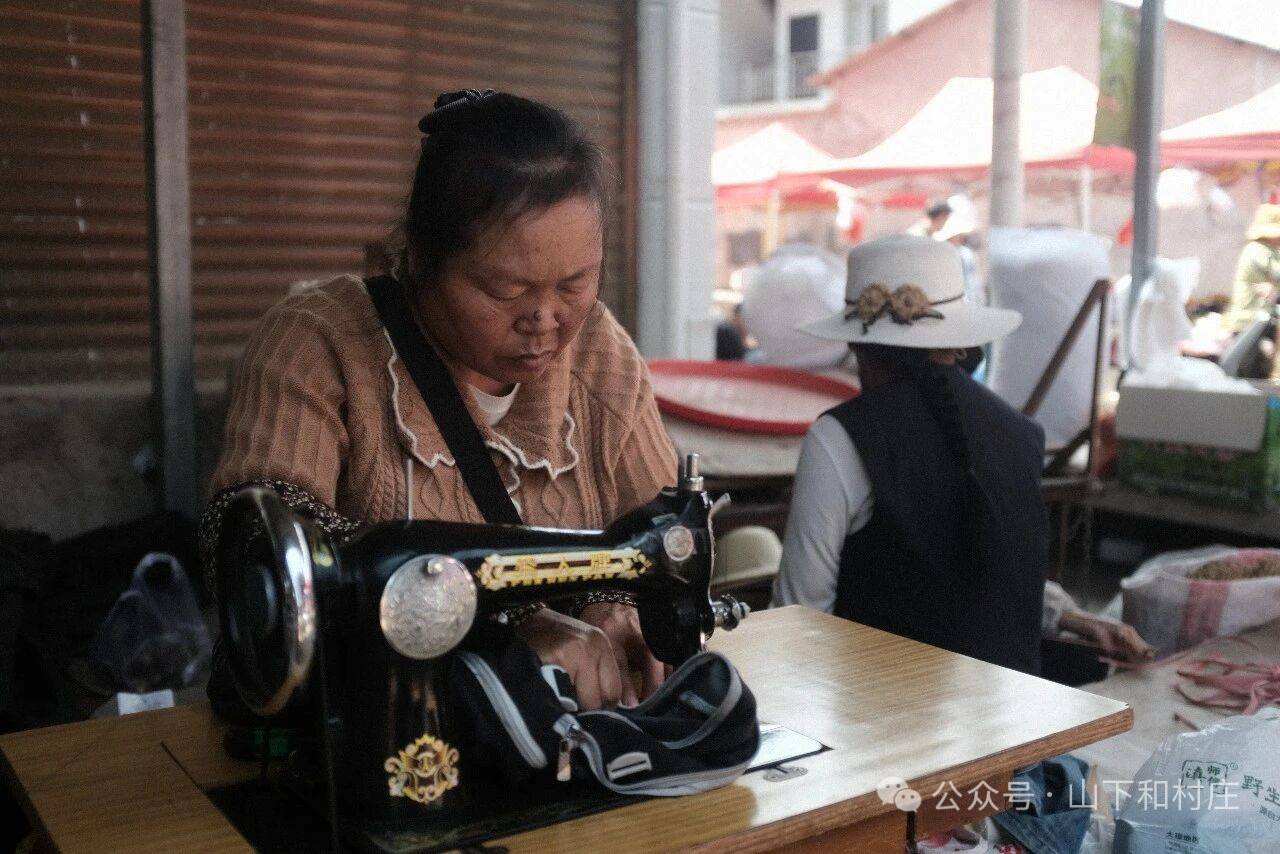
Sewing sister, after living in the city for a long time, almost forgot about it. All childhood items were repaired and patched up over the years. When something broke — buy it; when I didn't like it — buy it; forgot there was sewing and mending. After moving to Dali, it became a habit. It wasn't until Yanzi moved next door to the studio that I realized sewing and mending could be quite fun. It made me remember that whenever something is broken, I first think of repairing and patching it.
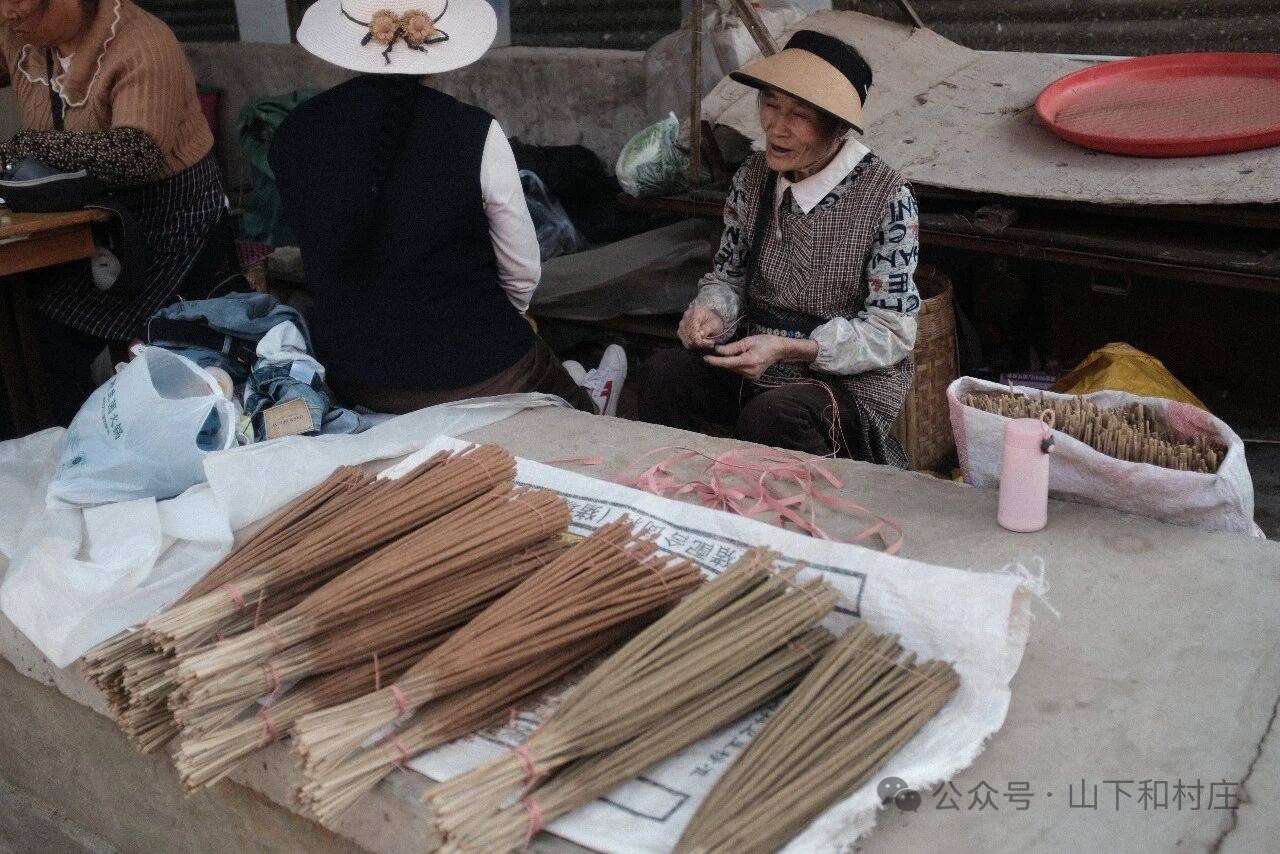
Sister selling incense, locals burn incense at the door on the first and fifteenth days of the lunar month. Elderly people mostly make their own incense using pine, cypress, and mugwort. Those who don't want to make it buy it at the market.
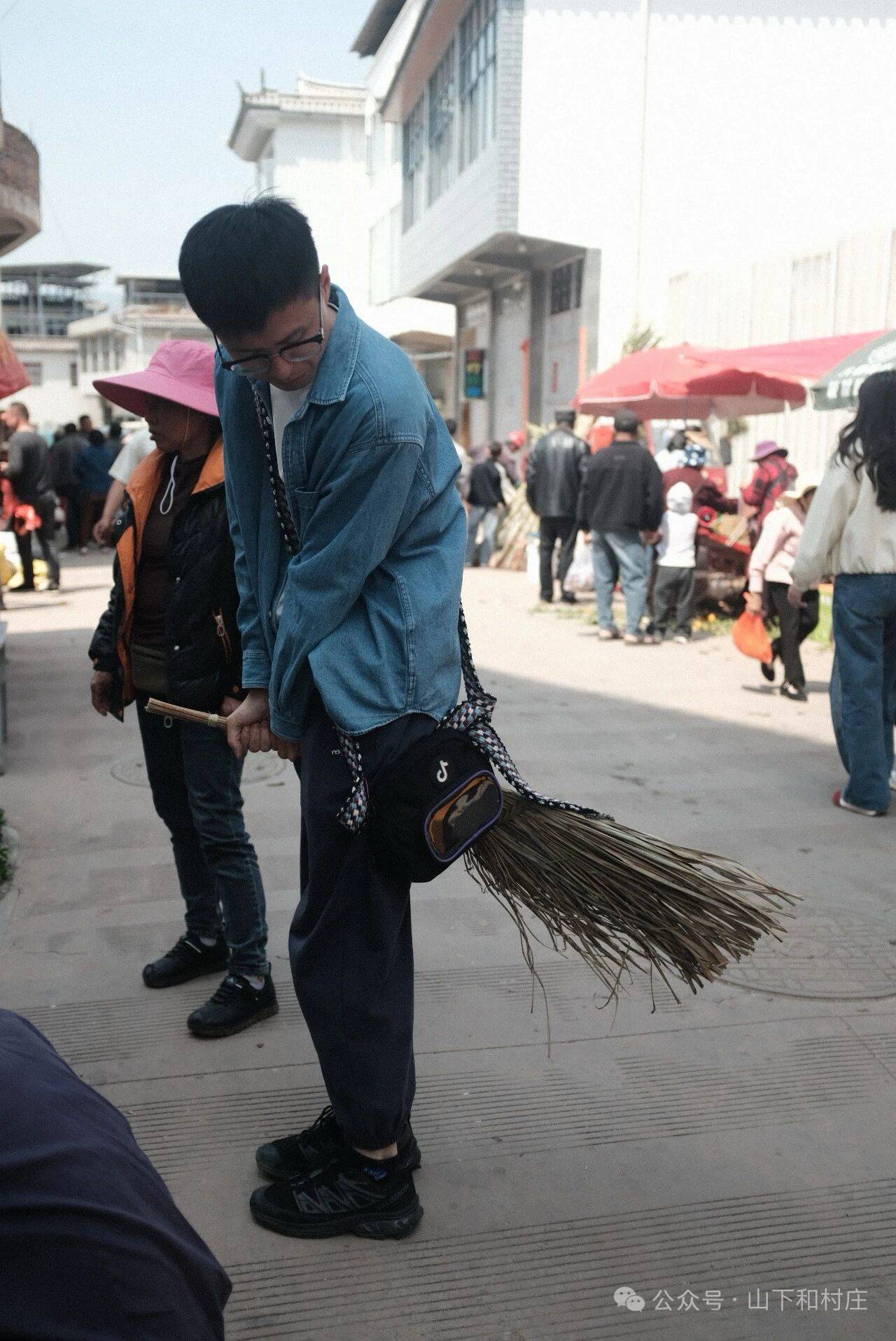
Wang Wang and the 'magic broom' he encountered
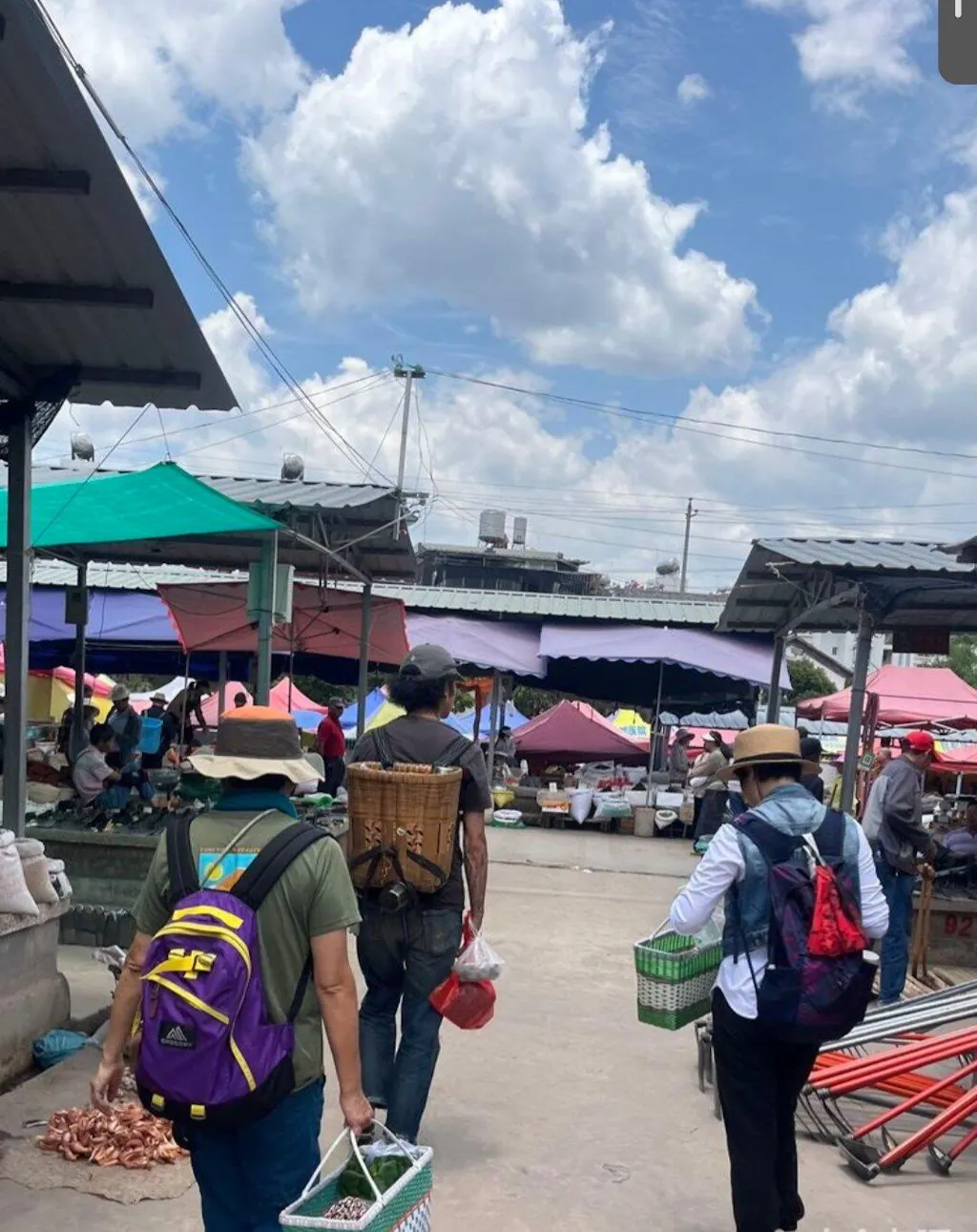
The market is a labor-intensive activity; it lasts a whole day, but you won't go hungry there. Market-goers usually have lunch at the market, with large food stalls and various snacks and fruits. It is also my main shopping battlefield. After frequent visits, I understand what the land looks like, how to eat wild vegetables and medicinal herbs, what is available in different seasons, and there are things I haven't seen before.
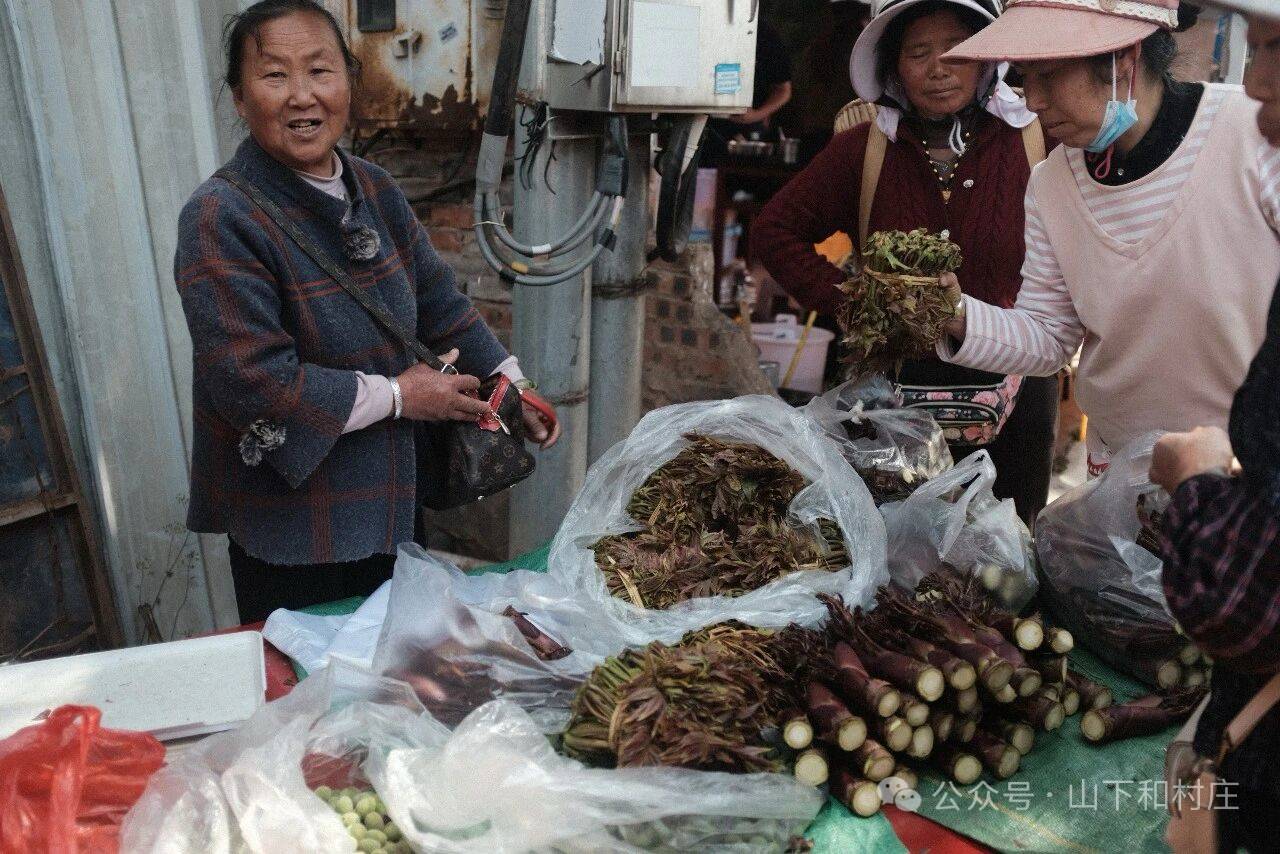
Fresh刺老包 and fragrant horn are symbols of spring.
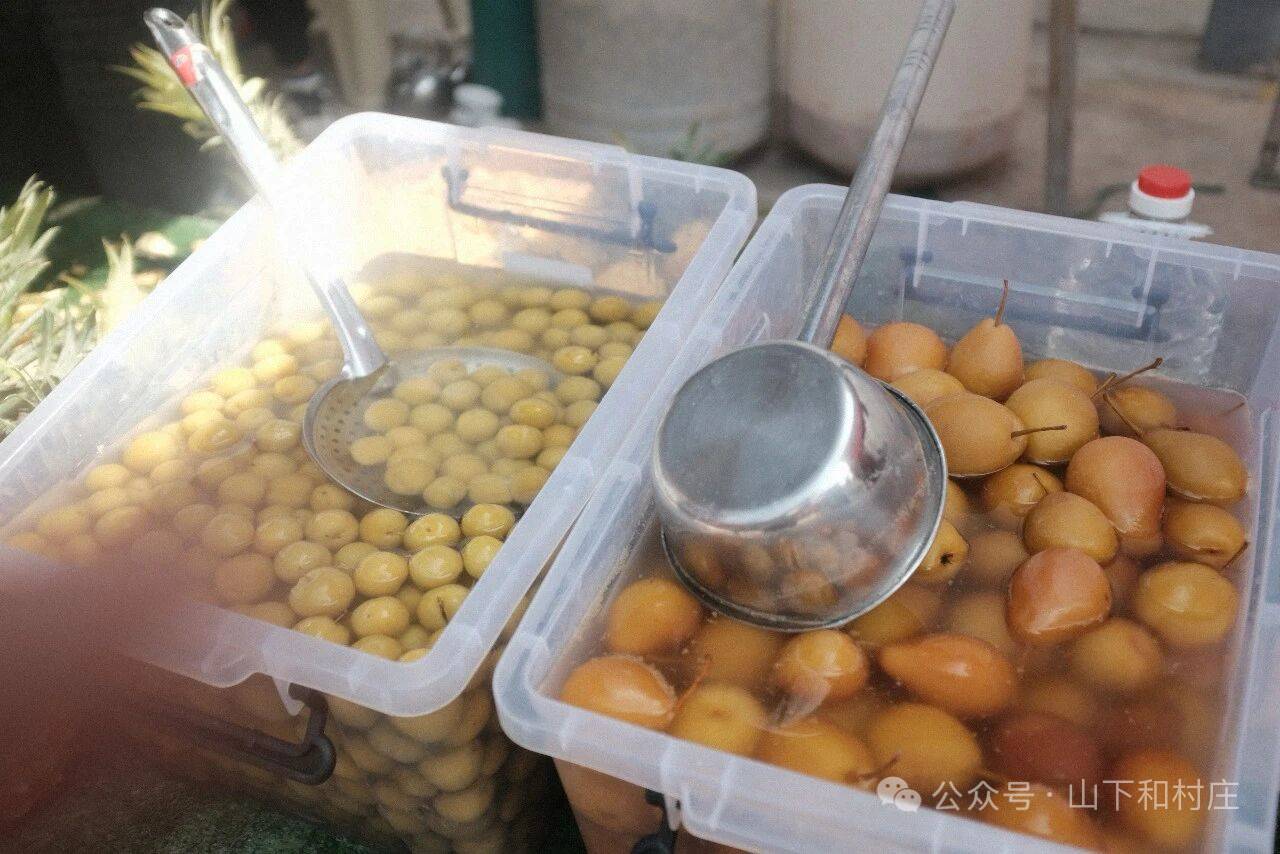
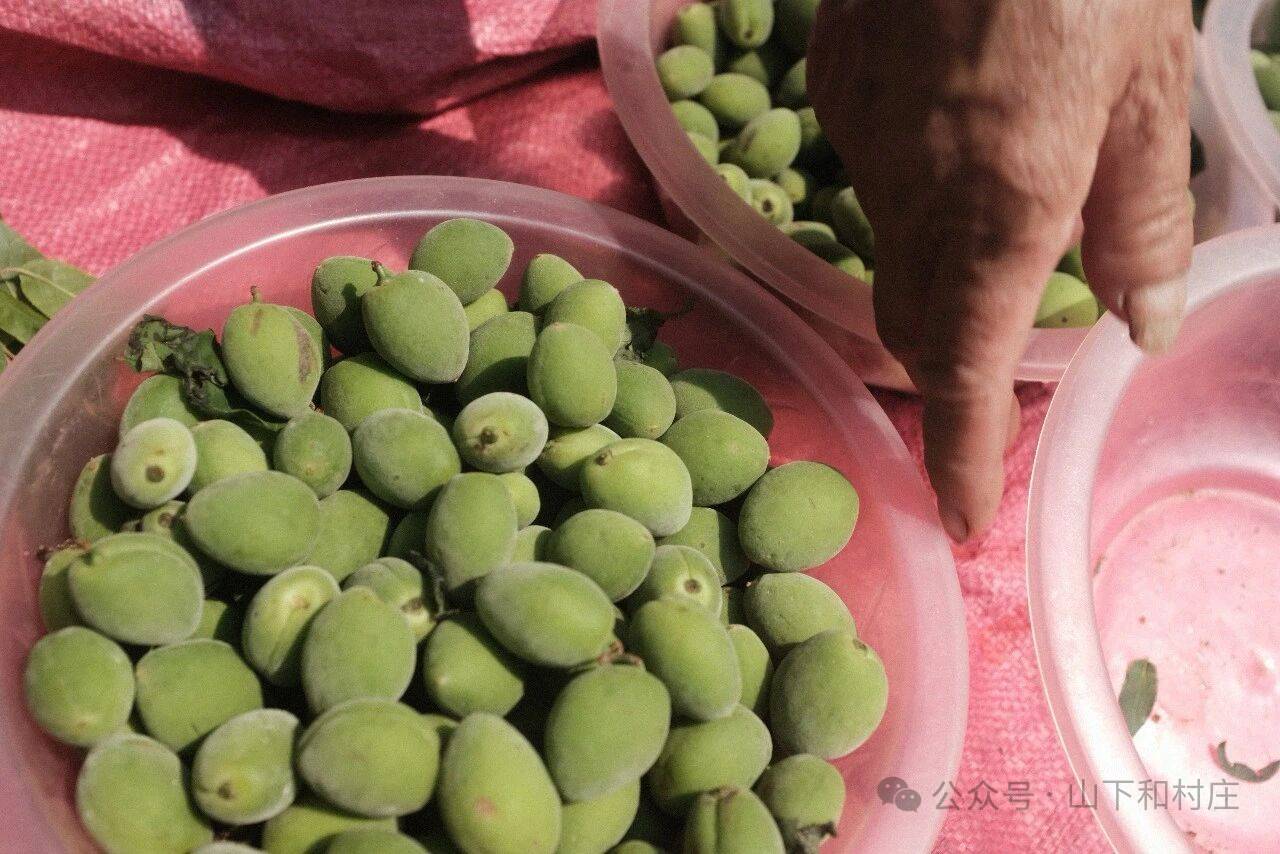
Yunnan-produced green plums, so almost every market can be seen with pickled plums and pickled pears.
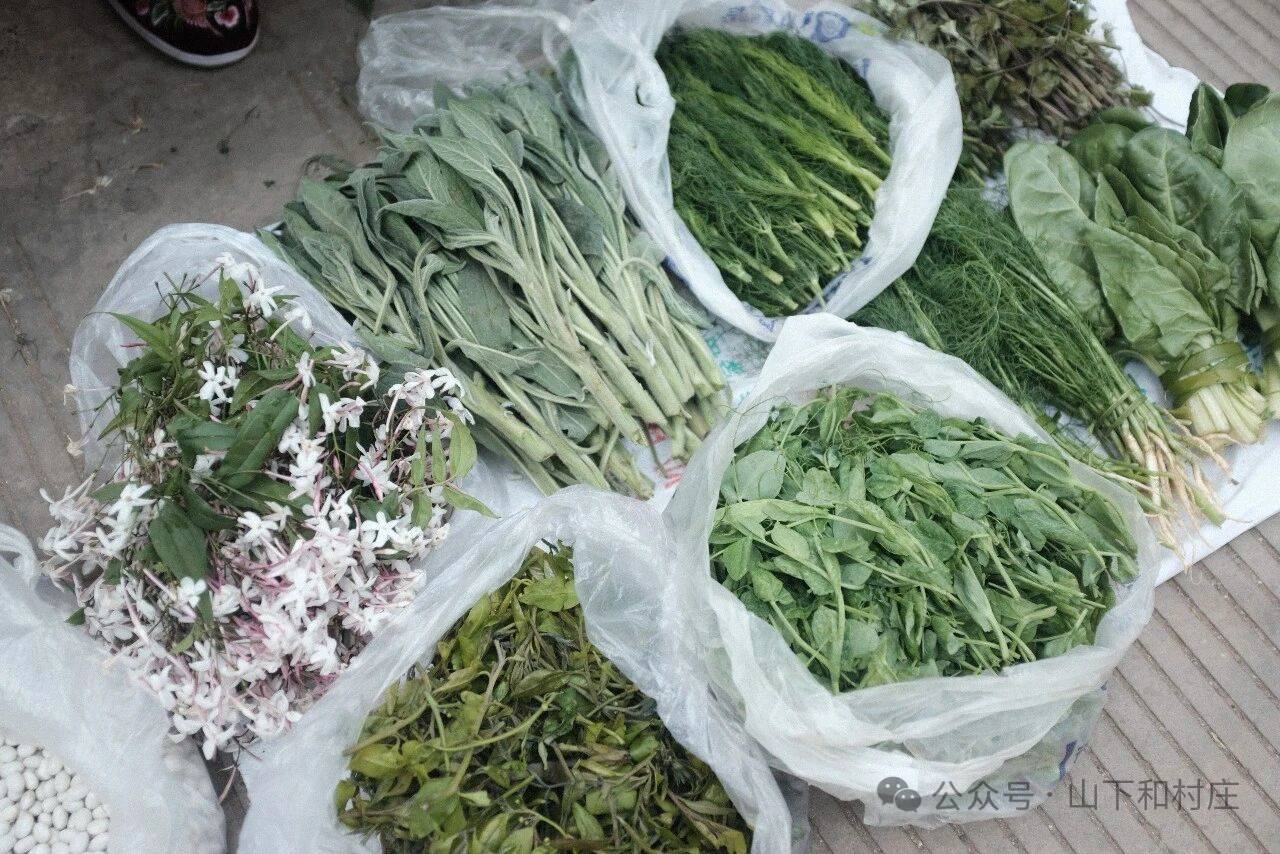
Aniang's stall doesn't have many items, only two or three kinds of home-grown greens, mostly wild herbs and flowers, including osmanthus flowers and fleabane (I read in a book that fleabane has medicinal uses; it's the first time I see it sold as medicine locally), picked green刺尖.
The unripe green plum babies, Wang Wang says he loves to eat them because they are sour and astringent. I think they are similar to American-style ones. If you really want to eat, dipping them in chili powder might make them even tastier.
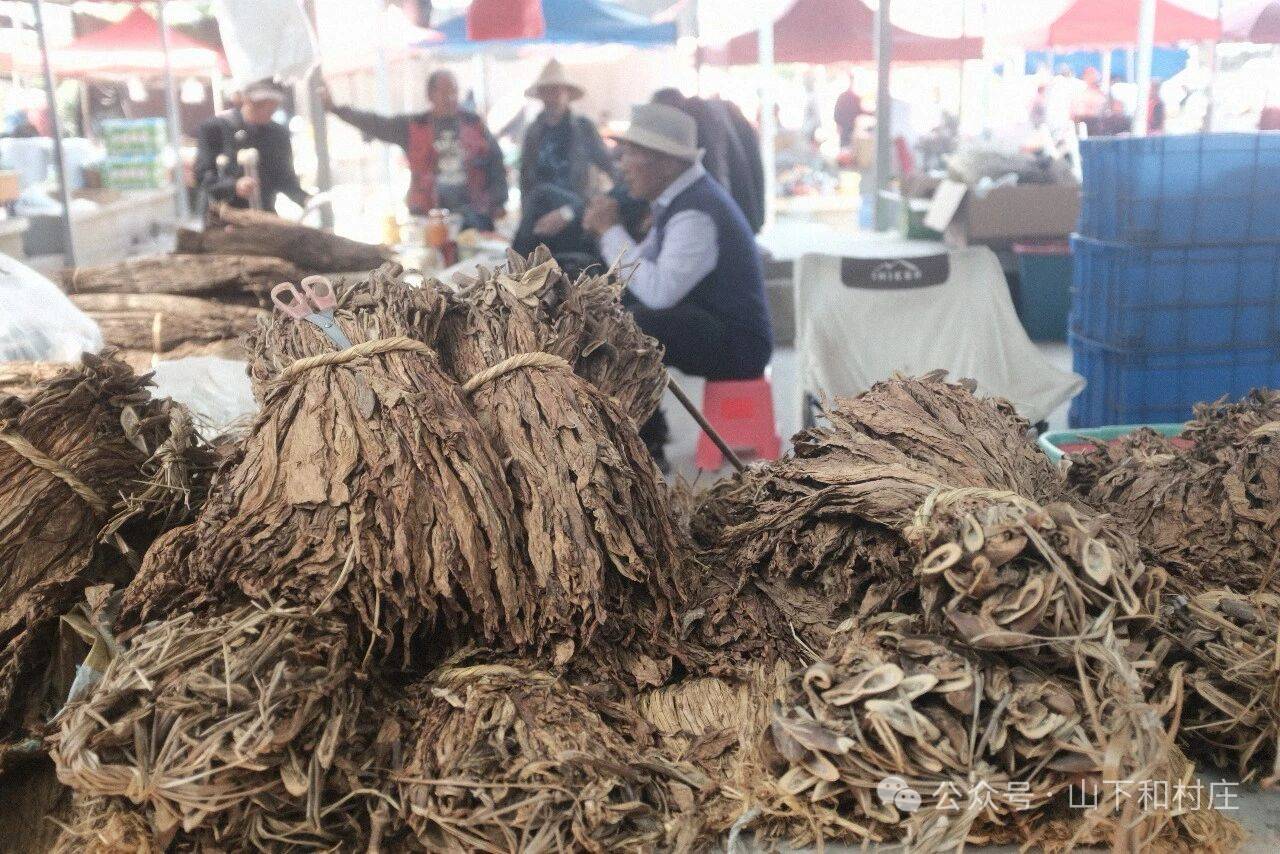
Bundles of tobacco leaves are not hard to find at markets in Yunnan, but they are also a part of daily life.
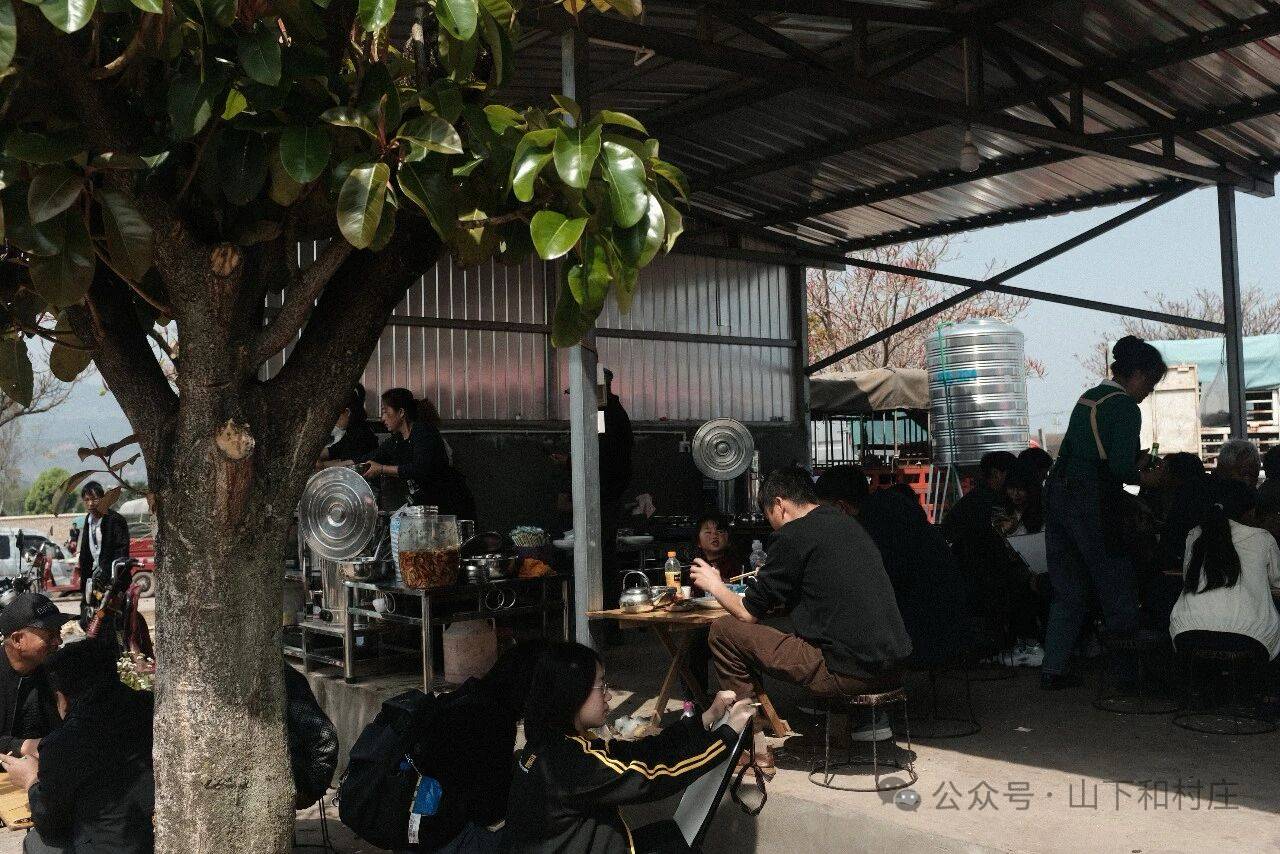
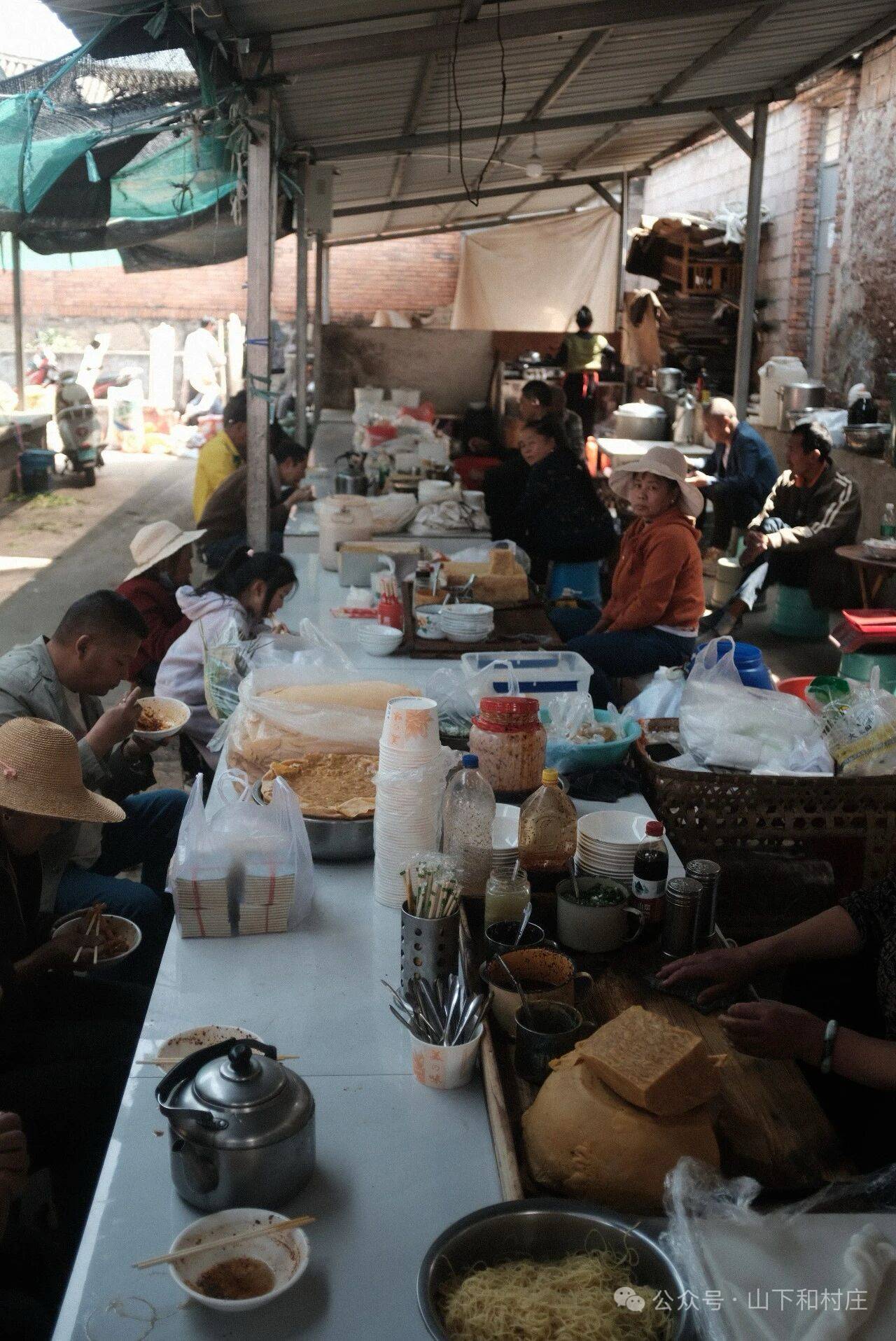
We ate at a large open-air stall in the live livestock area. As we discussed before, these stalls don't look like formal restaurants, but they are delicious. Visiting a market and having a meal there is a special experience. 
Market canteen
I think this scene is very cute. The vendors sit inside, while the flowing stream of customers sit outside one after another. Wang Wang calls it 'liangfen' (cold jelly).Omakase。”
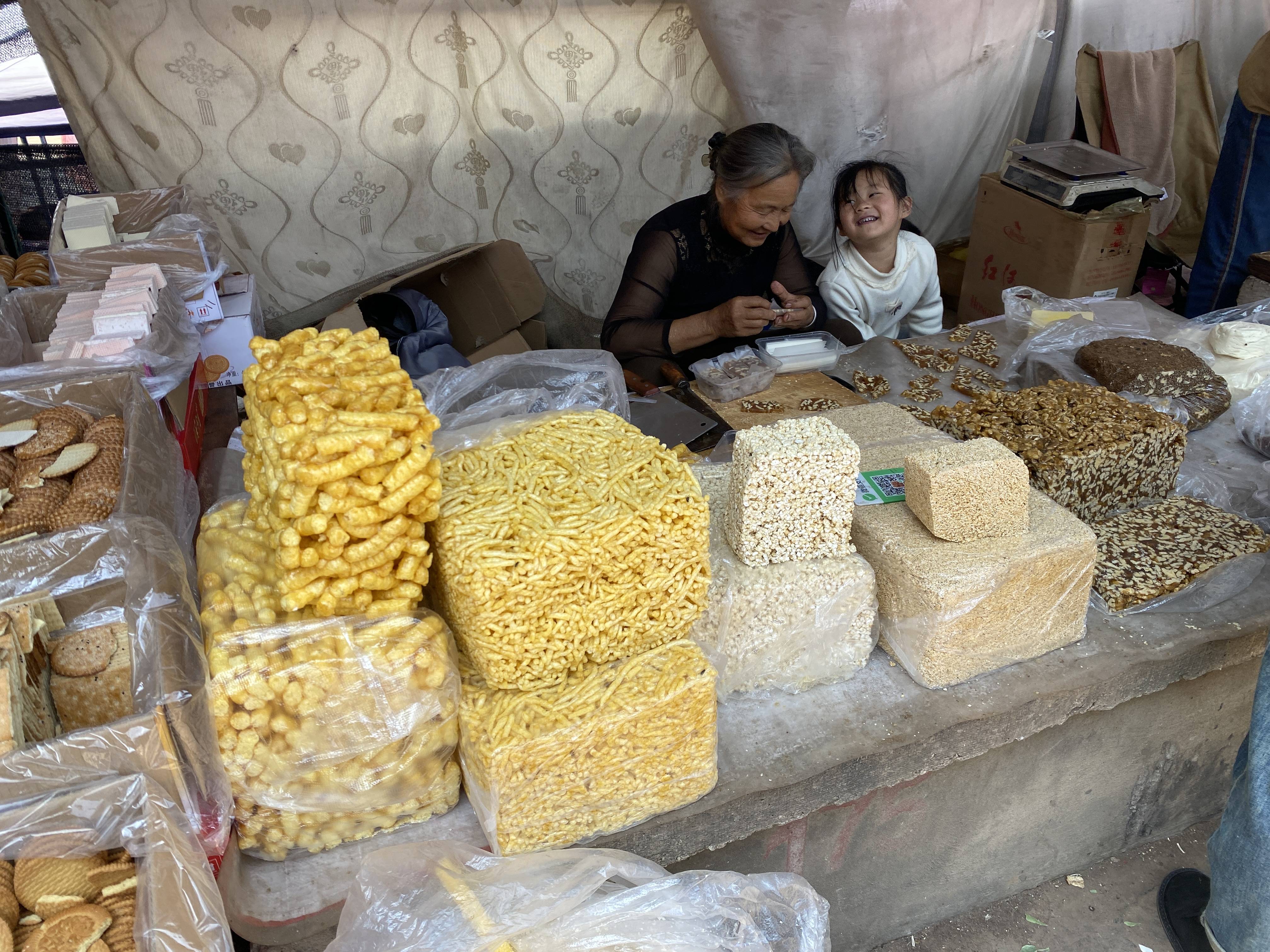
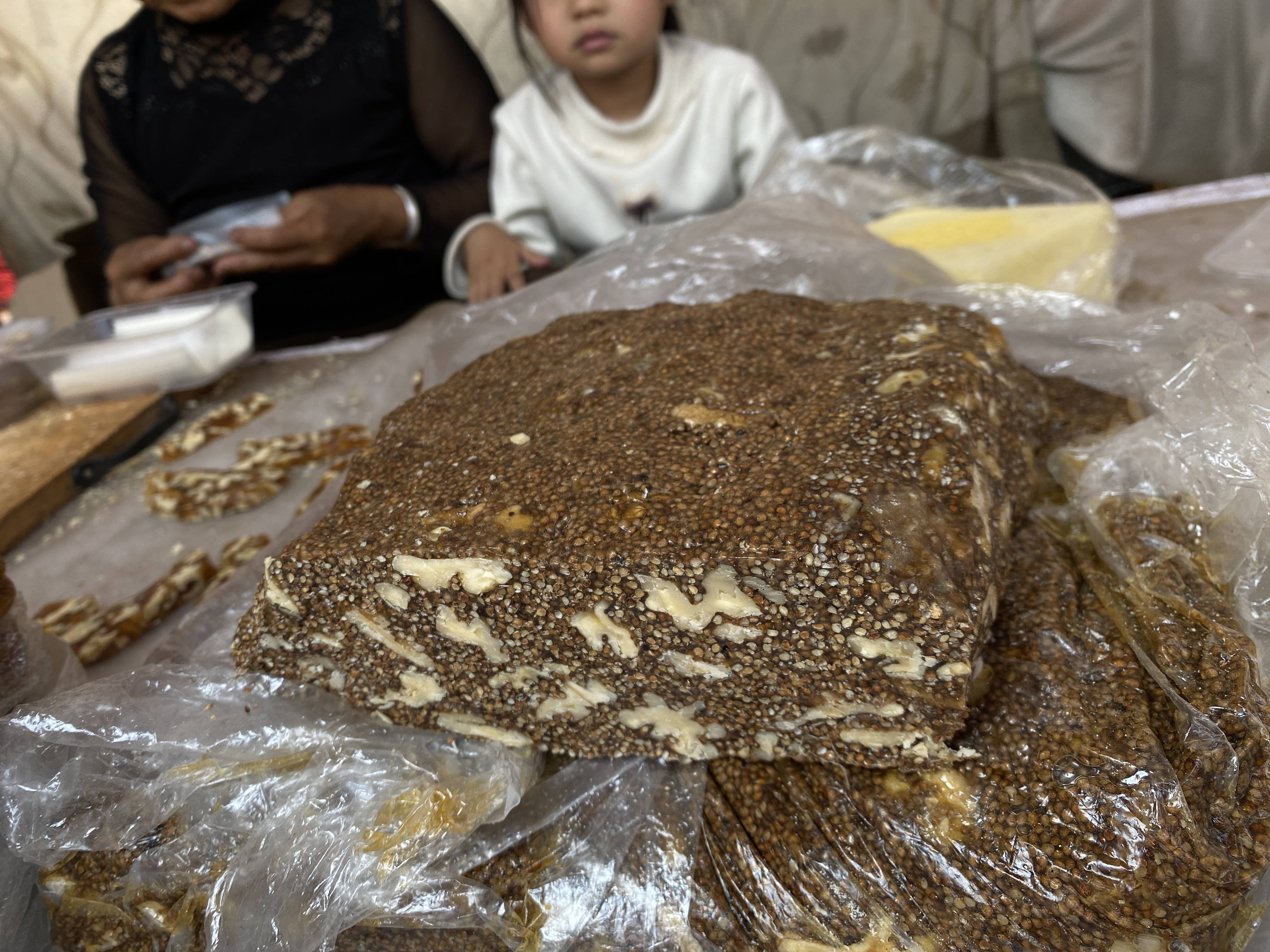
Grandfather and granddaughter selling candies
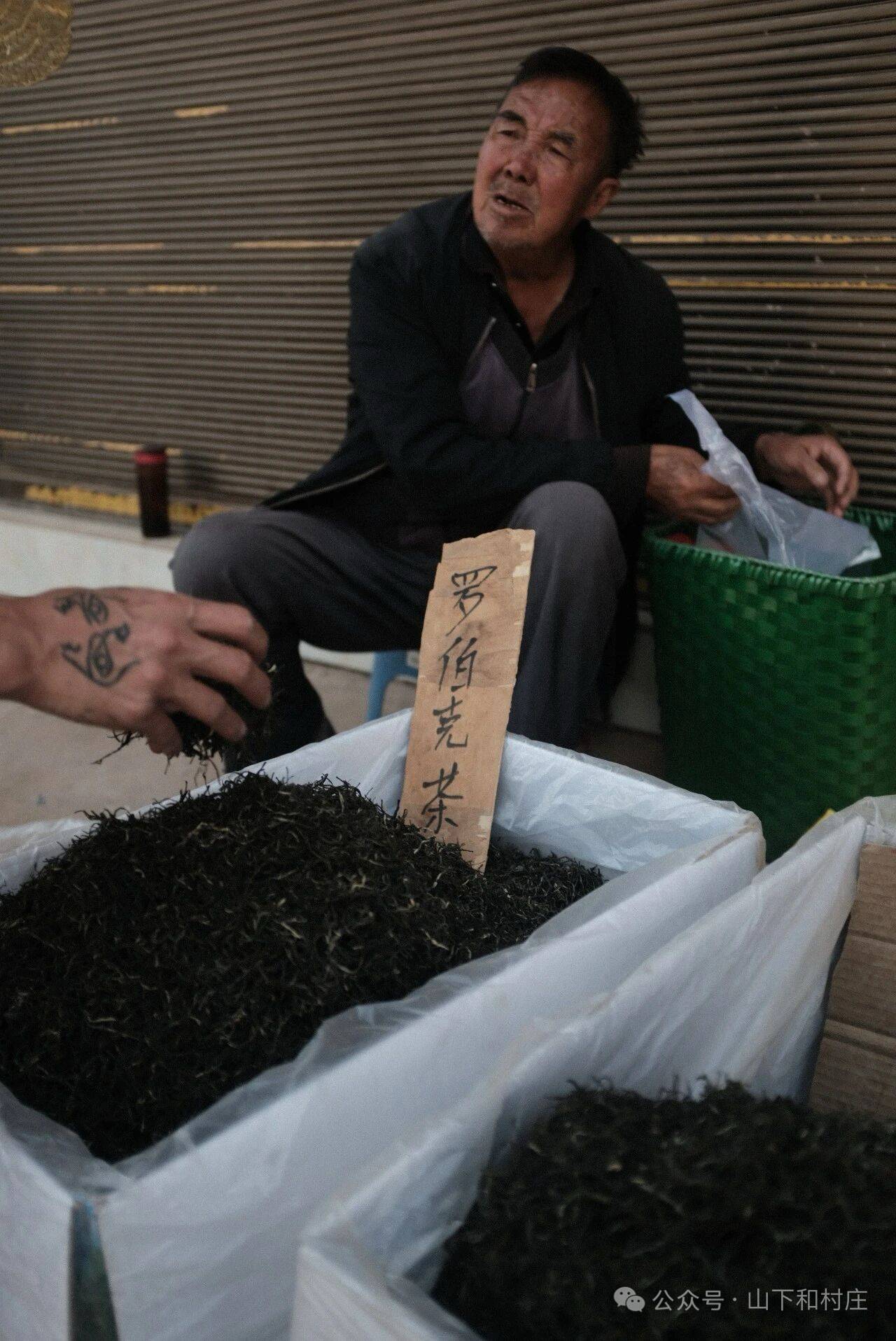
The market is full of Roberk tea,Roberkis a place located in Wuliang Mountain,RoberkAt first glance, it might seem very Western, like a foreign name, but it's actually a Yi name. In Yi language,Roberkit means 'place where tigers appear'. The Yi people revere tigers. Along the way, we passed many Yi villages, and every household's mountain wall was painted with tiger head patterns. LuoBoke makes teaThere are thousands of acres of tea gardens there, famous for green tea.
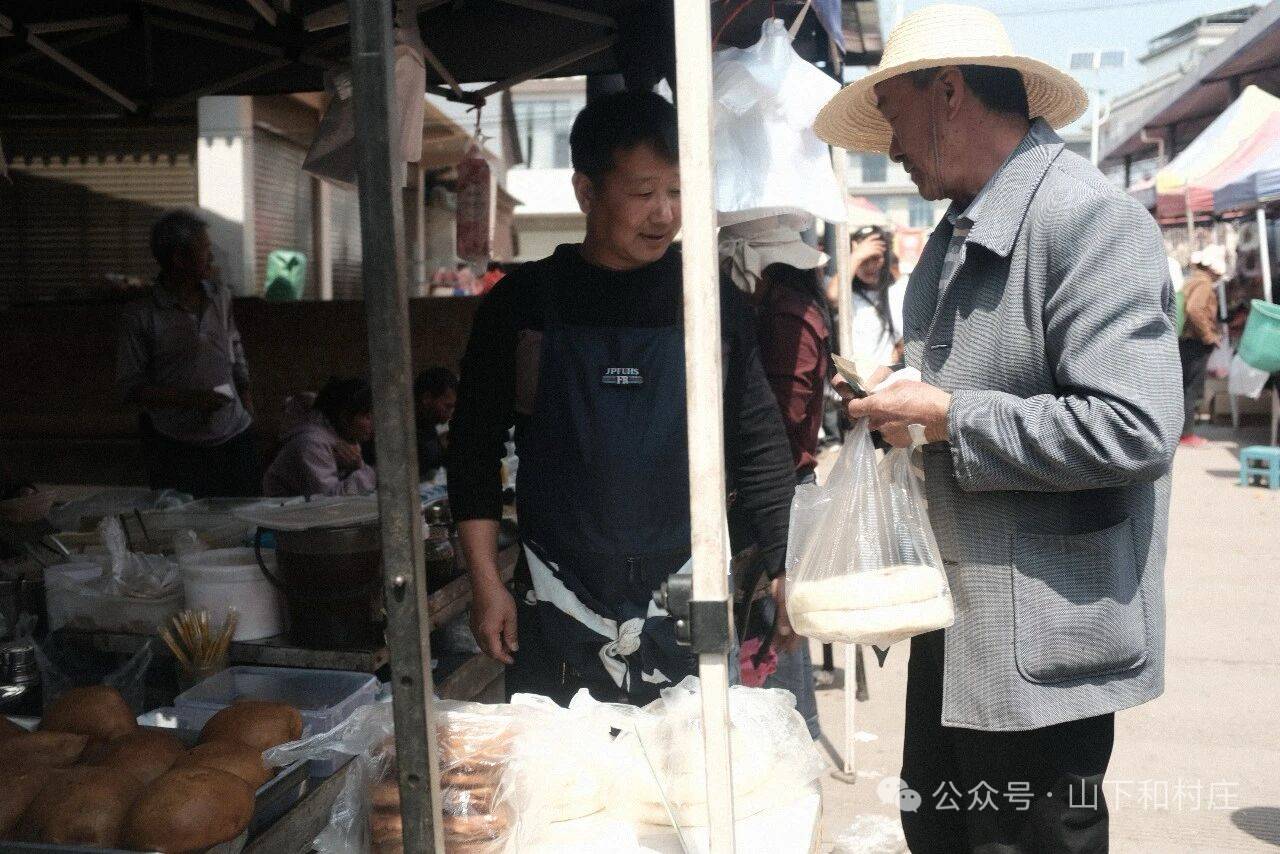
The older brother at the stall said that their Hui-made products are clean and delicious. We old folks love to eat them, so I bought some too. Actually, we live in Dali long-term and often visit Hui restaurants—they are clean, tasty, filling, and reasonably priced. I also bought some粑粑 to take home; if not finished, I put them in the fridge. Heating them up in the morning makes for a very fragrant breakfast.
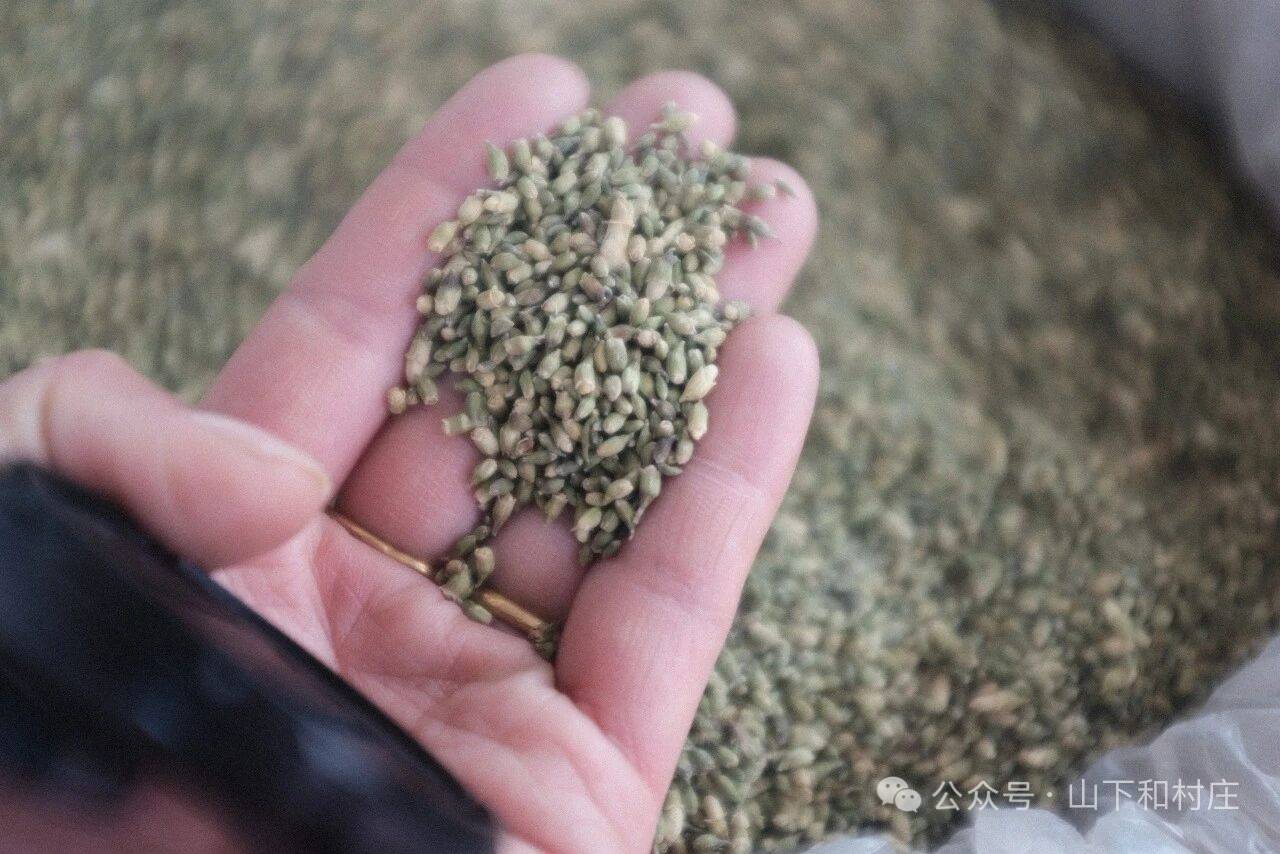
Encountered some locust tree seed tea and bought some.
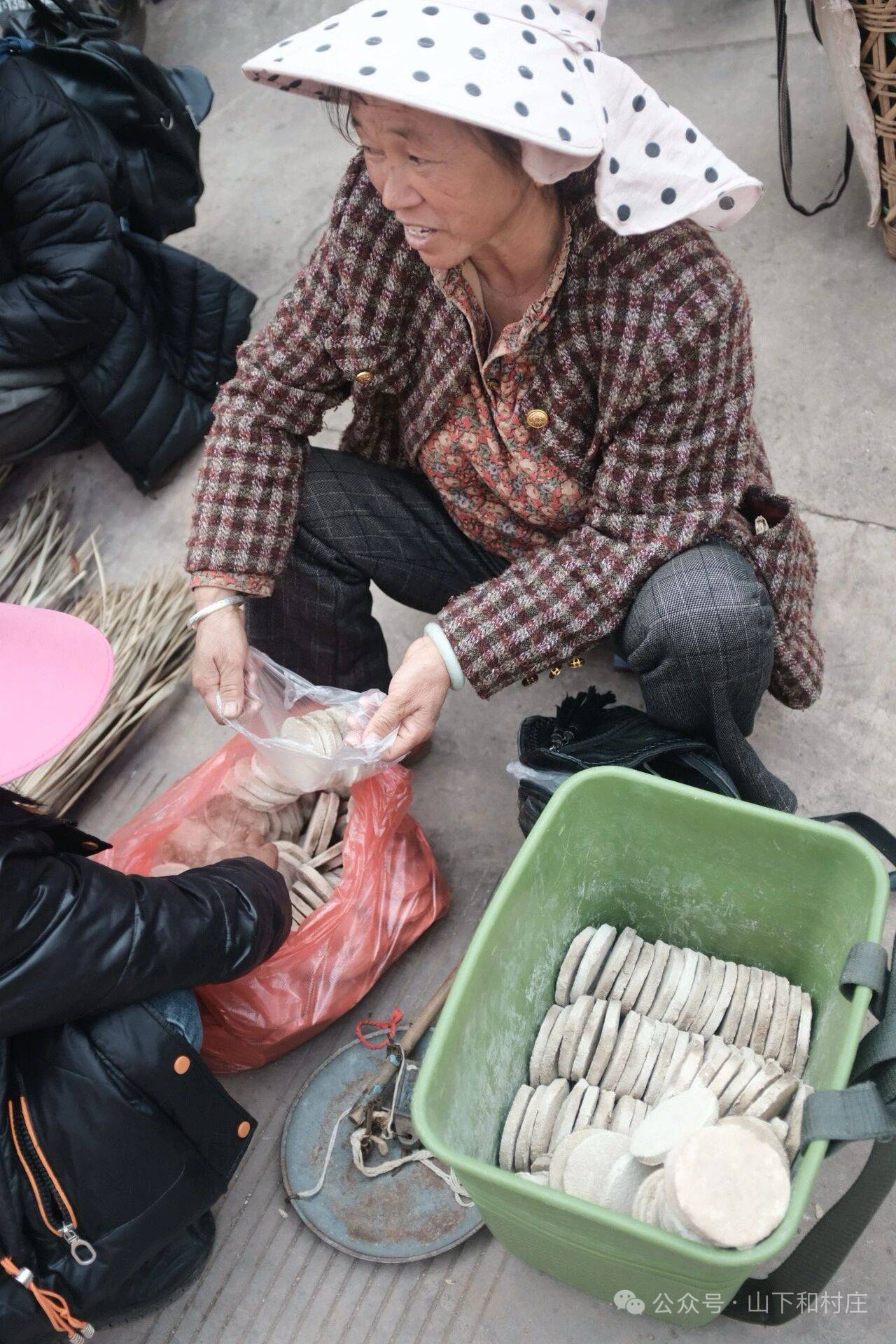
Ajie sells土碱. At first, I thought it was粑粑, but upon closer inspection, I saw it has a different texture—like small土饼 made from sand and stone powder. The vendor and uncle at the stall generally don't speak Mandarin well; the usual guesses are possible, but for those unfamiliar, it's hard to understand. Xiao He looked it up and found out it's土碱, a non-material cultural heritage of Nanjian, used medicinally by locals. This stuff is complicated to make and eat. As the market's older brother said, 'You outsiders wouldn't know how to eat it.' Meaning we don't really know how to make it.
The market gathering is like a complete rural trip. I think that from the lively, bustling market to a quiet village, one can enjoy a moment of tranquility. So, our market trips always end with heading to a peaceful village, just like locals returning home after the market closes.
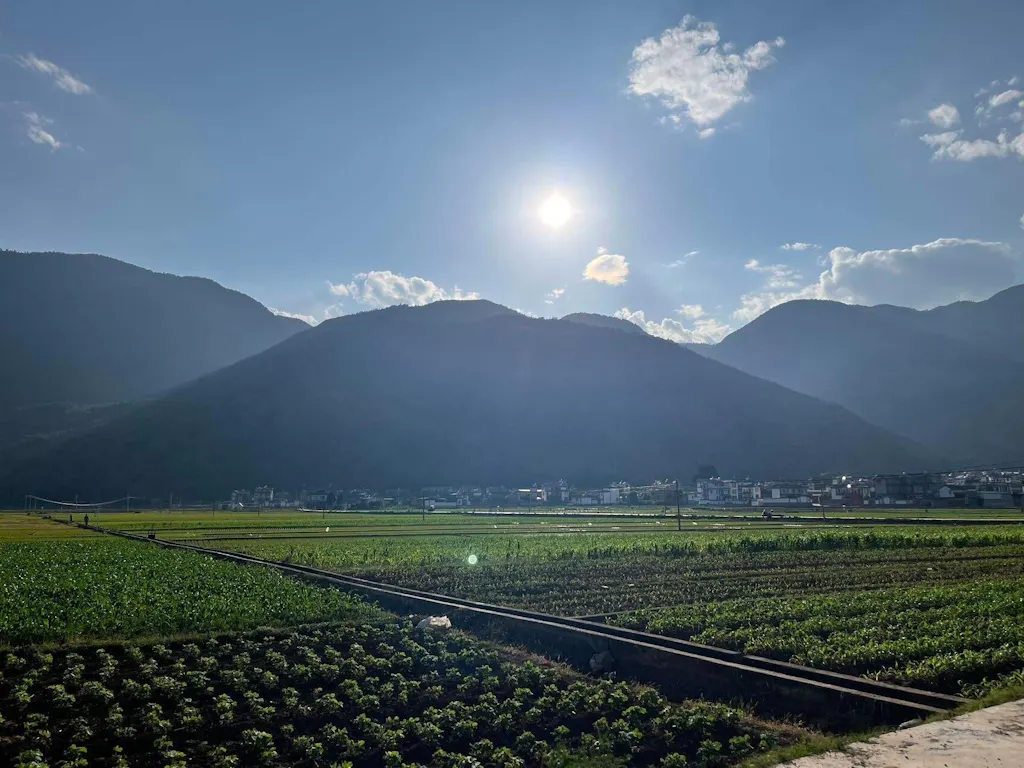
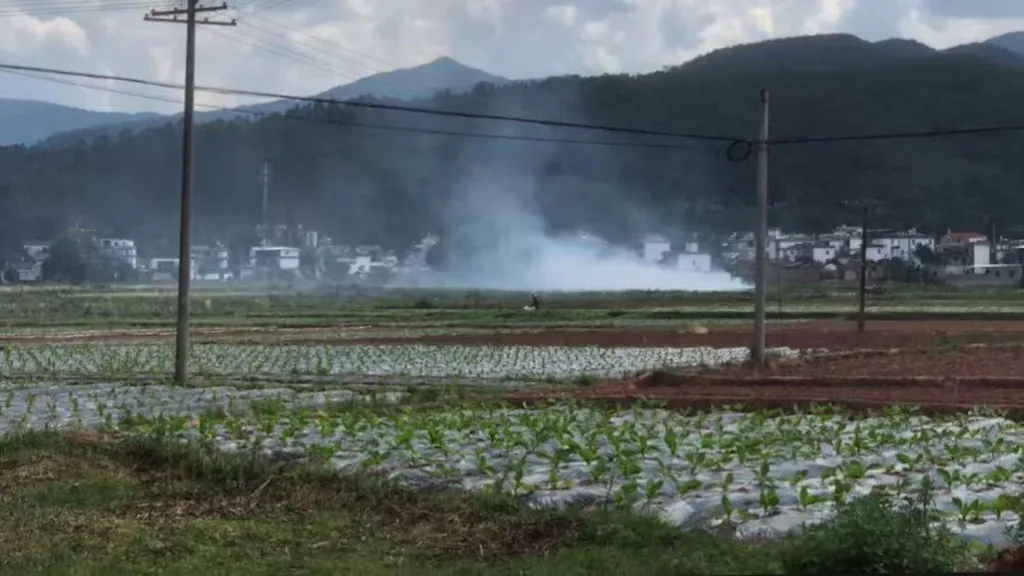
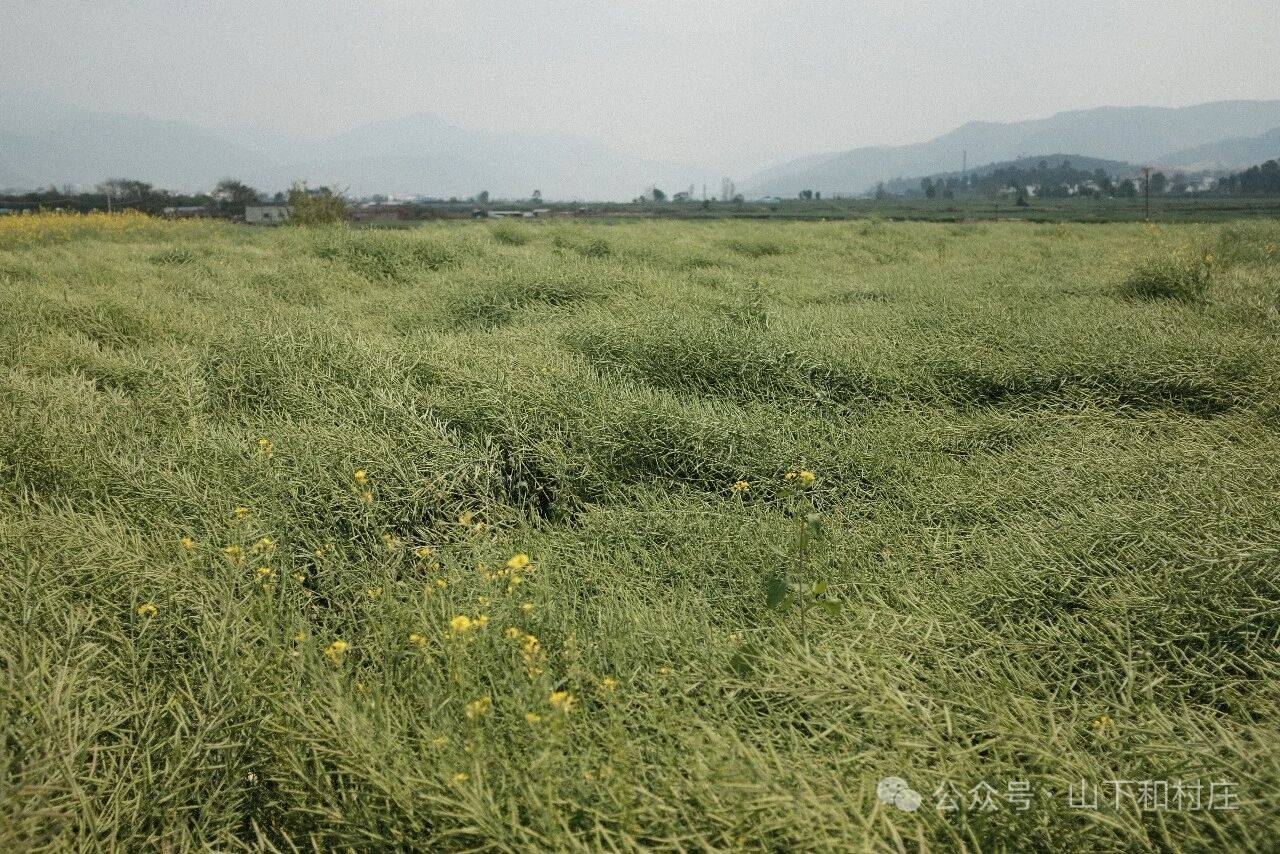
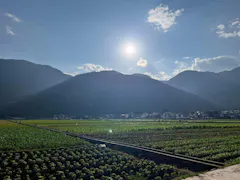
Lekecun is the next stop after the market. The market on Miaojie Street is not far from Lekecun. The spring along the way is filled with the green of rapeseed flowers and broad beans, mixed with the warm hue of wheat, making people feel cozy.
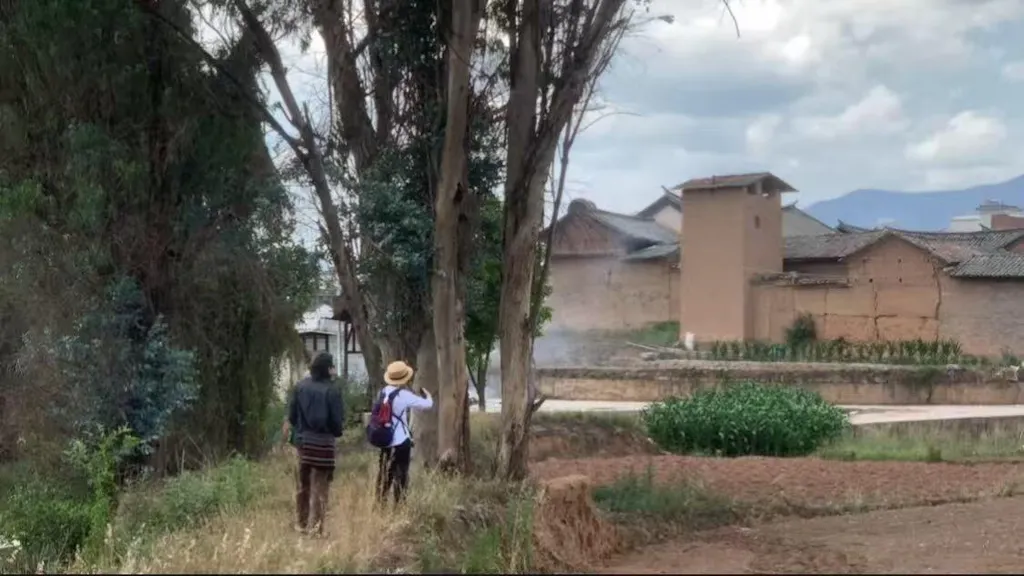
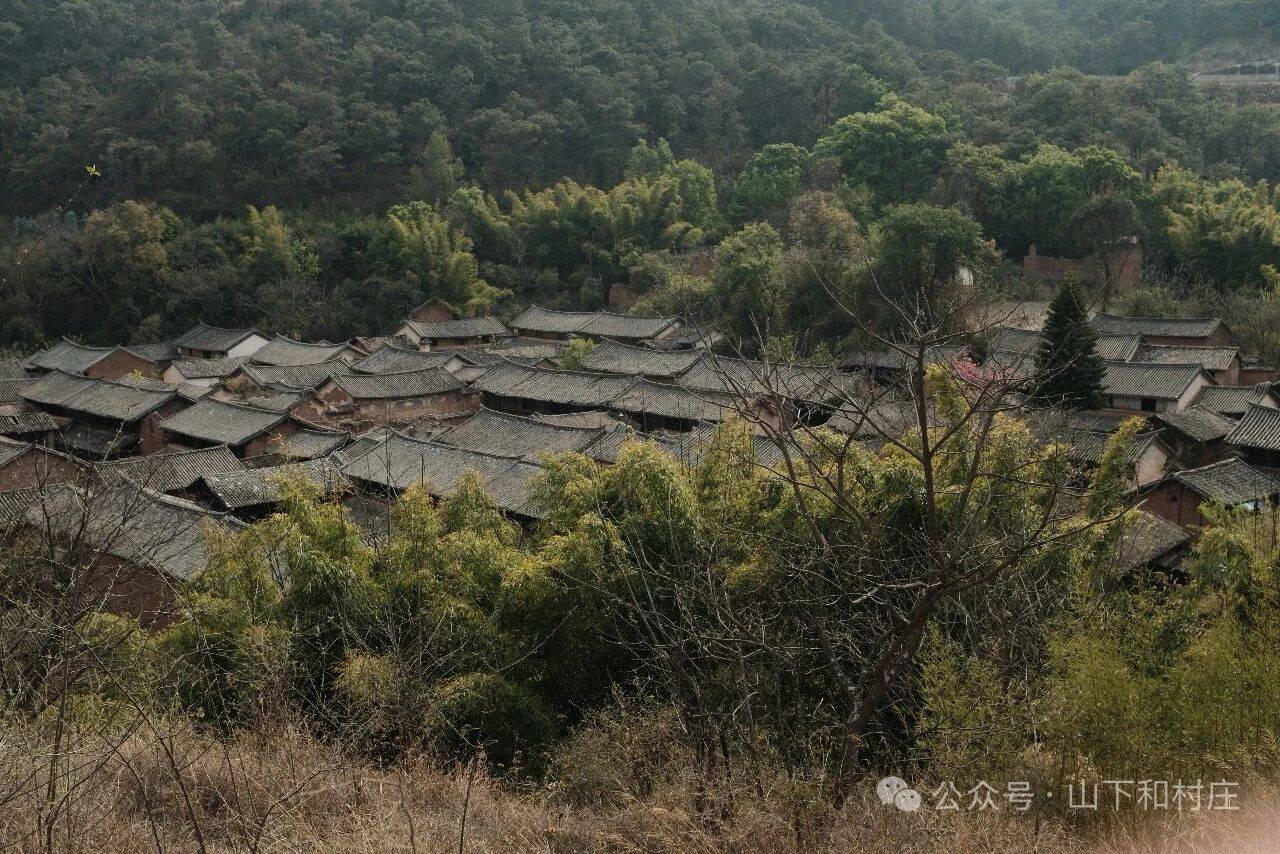
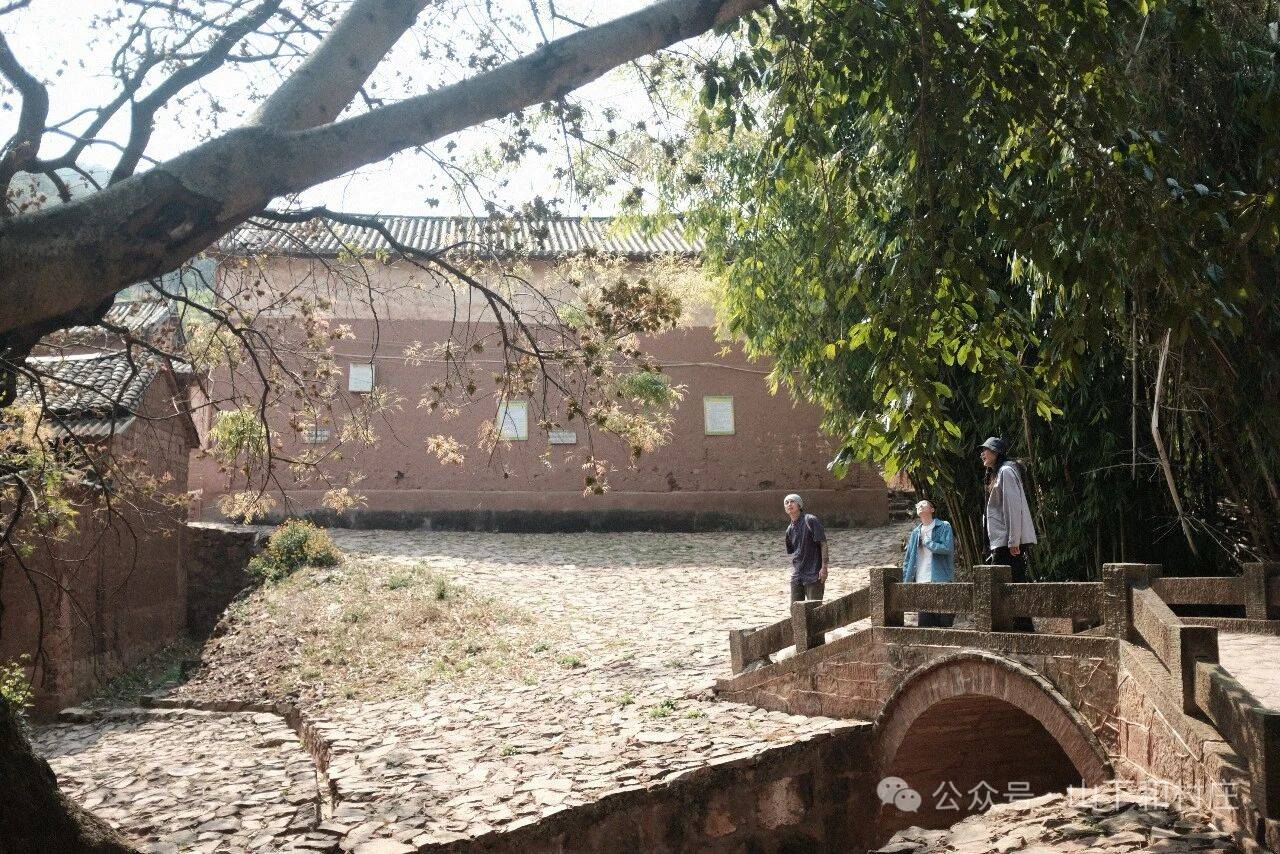
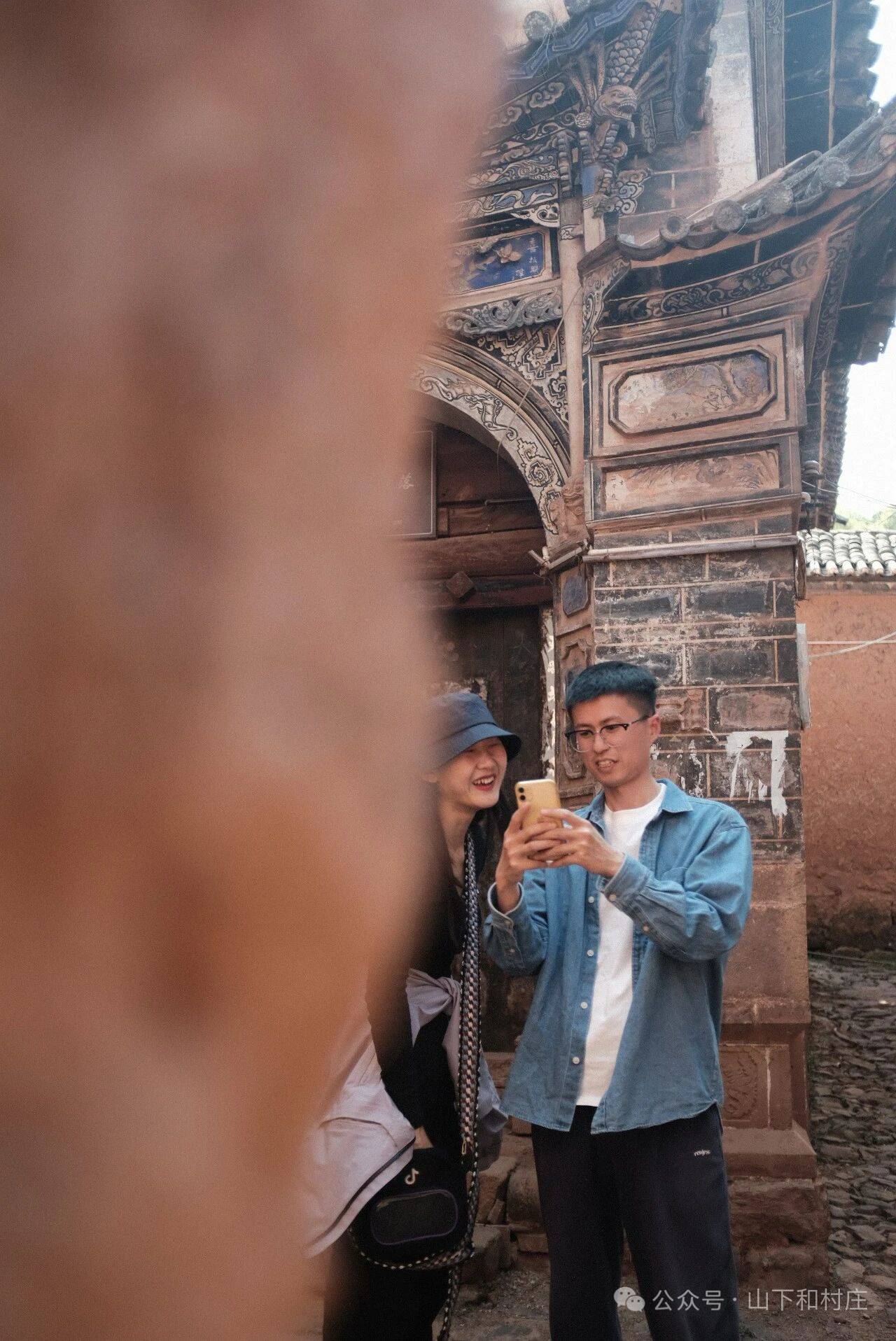
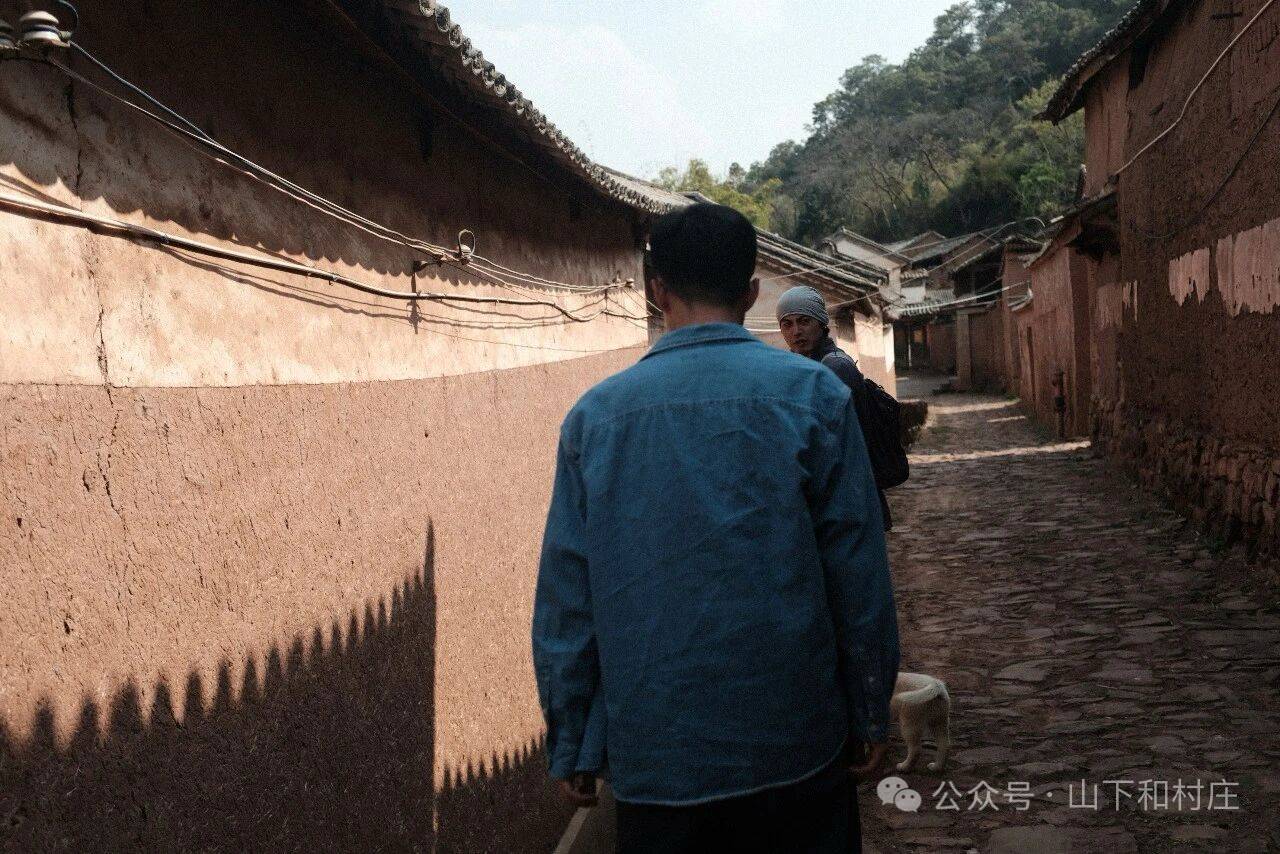
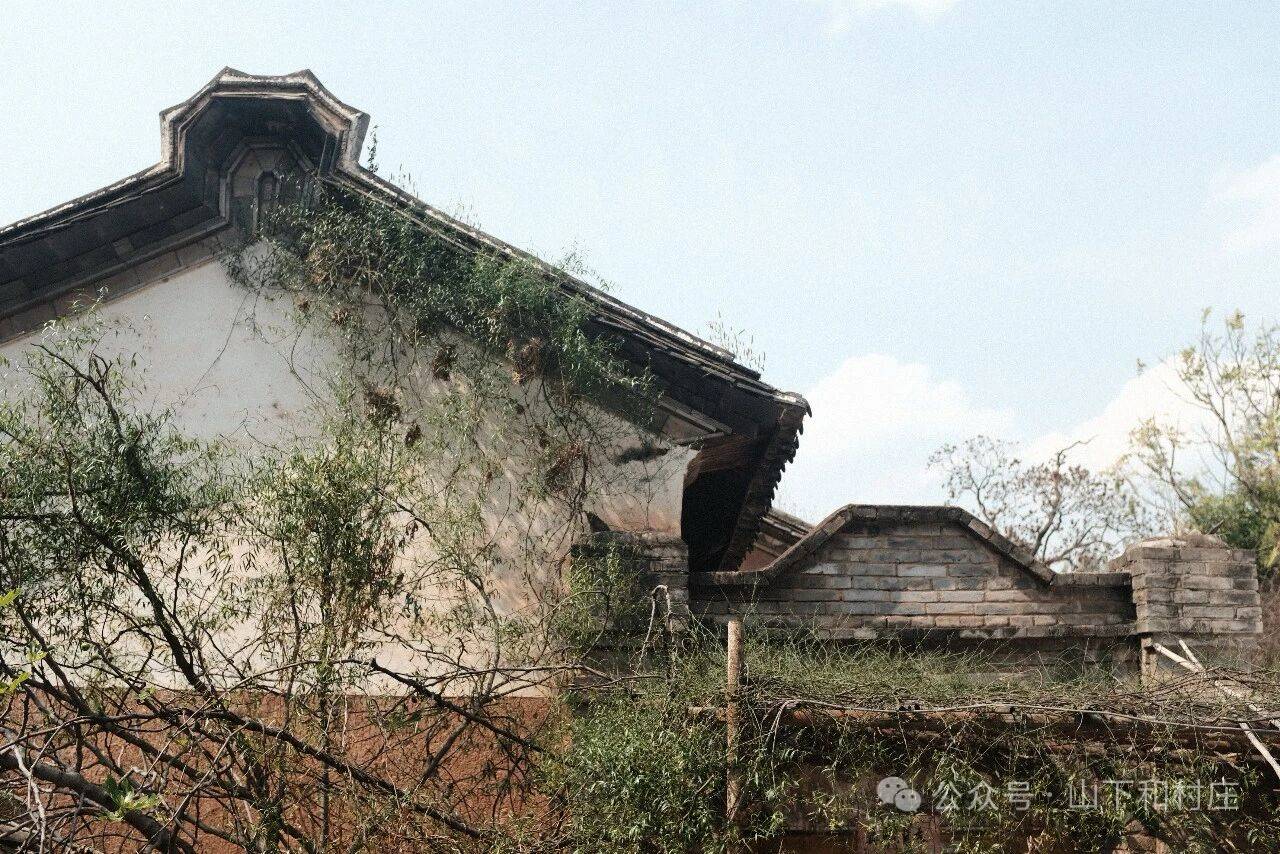
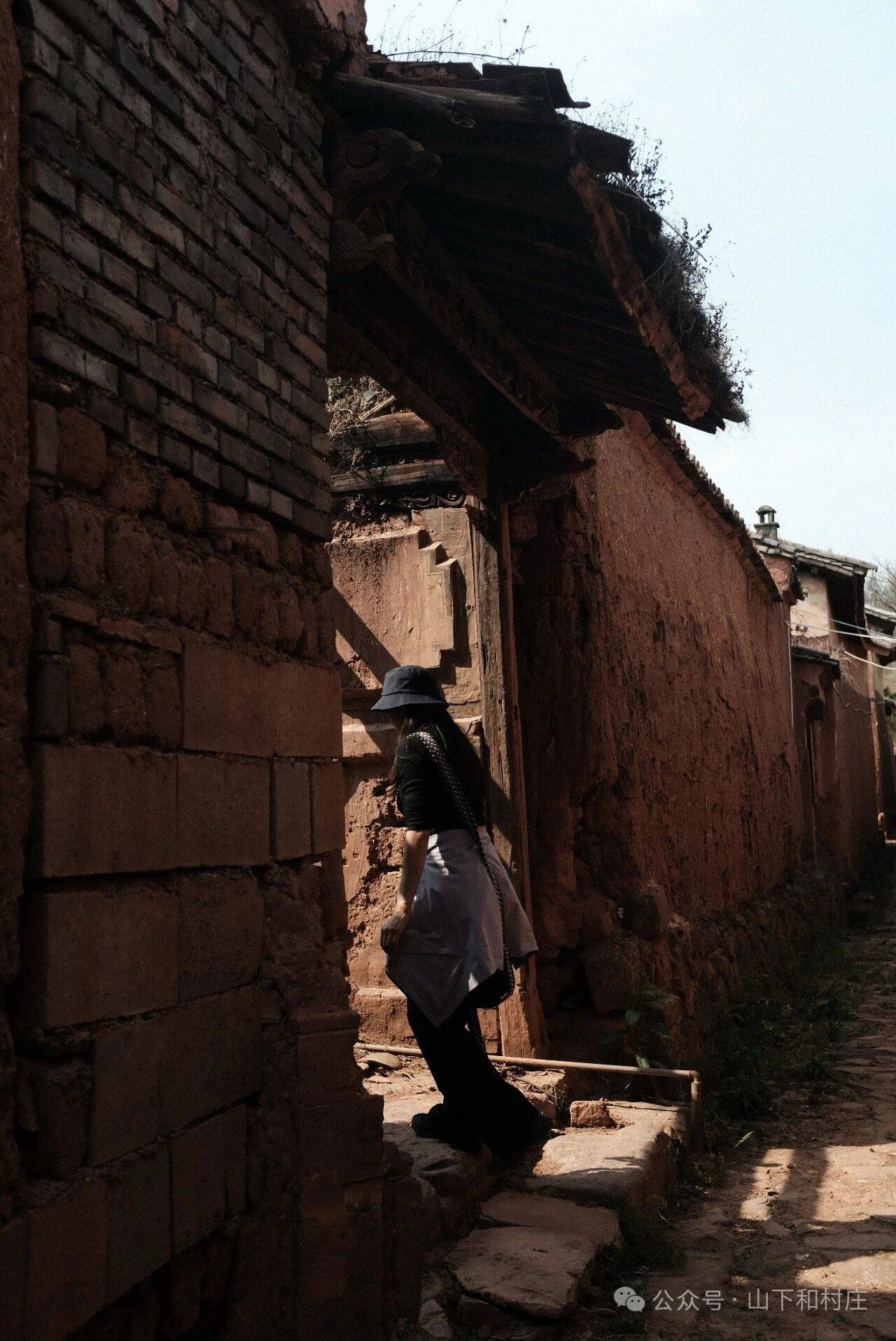
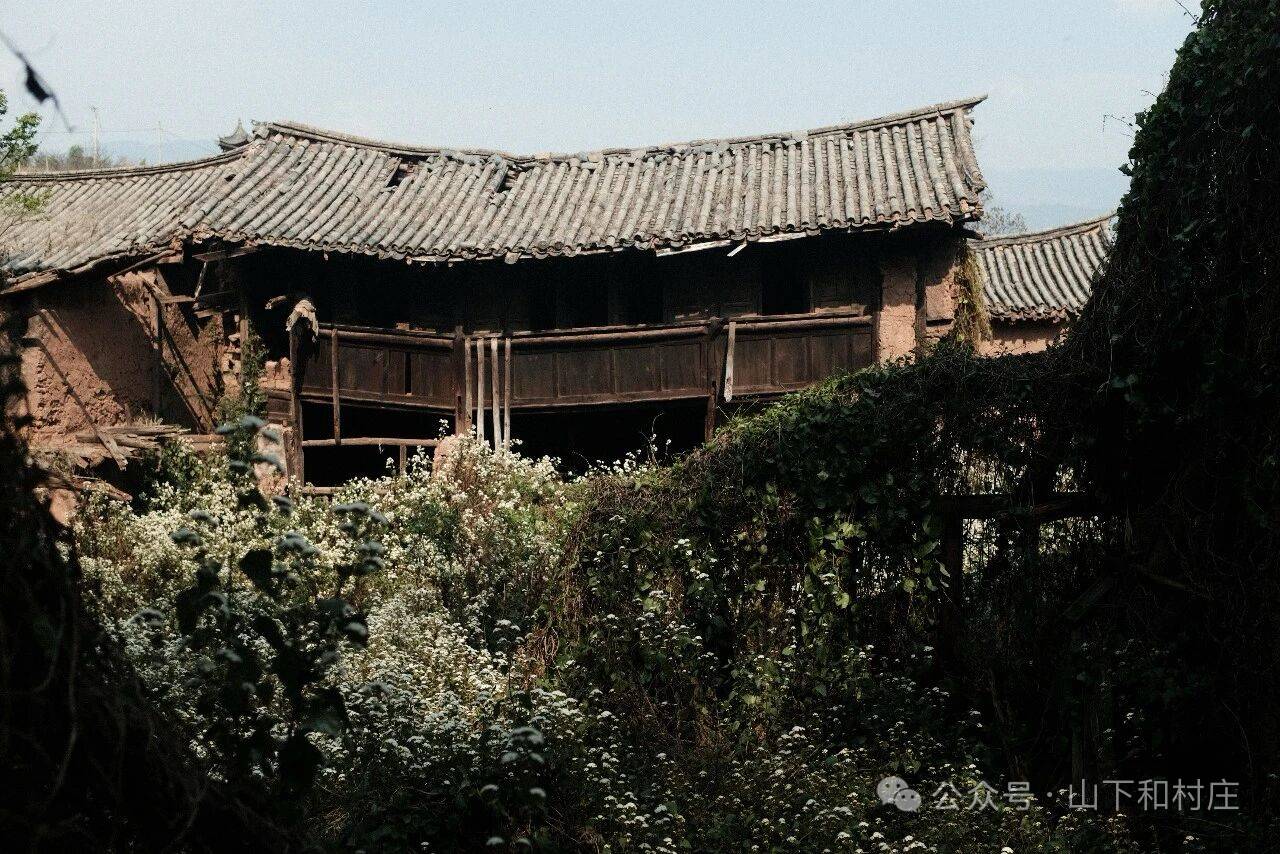
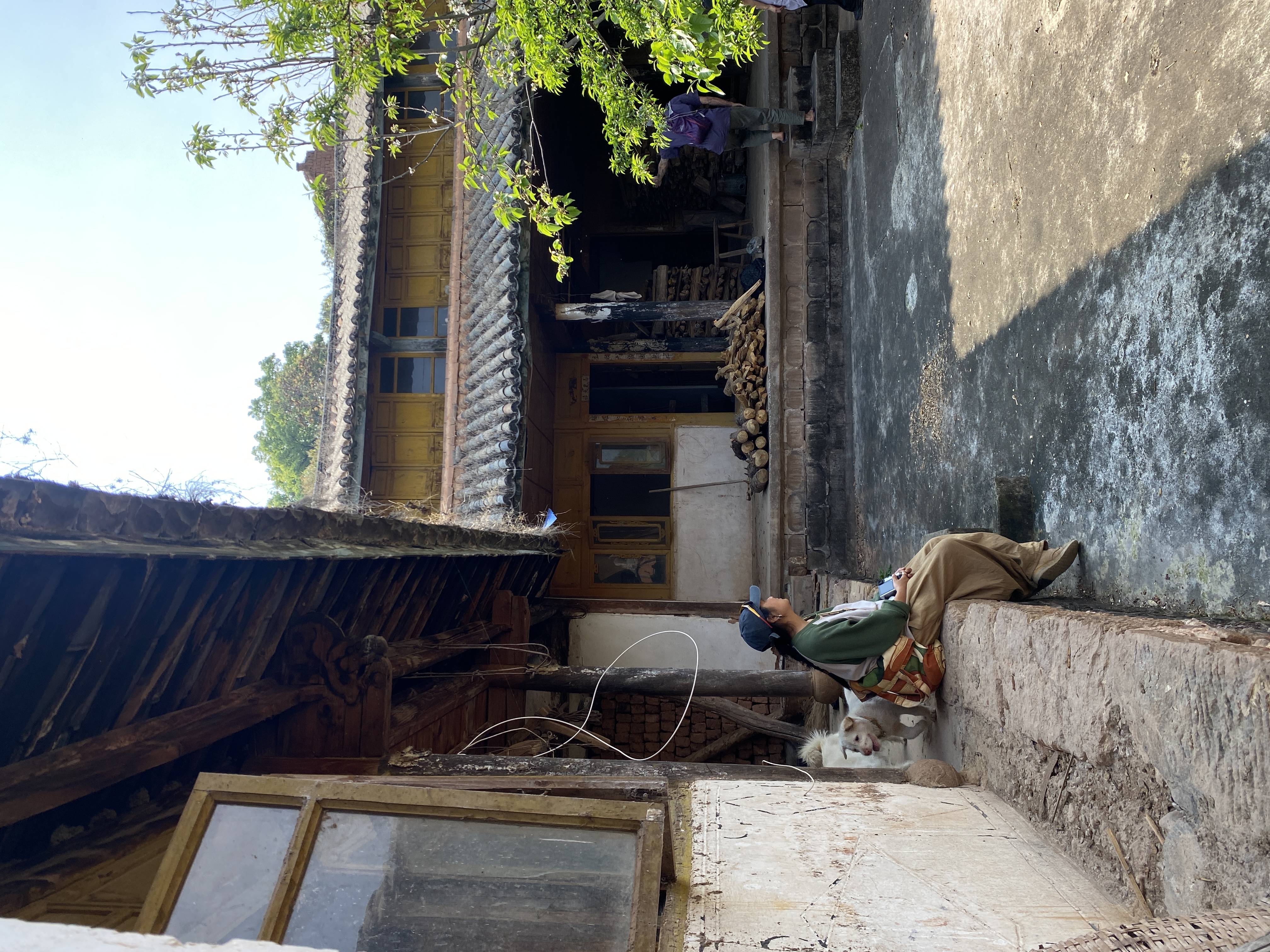
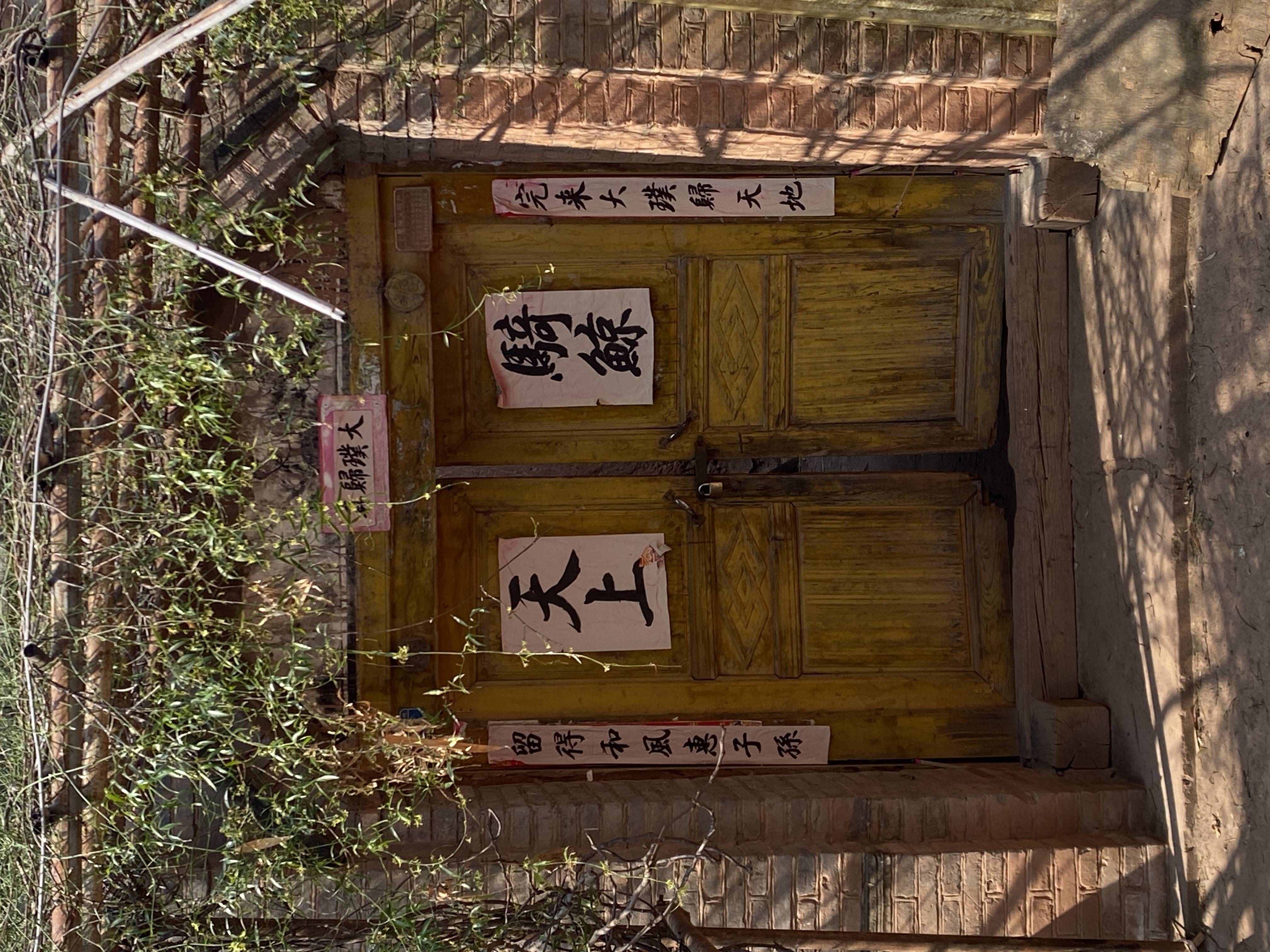
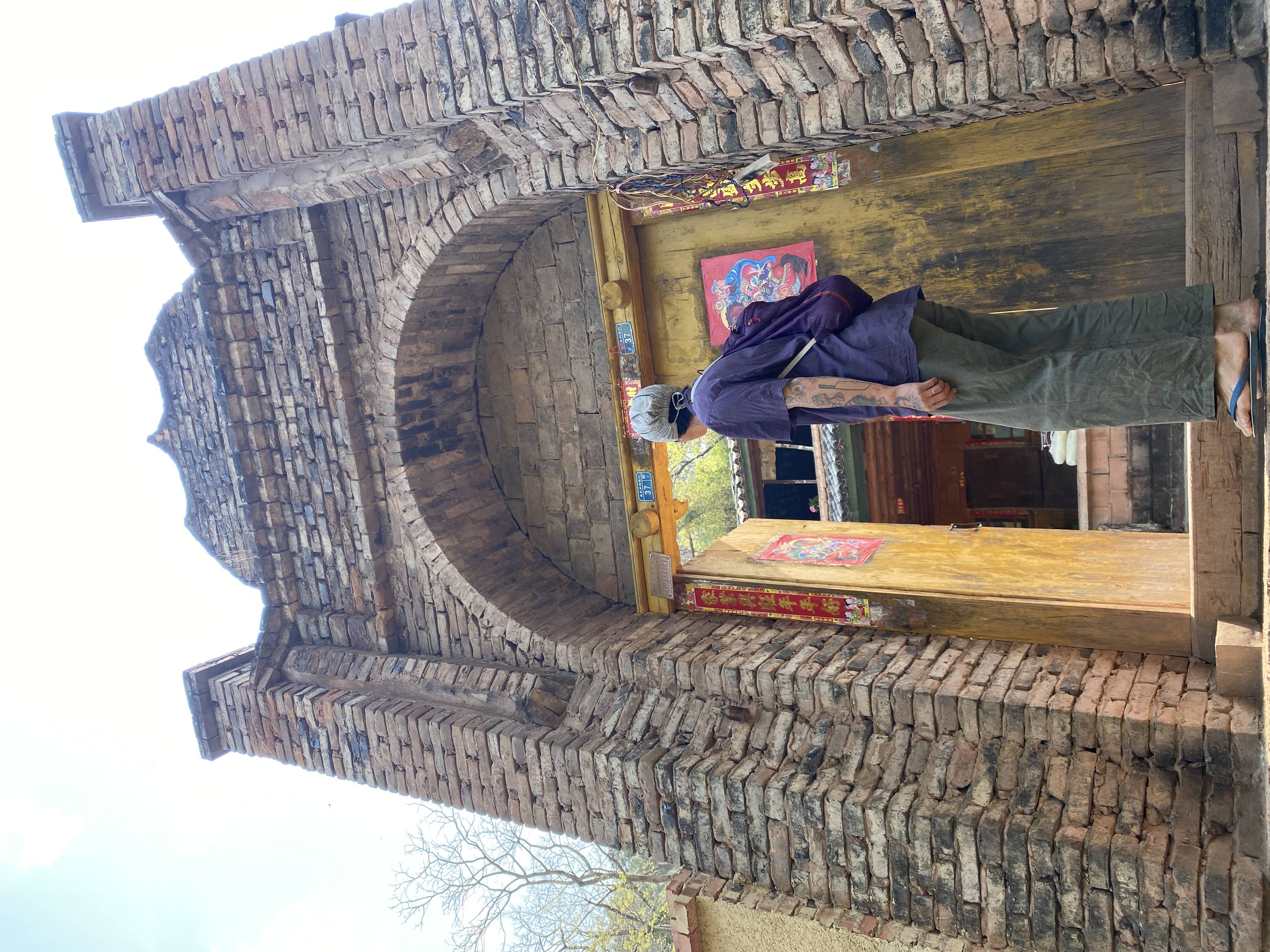
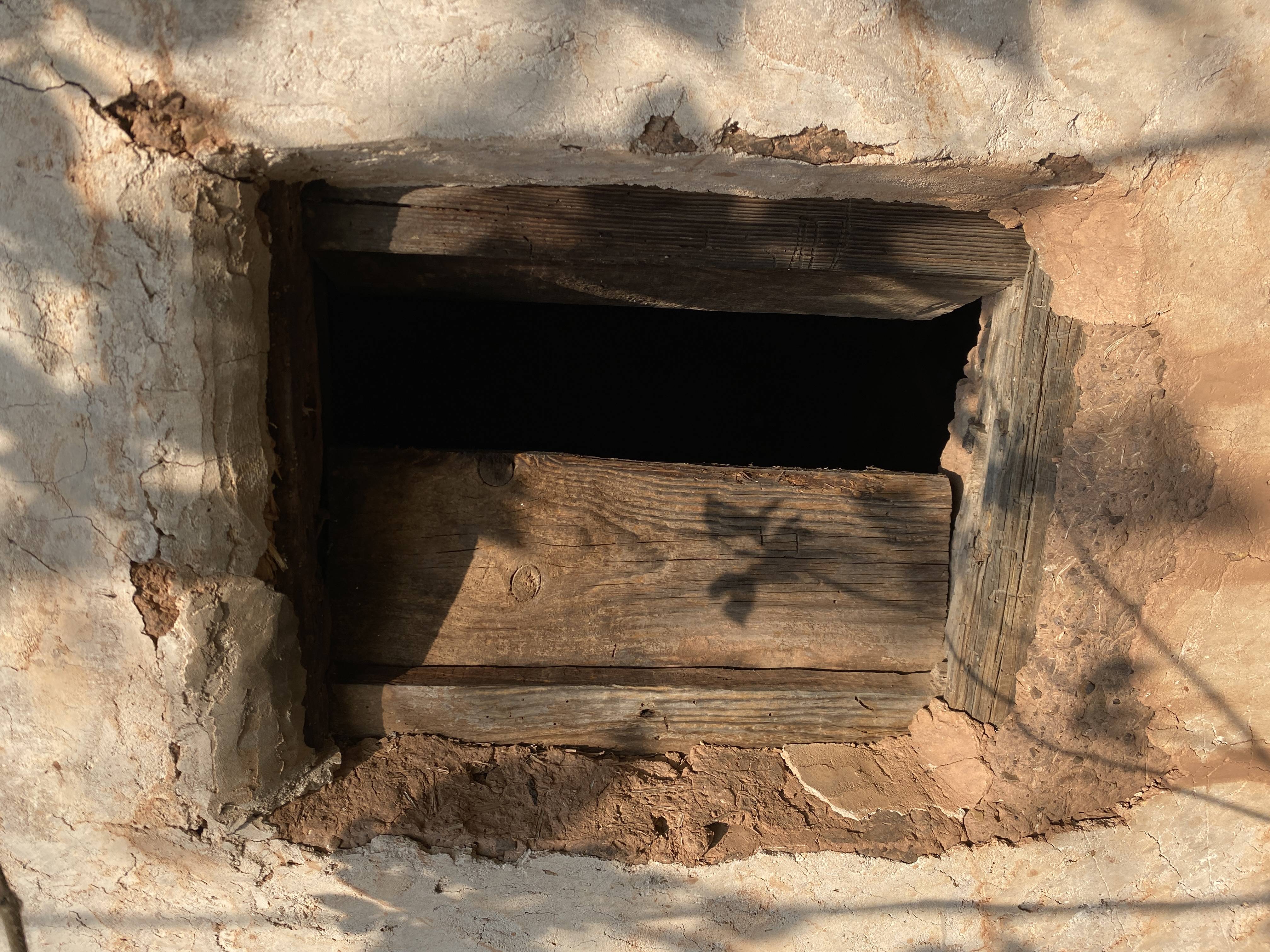
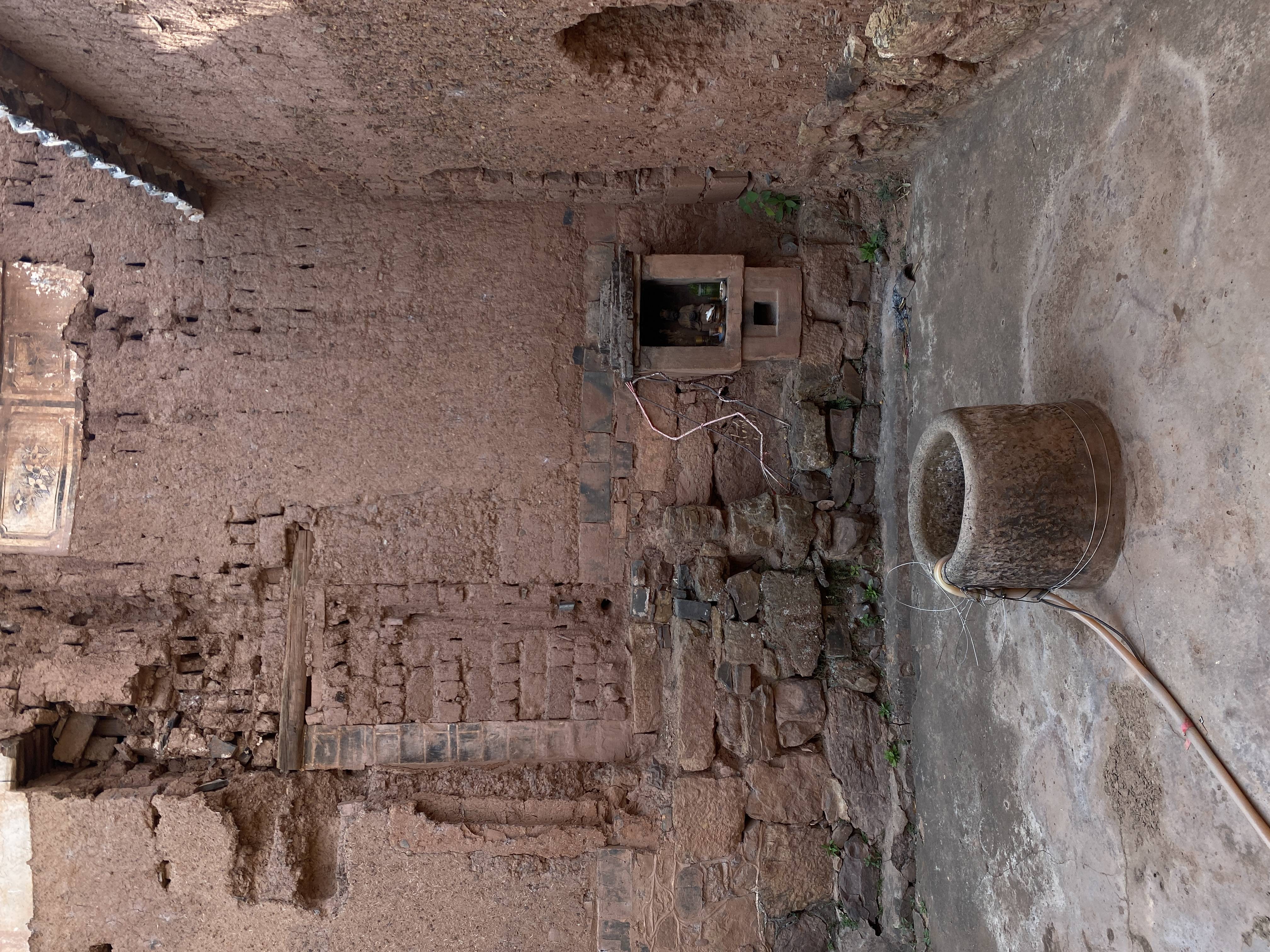
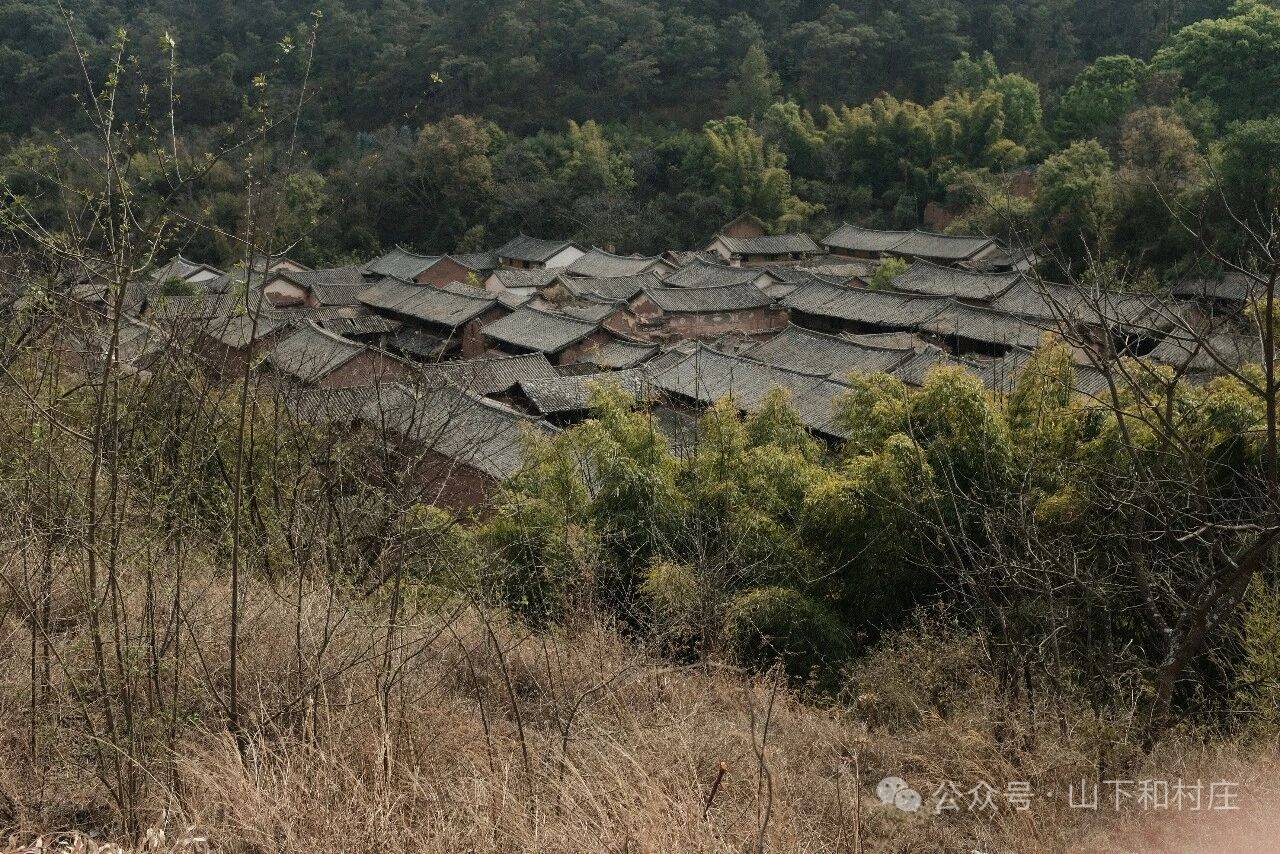
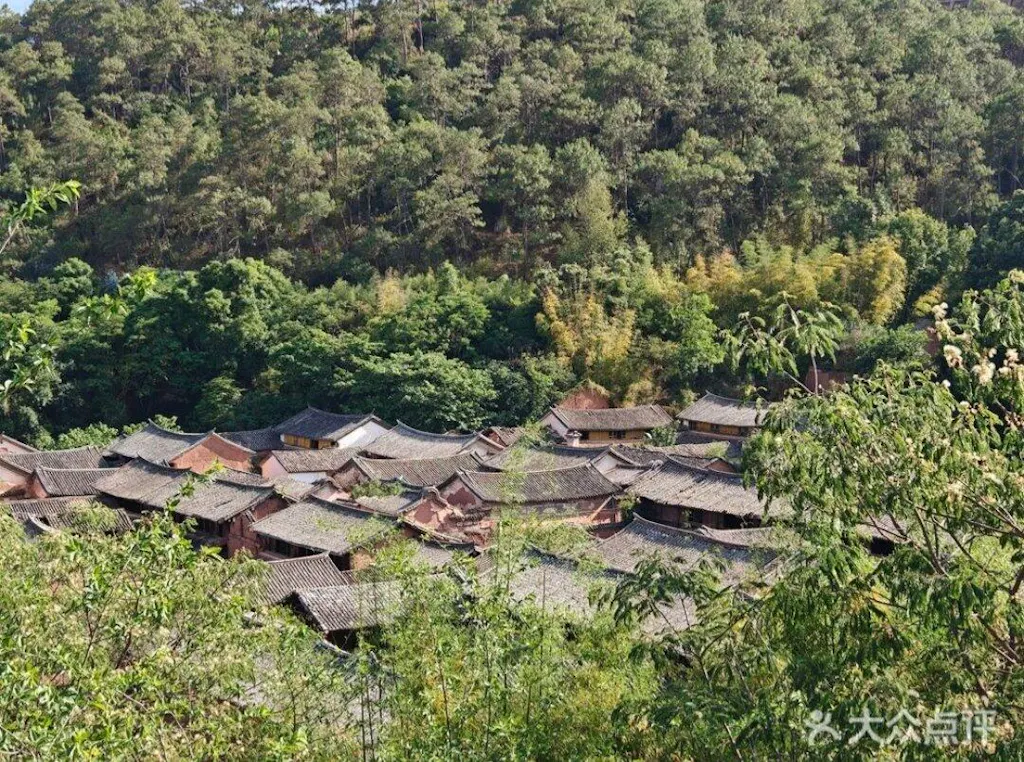
The villagers of Lekecun have all moved to the outskirts of the original location and built new houses.Jingjia Jing DynastyThe ancient village has been preserved, with more than thirty courtyards clustered together, hugging the hillside. Each independent courtyard forms a complete, solid fortress. The walls, eaves, and door frames of each house retain their rustic appearance. There are no modern buildings mixed within the entire village. A few households still live inside, but visitors rarely encounter them; occasionally, an elderly person going to fetch water from the old house’s well can be seen.
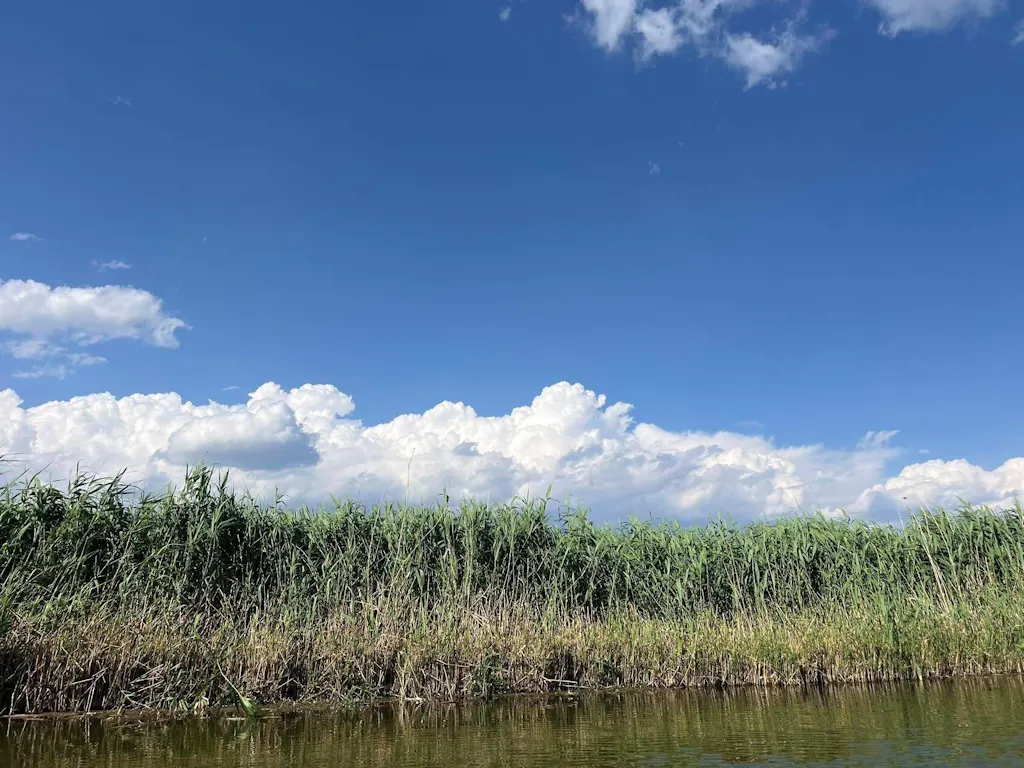
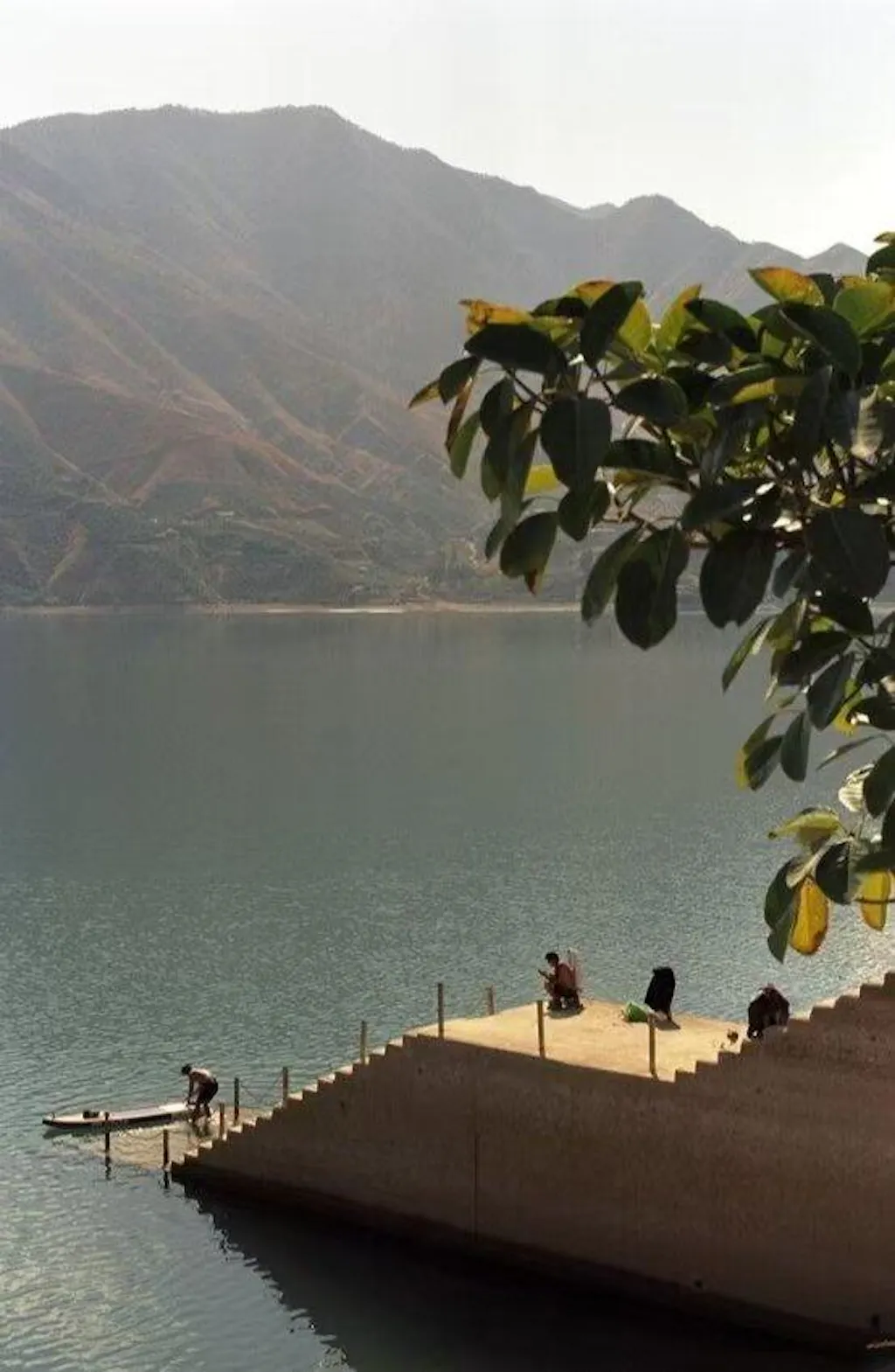
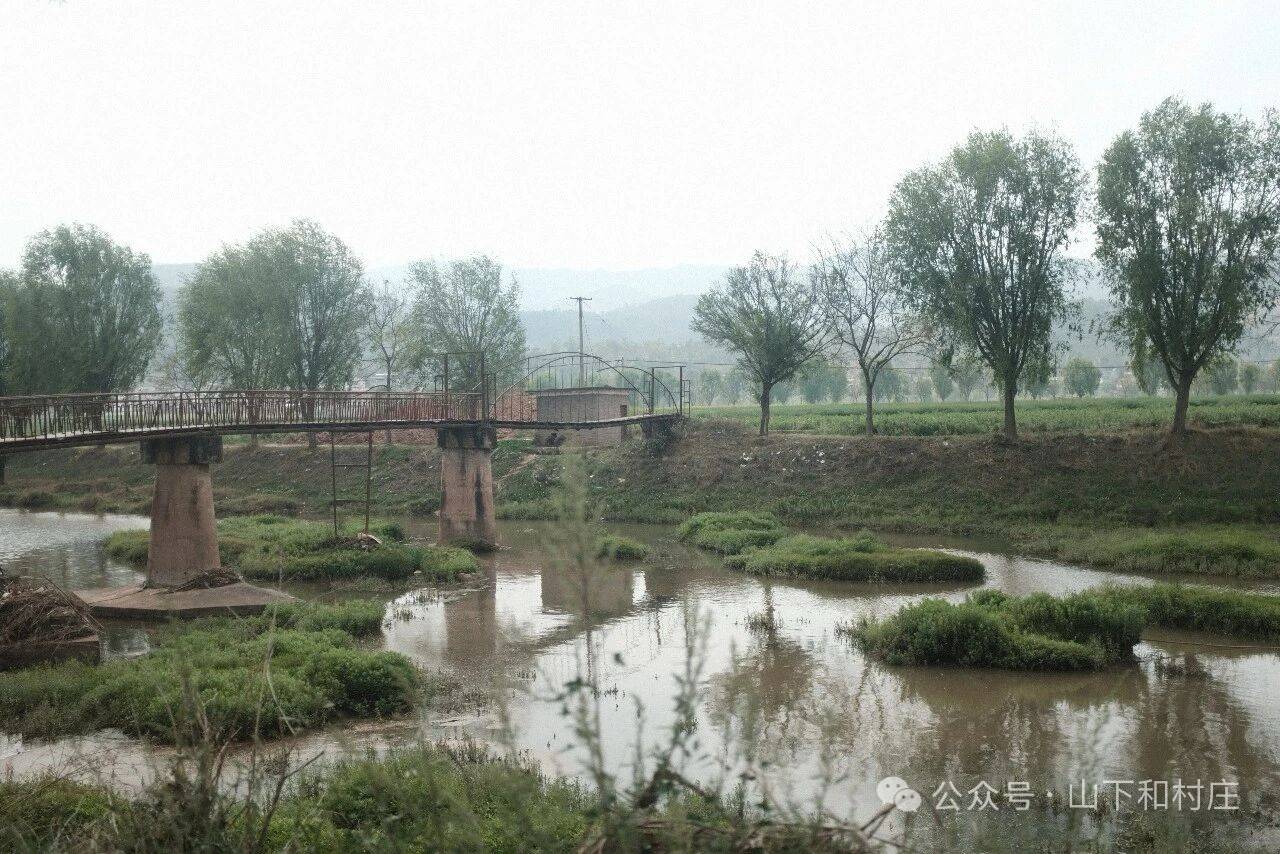
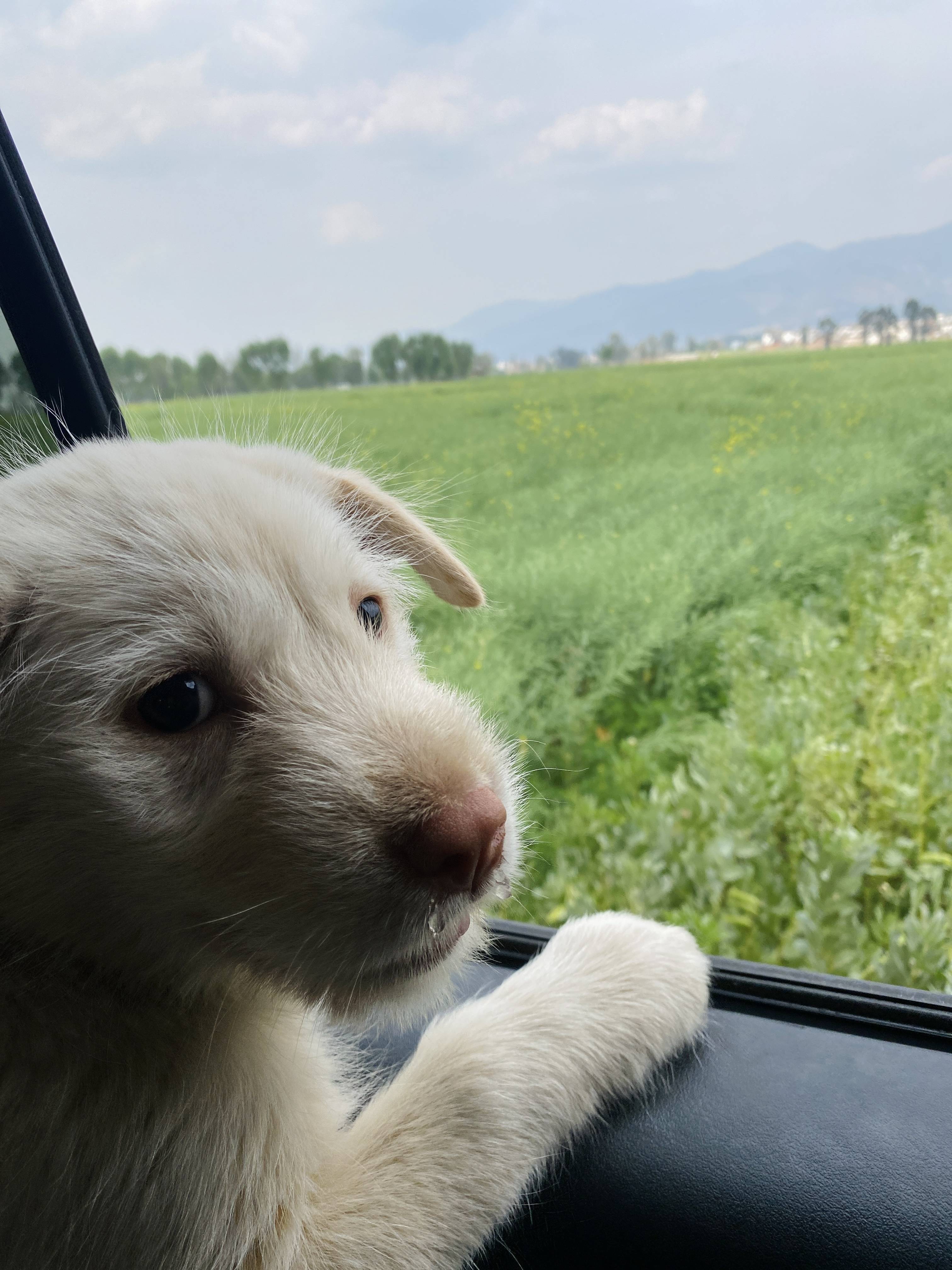
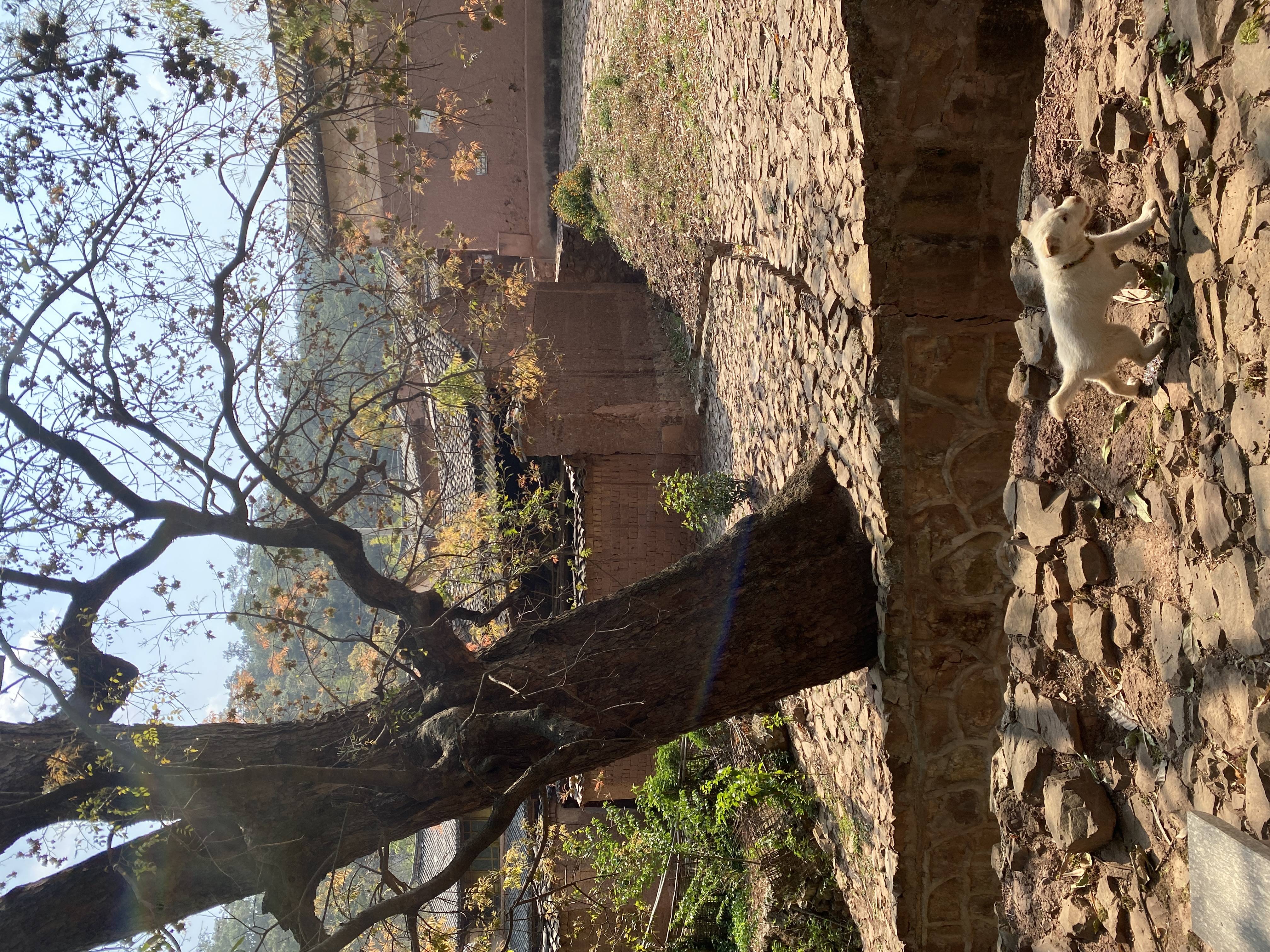
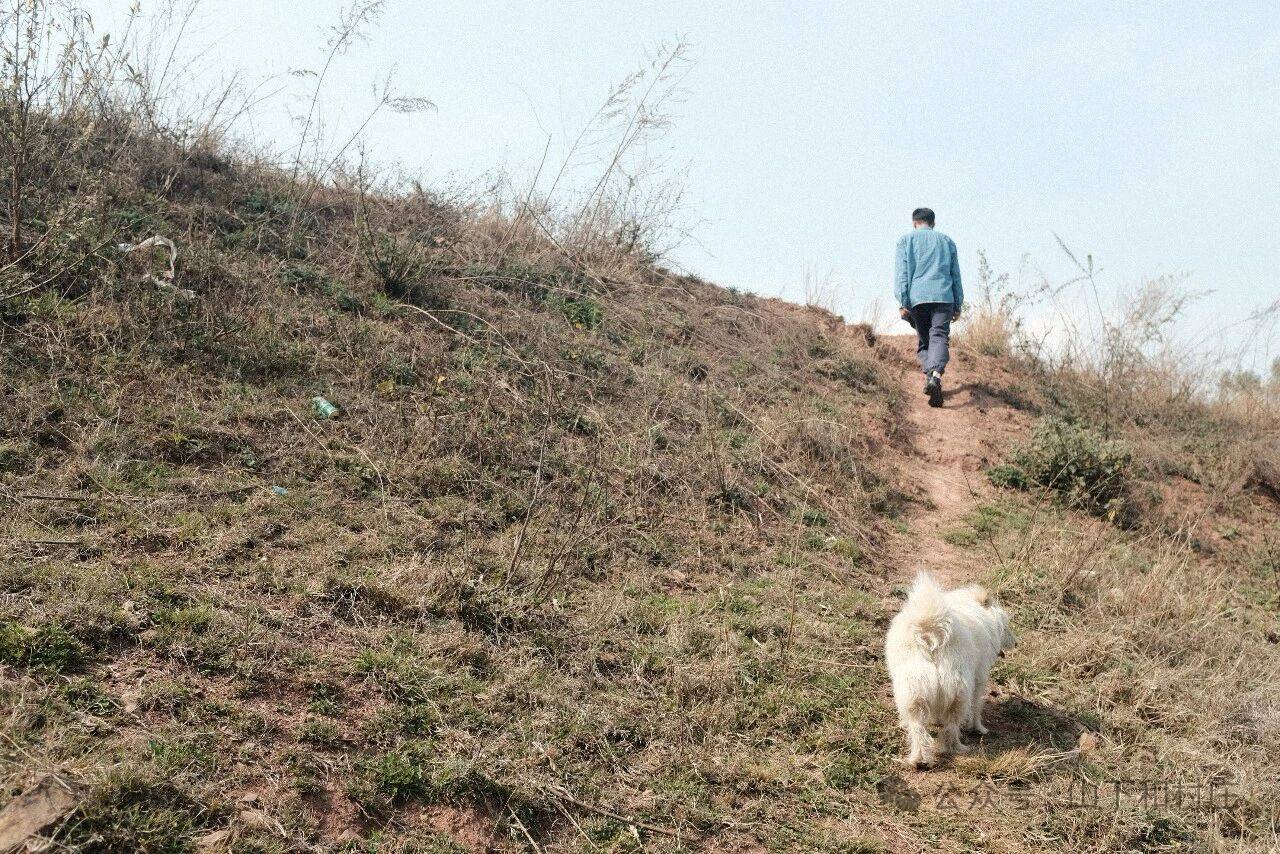
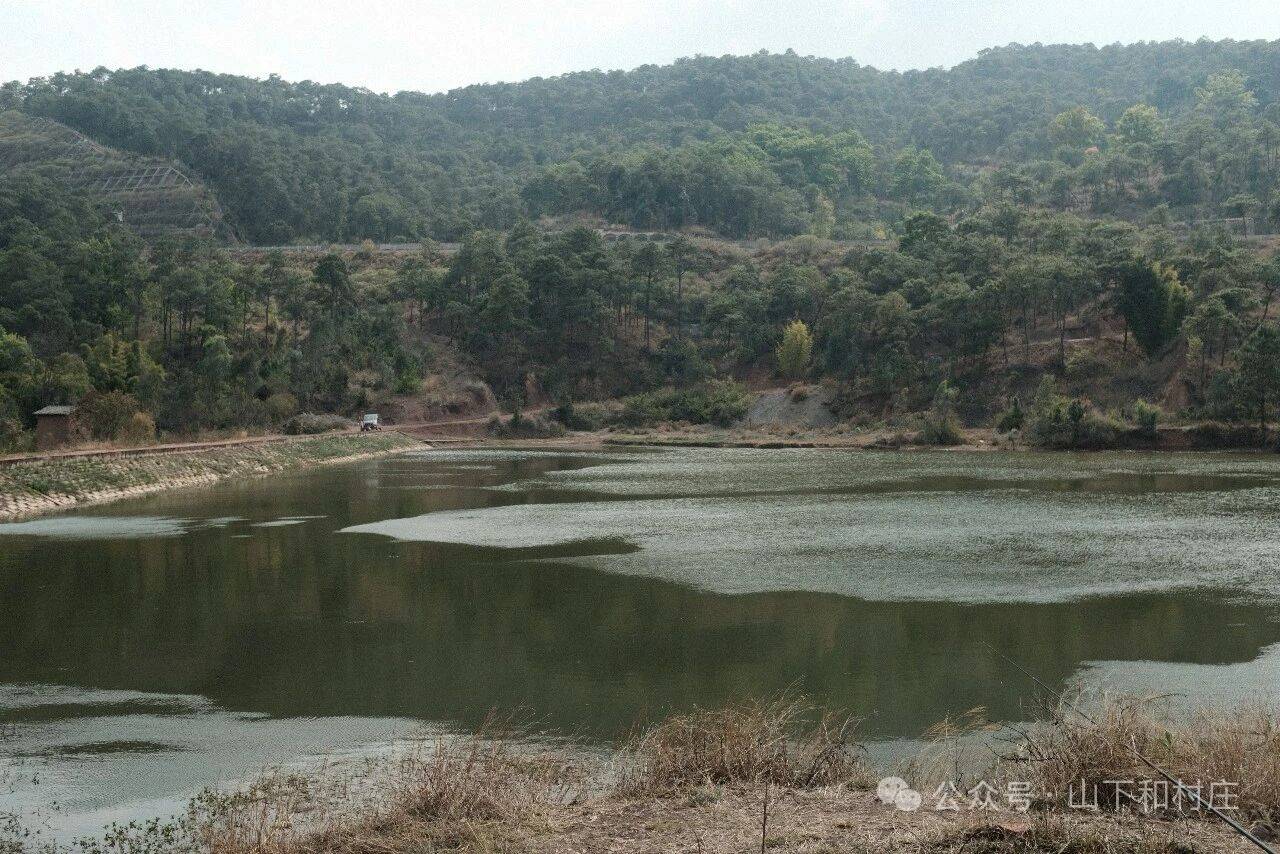
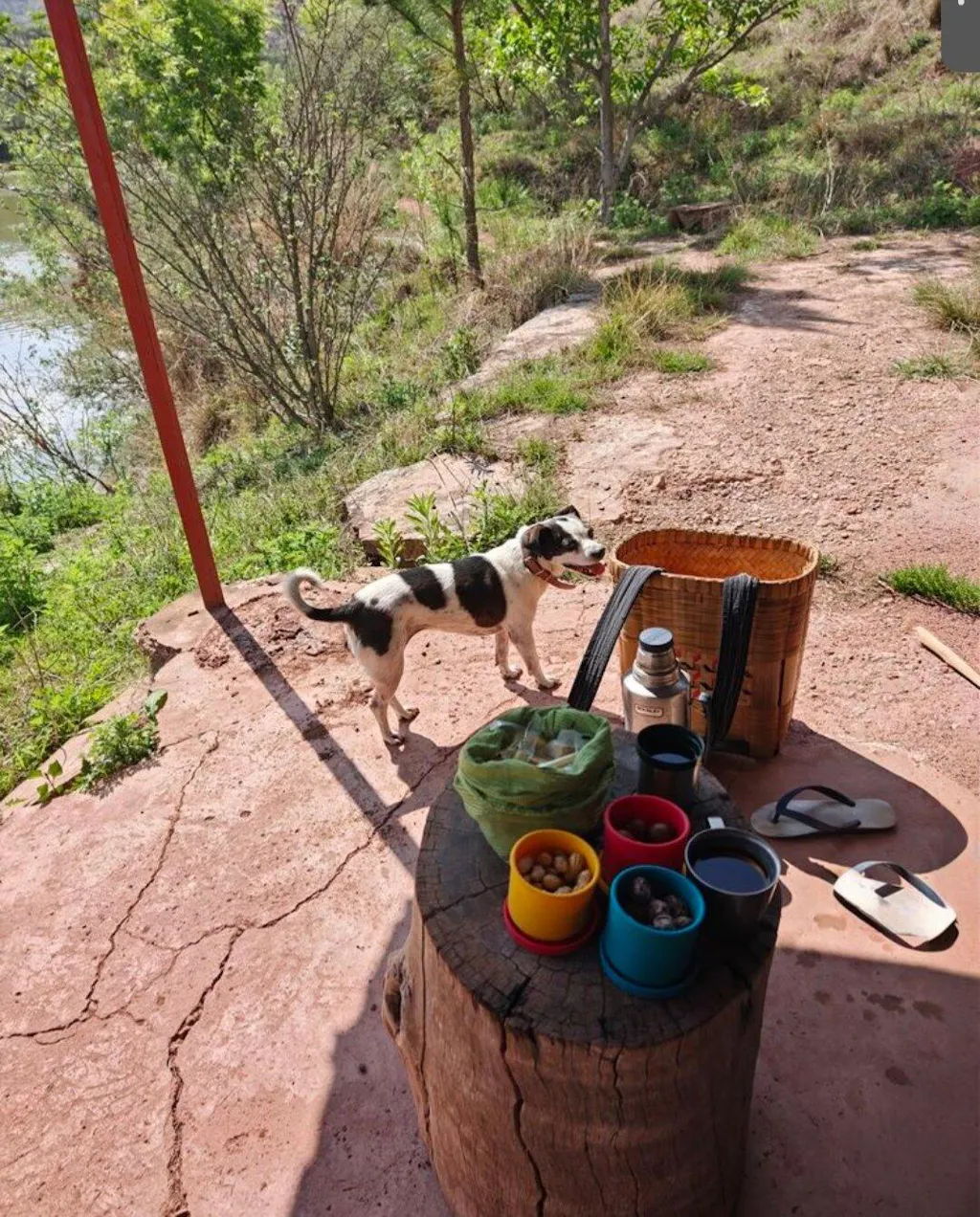
Behind the village, there is a pond where you can always see one or two fishing rods set up. You never meet anyone there, just walk along the dam, drink tea and rest in the shade by the pond. On the opposite mountain, cars pass by on the highway. The village remains quiet on the left, birds chirp by the pond, and a small dog runs around happily at your feet. It gives a nostalgic feeling of being back in a rural home in Yunnan.
Walking back from the pond to the village entrance, overlooking the entire old Lekecun.
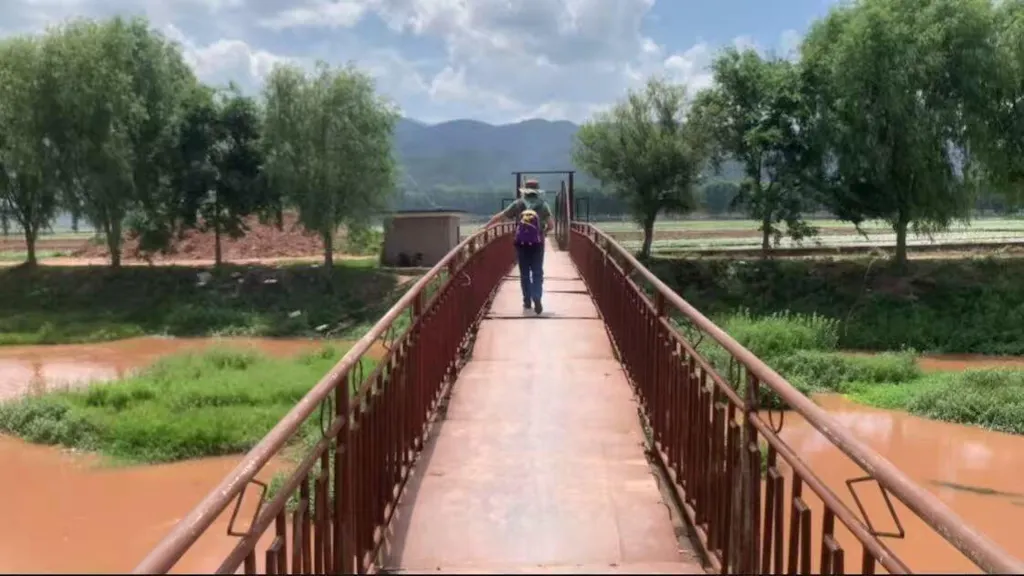
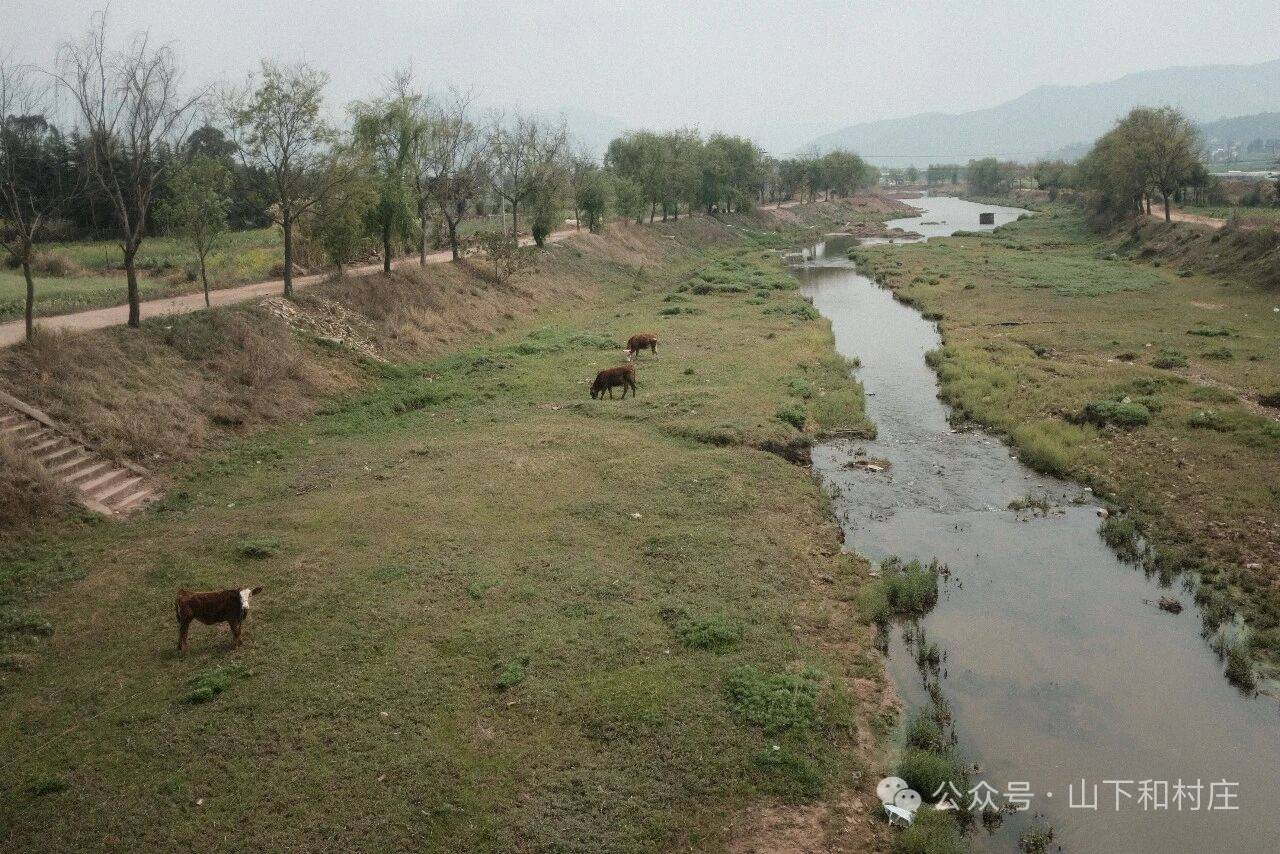
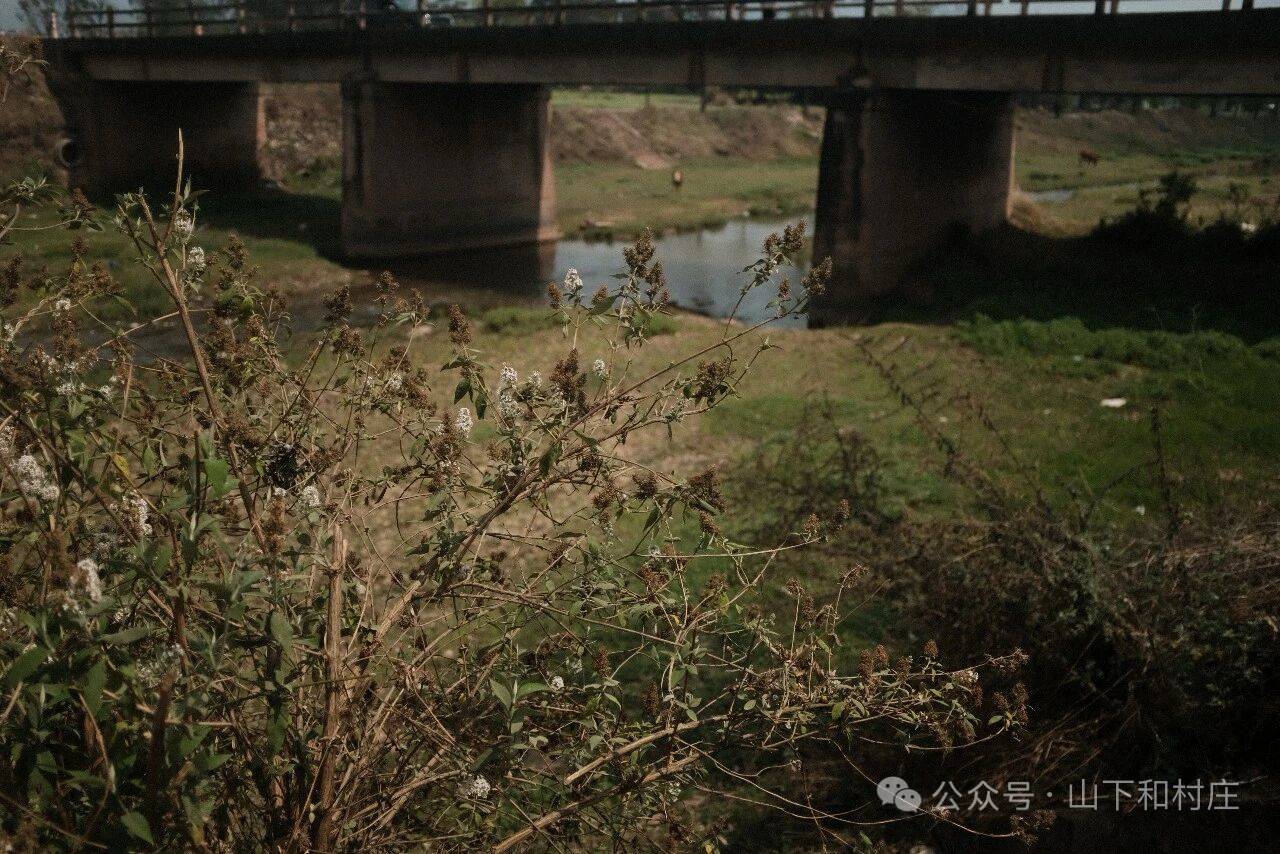
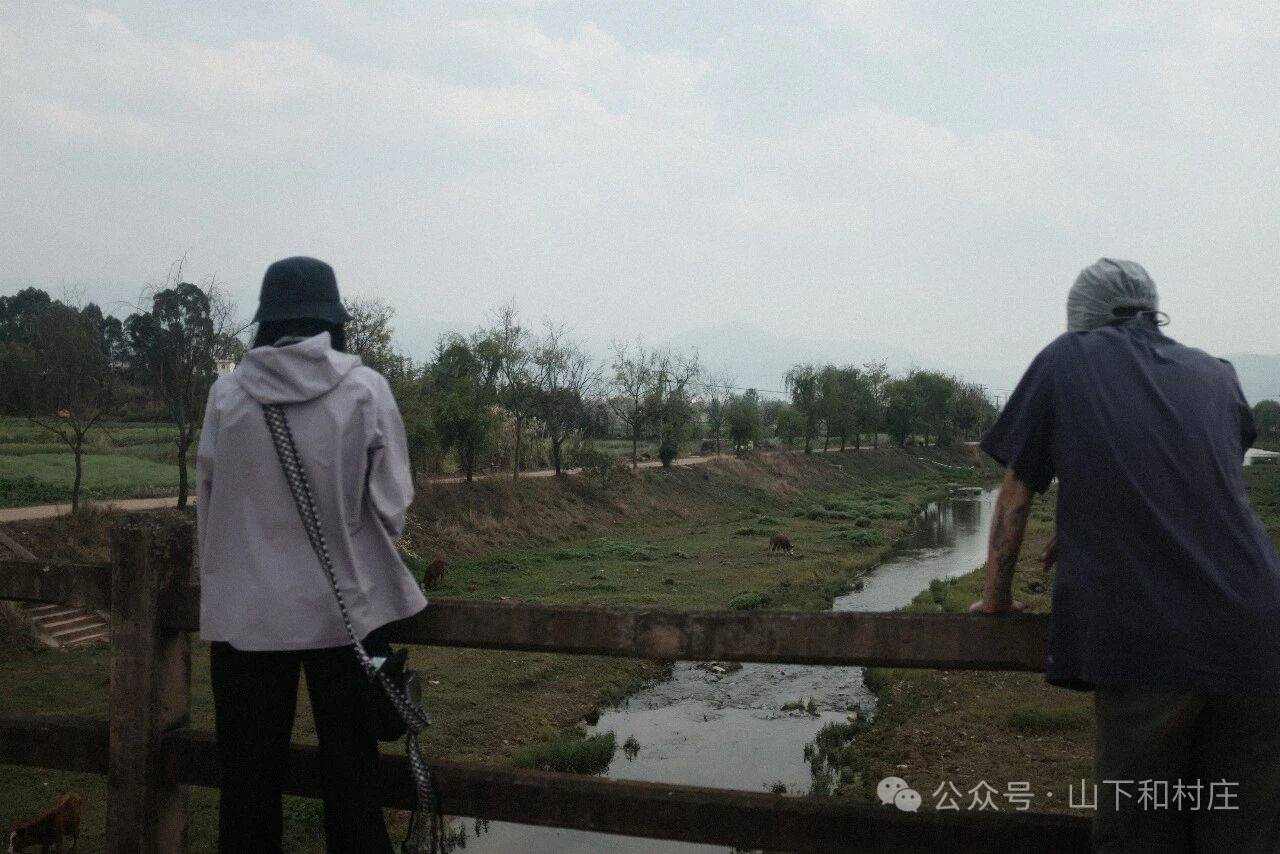
Passing through Xihe on the way to Lekecun, who would have guessed that this important international river, flowing through 12 provinces with a total length of 1,280 kilometers, originates within Yunnan? It is also the largest river in Vietnam’s Red River system. Tracing back to its source, it turns out to be a gentle little stream at the village edge.
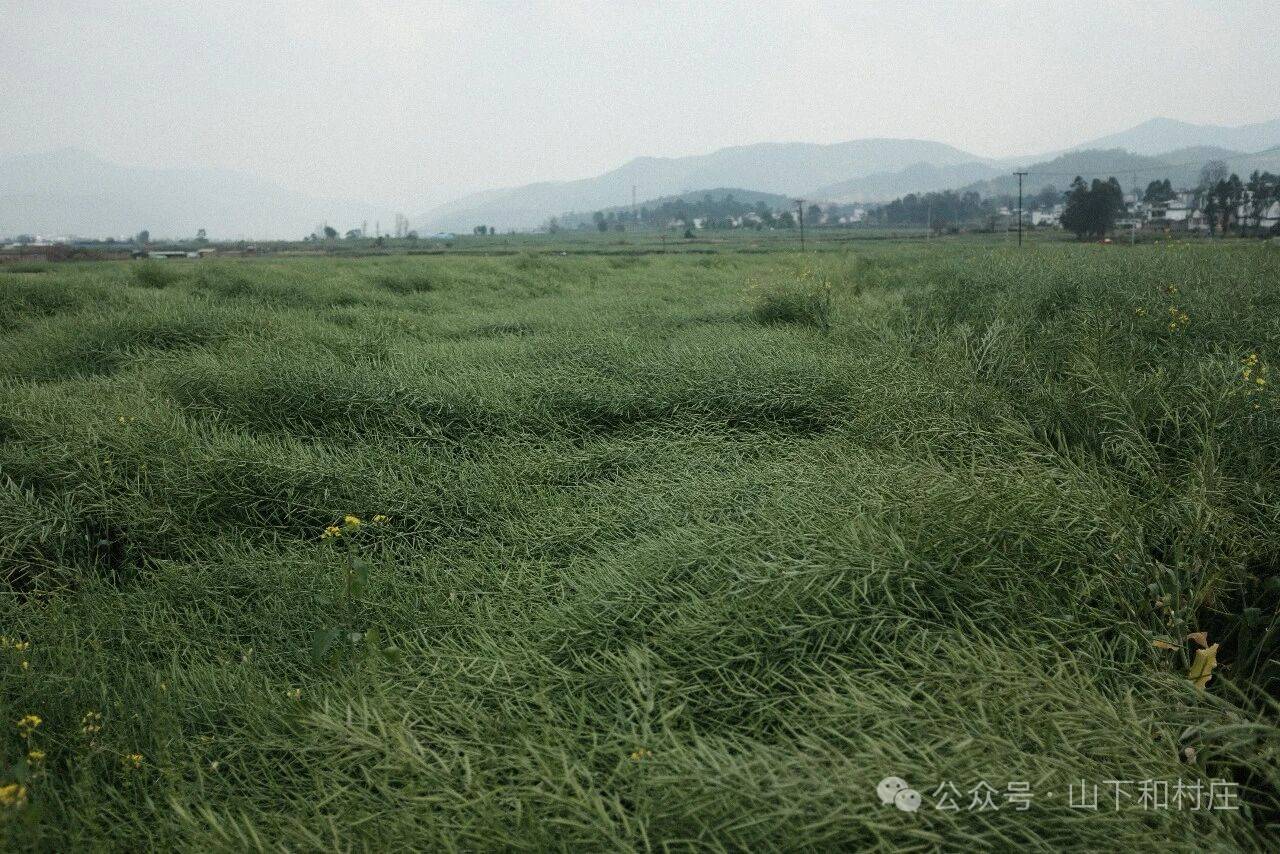
The green rapeseed flower sea on the riverbank undulates like waves.
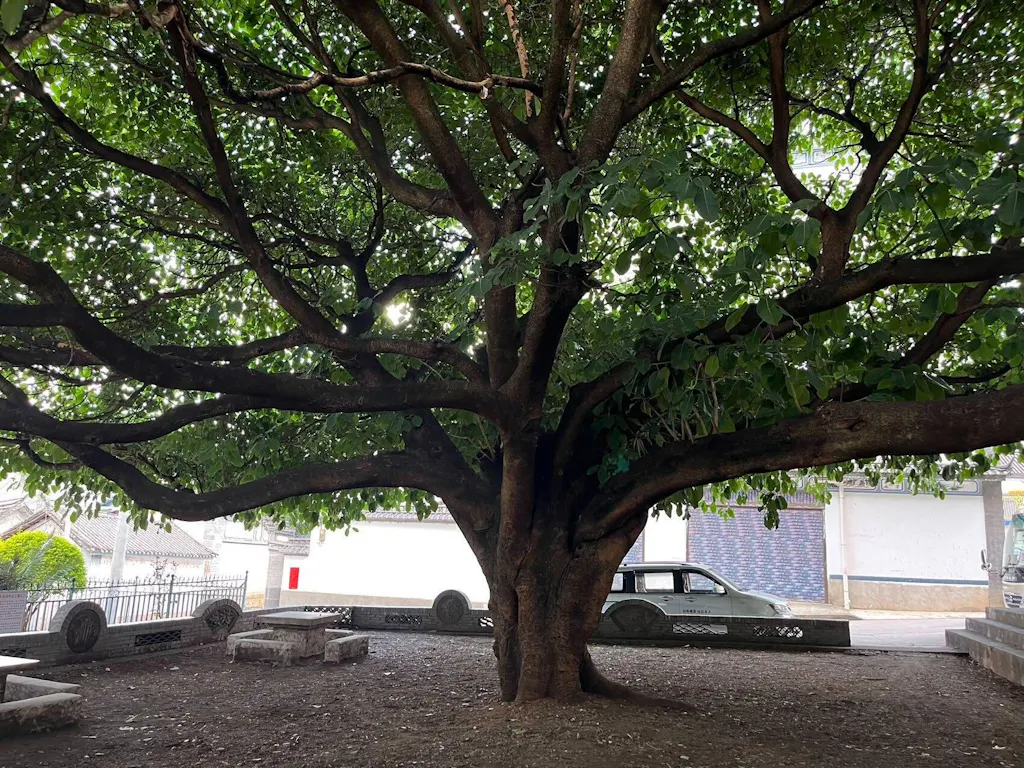
The stone bridge at the entrance of Lekecun and the giant Huanglian wood.
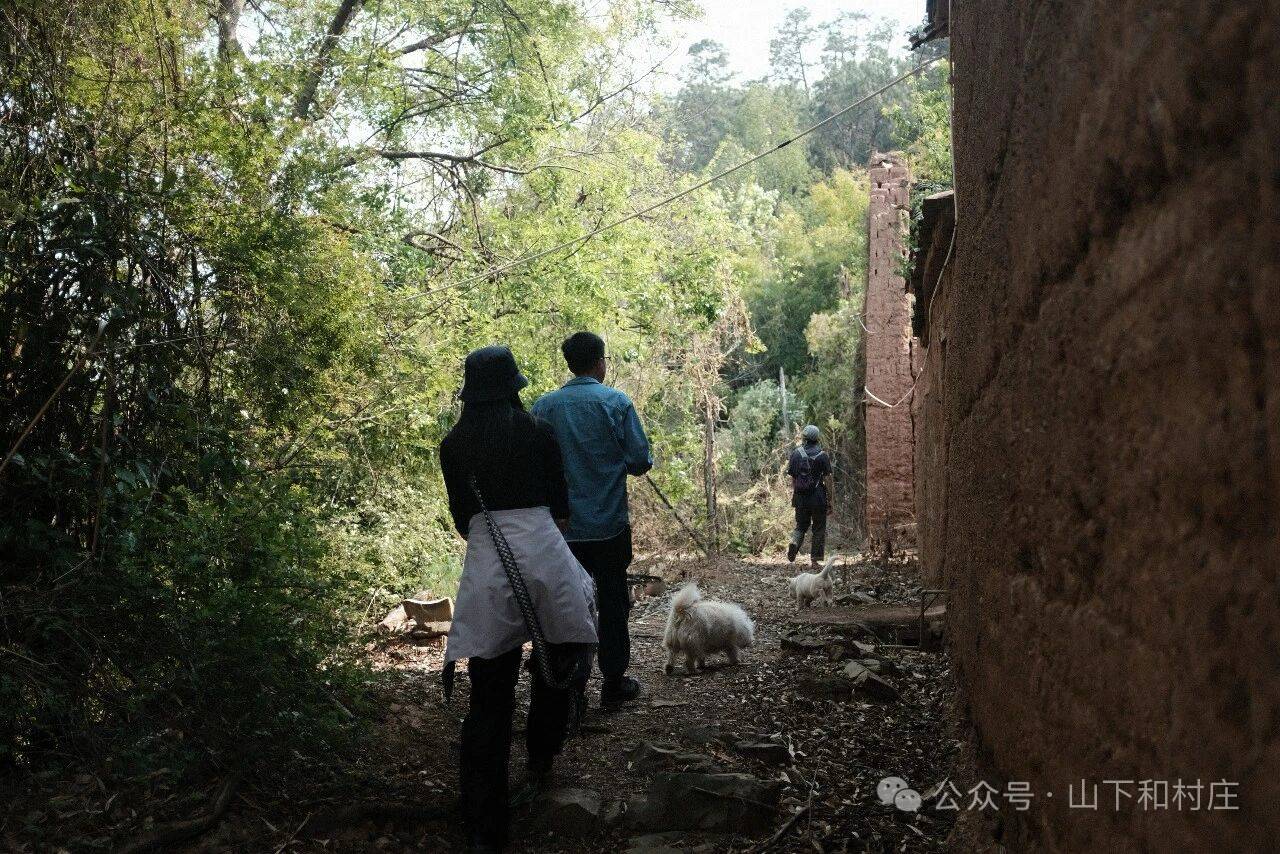
Walking through an abandoned ancient village.
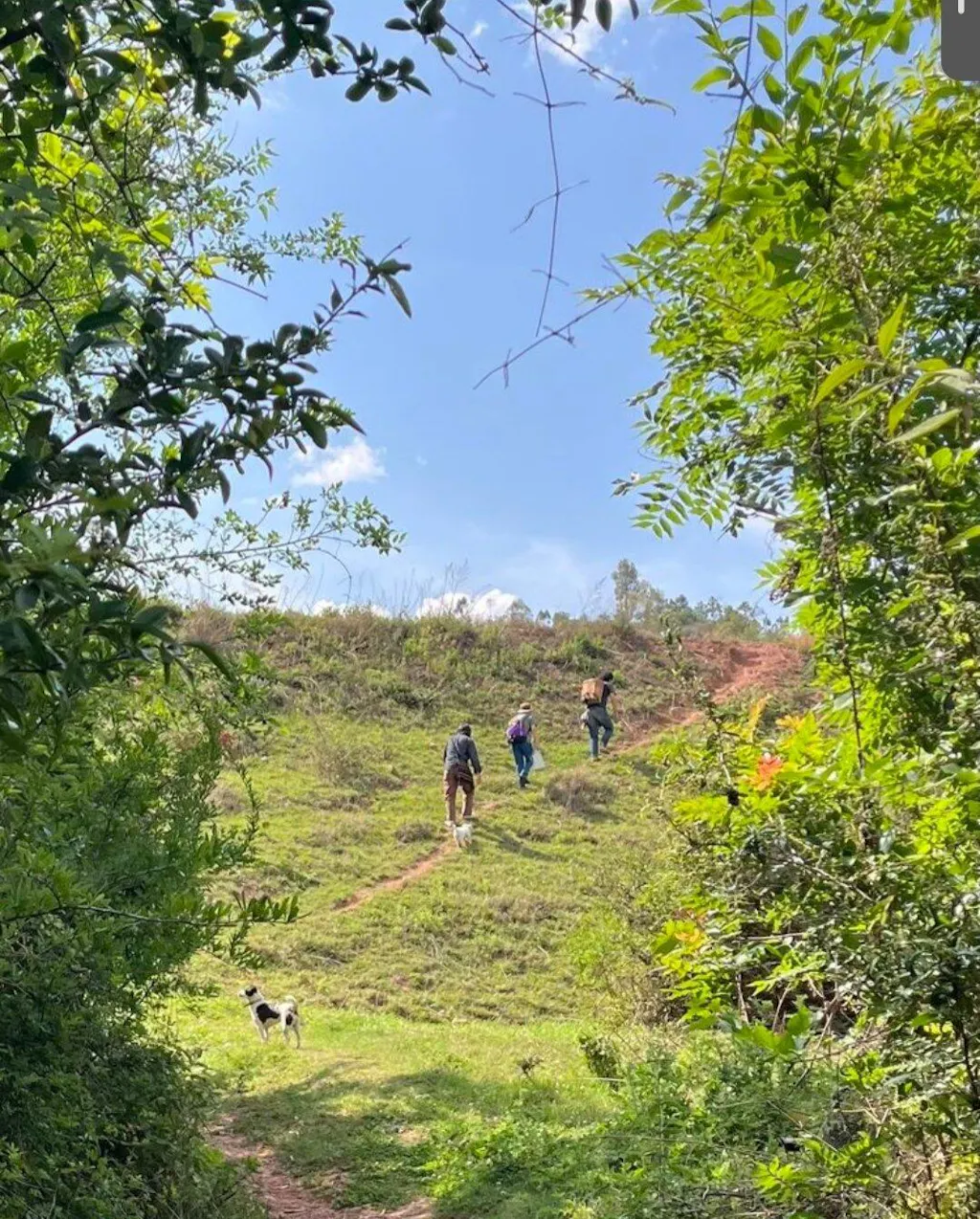
Climbing onto the dam of the water pond through the village.
From the dam, observing the quiet, deserted village, with a peaceful pond behind the houses and distant vehicles passing on the highway—creating a sense of crossing time and space.
Taking another look at the complete village on the way back.


Comprehensive travel information for Dali: restaurants, accommodation, climate...

View full details