Jason | "Time Will Not Return"
October 14, 2025 - Departure
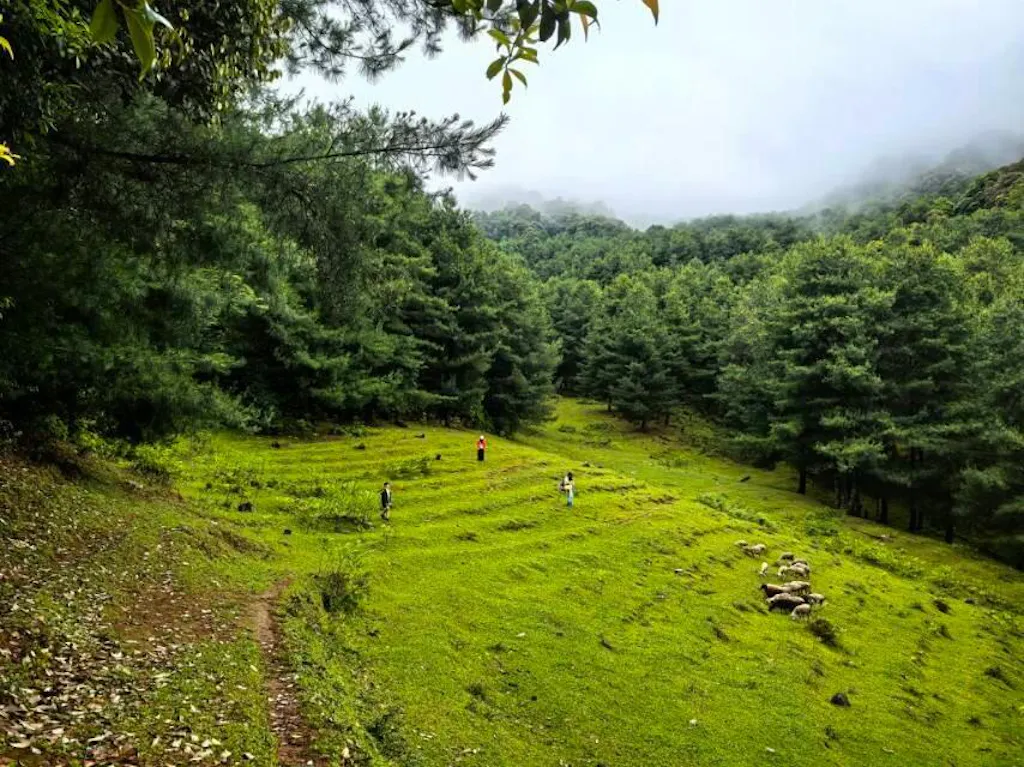
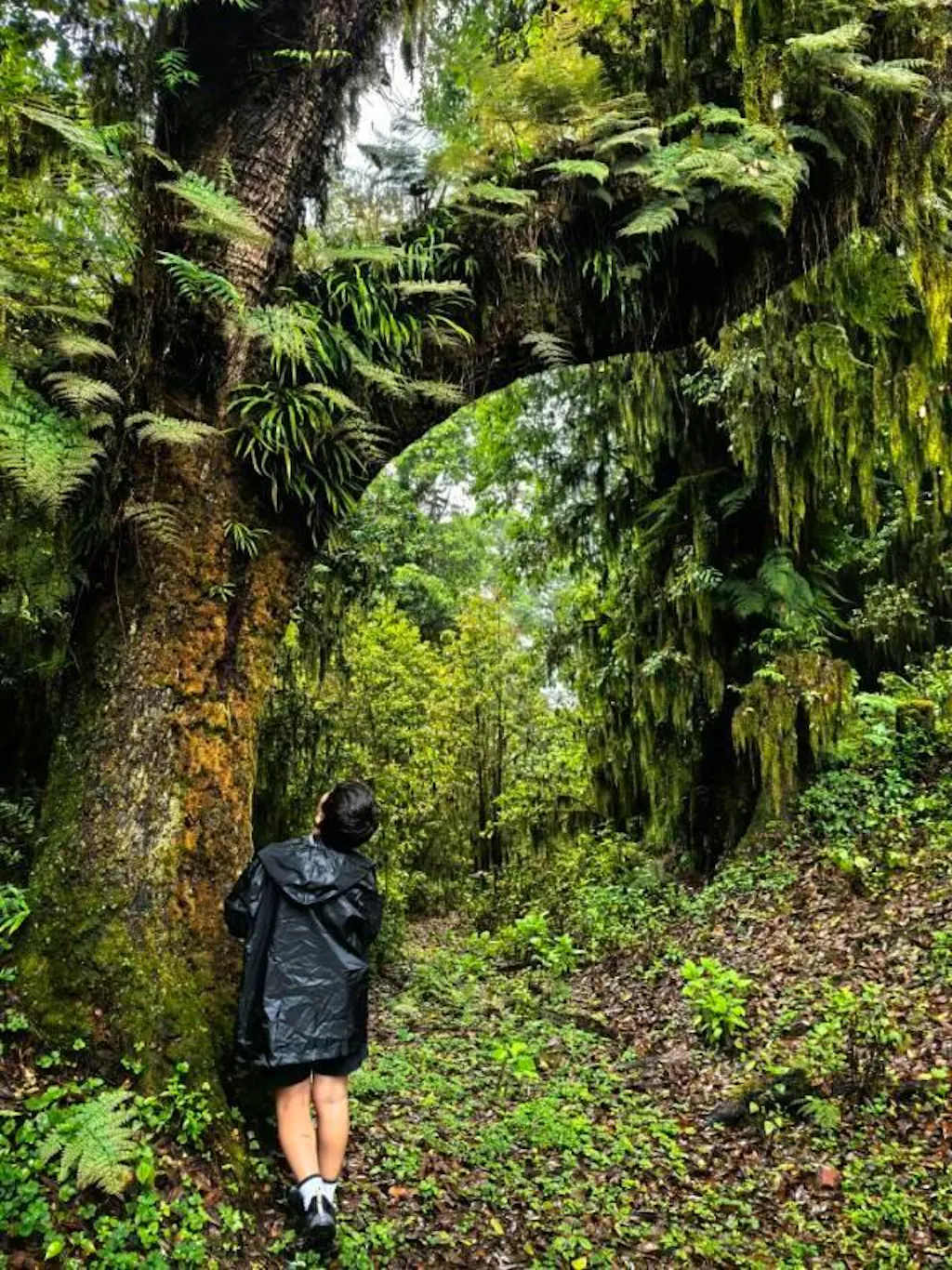
At 1:30 PM, I received the news from Bu Er: "This morning at 6:55, Sister Mao has passed away." She didn't suffer too much. Her entire life was lived according to her own wishes. After divorcing in her thirties, she came to Dali 14 years ago to open a coffee shop and a guesthouse. She made friends and loved passionately like a young girl. She always kept her yard and coffee shop meticulously maintained, wore socks in vibrant colors, and had a heart full of love for life. Everyone will face this day; some with health issues leave earlier. The day after tomorrow, the tailor and Xiao Chun Li Zhen Hao A Gua and four others will go to Chengdu to bring her ashes back according to her wishes, and bury her at Jizu Mountain. As Master Chengshih arranged, they will find a place to bury her in nature.
October 11, 2025 - Last Will
Today I contacted the tailor to help set up my YouTube membership account. It’s quite complicated, like China-U.S. relations. During the process, the tailor said Sister Mao sent a message, saying she wasn’t doing well and entrusted him to deliver her ashes to Jizu Mountain after her passing. So, just like with Free, she wanted to be buried under a tree in a forest. Human life is both long and short, often meaningless but also something we seek. Before leaving Dali for Shanghai in early September, I visited her in Chengdu and stayed for a week. If I hadn’t gone, I probably wouldn’t have seen her again. Xiao Jing went with me. When her health was better, we would chat at her place or at the café downstairs, and we even took a walk once. At that time, her tumor had recurred and was pressing on her, making speech difficult, but sometimes she was still spirited, able to speak in a hoarse voice, sharing daily stories and gossip. However, she always had fevers in the mornings and at night. She knew her time was limited and rented her house month-to-month, but she still went to the hospital for checkups and hadn’t completely given up.
September 12, 2025 - Ajin told her stories
In our last two days in Chengdu, Ajin came. Sister Mao had a fever and was unwell, so we didn’t meet for two days. On the way to the airport, she seemed a bit better. Ajin changed his flight last minute and returned to her place from the airport. Sister Mao was lying on the sofa, and Ajin read her stories he had written about his dreams. She listened very intently.
After listening, she looked very proud and asked me, ‘Someone is reading you his stories— isn’t that very romantic?’
Earlier, I mentioned to Sister Mao that Ajin had written in his story that ‘this friend doesn’t have many days left,’ and I felt guilty. She said, ‘No way, that night I immediately added him and told him it was okay, worried he’d be too sad.’ After Ajin returned to Dali from Chengdu and continued renovating, she knew Ajin wasn’t financially well-off. She called him and bought tiles for 1,500 RMB. Ajin felt a bit embarrassed and wanted to return the favor with some cordyceps. I told him not to, just accept it happily. Sister Mao was also happy.
Over the years, she hasn’t changed. She remains a romantic person, warm and considerate of others.
Doctor Wei
Doctor Wei is Wei Honglin, whom we all know. During those days in Chengdu, in a casual chat, I forgot what prompted it, probably mentioning Wei Doctor and her discussing her condition. Sister Mao said: “Do you know why I think Doctor Wei is a good person?”
“I didn’t know him before. When I first came to Dali, a friend who ran a tea shop told me he was an emergency department doctor at the provincial hospital. If I needed medical help, I could go to him. I asked: Are you Doctor Wei Honglin? He looked at me coldly and asked: What’s the matter? I thought he was difficult to get along with and regretted coming to see him.”
“Later, I saw his Moments on WeChat, where he was raising funds for someone. I later found out it was one of his patients, a rural person without money. He said it was just a few thousand yuan; if they didn’t treat it, they would die. If they treated it, they could recover—it's not incurable. I thought he was a good person. Mainly, what’s rare is that he’s not a recent graduate; he’s been a doctor for many years and still has such a kind heart. Later, I became good friends with him.”
After Sister Mao was diagnosed with late-stage cancer, Doctor Wei video-called me once. He was walking and shared his opinion, hoping I would do something—I’ve already forgotten what. He also suggested that Sister Mao go to the US for treatment, where medical care is better, and her family could also take care of her there.
Sometimes Sister Mao is like a neighborhood committee auntie—she knows many people and gets along well, mainly because she is warm-hearted and willing to consider others. On the other hand, she clearly has her own standards for choosing friends.
April 2021
Although Sister Mao is a romantic person, her experience with love is probably quite naive. She enjoys chatting about gossip, and I also share some of her gossip.
Five years ago, I visited Chengdu and stayed for a month to see her. She had just been diagnosed with cancer and immediately underwent surgery. I hadn’t planned to go, but one day I casually asked about her condition. She was very down, because her boyfriend had run off and was out of contact. Things were serious—her health was poor, and she was emotionally defeated. I could only go to support her, so I went to Chengdu to see her. Actually, her boyfriend was quite good—he visited her in the hospital before surgery, took care of her after, and gave her massages. She reflected on herself, saying she kept complaining in the hospital about him not doing this or that right, and after surgery, about the food not being tasty enough. Also, because he wanted to help her financially, when she returned to her hometown to get her share of the money, her family opposed it, thinking it was useless, so she didn’t come back and disappeared.
I joke that she’s really not good at handling intimate relationships—she cares for him so much but treats him so harshly. She’s quite tolerant of friends; for example, when I cooked her pork rib soup, it was too greasy, and she was just undergoing chemotherapy, so she felt nauseous at the smell and didn’t drink a single sip, yet she didn’t complain and even comforted me. I ate all the ribs myself.
In terms of love concepts, she is also quite traditional. A couple of times, she subtly hinted that my views on love might be somewhat problematic. Of course, I didn’t take her words seriously. Friends are like that—they can’t always agree, but there’s always a fundamental trust.
2012 · The Beginning
The earliest memory of meeting Mao San was because we both arrived in Dali around 2012, making us contemporaries. At that time, there were few outsiders in Dali, so most people knew each other easily. She often visited the late-night eatery, and I occasionally went to her Mao San Coffee Shop. During that period, most shops were quite rustic, but her small shop was very fresh, tidy, and spotless, decorated with some pretty ornaments. The water kettles and other items were also expensive and artistic. Later, her coffee sales declined, but her wonton dishes sold very well. She was not very quick in her movements, not the brisk Sichuan-style boss lady. She wasn't very short of money, so she didn't seem very dedicated to her business.
Later, she fell ill, moved her cafe, and many friends helped her, which was also a reflection of their care for her and the connection they shared.
When we were in Chengdu, we visited her, and her good friends Yan Yan, Xiao Xi, and high school classmate Wang Linling took care of her daily life.
Most of the past events are no longer remembered in detail; they are mostly trivial daily matters. Most people also don't have distinctive features or have done anything significant. Most of the time, we don't see each other often—just the initial acquaintance, occasional interactions, awareness of each other's existence, and we've been together through these years. When someone passes away forever, remembering that person is also recalling the times we experienced together, even a certain period.
On August 16, 2024, Mao Jie wrote a message to Hong Hong after reading 'Wang Yang':
“Just finished reading the article, you were really beautiful back then. Every time I read Jason's words, there's a faint sadness. Perhaps he's recording it. Every time I read one, I feel that time no longer comes back—it's melancholic.”
Yes, time no longer returns, whether it's happiness or sadness.